

Speak To An Expert
Get clear, personalised advice for your situation.
Jot down a few questions to make the most of your conversation.
More Items From Ergsy search
-

Can vaping contribute to indoor air pollution?
Relevance: 100%
-

How does vaping indoors affect air quality for non-users?
Relevance: 81%
-

Is it possible to detect harmful chemicals in the air from vaping?
Relevance: 65%
-

Air Pollution and Lung Cancer
Relevance: 59%
-
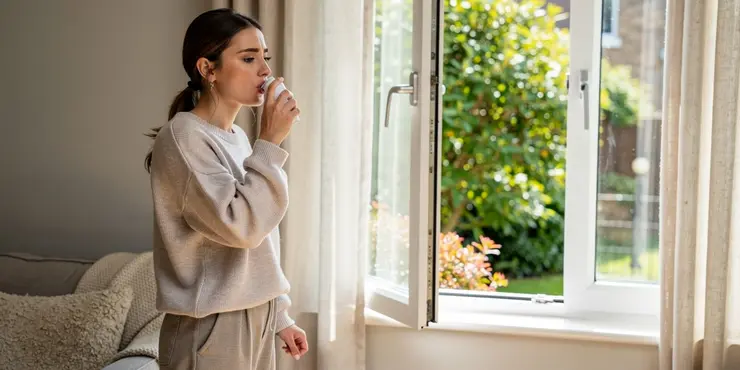
How does air pollution affect asthma?
Relevance: 56%
-

High Air Pollution Levels Linked to Rising Cases of Respiratory Issues
Relevance: 55%
-

Is vaping dangerous for people around me?
Relevance: 52%
-

Where can I find information on air pollution and its effect on Asthma for my local area?
Relevance: 49%
-

Rise in Childhood Asthma Linked to Air Pollution in Urban Areas
Relevance: 48%
-
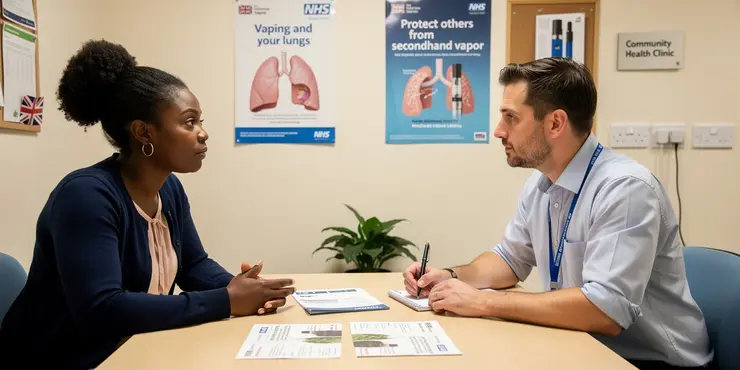
How can I protect others from secondhand vapor exposure?
Relevance: 45%

-

What are the risks of secondhand vapor from e-cigarettes?
Relevance: 45%
-

What are some common pollutants that affect asthma sufferers in urban areas?
Relevance: 43%
-

Where can I find research studies on air pollution and asthma in my area?
Relevance: 43%
-

How do I check current air quality levels in my local area?
Relevance: 40%
-

Does vaping increase the risk of lung infections for bystanders?
Relevance: 40%
-

Is UK air quality changing?
Relevance: 40%
-

Are there mobile apps to track air quality and its impact on asthma?
Relevance: 38%
-

UK Study Links Poor Air Quality to Increased Asthma Cases in Urban Areas
Relevance: 36%
-
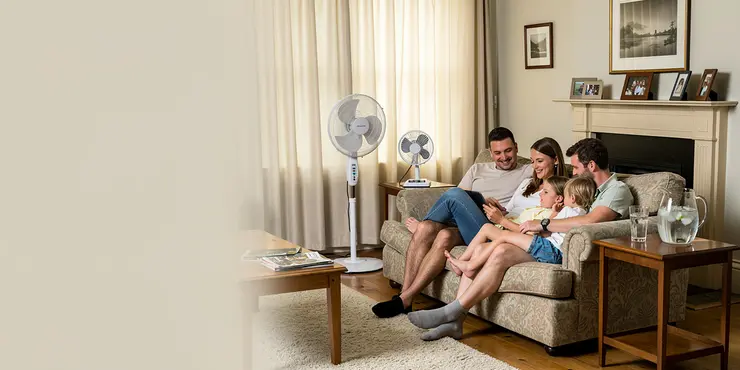
How can I stay cool indoors during a heatwave?
Relevance: 35%
-

Is it safe to vape around pregnant women?
Relevance: 34%
-

Is hay fever more common in urban areas?
Relevance: 33%
-
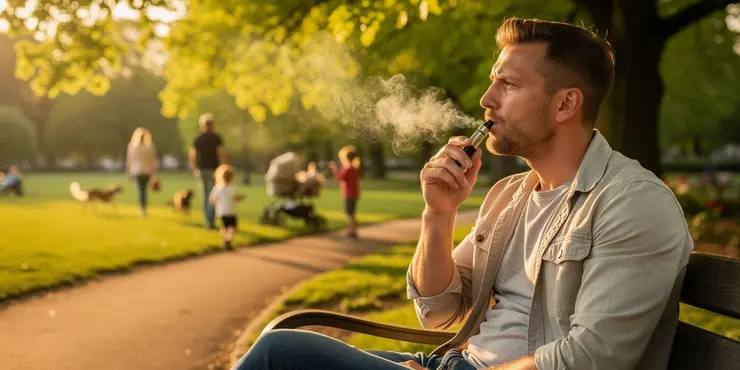
Is secondhand vapor less harmful than secondhand smoke?
Relevance: 32%
-
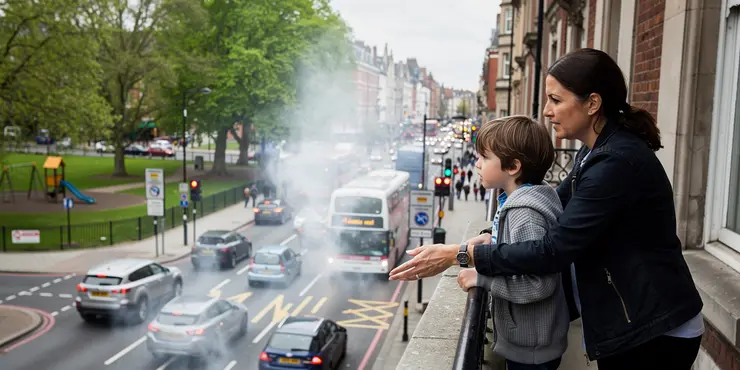
Are traffic fumes bad for my health?
Relevance: 31%
-

What is vaping and is it safer than smoking?
Relevance: 31%
-

Why are experts warning of rising hay fever cases?
Relevance: 29%
-

Rules on E-cigarettes to Tighten Amid Concerns Over Youth Vaping
Relevance: 29%
-

Calls to Ban Vapes Near School Grounds Gain Momentum
Relevance: 29%
-

Building a Healthy Home Environment
Relevance: 28%
-

Does secondhand vapor from e-cigarettes contain nicotine?
Relevance: 28%
-

How does sewage pollution affect public health?
Relevance: 28%
-
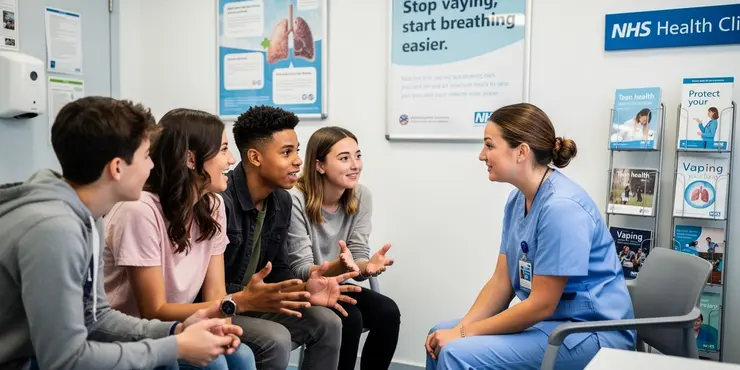
What initiatives are being taken to educate youth about the risks of vaping?
Relevance: 28%
-
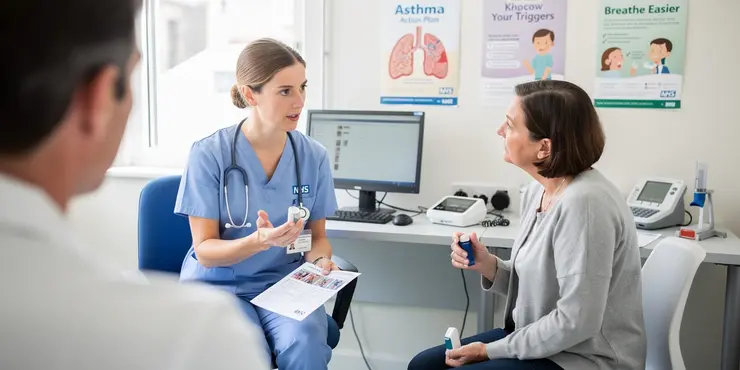
What causes asthma?
Relevance: 28%
-
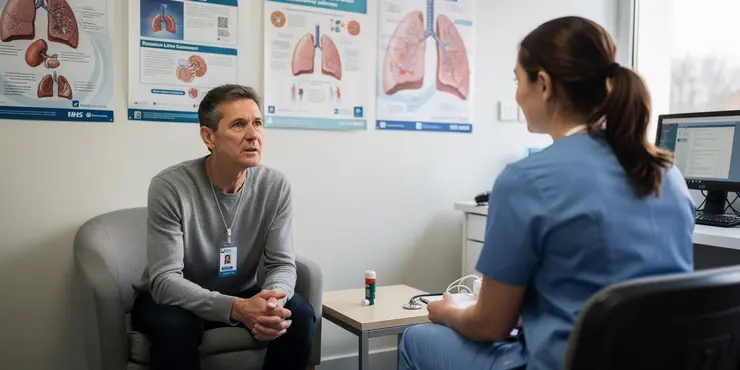
How can I reduce my exposure to air pollution if I have asthma?
Relevance: 27%
-

What should I do if I don't have air conditioning?
Relevance: 26%
-

How can I keep my home cool without air conditioning?
Relevance: 26%
-

What causes sewage pollution on UK beaches?
Relevance: 25%
-

Can sewage pollution impact marine wildlife?
Relevance: 25%
-

Is climate change affecting sewage pollution levels?
Relevance: 25%
-

What agencies monitor and regulate sewage pollution in the UK?
Relevance: 25%
-

How can asthma attacks be prevented?
Relevance: 25%
Understanding Vaping and Its Components
Vaping has been promoted as a safer alternative to traditional smoking. However, its impact on indoor air quality remains a topic of debate. E-cigarettes work by heating a liquid containing nicotine, flavourings, and other chemicals.
The aerosol produced by vaping may carry substances into the air. While it lacks the tar and many carcinogens found in traditional cigarettes, it is not entirely harmless. Considering its constituents is essential for understanding potential air quality impacts.
Potential Pollutants in Vape Aerosol
Vape aerosol can contain nicotine, which is an addictive and toxic substance. Even in small amounts, nicotine can contribute to poor air quality indoors. Additionally, the chemicals used in flavours and the base liquid can release volatile organic compounds (VOCs).
Some studies have found traces of metals such as lead and tin in vape aerosol. These arise from the heating elements in some e-cigarettes. Such particulates can linger in the air and affect indoor air quality over time.
Comparing Vaping to Traditional Smoking
Compared to cigarette smoke, vape aerosol generally releases fewer harmful substances. Smoking emits thousands of chemicals, many of which are known carcinogens. Vaping is often perceived as less noxious due to this comparative reduction in toxins.
However, the perception of vaping as completely benign to indoor air quality may be misleading. While less severe, the cumulative effect of regular vaping indoors could still pose a risk. It's crucial to consider both direct exposure and secondary consequences.
Health Implications of Indoor Vaping
Long-term exposure to vape aerosol indoors could have subtle health impacts. Sensitive individuals, such as those with respiratory conditions, may experience exacerbated symptoms. The presence of nicotine and VOCs contributes to the overall risk.
Furthermore, children and pets are more vulnerable to indoor air pollutants. Nicotine residue on surfaces, known as "thirdhand smoke," is another concern. Despite decreased levels compared to traditional smoke, it's still important to manage exposure.
Maintaining Healthy Indoor Air Quality
To mitigate the potential effects of vaping on indoor air quality, proper ventilation is key. Opening windows or using fans can help disperse aerosols more effectively. Consider designating outdoor areas for vaping to limit indoor accumulation.
Awareness and education about the impacts of vaping are vital for maintaining air quality. While vaping may reduce risks compared to smoking, it isn't without impact. Promoting clean indoor air supports overall health and wellbeing.
Frequently Asked Questions
Can vaping contribute to indoor air pollution?
Yes, vaping can contribute to indoor air pollution as it releases aerosols into the air.
What substances are released from vaping into the air?
Vaping releases nicotine, ultrafine particles, flavoring agents, and other chemicals into the air.
Are the chemicals in vaping aerosols harmful?
Many chemicals in vaping aerosols can be harmful, especially when inhaled long-term.
Does vaping affect indoor air quality more than smoking?
While vaping generally releases fewer harmful chemicals than smoking, it still impacts indoor air quality.
Can secondhand vapor affect non-vapers?
Yes, non-vapers can be exposed to nicotine and other chemicals through secondhand vapor.
How does vaping indoors affect children and pets?
Exposure to secondhand vapor can be harmful to children and pets due to their smaller size and developing systems.
Do vaping aerosols settle on indoor surfaces?
Yes, chemicals from vaping can settle on surfaces and contribute to indoor contamination.
Is the smell from vaping an indicator of indoor air pollution?
Yes, the odor from vaping can indicate the presence of chemicals in the air.
Can air purifiers remove vaping aerosols from indoor air?
Air purifiers can reduce some particles but may not eliminate all harmful substances from vaping.
Is it safe to vape indoors if windows are open?
Opening windows can help reduce indoor air pollution but does not eliminate exposure to vaping aerosols.
How does vaping compare to cooking in terms of indoor air pollution?
Both activities release pollutants, but the types and concentrations of pollutants differ.
What long-term effects can vaping have on indoor air quality?
Prolonged indoor vaping can lead to accumulation of harmful chemicals, impacting air quality over time.
Are there regulations for indoor vaping to protect air quality?
Regulations vary by location; some areas have laws restricting indoor vaping to protect air quality.
What are the main health concerns with indoor vaping?
Inhalation of nicotine and other chemicals can pose respiratory and cardiovascular risks.
Can vaping affect ventilation systems in buildings?
Yes, particles from vaping can deposit in ventilation systems, impacting their efficiency and air distribution.
How can someone reduce the impact of vaping on indoor air quality?
Vaping outside, using good ventilation, and keeping indoor spaces clean can help reduce impact.
What is thirdhand smoke and does it relate to vaping?
Thirdhand smoke refers to chemicals from tobacco products settling on surfaces; vaping can contribute similarly.
Is nicotine the only harmful substance released by vaping?
No, vaping releases multiple harmful substances besides nicotine, including formaldehyde and other volatile compounds.
Can vaping indoors affect individuals with allergies or asthma?
Yes, vaping aerosols can trigger symptoms in individuals with allergies or asthma.
Should workplaces have policies on vaping indoors?
Workplaces should consider policies on vaping indoors to protect air quality and employee health.

Useful Links
This website offers general information and is not a substitute for professional advice.
Always seek guidance from qualified professionals.
If you have any medical concerns or need urgent help, contact a healthcare professional or emergency services immediately.
Some of this content was generated with AI assistance. We've done our best to keep it accurate, helpful, and human-friendly.
- Ergsy carefully checks the information in the videos we provide here.
- Videos shown by Youtube after a video has completed, have NOT been reviewed by ERGSY.
- To view, click the arrow in centre of video.
- Most of the videos you find here will have subtitles and/or closed captions available.
- You may need to turn these on, and choose your preferred language.
- Go to the video you'd like to watch.
- If closed captions (CC) are available, settings will be visible on the bottom right of the video player.
- To turn on Captions, click settings.
- To turn off Captions, click settings again.
More Items From Ergsy search
-
Can vaping contribute to indoor air pollution?
Relevance: 100%
-
How does vaping indoors affect air quality for non-users?
Relevance: 81%
-
Is it possible to detect harmful chemicals in the air from vaping?
Relevance: 65%
-
Air Pollution and Lung Cancer
Relevance: 59%
-
How does air pollution affect asthma?
Relevance: 56%
-
High Air Pollution Levels Linked to Rising Cases of Respiratory Issues
Relevance: 55%
-
Is vaping dangerous for people around me?
Relevance: 52%
-
Where can I find information on air pollution and its effect on Asthma for my local area?
Relevance: 49%
-
Rise in Childhood Asthma Linked to Air Pollution in Urban Areas
Relevance: 48%
-
How can I protect others from secondhand vapor exposure?
Relevance: 45%
-
What are the risks of secondhand vapor from e-cigarettes?
Relevance: 45%
-
What are some common pollutants that affect asthma sufferers in urban areas?
Relevance: 43%
-
Where can I find research studies on air pollution and asthma in my area?
Relevance: 43%
-
How do I check current air quality levels in my local area?
Relevance: 40%
-
Does vaping increase the risk of lung infections for bystanders?
Relevance: 40%
-
Is UK air quality changing?
Relevance: 40%
-
Are there mobile apps to track air quality and its impact on asthma?
Relevance: 38%
-
UK Study Links Poor Air Quality to Increased Asthma Cases in Urban Areas
Relevance: 36%
-
How can I stay cool indoors during a heatwave?
Relevance: 35%
-
Is it safe to vape around pregnant women?
Relevance: 34%
-
Is hay fever more common in urban areas?
Relevance: 33%
-
Is secondhand vapor less harmful than secondhand smoke?
Relevance: 32%
-
Are traffic fumes bad for my health?
Relevance: 31%
-
What is vaping and is it safer than smoking?
Relevance: 31%
-
Why are experts warning of rising hay fever cases?
Relevance: 29%
-
Rules on E-cigarettes to Tighten Amid Concerns Over Youth Vaping
Relevance: 29%
-
Calls to Ban Vapes Near School Grounds Gain Momentum
Relevance: 29%
-
Building a Healthy Home Environment
Relevance: 28%
-
Does secondhand vapor from e-cigarettes contain nicotine?
Relevance: 28%
-
How does sewage pollution affect public health?
Relevance: 28%
-
What initiatives are being taken to educate youth about the risks of vaping?
Relevance: 28%
-
What causes asthma?
Relevance: 28%
-
How can I reduce my exposure to air pollution if I have asthma?
Relevance: 27%
-
What should I do if I don't have air conditioning?
Relevance: 26%
-
How can I keep my home cool without air conditioning?
Relevance: 26%
-
What causes sewage pollution on UK beaches?
Relevance: 25%
-
Can sewage pollution impact marine wildlife?
Relevance: 25%
-
Is climate change affecting sewage pollution levels?
Relevance: 25%
-
What agencies monitor and regulate sewage pollution in the UK?
Relevance: 25%
-
How can asthma attacks be prevented?
Relevance: 25%