
Find Help
More Items From Ergsy search
-
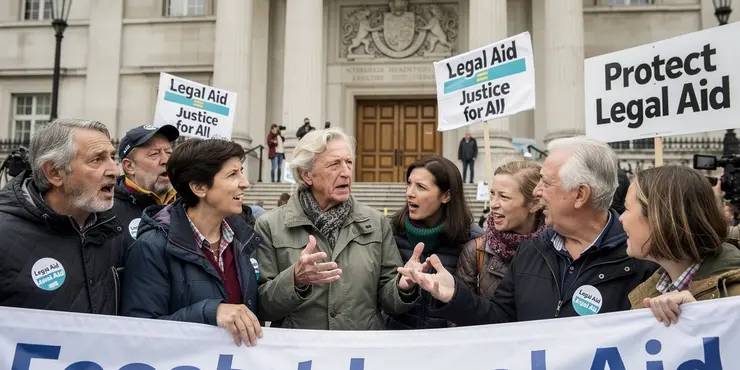
Legal Aid Cuts: Campaigners Warn of Access to Justice Crisis
Relevance: 100%
-
Can inmates access legal assistance?
Relevance: 40%
-
Is there any legal recourse for those affected by the housing benefit cuts?
Relevance: 36%
-
Do community helpers have access to legal advice?
Relevance: 33%
-
What can tenants do if they are affected by the cuts?
Relevance: 30%
-
Navigating the UK Cost of Living Crisis: Tips for Families
Relevance: 28%
-
Impact of UK Housing Crisis on Local Communities
Relevance: 26%
-
Addressing the Cost of Living Crisis: Community Support and Resources
Relevance: 26%
-
Addressing the Housing Crisis: Current Challenges and Solutions
Relevance: 25%
-
When are the proposed cuts expected to take effect?
Relevance: 25%
-
What are the proposed Cuts to Housing Benefits Amid Rising Rents?
Relevance: 24%
-
How will the cuts impact landlords?
Relevance: 24%
-
What advocacy efforts are being undertaken to resist the cuts?
Relevance: 24%
-
How important is it to learn CPR along with first aid?
Relevance: 24%
-
Addressing the Rising Homelessness Crisis
Relevance: 24%
-
Why is there a call for public consultation regarding the cuts?
Relevance: 23%
-
What legal assistance is available to seniors?
Relevance: 23%
-
Who will be most affected by the proposed cuts to housing benefits?
Relevance: 23%
-
Proposed Welfare Cuts and Their Impact on Vulnerable Populations
Relevance: 23%
-
Mental Health Impact of Cost of Living Crisis and Support Resources
Relevance: 23%
-
What is the main reason for the proposed cuts to housing benefits?
Relevance: 22%
-
Are there first aid courses for pets?
Relevance: 22%
-
Is there a plan to offer additional support to offset housing benefit cuts?
Relevance: 22%
-
Public Inquiry into States of Emergency: Legal Experts Demand Transparency
Relevance: 22%
-
How can individuals contribute to the discussion on housing benefit cuts?
Relevance: 22%
-
Are there any groups exempt from the proposed cuts?
Relevance: 22%
-
What are the potential long-term impacts of housing benefit cuts?
Relevance: 21%
-
What role do housing associations have amid these cuts?
Relevance: 21%
-
Can first aid skills help in daily life?
Relevance: 21%
-
What is AIDS?
Relevance: 21%
-
Accessing Mental Health Support Resources in the UK
Relevance: 20%
-
UK's Elderly Population Faces Growing Loneliness Crisis
Relevance: 20%
-
Can refugees or immigrants access food banks?
Relevance: 20%
-
Emergency Legal Guidance: Navigating the Impact of Sudden Policy Changes on Families
Relevance: 20%
-
Understanding Your Rights: Legal Support for Families During Economic Turbulence
Relevance: 20%
-
How can community helpers access emergency assistance?
Relevance: 20%
-
What is the relationship between rising rents and housing benefit cuts?
Relevance: 20%
-
How can I practice first aid skills effectively?
Relevance: 19%
-
Are there free resources for learning first aid?
Relevance: 19%
-
How will the proposed cuts impact tenants?
Relevance: 19%
Introduction
Legal aid is an essential component of the justice system in the United Kingdom. It ensures that individuals who cannot afford legal representation and advice can still access justice. However, recent cuts to legal aid funding have sparked significant concern among campaigners, legal professionals, and affected communities. They warn that these cuts may lead to a crisis in access to justice, disproportionately affecting the most vulnerable in society.
Background on Legal Aid Cuts
Over the past decade, the UK government has implemented several rounds of cuts to legal aid funding. These reductions were primarily driven by austerity measures and efforts to reduce public spending. The Legal Aid, Sentencing and Punishment of Offenders Act (LASPO) 2012 marked a significant turning point by severely restricting the scope of cases eligible for legal aid. Critics argue that these actions have led to a justice system that is increasingly inaccessible to those without financial means.
Impact on Vulnerable Groups
The legal aid cuts have had a profound impact on vulnerable groups, including low-income individuals, victims of domestic violence, asylum seekers, and people with disabilities. Many are now unable to afford the legal assistance they need to navigate complex legal matters. Consequently, they face barriers in accessing their rights and securing fair outcomes in legal proceedings. The reduction in available legal aid services has also led to an increase in "DIY justice," with more people representing themselves in court, often with limited understanding of the legal system.
Campaigners' Concerns
Campaigners argue that the legal aid cuts undermine the fundamental principle of equality before the law. They assert that justice should not be dependent on one's ability to pay, and that the current situation has created a two-tier system where wealthier individuals have significantly better access to legal resources than those who are financially disadvantaged. The campaigners are calling for a reversal of legal aid cuts and a re-investment in the system to ensure that everyone has access to fair legal representation, regardless of their socio-economic status.
Government Response and the Future
The UK government, while acknowledging the challenges posed by legal aid cuts, maintains that reforms were necessary to modernize the system and manage public expenditure effectively. However, in response to growing pressure, there have been discussions about potential reforms and the possibility of expanding legal aid in certain areas. The future of legal aid remains uncertain, but campaigners continue to advocate for changes that would restore access to justice for all. It is a crucial moment for the UK justice system, which must balance fiscal responsibility with the pressing need to uphold justice and equality.
Introduction
Legal help means getting a lawyer when you need one. This is very important in the UK. Legal help makes sure people who don't have much money can still get a lawyer. But some money for legal help is being cut. This makes people who need it worried. They say it's harder for poor people to get help now.
Why Are There Legal Help Cuts?
The UK has been cutting money for legal help for many years. They want to save money. In 2012, they made a law called LASPO. This law made it harder to get legal help for many kinds of problems. People say this makes the justice system unfair for people with less money.
Who Is Affected?
These cuts hurt people who really need help like people with little money, people who are hurt at home, refugees, and people with disabilities. They can't afford lawyers to help them with big problems. Many have to try to help themselves in court, but this is very hard for them.
Why People Are Worried
People worry because they believe everyone should be treated the same in court. They say it's not fair if only rich people can have lawyers. They want the government to bring back money for legal help so everyone can get a lawyer when they need one.
What the Government Says
The UK government says they needed to change the system to spend less money. But they know people are worried. They are talking about how to maybe make legal help better again. The future is unclear, but people are still fighting for everyone to get fair help from a lawyer. The justice system needs to be fair for everyone.
Frequently Asked Questions
What are legal aid cuts?
Legal aid cuts refer to reductions in government funding allocated to provide legal assistance to those who cannot afford it.
Why are campaigners concerned about legal aid cuts?
Campaigners are concerned because cuts to legal aid can limit access to justice for the most vulnerable people who rely on it for legal representation and advice.
What is meant by 'access to justice'?
Access to justice means ensuring that all individuals have the ability to seek and obtain a fair legal outcome through the legal system, regardless of their financial means.
Who is most affected by legal aid cuts?
The most affected are low-income individuals, marginalized communities, and those facing legal issues such as housing, family law, and employment disputes.
How do legal aid cuts impact the justice system?
Legal aid cuts can lead to an increase in self-representation in court, legal delays, and imbalanced proceedings, as individuals may not receive the professional legal support they need.
What are some potential consequences of limited access to legal aid?
Consequences can include wrongful convictions, unfair dismissals, loss of child custody, homelessness, and an overall erosion of public trust in the legal system.
Are there any proposed solutions to counteract legal aid cuts?
Proposals include increasing government funding for legal aid, exploring alternative dispute resolution methods, and encouraging pro bono work from lawyers.
Have legal aid cuts been implemented globally?
While the situation varies, many countries face similar challenges with legal aid funding, leading to international concerns about access to justice.
What can individuals do if they are affected by legal aid cuts?
Individuals can seek advice from community legal clinics, pro bono services, and advocacy groups that may offer support or guide them towards alternative resources.
Why is government funding crucial for legal aid?
Government funding is crucial because it ensures that everyone, particularly those without means, has access to legal representation and the ability to navigate the legal system effectively.
How have legal aid cuts evolved over recent years?
Legal aid cuts have increased in various regions, driven by austerity measures and government decisions to reduce public spending, impacting the availability of legal resources.
What role do non-profit organizations play in addressing legal aid shortages?
Non-profit organizations often provide essential services like legal advice, representation, and awareness campaigns to fill the gaps left by insufficient legal aid funding.
What is the impact of legal aid cuts on human rights?
Legal aid cuts can hinder the protection of human rights, as individuals may not have the means to pursue justice or defend themselves against human rights violations.
Can legal aid cuts affect the economy?
Yes, by potentially increasing costs due to longer court cases, higher rates of incarceration, and economic instability for those unable to resolve legal disputes effectively.
What types of cases are most affected by legal aid cuts?
Cases related to family law, housing, immigration, and employment are often severely affected as these areas commonly require legal aid support.
How do legal aid cuts affect children and families?
Cuts can lead to families losing custody cases due to lack of representation and children not receiving adequate protection in legal matters such as guardianship and welfare.
What is the public perception of legal aid cuts?
Public perception is often negative, as many view it as a step back in social justice, decreasing fairness and equity in the law system.
Have any studies shown the impact of legal aid cuts?
Numerous studies have highlighted increased rates of self-representation, prolonged legal proceedings, and overall negative impacts on the justice system as a result of these cuts.
What is the role of the legal profession in mitigating the effects of legal aid cuts?
The legal profession can help by offering pro bono services, advocating for policy changes, and supporting initiatives aimed at increasing access to justice.
How can increased public awareness help address the issue of legal aid cuts?
Increased public awareness can drive policy change, lead to a public push for more funding, and encourage community and legal sector efforts to support those in need.
What are legal aid cuts?
Sometimes, there is money to help people pay for lawyers. This is called legal aid. If legal aid cuts happen, it means there is less money for this help. This makes it harder for some people to get a lawyer.
Here are some ways to make it easier to understand:
- Use pictures or videos about legal aid and cuts.
- Talk to someone who knows about legal aid, like a teacher or helper.
- Use simple words to ask questions about legal aid.
Legal aid cuts mean there is less money from the government to help people who cannot pay for a lawyer.
Why are people worried about less money for legal help?
Some people are worried because there is less money for legal help. This means it is harder for people to get help from lawyers if they have a problem.
With less money, not everyone can get the help they need, which can make things unfair.
Tools like simple language guides and picture dictionaries can help people understand better.
People are worried because less money for legal help means it is harder for those who need it most. These people might need a lawyer or advice but cannot afford it without legal aid.
What does 'access to justice' mean?
'Access to justice' means everyone can get help from the law. It is about making sure all people can use the rules and courts to stay safe and get fair treatment.
Ways to get help:
- Ask a lawyer or a helper. They know the law and can guide you.
- Use simple guides and videos to learn about your rights.
- Find a support group. They can give advice and help you understand the law.
"Access to justice" means making sure that everyone can get help and a fair answer from the law system, even if they don't have a lot of money.
Who is hurt the most when legal help is cut?
Some people need help from a lawyer but have little money. They get something called "legal aid." When there is not enough of this help, some people can struggle more than others.
Here is who might struggle the most:
- People with low income: People who do not earn much money might find it hard to pay for a lawyer on their own.
- Families and children: When families need help with problems like where kids should live or family safety, less legal help can make it harder.
- Disabled people: People with disabilities might need extra support to understand and talk about legal issues.
- Elderly people: Older people might find it tricky to deal with legal problems without help.
Here are some ways to get support:
- Ask friends or family for help and advice.
- Look for charities or groups that help people with legal issues.
- Use easy-to-read guides if available to understand your rights and options.
- Talk to a social worker or support worker if you have one.
The people who have the most problems are those who do not have much money. It also includes people who live on the edges of society and those with legal problems like where they live, family matters, or job issues.
Here are some tips to help understand this better:
- Use simple words.
- Break down long sentences.
- Read aloud slowly.
- Use pictures or diagrams if you can.
What happens to the justice system when legal help is cut?
When there is less money for legal help, more people have to go to court without a lawyer. This can cause things to move more slowly and not be as fair, because people might not get the help from a lawyer that they need.
If you need help, you can try using picture cards or working with a friend who understands the court. These can make it easier to understand what's happening.
What can happen if people can't get legal help easily?
If people can't get legal help, they might not know their rights. They could also have trouble in court because they don’t understand the rules. This can make it hard for them to explain their side of the story. It's important for everyone to have help to make things fair.
Some tools can help, like:
- Talking to someone who knows the law.
- Using easy-to-read guides about the law.
- Getting support from community groups.
Bad things can happen when things go wrong. This can be:
- People going to jail when they are not guilty.
- Losing their jobs for no good reason.
- Losing the right to look after their children.
- Having no home to live in.
- People stop trusting the legal system to be fair.
These are serious problems, so getting help from a lawyer or talking to a trusted friend can be good. They can explain things clearly and help you understand what's going on.
What can be done about less money for legal help?
Let's talk about ways to help people who need a lawyer but don't have enough money. Here are some ideas:
- Community Centers: Some places have special centers where people can get free legal advice.
- Online Help: There are websites with easy guides to understand legal rights.
- Volunteer Lawyers: Some lawyers offer their services for free to help those in need.
- Phone Lines: You can call special phone numbers to get advice from a lawyer.
If you need help, you can:
- Ask someone you trust to help you find these services.
- Use simple language websites or apps.
- Talk to a teacher or support worker for advice.
There are some ideas to help people with legal problems. These include giving more money to help people pay for legal advice, finding new ways to solve arguments, and asking lawyers to help people for free.
Have countries all over the world cut legal aid?
Many countries have the same problem. They do not have enough money for legal help. This makes it hard for people to get justice.
What can people do if legal help goes away?
If people can't get legal help anymore, they can:
- Talk to friends or people they trust. They might know good ideas.
- Look for local groups that help people with law things for free.
- Use the internet to find easy-to-understand videos or guides about the law.
- Visit a library. They often have books and computers that can help.
- Ask schools or community centers if they know ways to get help.
These steps can make things easier.
People can ask for help from places like community legal clinics, free legal services, and groups that stand up for others. These places can help or tell people where else they can find the help they need.
Why is it important for the government to give money for legal help?
Government money is very important. It helps everyone, especially those who don’t have much money, get a lawyer. This way, they can understand and use the law properly.
How has legal help changed over the years?
A lot of changes have happened with legal help. This means how people get help with lawyers and courts. Some things have been reduced or changed.
If you find it hard to understand, you can:
- Ask someone to help you read it.
- Listen to the text read aloud using a tool.
- Look for pictures or videos about legal help changes.
Legal help has been cut in many places. This is because the government is trying to save money by spending less. This means there is less help for legal problems.
What do non-profit groups do to help people who need legal help?
Non-profit groups help people get legal help if they can't afford it. Here are some ways they help: - They give free legal advice. - They help people understand their rights. - They run legal clinics where people can ask questions. - They work with lawyers who want to help for free. If you need legal help, you can: - Look for a non-profit group near you. - Ask for help at a local community center. Support tools: - Use simple language guides to understand legal words. - Ask someone to explain things if you find them hard.Non-profit groups help people. They give important services like legal advice and support. They also help people know what to do. They do this because sometimes there is not enough money for legal help.
How do cuts to legal help money affect people's rights?
When there is less money for legal help, it can be harder to protect people's rights. This is because some people might not have enough money to go to court or get a lawyer if someone treats them unfairly.
Do cuts to legal aid harm the economy?
Legal aid helps people pay for lawyers. If the government gives less money for legal aid, it is called a 'cut'.
This question asks if giving less money for legal aid changes the economy. The economy is how we make and use money in our country.
Think about if people don't have enough help with lawyers. Could this hurt businesses or jobs? Could it make it harder for people to solve problems?
If you have trouble reading, you can ask someone to read it to you. You can also use a tool that reads text aloud.
Yes, it can cost more money because court cases might take longer. More people might go to jail, and those who can't solve legal problems might have money troubles.
What cases are hurt most when there is less help to pay for lawyers?
Legal problems about family, home, moving to a new country, and work can be very hard. People often need extra help from a lawyer for these problems.
How do cuts in legal help affect children and families?
"Legal help" is when a lawyer helps you with your problems. Sometimes this help is free if you cannot pay.
Cuts in legal help mean there is less free help from lawyers. This can make it hard for families to get support when they need it.
Without enough legal help, children and families might not get the right advice. They might feel worried and confused.
If you need help, talk to a teacher, friend, or a family member.
There are also helplines and websites that can answer your questions and give advice. They are there to help you!
When there are money cuts, some families might lose in court because they don't have a lawyer to help them. This means children might not get the protection they need in important things like being looked after and cared for.
What do people think about cutting help for legal services?
People often feel worried about this. They think it makes things unfair and less equal for everyone. It might make justice less fair for some people.
Did any studies look at what happens when legal aid is cut?
Here are some tips to help you understand:
- Use a dictionary to learn new words.
- Ask someone to explain if you don't understand.
- Look for simple videos or pictures about the topic.
Many studies show that when there is less money for legal help, more people have to go to court by themselves. This makes things take longer and can cause problems for the justice system.
How Can Lawyers Help When There is Less Money for Legal Aid?
Lawyers can help people understand the law. They are important when there is less money to help people pay for legal help.
Here are some ways lawyers can help:
- Explain the law in simple words.
- Give advice on what to do next.
- Help people fill out forms.
If you need help, you can:
- Ask a lawyer to explain things.
- Use online tools to learn more.
- Go to a community center for advice.
Lawyers can help by working for free, pushing for better laws, and helping projects that make it easier for people to get legal help.
How can more people knowing about legal aid cuts help fix the problem?
Legal aid cuts mean there is less help for people who need a lawyer but cannot pay. When more people know about this, they can speak up and ask for changes. This can make the government listen and maybe give more money for legal help.
Here are some ways to get people talking:
- Share stories on social media.
- Write or draw a picture about how cuts make life harder.
- Ask friends and family to talk about it too.
Tools that can help are:
- Using websites that explain things with pictures and simple words.
- Watching videos about legal aid and cuts.
When more people know about a problem, it can help in big ways:
- It can make leaders change rules to fix the problem.
- People might ask for more money to help solve it.
- Communities and lawyers can work together to help others.
Tools like text-to-speech software can help if reading is hard. Pictures and videos can also make things clearer.
Useful Links
- Ergsy carfully checks the information in the videos we provide here.
- Videos shown by Youtube after a video has completed, have NOT been reviewed by ERGSY.
- To view, click the arrow in centre of video.
- Most of the videos you find here will have subtitles and/or closed captions available.
- You may need to turn these on, and choose your preferred language.
- Go to the video you'd like to watch.
- If closed captions (CC) are available, settings will be visible on the bottom right of the video player.
- To turn on Captions, click settings .
- To turn off Captions, click settings again.
More Items From Ergsy search
-
Legal Aid Cuts: Campaigners Warn of Access to Justice Crisis
Relevance: 100%
-
Can inmates access legal assistance?
Relevance: 40%
-
Is there any legal recourse for those affected by the housing benefit cuts?
Relevance: 36%
-
Do community helpers have access to legal advice?
Relevance: 33%
-
What can tenants do if they are affected by the cuts?
Relevance: 30%
-
Navigating the UK Cost of Living Crisis: Tips for Families
Relevance: 28%
-
Impact of UK Housing Crisis on Local Communities
Relevance: 26%
-
Addressing the Cost of Living Crisis: Community Support and Resources
Relevance: 26%
-
Addressing the Housing Crisis: Current Challenges and Solutions
Relevance: 25%
-
When are the proposed cuts expected to take effect?
Relevance: 25%
-
What are the proposed Cuts to Housing Benefits Amid Rising Rents?
Relevance: 24%
-
How will the cuts impact landlords?
Relevance: 24%
-
What advocacy efforts are being undertaken to resist the cuts?
Relevance: 24%
-
How important is it to learn CPR along with first aid?
Relevance: 24%
-
Addressing the Rising Homelessness Crisis
Relevance: 24%
-
Why is there a call for public consultation regarding the cuts?
Relevance: 23%
-
What legal assistance is available to seniors?
Relevance: 23%
-
Who will be most affected by the proposed cuts to housing benefits?
Relevance: 23%
-
Proposed Welfare Cuts and Their Impact on Vulnerable Populations
Relevance: 23%
-
Mental Health Impact of Cost of Living Crisis and Support Resources
Relevance: 23%
-
What is the main reason for the proposed cuts to housing benefits?
Relevance: 22%
-
Are there first aid courses for pets?
Relevance: 22%
-
Is there a plan to offer additional support to offset housing benefit cuts?
Relevance: 22%
-
Public Inquiry into States of Emergency: Legal Experts Demand Transparency
Relevance: 22%
-
How can individuals contribute to the discussion on housing benefit cuts?
Relevance: 22%
-
Are there any groups exempt from the proposed cuts?
Relevance: 22%
-
What are the potential long-term impacts of housing benefit cuts?
Relevance: 21%
-
What role do housing associations have amid these cuts?
Relevance: 21%
-
Can first aid skills help in daily life?
Relevance: 21%
-
What is AIDS?
Relevance: 21%
-
Accessing Mental Health Support Resources in the UK
Relevance: 20%
-
UK's Elderly Population Faces Growing Loneliness Crisis
Relevance: 20%
-
Can refugees or immigrants access food banks?
Relevance: 20%
-
Emergency Legal Guidance: Navigating the Impact of Sudden Policy Changes on Families
Relevance: 20%
-
Understanding Your Rights: Legal Support for Families During Economic Turbulence
Relevance: 20%
-
How can community helpers access emergency assistance?
Relevance: 20%
-
What is the relationship between rising rents and housing benefit cuts?
Relevance: 20%
-
How can I practice first aid skills effectively?
Relevance: 19%
-
Are there free resources for learning first aid?
Relevance: 19%
-
How will the proposed cuts impact tenants?
Relevance: 19%


