

Speak To An Expert
Get clear, personalised advice for your situation.
Jot down a few questions to make the most of your conversation.
More Items From Ergsy search
-

Study Finds Alarming Increase in Childhood Obesity Rates Post-Pandemic
Relevance: 100%
-

What are the current statistics on childhood obesity in the UK?
Relevance: 78%
-

Is childhood obesity a concern in the United Kingdom?
Relevance: 73%
-

Is childhood obesity a concern in the United Kingdom?
Relevance: 72%
-

Obesity
Relevance: 59%
-

Is obesity more prevalent in certain regions of the UK?
Relevance: 58%
-

Are there any societal factors that contribute to obesity?
Relevance: 53%
-

Can genetics influence obesity?
Relevance: 52%
-

What impact has the sugar tax had on obesity rates?
Relevance: 51%
-

What health risks are associated with obesity?
Relevance: 50%

-

What causes obesity?
Relevance: 49%
-

How does obesity affect bowel cancer rates?
Relevance: 49%
-

How is obesity measured?
Relevance: 45%
-

How can obesity be prevented?
Relevance: 44%
-

What treatments are available for obesity?
Relevance: 44%
-

What is the impact of obesity on mental health?
Relevance: 44%
-

How important is physical activity in preventing obesity?
Relevance: 42%
-

What role does diet play in managing obesity?
Relevance: 41%
-

What role do sugary drinks play in obesity?
Relevance: 40%
-

Do weight loss jabs work for all types of obesity?
Relevance: 38%
-

Are UK's Post-Pandemic Work Habits Harming Mental Wellbeing?
Relevance: 33%
-

Healthy Family Lifestyle Tips Post-Pandemic
Relevance: 33%
-

Are UK's Post-Pandemic Work Habits Harming Mental Wellbeing?
Relevance: 32%
-
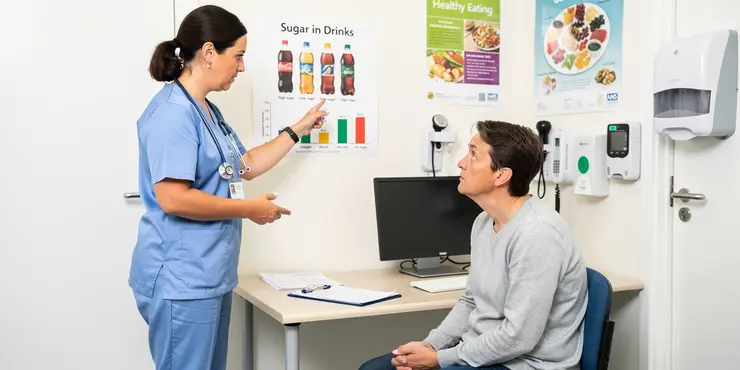
Has the sugar tax affected the sugar content in drinks?
Relevance: 28%
-
Can Super Flu cause a pandemic?
Relevance: 27%
-

Can Wegovy tablets be used for children?
Relevance: 27%
-

What condition does Wegovy treat?
Relevance: 26%
-
How important is the WHO for managing global pandemics?
Relevance: 25%
-

Childhood squint | NHS
Relevance: 24%
-

What is the sugar tax in the UK?
Relevance: 24%
-

What do the different BMI categories mean?
Relevance: 24%
-

What is the purpose of the sugar tax?
Relevance: 22%
-

Can Wegovy be used by children?
Relevance: 22%
-

Endometrial Cancer
Relevance: 22%
-

What are the long-term goals of the sugar tax?
Relevance: 22%
-

What causes asthma?
Relevance: 22%
-

Is BMI different for children and adults?
Relevance: 22%
-

How does the sugar tax align with public health strategies?
Relevance: 21%
-
The effective treatment of childhood constipation according to NICE guidelines.
Relevance: 21%
-

Are younger people being diagnosed with bowel cancer more frequently?
Relevance: 21%
Introduction
Recent studies have highlighted a concerning trend: childhood obesity rates in the UK have seen a significant increase following the COVID-19 pandemic. Various factors have contributed to this rise, posing a serious health challenge for the younger population. Understanding these trends is crucial for designing effective interventions and promoting healthier lifestyles among children.
Impact of the Pandemic on Lifestyle
During the pandemic, lockdown measures, including school closures and restrictions on outdoor activities, significantly altered children’s lifestyles. Many young people experienced increased screen time, decreased physical activity, and changes in eating habits. These behavioral shifts have contributed to higher body mass indices (BMIs) among children, as opportunities for regular exercise diminished and access to healthy food could sometimes be limited.
Study Findings
The study, conducted by a consortium of health institutions, analyzed data from a large cohort of children across various regions in the UK. It found that obesity rates, particularly in children aged 5 to 12, have increased by approximately 20% since 2020. Alarmingly, the highest increases were observed in disadvantaged communities, highlighting the disparities in health outcomes influenced by socioeconomic factors. The research points to a concerning trajectory if these issues are not addressed promptly.
Contributing Factors
Several factors have contributed to this alarming trend. First, the closure of schools meant the loss of structured physical education classes and school meals that are often more nutritious than meals prepared at home. Second, children spent more time indoors, leading to sedentary behavior. Third, stress and mental health challenges for families made it difficult to maintain healthy routines. Coupled with an increase in the consumption of convenience foods, these factors have fueled the rise in obesity rates.
Implications for Health
The increase in childhood obesity rates has significant long-term implications. Children who are overweight are at a higher risk of developing chronic conditions such as type 2 diabetes, heart disease, and various psychological issues. Additionally, overweight children often face social stigma, which can affect their emotional well-being and academic performance.
Steps Forward
Addressing the rise in childhood obesity requires a multi-faceted approach. Schools and communities need to work together to reintroduce physical activities and promote healthier food options. Public health campaigns can play a crucial role in educating families about the importance of balanced diets and physical exercise. Policymakers must also address social inequalities that contribute to health disparities, ensuring that all children have access to the resources they need to lead healthy lives.
Conclusion
The increase in childhood obesity rates post-pandemic presents a clear public health challenge in the UK. Proactive measures involving education, community support, and policy reform are essential to reversing this trend and ensuring a healthier future for the next generation. By understanding and addressing the underlying causes, society can help mitigate the impact of the pandemic on children’s health.
Introduction
More children in the UK are becoming overweight after the COVID-19 pandemic. This is a big problem for their health. We need to understand why this is happening so we can help children live healthier lives.
Impact of the Pandemic on Lifestyle
During COVID-19, many things changed. Schools closed and kids stayed at home more. They watched more TV and played fewer sports. Their eating habits also changed. This made many children gain weight because they couldn't exercise as much and sometimes didn't have healthy food.
Study Findings
A group of health experts studied many children across the UK. They found that more kids, especially those aged 5 to 12, are overweight now compared to before 2020. Children in poorer areas have been affected the most. This is a big problem that needs to be fixed soon.
Contributing Factors
There are several reasons why more children are gaining weight. First, no school meant no gym classes and fewer healthy lunches. Second, children stayed indoors more and didn't play outside. Third, families were stressed, which made it hard to eat well. Eating quick, unhealthy meals also made kids gain weight.
Implications for Health
Being overweight can cause health problems later, like diabetes and heart issues. It can also make kids feel sad or bullied. This can affect how they do in school and how they feel about themselves.
Steps Forward
To help kids be healthier, we need to do many things. Schools and communities should help kids eat better and play more sports. Health campaigns can teach families about good eating and exercise. Fair access to healthy food and exercise for all children is very important.
Conclusion
More kids are becoming overweight in the UK after the pandemic. We must work together to help kids stay healthy. By knowing what causes this problem, we can make things better for the next generation.
Frequently Asked Questions
What are the main causes of the increase in childhood obesity rates post-pandemic?
The main causes include reduced physical activity, increased screen time, unhealthy eating habits, and pandemic-related stress.
How does the pandemic contribute to the rise in childhood obesity?
The pandemic led to school closures, closure of sports facilities, increased screen time, and changes in eating patterns, contributing to less physical activity and weight gain.
What are the health risks associated with childhood obesity?
Health risks include type 2 diabetes, heart disease, high blood pressure, joint problems, and psychological issues like low self-esteem and depression.
How can parents help prevent childhood obesity in a post-pandemic world?
Parents can encourage regular physical activity, provide healthy meals, limit screen time, and promote a healthy lifestyle within the family.
What role do schools play in addressing childhood obesity?
Schools can promote physical education, provide healthy meal options, educate students on nutrition, and create an environment that supports active lifestyles.
Are there any specific age groups more affected by the rise in obesity rates?
Obesity rates have increased across all age groups, but recent studies show significant rises particularly among younger children during the pandemic.
How important is diet in managing childhood obesity?
Diet is crucial; balanced nutrition that includes fruits, vegetables, and whole grains while limiting sugar and processed foods can help manage and prevent obesity.
What community resources are available to help combat childhood obesity?
Community resources may include local health initiatives, sports programs, nutritional classes, and access to parks and recreational centers.
How does increased screen time affect childhood obesity?
Increased screen time often leads to sedentary behavior and is associated with poor dietary habits, contributing to weight gain and obesity.
What psychological impacts can childhood obesity have?
Childhood obesity can lead to low self-esteem, depression, and social isolation, impacting mental health and overall wellbeing.
How effective are government policies in addressing childhood obesity?
Government policies can be effective when they implement comprehensive strategies that include regulating food marketing, nutritional labeling, and funding for physical activity programs.
What role does family lifestyle play in childhood obesity?
Family lifestyle is critical as children often adopt the habits of their family. Active and healthy family lifestyles can prevent obesity.
Are there genetic factors that contribute to childhood obesity?
Yes, genetic factors can play a role in predisposition to obesity, but environmental and lifestyle factors are significant contributors as well.
How does socioeconomic status affect childhood obesity rates?
Lower socioeconomic status can limit access to healthy foods and opportunities for physical activity, increasing the risk of obesity.
What types of foods should be limited to prevent childhood obesity?
Foods high in sugar, saturated fats, and processed foods should be limited as they contribute to weight gain and poor health.
How can exercise be incorporated into a child's daily routine?
Exercise can be incorporated through play, sports, family activities, and reducing sedentary behaviors like screen time.
What are some fun activities to encourage children to be active?
Fun activities include biking, swimming, playing sports, hiking, dancing, and games that require physical movement.
What are the long-term consequences of childhood obesity if not addressed?
Long-term consequences can include chronic health conditions like diabetes, cardiovascular diseases, and continued obesity into adulthood.
How can healthcare providers support families in preventing childhood obesity?
Healthcare providers can offer guidance on nutrition and exercise, monitor growth patterns, and work with families to set achievable health goals.
What role do digital tools and apps play in managing childhood obesity?
Digital tools and apps can track activity, provide healthy eating tips, and offer motivational support to help manage and prevent obesity.
Why are more children getting overweight after the pandemic?
Let's look at why more kids are getting overweight.
- Children are spending more time watching screens. This means TV, phones, and computers.
- Many kids are not playing outside or doing sports as much.
- Some families are eating more fast food and sweets.
- Stress from the pandemic can also make kids eat more.
Here are some tips to help:
- Try to play games or sports outside every day.
- Eat fruits and vegetables with your meals.
- Limit screen time to a few hours each day.
- Talk to a friend or family member if you feel worried or stressed.
The main reasons are not moving enough, spending too much time on screens, eating unhealthy food, and feeling stressed because of the pandemic.
How does the pandemic make more children overweight?
The pandemic caused schools to close. Sports places had to shut down too. Kids used screens more, like TVs and tablets. Eating habits changed, which meant people moved less and gained weight.
What can happen if a child is too overweight?
When a child is very overweight, it can make them sick. These are some things that can happen:
- They might feel tired or have trouble breathing.
- They could have heart problems when they grow up.
- They may feel sad or worry a lot.
It's important to talk to a doctor if you're worried. They can help make a plan to get healthy.
To help understand better, use pictures or videos. These can make learning easier.
Health problems can be:
- Type 2 diabetes - This means your body has trouble using sugar for energy.
- Heart disease - This can make your heart not work as well.
- High blood pressure - This is when the blood in your body pushes too hard against the walls of your blood vessels.
- Joint problems - This can make moving your body hurt or be hard.
- Feeling sad or bad about yourself - You might feel like you are not good enough or feel down a lot.
Here’s what can help:
- Take breaks and stretch your body.
- Talk to someone you trust if you feel sad.
- Use tools like picture books or apps to learn more about health.
How can parents stop kids from becoming too overweight after the pandemic?
Parents can help their children stay healthy. Here are some simple ways:
- Help kids play outside more.
- Offer fruits and vegetables as snacks.
- Cook meals together at home.
- Limit time spent on screens like phones and tablets.
- Encourage your child to drink water instead of sugary drinks.
Here are some tips to make it easier:
- Make fun games when playing outside.
- Try new fruits and veggies together.
- Plan meals together and find simple recipes.
- Have screen-free times each day.
Using picture charts can be helpful. This can remind kids about activities and healthy food choices.
Parents can help their kids by doing these things: make sure they play and move around every day, give them healthy foods to eat, make sure they don’t watch too much TV or play on screens for too long, and teach them to live in a healthy way.
How can schools help kids be healthy and not get too much weight?
Schools can help kids be healthy. They can have fun sports and games. They can give healthy food. They can teach about good foods to eat. They can make it easy for kids to move and play.
Who is gaining weight more because of obesity?
More people of all ages are becoming very overweight. New studies show that a lot of young kids are getting heavier, especially during the pandemic.
How does food help with weight in kids?
Eating the right food is very important. Try to eat fruits, veggies, and whole grains. Don't eat too much sugar or junk food. This can help you stay healthy and not get too heavy.
What can help stop kids from getting too much weight?
Here are some things that can help:
- Sports Teams: Join a local sports team. Playing sports keeps you active and healthy.
- Fun Exercise Classes: Take fun classes like dance or swimming at a nearby community center.
- Healthy Cooking Lessons: Learn to make yummy, healthy foods with cooking classes.
- Walk or Bike: Go for a walk or ride your bike in your neighborhood with friends or family.
- Gardening Clubs: Join a community garden and learn how to grow your own fruits and vegetables.
Talk to a trusted adult if you need help finding these activities. They can help you join. Staying active and eating well is fun and good for you!
Community resources can help people stay healthy. These resources might be:
- Local health activities to promote well-being.
- Sports programs where people can play and have fun.
- Classes to learn about good food and eating well.
- Parks and centers where people can go to play and relax.
To understand these resources better, you can ask a family member for help, use pictures or videos, or join a group in your area.
How does more screen time make kids gain weight?
When kids spend more time looking at screens, like computers, TVs, or tablets, they might gain weight. This is because:
- They might not play outside as much and get less exercise.
- They might eat more snacks, like chips or sweets, while watching screens.
- They might see lots of ads for unhealthy foods.
Some things that can help are:
- Encourage kids to play outside or do fun activities.
- Have healthy snacks at home, like fruits or nuts.
- Set a timer to limit screen time to a few hours a day.
Spending a lot of time looking at screens, like TVs, phones, or computers, means people sit still for a long time. This can cause people to eat unhealthy foods, gain weight, and sometimes get too heavy.
How does being overweight as a child affect feelings and thoughts?
When kids are very overweight, it can make them feel bad about themselves. They might feel sad and not want to spend time with other kids. This can make them feel lonely and unhappy.
Do government rules help kids stay a healthy weight?
The government can help in three important ways:
- They can make rules about how food is advertised. This helps people make healthier choices.
- They can put clear labels on food packages. This helps people know what they are eating.
- They can give money to activities that help people move their bodies and stay healthy, like sports or exercise programs.
These actions can help everyone be healthier.
How does family lifestyle affect kids being overweight?
Family life is important because children copy what their family does. If a family is active and healthy, it can stop children from becoming too heavy.
Do genes make some kids gain more weight?
Yes, our genes can make us more likely to be overweight. But the way we live and our surroundings are also very important.
How does money and life situation affect child weight?
This question asks how having more or less money, and different living situations, can change how likely kids are to gain too much weight.
Simple Tips to Help:
- Make sure kids get healthy food like fruits and veggies.
- Help kids play and stay active every day.
- Talk about feelings and how to be happy and healthy.
- Use fun videos to learn about eating healthy and exercise.
If families don't have a lot of money, it can be harder for them to get healthy food and places to play and exercise. This can make them more likely to gain too much weight.
What foods should kids eat less to stay healthy?
Some foods are not very good for kids. Eating too much of these can cause kids to become overweight. It's good to eat less of these foods:
- Sugary drinks: Drinks with lots of sugar, like soda or sweet juices.
- Fast food: Foods like burgers, fries, and pizzas, especially from fast-food places.
- Sweets and candy: Chocolates, candies, and cookies.
- Cakes and pastries: Things like donuts, cakes, and muffins.
- Chips and snacks: Salty snacks like chips and crackers.
Instead, it's good to eat more fruits, vegetables, whole grains, and drink water. Try to cook at home when you can. It's also fun to move around and play every day!
Try not to eat too much sugar, fatty foods, and fast foods. Eating a lot of these can make you gain weight and feel unwell.
How can kids fit exercise into their day?
You can get exercise in fun ways. Try playing games, doing sports, or activities with your family. Spend less time sitting and looking at screens like TVs, computers, or phones.
What are some fun ways for kids to be active?
Fun things to do are riding a bike, swimming, playing sports, walking up hills, dancing, and playing games where you move around a lot.
What can happen if kids stay overweight for a long time?
Being overweight as a kid can cause problems later if it is not fixed. Here is what can happen:
- Health Problems: Kids can get sick easier, like with heart issues or diabetes.
- Feeling Sad: Kids might feel bad or be teased by others.
- Trouble Moving: Playing and being active can become hard.
Support tools that can help include:
- Talking to a doctor for advice.
- Finding fun ways to exercise.
- Eating more fruits and veggies.
These can help kids stay healthy and happy!
Getting sick for a long time can cause health problems like diabetes, heart problems, and staying overweight when you grow up.
How can doctors and nurses help families stop children from becoming too overweight?
Doctors and nurses can help with food and exercise ideas. They can check how you are growing and help your family set small, easy health goals.
How can digital tools and apps help manage childhood obesity?
Digital tools and apps can be used to help children with weight problems. They are like games or helpers on a phone or tablet.
Here are some ways they can help:
- They can track how much food a child eats.
- They can count the calories or help with healthy eating.
- They can suggest fun exercises or activities to stay active.
- They can give tips and rewards for reaching goals.
Some good tools and apps to try are Fitbit, MyFitnessPal, or Pokémon GO.
Remember to ask an adult for help when using apps!
Digital tools and apps can help you stay active, eat healthy, and feel motivated. They can help you manage your weight and stop obesity.

Useful Links
This website offers general information and is not a substitute for professional advice.
Always seek guidance from qualified professionals.
If you have any medical concerns or need urgent help, contact a healthcare professional or emergency services immediately.
Some of this content was generated with AI assistance. We've done our best to keep it accurate, helpful, and human-friendly.
- Ergsy carefully checks the information in the videos we provide here.
- Videos shown by Youtube after a video has completed, have NOT been reviewed by ERGSY.
- To view, click the arrow in centre of video.
- Most of the videos you find here will have subtitles and/or closed captions available.
- You may need to turn these on, and choose your preferred language.
- Go to the video you'd like to watch.
- If closed captions (CC) are available, settings will be visible on the bottom right of the video player.
- To turn on Captions, click settings.
- To turn off Captions, click settings again.
More Items From Ergsy search
-
Study Finds Alarming Increase in Childhood Obesity Rates Post-Pandemic
Relevance: 100%
-
What are the current statistics on childhood obesity in the UK?
Relevance: 78%
-
Is childhood obesity a concern in the United Kingdom?
Relevance: 73%
-
Is childhood obesity a concern in the United Kingdom?
Relevance: 72%
-
Obesity
Relevance: 59%
-
Is obesity more prevalent in certain regions of the UK?
Relevance: 58%
-
Are there any societal factors that contribute to obesity?
Relevance: 53%
-
Can genetics influence obesity?
Relevance: 52%
-
What impact has the sugar tax had on obesity rates?
Relevance: 51%
-
What health risks are associated with obesity?
Relevance: 50%
-
What causes obesity?
Relevance: 49%
-
How does obesity affect bowel cancer rates?
Relevance: 49%
-
How is obesity measured?
Relevance: 45%
-
How can obesity be prevented?
Relevance: 44%
-
What treatments are available for obesity?
Relevance: 44%
-
What is the impact of obesity on mental health?
Relevance: 44%
-
How important is physical activity in preventing obesity?
Relevance: 42%
-
What role does diet play in managing obesity?
Relevance: 41%
-
What role do sugary drinks play in obesity?
Relevance: 40%
-
Do weight loss jabs work for all types of obesity?
Relevance: 38%
-
Are UK's Post-Pandemic Work Habits Harming Mental Wellbeing?
Relevance: 33%
-
Healthy Family Lifestyle Tips Post-Pandemic
Relevance: 33%
-
Are UK's Post-Pandemic Work Habits Harming Mental Wellbeing?
Relevance: 32%
-
Has the sugar tax affected the sugar content in drinks?
Relevance: 28%
-
Can Super Flu cause a pandemic?
Relevance: 27%
-
Can Wegovy tablets be used for children?
Relevance: 27%
-
What condition does Wegovy treat?
Relevance: 26%
-
How important is the WHO for managing global pandemics?
Relevance: 25%
-
Childhood squint | NHS
Relevance: 24%
-
What is the sugar tax in the UK?
Relevance: 24%
-
What do the different BMI categories mean?
Relevance: 24%
-
What is the purpose of the sugar tax?
Relevance: 22%
-
Can Wegovy be used by children?
Relevance: 22%
-
Endometrial Cancer
Relevance: 22%
-
What are the long-term goals of the sugar tax?
Relevance: 22%
-
What causes asthma?
Relevance: 22%
-
Is BMI different for children and adults?
Relevance: 22%
-
How does the sugar tax align with public health strategies?
Relevance: 21%
-
The effective treatment of childhood constipation according to NICE guidelines.
Relevance: 21%
-
Are younger people being diagnosed with bowel cancer more frequently?
Relevance: 21%