
Speak To An Expert
Get clear, personalised advice for your situation.
Jot down a few questions to make the most of your conversation.
More Items From Ergsy search
-
Are there any risk factors that increase the need for cancer screening?
Relevance: 100%
-
Is genetic screening available for cancer risk?
Relevance: 83%
-
What is cancer screening?
Relevance: 78%
-
What are the risk factors for bowel cancer?
Relevance: 77%
-
What are the risks of prostate screening?
Relevance: 75%
-
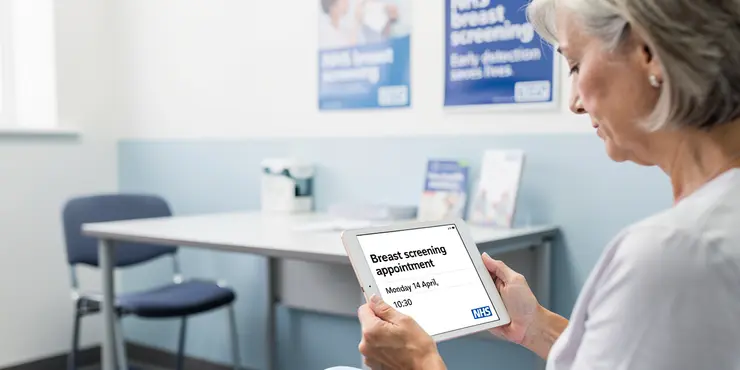
How often should I get screened for breast cancer?
Relevance: 74%
-
What factors increase my risk of colorectal cancer?
Relevance: 73%
-
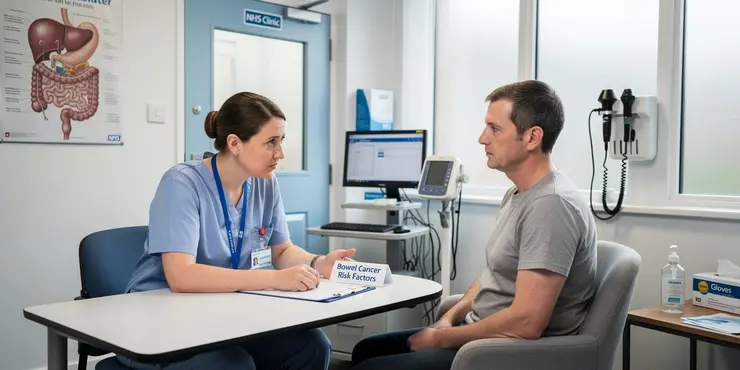
What factors are contributing to the increase in bowel cancer cases?
Relevance: 73%
-
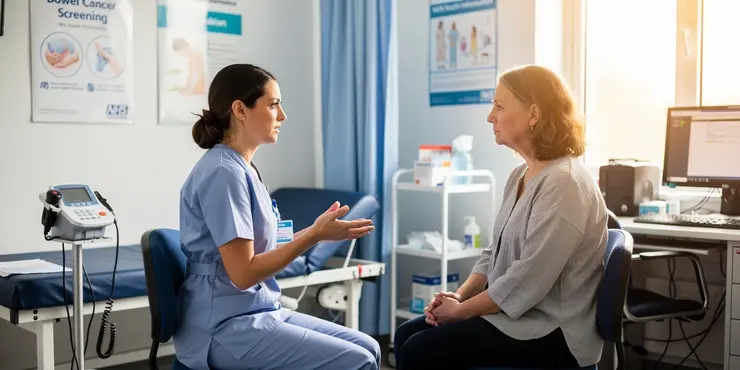
What kinds of cancer screening are available?
Relevance: 73%
-
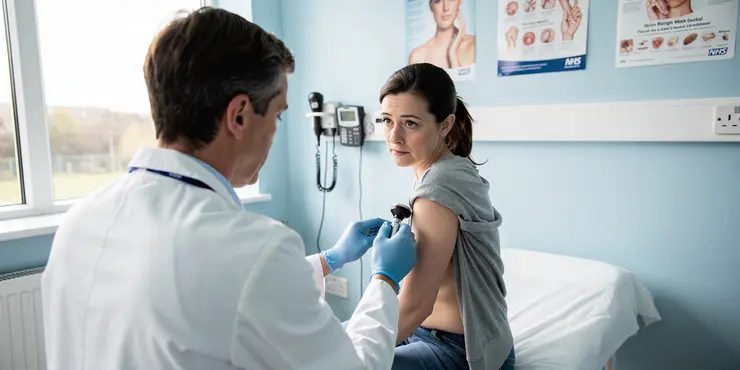
What is a skin cancer screening?
Relevance: 72%

-
When should cervical cancer screening begin?
Relevance: 70%
-
NHS breast cancer screening
Relevance: 70%
-
Am I more at risk of prostate cancer?
Relevance: 69%
-
What are the recommendations for colorectal cancer screening?
Relevance: 69%
-
How does family history affect the risk of bowel cancer?
Relevance: 68%
-
What is prostate screening?
Relevance: 68%
-

Are there risks associated with home colorectal cancer tests?
Relevance: 68%
-
Can lifestyle changes impact the efficacy of cancer screening?
Relevance: 68%
-
Who should consider prostate screening?
Relevance: 67%
-
How does increased screening impact bowel cancer statistics?
Relevance: 66%
-
NHSGGC - Cervical Cancer Screening - English
Relevance: 66%
-
AI Breast Cancer Screening in the UK
Relevance: 66%
-
Why is there a surge in bowel cancer?
Relevance: 64%
-
How common is bowel cancer?
Relevance: 64%
-
Can robots perform lung cancer screenings?
Relevance: 64%
-
What is colorectal cancer?
Relevance: 63%
-
Bowel cancer screening: Alan Titchmarsh and Tommy Walsh | NHS
Relevance: 63%
-
How do I apply for prostate screening?
Relevance: 62%
-
Are there alternatives to traditional prostate screening?
Relevance: 62%
-
What lifestyle changes can help lower the risk of bowel cancer?
Relevance: 61%
-
What is Bowel Cancer?
Relevance: 61%
-
Are younger people being diagnosed with bowel cancer more frequently?
Relevance: 61%
-
Can bowel cancer be prevented?
Relevance: 60%
-
What is the difference between colon cancer and rectal cancer?
Relevance: 60%
-
Who is at risk for testicular cancer?
Relevance: 59%
-

What lifestyle changes can help lower my risk of prostate cancer?
Relevance: 59%
-
Can I walk into a clinic for prostate screening?
Relevance: 59%
-
Can lifestyle changes help reduce bowel cancer risk?
Relevance: 59%
-
Prostate cancer symptoms - detecting them early
Relevance: 58%
-
Are there any risks associated with mammograms?
Relevance: 58%
Understanding Cancer Screening Risk Factors
Cancer screening is an essential preventive measure to detect cancer at an early stage when it is most treatable. However, not everyone has the same level of risk for developing cancer. Various factors can increase the likelihood of cancer, necessitating more frequent or earlier screening. Understanding these risk factors can help individuals and healthcare providers make informed decisions about cancer screening.
Age-related Risks
Age is a significant risk factor for many types of cancer. As people age, the likelihood of developing cancer increases. For instance, women over 50 are at higher risk for breast cancer, which is why routine mammograms are recommended for this age group. Similarly, the risk of prostate cancer increases for men over 50.
Family History and Genetics
A family history of certain cancers can elevate an individual's risk. Genetic factors, such as mutations in the BRCA1 and BRCA2 genes, notably increase the risk of breast and ovarian cancer. People with a strong family history of cancer might benefit from genetic counseling and may be advised to start screening at a younger age or undergo more frequent testing.
Lifestyle Factors
Several lifestyle factors can influence cancer risk. Smoking is a well-known risk factor for lung cancer, as well as many other types of cancer. Excessive alcohol consumption, poor diet, physical inactivity, and obesity are linked to increased risks of various cancers, including liver, colorectal, and breast cancer. Addressing these lifestyle factors can often reduce cancer risk and may alter the recommended screening frequency.
Environmental Exposures
Exposure to certain environmental substances can increase cancer risk. Long-term exposure to asbestos is known to raise the risk of mesothelioma, a type of lung cancer. Similarly, prolonged exposure to harmful UV rays from the sun can lead to skin cancer. Those with significant exposure to these or other carcinogens may benefit from more vigilant screening protocols.
Medical Conditions
Certain medical conditions and treatments can predispose individuals to cancer. For example, chronic inflammatory diseases such as ulcerative colitis can increase the risk of colorectal cancer. Additionally, some treatments for other diseases, like radiation therapy, may increase the risk of developing a second type of cancer.
In conclusion, understanding the risk factors associated with cancer is crucial for determining appropriate screening strategies. Individuals with increased risk should consult with healthcare professionals to develop personalized screening plans that consider their unique risk profiles.
Understanding Cancer Screening Risk Factors
Cancer screening helps find cancer early, when treatments work best. Some people have higher chances of getting cancer. This means they might need to have tests earlier or more often. Knowing these risk factors helps people and doctors decide on the best screening plans.
Age-related Risks
Getting older can make the risk of cancer higher. For example, women over 50 should get mammograms to check for breast cancer. Men over 50 have a higher risk of prostate cancer too.
Family History and Genetics
If cancer runs in your family, your risk might be higher. Some genes, like BRCA1 and BRCA2, can make breast and ovarian cancer more likely. People with family members who had cancer could start tests earlier or have them more often. Talking to a genetic counselor can help.
Lifestyle Factors
How you live can affect cancer risk. Smoking is a big risk for lung cancer. Drinking too much alcohol, eating poorly, not exercising, and being overweight can raise the risk for cancers like liver, colon, and breast cancer. Changing these habits can lower risk and change how often you need screening.
Environmental Exposures
Some things in the environment can increase cancer risk. Being around asbestos for a long time can cause lung cancer. Spending too much time in the sun without protection can cause skin cancer. People exposed to these dangers may need more regular screening.
Medical Conditions
Some health problems and treatments can increase cancer risk. For instance, ulcerative colitis can raise the chance of colon cancer. Certain treatments, like radiation, might lead to other cancers later.
In summary, knowing what increases cancer risk helps with planning screenings. People with higher risk should talk to doctors to create a screening plan that fits them.
Frequently Asked Questions
What are risk factors in cancer screening?
Risk factors in cancer screening are characteristics or conditions that increase the likelihood of developing cancer and may necessitate earlier or more frequent screening.
Does age affect cancer screening needs?
Yes, older age is a significant risk factor for many types of cancer, and screening recommendations often vary based on age.
How does family history influence cancer screening?
A family history of certain cancers can increase individual risk, leading to recommendations for earlier or more frequent screenings.
Are there genetic factors that necessitate increased cancer screening?
Yes, genetic mutations like BRCA1 and BRCA2 can significantly increase cancer risk and may require additional screening.
Do lifestyle factors affect cancer screening recommendations?
Yes, lifestyle factors such as smoking, alcohol use, and diet can increase cancer risk, potentially altering the necessity for screening.
Does having a previous cancer diagnosis influence screening needs?
Individuals with a history of cancer may need more frequent screenings to monitor for recurrence or secondary cancers.
How do environmental exposures impact cancer screening?
Exposure to certain environmental factors, like radiation or industrial chemicals, can increase cancer risk and may prompt more frequent screenings.
Can chronic health conditions elevate the need for cancer screening?
Yes, conditions like inflammatory bowel disease can increase cancer risk, altering screening guidelines.
Is obesity a factor in increased cancer screening?
Obesity is a risk factor for several types of cancer, which might necessitate closer monitoring through screenings.
Does gender play a role in cancer screening necessity?
Certain cancers are gender-specific, such as prostate cancer in men and breast cancer in women, influencing screening recommendations.
How does reproductive history affect cancer screening?
Reproductive factors, such as age at first menstruation or childbirth, can influence the risk of certain cancers and screening guidelines.
Can diet increase the need for cancer screening?
A diet high in processed meats and low in fruits and vegetables has been linked to higher cancer risk, potentially affecting screening frequency.
Does race or ethnicity influence cancer screening recommendations?
Some racial and ethnic groups have higher incidences of certain cancers, which may lead to different screening protocols.
How does smoking status impact cancer screening needs?
Smoking is a significant risk factor for many cancers, particularly lung cancer, requiring specific screening protocols.
Is alcohol consumption relevant for cancer screening?
Heavy alcohol consumption is a risk factor for several cancers and may lead to earlier or more frequent screening.
Do hormonal treatments affect cancer screening?
Hormonal treatments, such as hormone replacement therapy, can impact cancer risk and screening recommendations.
How does viral infection history influence cancer screening?
Infections with viruses like HPV or hepatitis can increase cancer risk, affecting the need for specific screenings.
Does occupational exposure influence the need for cancer screening?
Certain occupations that expose individuals to known carcinogens may require more frequent cancer screenings.
Is there an increased need for cancer screening in immunocompromised individuals?
Immunocompromised individuals may have a higher risk of certain cancers, necessitating adjusted screening practices.
Can previous radiation therapy affect future cancer screening?
Prior exposure to radiation therapy can increase cancer risk in treated areas, potentially altering screening frequency.
What Things Make Cancer Screening Risky?
Risk factors are things that make it more likely for someone to get cancer. If you have risk factors, you might need to start checking for cancer earlier or do it more often.
Does age change when you need cancer checks?
Yes, being older can make it more likely to get cancer. Doctors check for cancer in older people more often because of this.
How does family history affect cancer checks?
If your family has had certain types of cancers, you might have a higher chance of getting cancer too. Because of this, doctors might suggest you start getting checked for cancer earlier or do the checks more often.
Do genes mean you need more cancer check-ups?
Yes, changes in genes called BRCA1 and BRCA2 can raise the chance of getting cancer. People with these changes may need extra health check-ups.
Do the way we live change when you should get checked for cancer?
Yes, some things we do in life can make it easier to get cancer. These things include smoking, drinking alcohol, and what we eat. Doing these things might mean we need to go to the doctor to check for cancer.
Do you need different check-ups if you had cancer before?
People who had cancer before might need to see the doctor more often. This is to check if the cancer comes back or if they get a new cancer.
How does the environment affect cancer tests?
Being around some things, like radiation or strong chemicals, can make it more likely for a person to get cancer. This means they might need to see the doctor more often to check for cancer.
Do long-term health problems mean you might need more cancer tests?
Yes, some illnesses like inflammatory bowel disease can make it more likely to get cancer. This can change when and how doctors check for cancer.
Does being very overweight mean more cancer checks?
Being very overweight can make it easier to get some kinds of cancer. You might need more check-ups to make sure you're healthy.
Do boys and girls need cancer check-ups for different reasons?
Some cancers affect only men or only women. For example, prostate cancer affects men, and breast cancer mostly affects women. This means that doctors give different advice on how to check for these cancers.
How Do Having Babies or Not Having Babies Affect Cancer Tests?
Sometimes, having babies or not having babies can change how often you need to get checked for cancer.
Tools like picture cards or drawings can help understand this better.
Things about having babies and periods can change the chances of getting some cancers. It can also change when you should go for cancer check-ups.
Can what we eat mean we need more checks for cancer?
Eating too much meat that is made in factories and not enough fruits and vegetables can make you more likely to get cancer. This means you might need to have check-ups more often.
Do doctors give different cancer checks to people of different races or backgrounds?
Some groups of people get certain types of cancer more often. This means they might need different types of health checks.
How does smoking affect cancer check-ups?
Do you smoke? This can change how often you need to get checked for cancer. Smoking can hurt your body and might make you need special cancer tests.
If you smoke, it's important to talk to a doctor. They can help you know when and how often you need these tests. It's good to ask questions if you don't understand. You can also use pictures or videos to learn more. They make it easier to remember.
Smoking is very harmful. It can make people very sick with diseases like cancer. Smoking can especially hurt the lungs and can cause lung cancer. People who smoke may need special health checks to see if they are okay.
Is drinking alcohol linked to cancer checks?
Does drinking alcohol matter when you have a cancer test?
If you want help to read, try using pictures or asking someone to read with you.
Drinking lots of alcohol can be bad for your health. It can make it more likely for you to get some types of cancer. This means you might need to see a doctor for check-ups more often.
Do hormone treatments change cancer tests?
Some medicines called hormone treatments can change the way doctors do cancer tests. It is important to ask your doctor if the medicine affects the test.
Here are some tips to help:
- Ask questions when you see your doctor. It is okay to ask if you do not understand.
- Take notes or have someone with you to remember what the doctor says.
- Use things like drawings or pictures to help understand more.
Hormone treatments, like taking extra hormones, can change your chance of getting cancer. They can also change when you should have cancer checks.
How do past sicknesses from viruses affect cancer checks?
If you were sick from viruses before, it might change when or how doctors check for cancer.
The doctor might look at your past health to decide the best way to do the check.
To help understand, use a picture book or ask someone to explain.
Viruses like HPV or hepatitis can make it more likely to get cancer. This means you might need special check-ups.
Does your job affect if you need cancer check-ups?
Some jobs can put people in contact with things that cause cancer. People with these jobs might need to have cancer check-ups more often.
Do people with weak immune systems need more cancer check-ups?
Some people have weak immune systems which means their bodies are not as strong at fighting sickness.
It's important for these people to have regular cancer check-ups. These check-ups can find cancer early, which makes it easier to treat.
Here are some helpful tips:
- Ask your doctor about when to have check-ups.
- Keep a list of when your check-ups are so you don't forget.
- Bring a friend or family member to appointments for support.
Some people get sick easily because their bodies can't fight germs very well. These people need special check-ups to look for cancer. This helps find cancer early when it can be treated better.
Will radiation therapy I had before change my future cancer checks?
Getting radiation therapy before can make cancer more likely in those areas. This might mean having cancer checks more often.

Useful Links
This website offers general information and is not a substitute for professional advice.
Always seek guidance from qualified professionals.
If you have any medical concerns or need urgent help, contact a healthcare professional or emergency services immediately.
Some of this content was generated with AI assistance. We've done our best to keep it accurate, helpful, and human-friendly.
- Ergsy carefully checks the information in the videos we provide here.
- Videos shown by Youtube after a video has completed, have NOT been reviewed by ERGSY.
- To view, click the arrow in centre of video.
- Most of the videos you find here will have subtitles and/or closed captions available.
- You may need to turn these on, and choose your preferred language.
- Go to the video you'd like to watch.
- If closed captions (CC) are available, settings will be visible on the bottom right of the video player.
- To turn on Captions, click settings.
- To turn off Captions, click settings again.
More Items From Ergsy search
-
Are there any risk factors that increase the need for cancer screening?
Relevance: 100%
-
Is genetic screening available for cancer risk?
Relevance: 83%
-
What is cancer screening?
Relevance: 78%
-
What are the risk factors for bowel cancer?
Relevance: 77%
-
What are the risks of prostate screening?
Relevance: 75%
-
How often should I get screened for breast cancer?
Relevance: 74%
-
What factors increase my risk of colorectal cancer?
Relevance: 73%
-
What factors are contributing to the increase in bowel cancer cases?
Relevance: 73%
-
What kinds of cancer screening are available?
Relevance: 73%
-
What is a skin cancer screening?
Relevance: 72%
-
When should cervical cancer screening begin?
Relevance: 70%
-
NHS breast cancer screening
Relevance: 70%
-
Am I more at risk of prostate cancer?
Relevance: 69%
-
What are the recommendations for colorectal cancer screening?
Relevance: 69%
-
How does family history affect the risk of bowel cancer?
Relevance: 68%
-
What is prostate screening?
Relevance: 68%
-
Are there risks associated with home colorectal cancer tests?
Relevance: 68%
-
Can lifestyle changes impact the efficacy of cancer screening?
Relevance: 68%
-
Who should consider prostate screening?
Relevance: 67%
-
How does increased screening impact bowel cancer statistics?
Relevance: 66%
-
NHSGGC - Cervical Cancer Screening - English
Relevance: 66%
-
AI Breast Cancer Screening in the UK
Relevance: 66%
-
Why is there a surge in bowel cancer?
Relevance: 64%
-
How common is bowel cancer?
Relevance: 64%
-
Can robots perform lung cancer screenings?
Relevance: 64%
-
What is colorectal cancer?
Relevance: 63%
-
Bowel cancer screening: Alan Titchmarsh and Tommy Walsh | NHS
Relevance: 63%
-
How do I apply for prostate screening?
Relevance: 62%
-
Are there alternatives to traditional prostate screening?
Relevance: 62%
-
What lifestyle changes can help lower the risk of bowel cancer?
Relevance: 61%
-
What is Bowel Cancer?
Relevance: 61%
-
Are younger people being diagnosed with bowel cancer more frequently?
Relevance: 61%
-
Can bowel cancer be prevented?
Relevance: 60%
-
What is the difference between colon cancer and rectal cancer?
Relevance: 60%
-
Who is at risk for testicular cancer?
Relevance: 59%
-
What lifestyle changes can help lower my risk of prostate cancer?
Relevance: 59%
-
Can I walk into a clinic for prostate screening?
Relevance: 59%
-
Can lifestyle changes help reduce bowel cancer risk?
Relevance: 59%
-
Prostate cancer symptoms - detecting them early
Relevance: 58%
-
Are there any risks associated with mammograms?
Relevance: 58%