

Speak To An Expert
Get clear, personalised advice for your situation.
Jot down a few questions to make the most of your conversation.
More Items From Ergsy search
-

What legal actions can be taken against unsolicited callers or texters?
Relevance: 100%
-

Can I take legal action myself against unsolicited texters?
Relevance: 98%
-

What is an unsolicited text or phone call?
Relevance: 92%
-

Can I block future unsolicited calls or texts?
Relevance: 85%
-

How can I complain against unsolicited texts and phone calls?
Relevance: 84%
-

How can I stop receiving unsolicited texts or phone calls?
Relevance: 77%
-

Is there a specific organization for complaints about unsolicited communications?
Relevance: 71%
-

What technology can help me manage unsolicited texts and calls?
Relevance: 71%
-

Can unsolicited calls or texts be traced?
Relevance: 70%
-

Why am I receiving unsolicited texts or calls?
Relevance: 68%

-
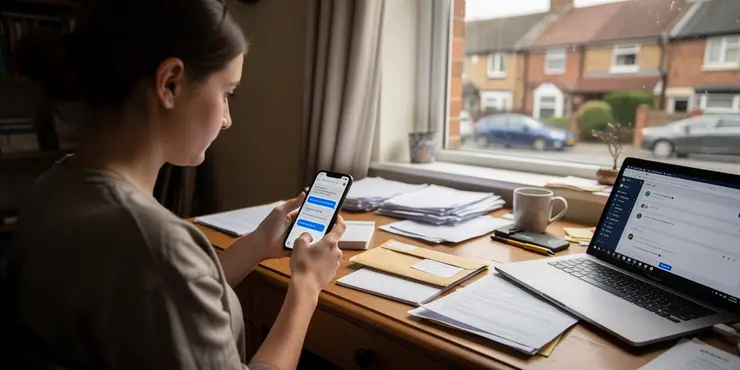
How do I report unsolicited texts or calls to my phone carrier?
Relevance: 66%
-

Is there a difference between spam and unsolicited messages?
Relevance: 65%
-

Will reporting complaints stop all unsolicited contacts?
Relevance: 55%
-

Can I complain to a government agency about unsolicited contacts?
Relevance: 54%
-

Are unsolicited emails about weight loss drugs a warning sign?
Relevance: 44%
-

What if the same number repeatedly contacts me despite blocking?
Relevance: 42%
-

What should I do if I receive a suspicious phone call?
Relevance: 37%
-

Don't Click On That Email (SPAM & SCAMS)
Relevance: 34%
-

What is the do-not-call registry?
Relevance: 32%
-
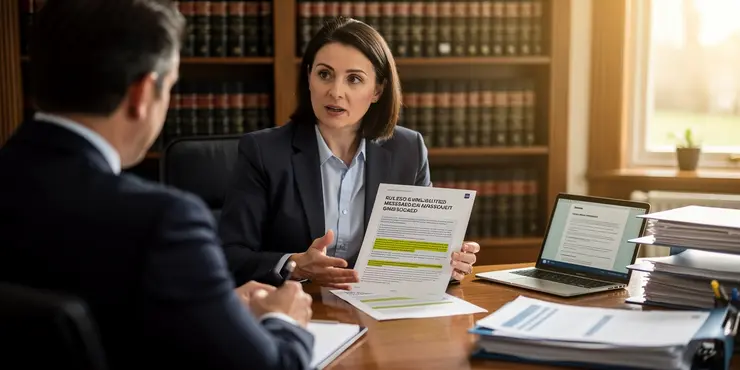
Are there any penalties for sending unsolicited messages?
Relevance: 27%
-

What should a mother do if harassed for breastfeeding in public?
Relevance: 27%
-

How do scammers trick victims over the phone?
Relevance: 25%
-
How can I deal with phone phishing scams?
Relevance: 23%
-

What is a grandparent scam?
Relevance: 22%
-

Why does my email appear to be sending spam?
Relevance: 21%
-
What evidence should I gather if I plan to seek legal action?
Relevance: 21%
-

What does it mean if my friends receive spammy messages from my account?
Relevance: 20%
-

Does the ICO have the power to take action against my neighbour?
Relevance: 20%
-

How do governments ensure compliance with wealth tax laws?
Relevance: 19%
-

What is an unsolicited text or phone call?
Relevance: 17%
-

How can I ensure my solution is within legal boundaries?
Relevance: 17%
-

Are the refunds part of a regulatory action?
Relevance: 17%
-

What should I do if I suspect a scam?
Relevance: 17%
-

Crypto Scams Exposed - Protect Your Investments Now!
Relevance: 17%
-

Can unexpected calendar events be a sign of a hacked email?
Relevance: 16%
-

Does the HMRC Employer Bulletin provide guidance on compliance?
Relevance: 16%
-

Common Scams to Avoid in 2025 (And How to Outsmart Them!) | Stay Safe Online
Relevance: 16%
-

What legal obligations do directors have during a dispute?
Relevance: 16%
-

What are tech support scams?
Relevance: 16%
-

What is the IRS scam?
Relevance: 16%
Understanding Unsolicited Communications
Many individuals in the UK receive unwanted calls or text messages, often termed as "unsolicited communications." These messages can be a nuisance and, in some cases, may breach privacy laws.
Unsolicited communications often come from businesses or individuals marketing products or services. Such actions are typically covered under regulations set to protect consumer privacy.
Data Protection Act and Privacy Regulations
The Data Protection Act 2018 and the UK's Privacy and Electronic Communications Regulations (PECR) are key laws in this domain. They provide guidelines on how organizations should handle personal data.
Under these regulations, companies must have an individual's consent before sending marketing texts or making calls. Failure to comply can result in legal action and significant fines.
Regulatory Bodies and Their Roles
The Information Commissioner's Office (ICO) is the UK's data protection authority. It has the power to enforce rules and fine companies that violate privacy regulations.
Individuals can lodge complaints with the ICO if they believe they've received unsolicited communications. The ICO investigates such complaints and can take actions against offending companies.
Steps to Report Unsolicited Calls or Texts
If you receive an unsolicited call or text, you can first try contacting the company to withdraw consent. Keeping records of such communications can be useful.
Should the problem persist, you can file a complaint with the ICO. The online tool on the ICO's website simplifies the complaint submission process.
Telephone Preference Service (TPS)
The Telephone Preference Service (TPS) is a free service that allows individuals to opt-out of marketing calls. Registering with TPS is an effective way to reduce unwanted calls.
Once registered, telemarketers should not contact you unless you have given explicit consent to do so. Violations of TPS entries can result in fines for the offending companies.
Possible Legal Recourse
Persistent unsolicited messages can constitute harassment under UK law. Individuals may seek legal advice if they feel harassed by repeated communications.
Depending on the severity, individuals can pursue legal action and may be entitled to compensation for distress caused by unlawful communications.
Conclusion
Unwanted marketing calls or messages can be intrusive and unwanted. Understanding your rights and the legal frameworks in place can help address such issues effectively.
By taking the appropriate steps, such as registering with the TPS and reporting to the ICO, individuals can assert their rights and reduce the occurrence of unsolicited communications.
Frequently Asked Questions
What laws protect against unsolicited calls and texts?
The Telephone Consumer Protection Act (TCPA) and the CAN-SPAM Act regulate telemarketing and protect against unwanted calls and texts in the United States.
Can I sue unsolicited callers or texters?
Yes, under the TCPA, you can sue for receiving unwanted calls and texts, and you may be entitled to statutory damages per violation.
What is the Telephone Consumer Protection Act (TCPA)?
The TCPA is a federal law that restricts telemarketing calls, automatic dialing systems, prerecorded voice messages, SMS text messages, and fax machines.
How can I report unwanted calls or texts?
You can report unwanted calls or texts to the Federal Trade Commission (FTC) or the Federal Communications Commission (FCC).
What evidence do I need to take legal action against unsolicited calls?
You need to document the calls/texts, including dates, times, caller ID numbers, and content of the messages.
Can I block unwanted calls or texts?
Yes, most phones have features to block calls and texts, and there are call-blocking apps available as well.
What are statutory damages under the TCPA?
The TCPA allows for statutory damages of $500 per violation, which may increase to $1,500 if the violation was willful.
What is a robocall?
A robocall is an automated telephone call that delivers a recorded message, typically used for telemarketing purposes.
How does the National Do Not Call Registry work?
The National Do Not Call Registry allows people to opt out of telemarketing calls. Telemarketers must update their lists every 31 days to remove registered numbers.
Can I receive compensation for unwanted text messages?
Yes, under the TCPA, you may be entitled to compensation for unsolicited text messages.
Are there any exceptions to the TCPA?
Yes, some exceptions include calls from political organizations, charities, and telephone surveyors.
What should I do if I keep receiving calls from the same number?
You can file a complaint with the FTC or FCC and consider taking legal action if the calls violate the TCPA.
Are text messages covered by the TCPA?
Yes, the TCPA covers unsolicited text messages, treating them like calls under the regulations.
What constitutes a violation of the TCPA?
A violation occurs when telemarketers use automatic dialing systems to call or text without obtaining prior express consent from the recipient.
How effective is filing a complaint with the FCC?
Filing a complaint with the FCC can help enforce regulations and prevent further unsolicited communications.
What types of calls are illegal under the TCPA?
Calls using automated dialing systems or prerecorded voices for telemarketing without explicit consent are illegal under the TCPA.
Can businesses call existing customers under the TCPA?
Yes, businesses can call existing customers but must honor requests to stop calls and comply with other TCPA provisions.
What is prior express consent?
Prior express consent is when an individual has given permission for a business to call or text them, often by providing their phone number voluntarily.
Can I take legal action if I'm on the Do Not Call Registry and still receive calls?
Yes, being on the Do Not Call Registry strengthens your case for legal action if you continue to receive unsolicited telemarketing calls.
How long does the legal process take for TCPA violations?
The length of the legal process can vary, but TCPA claims can often be resolved faster than some other types of litigation, particularly if it's settled out of court.

Useful Links
This website offers general information and is not a substitute for professional advice.
Always seek guidance from qualified professionals.
If you have any medical concerns or need urgent help, contact a healthcare professional or emergency services immediately.
Some of this content was generated with AI assistance. We've done our best to keep it accurate, helpful, and human-friendly.
- Ergsy carefully checks the information in the videos we provide here.
- Videos shown by Youtube after a video has completed, have NOT been reviewed by ERGSY.
- To view, click the arrow in centre of video.
- Most of the videos you find here will have subtitles and/or closed captions available.
- You may need to turn these on, and choose your preferred language.
- Go to the video you'd like to watch.
- If closed captions (CC) are available, settings will be visible on the bottom right of the video player.
- To turn on Captions, click settings.
- To turn off Captions, click settings again.
More Items From Ergsy search
-
What legal actions can be taken against unsolicited callers or texters?
Relevance: 100%
-
Can I take legal action myself against unsolicited texters?
Relevance: 98%
-
What is an unsolicited text or phone call?
Relevance: 92%
-
Can I block future unsolicited calls or texts?
Relevance: 85%
-
How can I complain against unsolicited texts and phone calls?
Relevance: 84%
-
How can I stop receiving unsolicited texts or phone calls?
Relevance: 77%
-
Is there a specific organization for complaints about unsolicited communications?
Relevance: 71%
-
What technology can help me manage unsolicited texts and calls?
Relevance: 71%
-
Can unsolicited calls or texts be traced?
Relevance: 70%
-
Why am I receiving unsolicited texts or calls?
Relevance: 68%
-
How do I report unsolicited texts or calls to my phone carrier?
Relevance: 66%
-
Is there a difference between spam and unsolicited messages?
Relevance: 65%
-
Will reporting complaints stop all unsolicited contacts?
Relevance: 55%
-
Can I complain to a government agency about unsolicited contacts?
Relevance: 54%
-
Are unsolicited emails about weight loss drugs a warning sign?
Relevance: 44%
-
What if the same number repeatedly contacts me despite blocking?
Relevance: 42%
-
What should I do if I receive a suspicious phone call?
Relevance: 37%
-
Don't Click On That Email (SPAM & SCAMS)
Relevance: 34%
-
What is the do-not-call registry?
Relevance: 32%
-
Are there any penalties for sending unsolicited messages?
Relevance: 27%
-
What should a mother do if harassed for breastfeeding in public?
Relevance: 27%
-
How do scammers trick victims over the phone?
Relevance: 25%
-
How can I deal with phone phishing scams?
Relevance: 23%
-
What is a grandparent scam?
Relevance: 22%
-
Why does my email appear to be sending spam?
Relevance: 21%
-
What evidence should I gather if I plan to seek legal action?
Relevance: 21%
-
What does it mean if my friends receive spammy messages from my account?
Relevance: 20%
-
Does the ICO have the power to take action against my neighbour?
Relevance: 20%
-
How do governments ensure compliance with wealth tax laws?
Relevance: 19%
-
What is an unsolicited text or phone call?
Relevance: 17%
-
How can I ensure my solution is within legal boundaries?
Relevance: 17%
-
Are the refunds part of a regulatory action?
Relevance: 17%
-
What should I do if I suspect a scam?
Relevance: 17%
-
Crypto Scams Exposed - Protect Your Investments Now!
Relevance: 17%
-
Can unexpected calendar events be a sign of a hacked email?
Relevance: 16%
-
Does the HMRC Employer Bulletin provide guidance on compliance?
Relevance: 16%
-
Common Scams to Avoid in 2025 (And How to Outsmart Them!) | Stay Safe Online
Relevance: 16%
-
What legal obligations do directors have during a dispute?
Relevance: 16%
-
What are tech support scams?
Relevance: 16%
-
What is the IRS scam?
Relevance: 16%