

Speak To An Expert
Get clear, personalised advice for your situation.
Jot down a few questions to make the most of your conversation.
More Items From Ergsy search
-

Will opting out affect my care?
Relevance: 100%
-

What is the NHS National Data Opt-Out?
Relevance: 52%
-

Does the NHS sell my patient data or medical records?
Relevance: 50%
-

Do all UK firefighters automatically join a pension scheme?
Relevance: 44%
-

Should I consider the fat content when eating out?
Relevance: 42%
-

How can I opt out of my data being shared?
Relevance: 36%
-

How can I discuss menopause symptoms with my healthcare provider?
Relevance: 35%
-

Will I need to fill out forms before the visit?
Relevance: 33%
-

Can my identifiable NHS data be shared without my permission?
Relevance: 33%
-

What healthcare policies should support workers be aware of?
Relevance: 32%

-

Should I throw away rice that's been left out overnight?
Relevance: 32%
-

What is the role of healthcare professionals in supporting carers?
Relevance: 31%
-
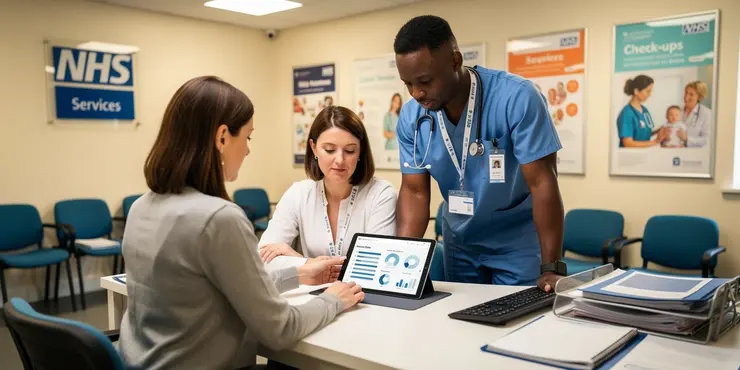
Does sharing data improve healthcare?
Relevance: 31%
-
Will mosquito screens block out light or air?
Relevance: 30%
-

How do I find out where they are incarcerated?
Relevance: 29%
-

Can I find operation waiting times in healthcare performance reports?
Relevance: 29%
-

Can carers of Alzheimer's patients access in-home healthcare services?
Relevance: 28%
-

What should I tell my healthcare provider before starting Wegovy?
Relevance: 28%
-

Can a landlord lock me out or remove my belongings to evict me?
Relevance: 28%
-
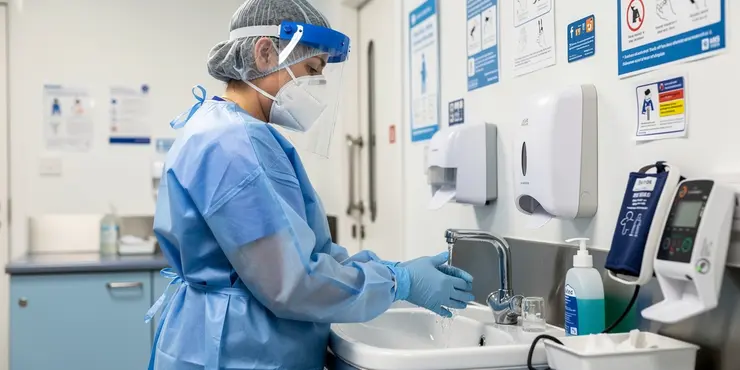
How can healthcare workers protect themselves from Marburg virus infection?
Relevance: 27%
-
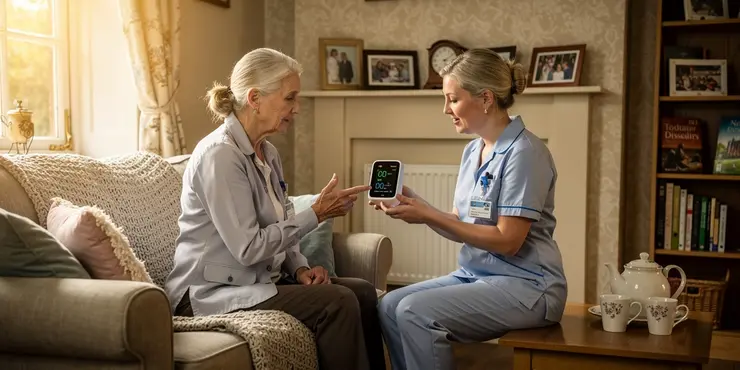
How do virtual wards differ from traditional home healthcare?
Relevance: 27%
-

When do I find out about my cell assignment?
Relevance: 27%
-

How can I balance my salt intake when eating out?
Relevance: 27%
-

How long do I have to move out after receiving an eviction notice?
Relevance: 27%
-

Is it necessary to consult a healthcare professional before purchasing weight loss drugs?
Relevance: 27%
-

How can I find out my specific state pension age?
Relevance: 27%
-
Is my healthcare provider obligated to correct errors in my medical records?
Relevance: 27%
-

Can a healthcare provider share my medical records with other providers?
Relevance: 27%
-

How do AI and robotic systems improve the workflow in healthcare settings?
Relevance: 26%
-

Will accessing my medical records affect my relationship with my healthcare provider?
Relevance: 26%
-

When is the Winter Fuel Payment paid out?
Relevance: 26%
-

How can I find out if my medical data has been leaked?
Relevance: 26%
-
What is cervical screening (smear test)?
Relevance: 26%
-

Answering NHS Pension Questions | Opting-Out | How to Claim | Moving Abroad etc.
Relevance: 25%
-

Should I consult a healthcare provider before starting collagen supplements?
Relevance: 25%
-
How can healthcare providers prevent the spread of flesh-eating bacteria in hospitals?
Relevance: 24%
-
Is there a national database for checking waiting times for surgeries?
Relevance: 24%
-

The Most Dangerous Crypto Scam: Victims Speak Out
Relevance: 24%
-
How can I find out if my data was part of a breach?
Relevance: 24%
-

Finding out about Fibroids - information for patients
Relevance: 24%
What opting out means
In the UK, “opting out” usually means choosing not to share certain information from your GP record or other health records for secondary uses such as planning, research, or wider NHS data work. It does not usually mean refusing treatment or leaving the NHS.
People often worry that saying no to data sharing will affect how they are treated. In most cases, your decision about data use is separate from the care you receive from your GP, hospital, or other NHS services.
Will it affect my care?
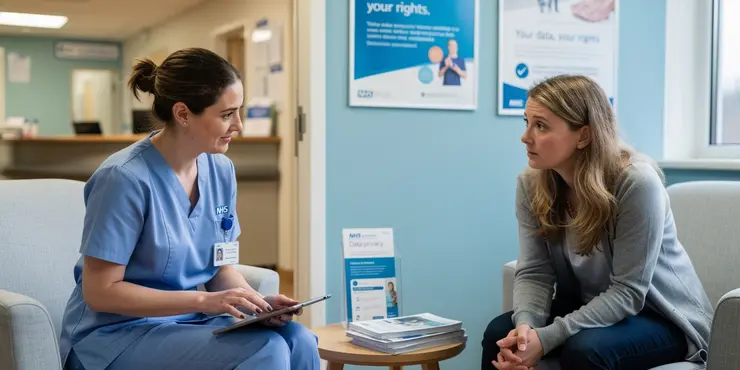
Generally, opting out should not affect the care you get from health professionals. Clinicians can still access the information they need to treat you safely when you are seen by the NHS.
Your medical team may still use your record within your direct care, because that is different from using your data for research, planning, or analysis. The main aim is to make sure your decision about wider data sharing does not block your day-to-day treatment.
When your information may still be used
Even if you opt out, some information may still be shared in limited situations. For example, it may be used if required by law, for safeguarding, for public health purposes, or where it is necessary to provide your care.
Emergency situations are also an important exception. If you are unable to consent and staff need information to help treat you safely, relevant details may still be accessed.
Possible practical effects
In most cases, the impact on care is minimal. However, if you opt out of sharing information that helps different services work together, it can sometimes make non-urgent planning or follow-up less efficient.
For example, professionals involved in your care may have less information available for service improvement or population-level analysis. That said, this is different from the records used to look after you as an individual.
Talking to your GP or practice
If you are unsure, it is sensible to ask your GP practice what type of opt-out you are considering. There are different rules for different kinds of data use, and your practice can explain what is covered.
You can also ask how your information is used in direct care, and what happens if you change your mind later. Most choices can be reviewed, so you can update your preferences if your circumstances change.
Making the right choice for you
Opting out is a personal decision. Some people prefer stronger control over their information, while others are happy for their data to be used to support NHS planning and research.
The key point is that opting out of data sharing for secondary purposes should not stop you getting NHS care. If you are concerned, ask your GP practice or the NHS for clear advice before making your decision.
Frequently Asked Questions
Will opting out affect the quality of my care?
No, opting out will not affect the quality of healthcare you receive. Your care will continue as normal.
Will my doctors know if I opt out?
Your healthcare team may be informed of your data sharing preference, but this will not impact their commitment to your care.
Can I still access all treatments if I opt out?
Yes, opting out does not prevent you from accessing any treatment, medication, or procedure.
Will I still get urgent or emergency care if I opt out?
Yes, you will continue to receive urgent and emergency care regardless of your opt-out status.
Could opting out delay my appointments or treatments?
No, opting out will not cause any delays in your appointments or treatments.
Does opting out mean my information won't be shared with anyone?
Opting out usually prevents your data from being used for research or planning, but information may still be shared for your direct care.
Will my GP treat me differently if I opt out?
No, your GP and healthcare team are required to provide you with the same standard of care regardless of your opt-out choice.
Are there any services I might lose by opting out?
No, you will not lose access to any healthcare services by opting out.
Can I opt back in if I change my mind?
Yes, you can change your data sharing preference at any time and opt back in.
Will opting out stop my referral to specialists?
No, referrals to specialists will proceed just as they would if you had not opted out.
Does opting out affect my eligibility for clinical trials?
Opting out may prevent your data from being used for research, but it does not stop you from participating in clinical trials if you choose.
Will my prescriptions be affected if I opt out?
No, opting out does not impact your prescriptions or medication management.
Does opting out impact my children's care?
No, your decision to opt out only applies to your data. It will not affect the care of your children unless you specifically opt them out.
Can hospital staff still access my records if I opt out?
Yes, healthcare professionals involved in your direct care can still access your records to provide treatment.
Will laboratory tests or imaging be affected by opting out?
No, laboratory tests and imaging requests are not impacted by your data sharing preference.
If I opt out, will my vaccination status still be updated?
Yes, your medical record, including vaccination status, will be kept up to date for your care.
Can my choice to opt out be shared without my consent?
Your opt-out preference is confidential and only shared with those involved in your care or data management.
Will opting out change my health insurance coverage?
No, your health insurance coverage is not affected by your decision to opt out.
Will research studies still contact me if I opt out?
Opting out may reduce the likelihood of being contacted about research, but it does not prevent you from enrolling if you wish.
Does opting out cost anything?
No, opting out is free and does not incur any extra charges.

Useful Links
This website offers general information and is not a substitute for professional advice.
Always seek guidance from qualified professionals.
If you have any medical concerns or need urgent help, contact a healthcare professional or emergency services immediately.
Some of this content was generated with AI assistance. We've done our best to keep it accurate, helpful, and human-friendly.
- Ergsy carefully checks the information in the videos we provide here.
- Videos shown by Youtube after a video has completed, have NOT been reviewed by ERGSY.
- To view, click the arrow in centre of video.
- Most of the videos you find here will have subtitles and/or closed captions available.
- You may need to turn these on, and choose your preferred language.
- Go to the video you'd like to watch.
- If closed captions (CC) are available, settings will be visible on the bottom right of the video player.
- To turn on Captions, click settings.
- To turn off Captions, click settings again.
More Items From Ergsy search
-
Will opting out affect my care?
Relevance: 100%
-
What is the NHS National Data Opt-Out?
Relevance: 52%
-
Does the NHS sell my patient data or medical records?
Relevance: 50%
-
Do all UK firefighters automatically join a pension scheme?
Relevance: 44%
-
Should I consider the fat content when eating out?
Relevance: 42%
-
How can I opt out of my data being shared?
Relevance: 36%
-
How can I discuss menopause symptoms with my healthcare provider?
Relevance: 35%
-
Will I need to fill out forms before the visit?
Relevance: 33%
-
Can my identifiable NHS data be shared without my permission?
Relevance: 33%
-
What healthcare policies should support workers be aware of?
Relevance: 32%
-
Should I throw away rice that's been left out overnight?
Relevance: 32%
-
What is the role of healthcare professionals in supporting carers?
Relevance: 31%
-
Does sharing data improve healthcare?
Relevance: 31%
-
Will mosquito screens block out light or air?
Relevance: 30%
-
How do I find out where they are incarcerated?
Relevance: 29%
-
Can I find operation waiting times in healthcare performance reports?
Relevance: 29%
-
Can carers of Alzheimer's patients access in-home healthcare services?
Relevance: 28%
-
What should I tell my healthcare provider before starting Wegovy?
Relevance: 28%
-
Can a landlord lock me out or remove my belongings to evict me?
Relevance: 28%
-
How can healthcare workers protect themselves from Marburg virus infection?
Relevance: 27%
-
How do virtual wards differ from traditional home healthcare?
Relevance: 27%
-
When do I find out about my cell assignment?
Relevance: 27%
-
How can I balance my salt intake when eating out?
Relevance: 27%
-
How long do I have to move out after receiving an eviction notice?
Relevance: 27%
-
Is it necessary to consult a healthcare professional before purchasing weight loss drugs?
Relevance: 27%
-
How can I find out my specific state pension age?
Relevance: 27%
-
Is my healthcare provider obligated to correct errors in my medical records?
Relevance: 27%
-
Can a healthcare provider share my medical records with other providers?
Relevance: 27%
-
How do AI and robotic systems improve the workflow in healthcare settings?
Relevance: 26%
-
Will accessing my medical records affect my relationship with my healthcare provider?
Relevance: 26%
-
When is the Winter Fuel Payment paid out?
Relevance: 26%
-
How can I find out if my medical data has been leaked?
Relevance: 26%
-
What is cervical screening (smear test)?
Relevance: 26%
-
Answering NHS Pension Questions | Opting-Out | How to Claim | Moving Abroad etc.
Relevance: 25%
-
Should I consult a healthcare provider before starting collagen supplements?
Relevance: 25%
-
How can healthcare providers prevent the spread of flesh-eating bacteria in hospitals?
Relevance: 24%
-
Is there a national database for checking waiting times for surgeries?
Relevance: 24%
-
The Most Dangerous Crypto Scam: Victims Speak Out
Relevance: 24%
-
How can I find out if my data was part of a breach?
Relevance: 24%
-
Finding out about Fibroids - information for patients
Relevance: 24%