

Find Help
More Items From Ergsy search
-
Are there any recent advancements in medications for stroke prevention?
Relevance: 100%
-
Do over-the-counter medications help in preventing heart attacks and strokes?
Relevance: 64%
-
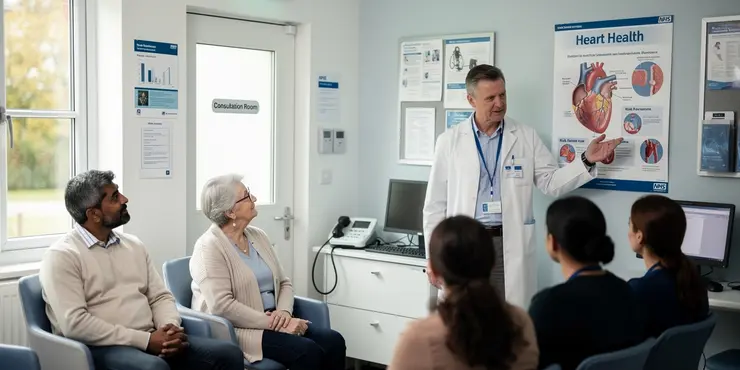
Do all patients need medication to prevent heart attacks and strokes?
Relevance: 63%
-
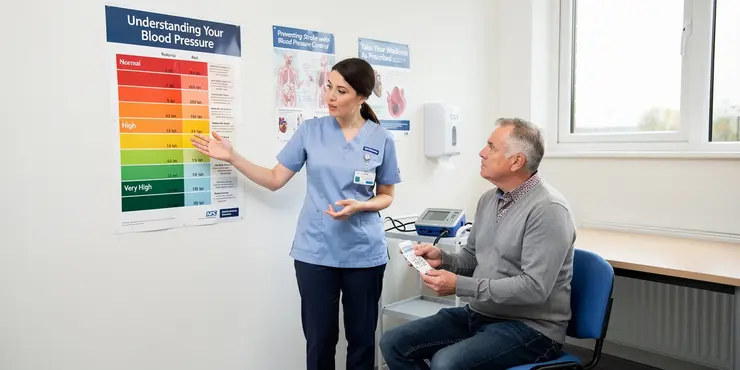
Can antihypertensive medications reduce stroke risk?
Relevance: 60%
-
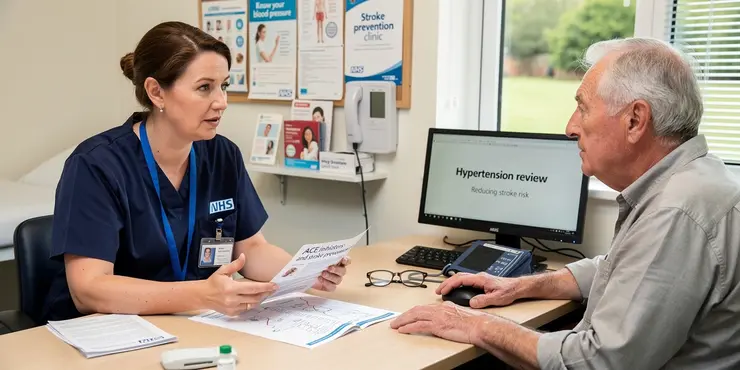
What role do ACE inhibitors play in stroke prevention?
Relevance: 58%
-

What drugs can reduce the risk of heart-attack and strokes?
Relevance: 57%
-

What is the role of lifestyle modification in heart attack and stroke prevention?
Relevance: 53%
-

NHS Forth Valley’s Stroke Team
Relevance: 52%
-
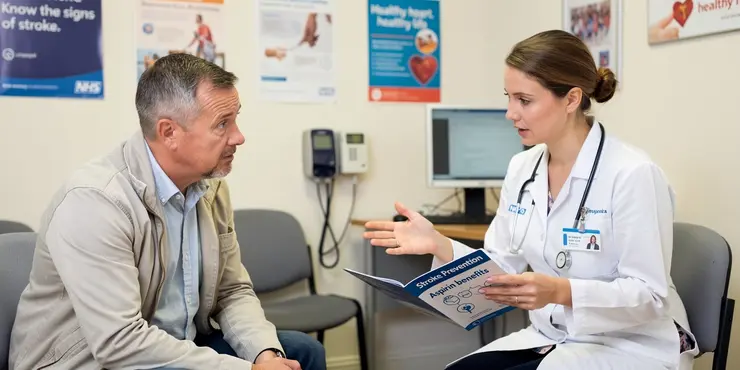
Can aspirin help in reducing the risk of strokes?
Relevance: 52%
-
NHS Here for You – Stroke
Relevance: 51%

-

Assessing the stroke patient
Relevance: 50%
-
Are anticoagulants effective in reducing stroke risk?
Relevance: 50%
-

When Stroke Strikes Act F.A.S.T. | NHS
Relevance: 49%
-

Vale Stroke Unit
Relevance: 48%
-

Stroke - Speech and Language Therapist's Experience
Relevance: 42%
-
Gaining consent from stroke patients
Relevance: 41%
-
How is advanced prostate cancer treated?
Relevance: 34%
-

Are EU medical facilities equipped with the latest technology?
Relevance: 29%
-

Can I reserve a burial plot in advance?
Relevance: 29%
-
What advancements have been made in understanding the bubonic plague?
Relevance: 28%
-

When should one start taking medication for heart attack prevention?
Relevance: 28%
-

How can I advance my career as a primary care support worker?
Relevance: 28%
-

Planning Your Funeral in Advance? | Expert Tips from Celebrants
Relevance: 28%
-
Should I take any special precautions if I have a medical condition during a heatwave?
Relevance: 27%
-

Can I reserve a plot in advance?
Relevance: 27%
-
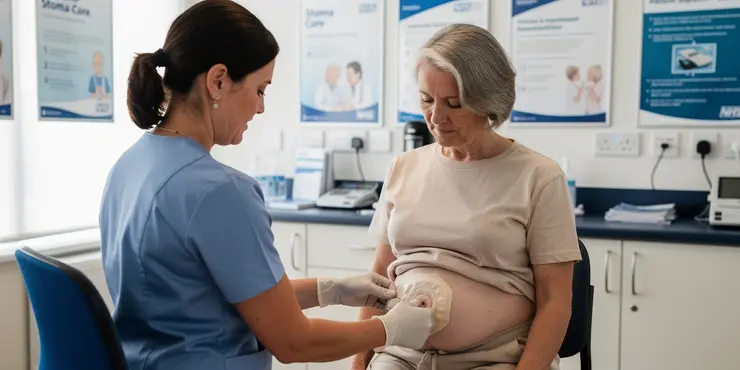
What advancements have been made in stoma bag technology?
Relevance: 27%
-
Can certain medical conditions prevent receiving blood transfusions?
Relevance: 27%
-

Can lifestyle changes reduce the need for medication for heart disease prevention?
Relevance: 27%
-
What are the risks of having high blood pressure?
Relevance: 25%
-
What should I do if I'm considering aspirin for cancer prevention?
Relevance: 25%
-

What do health organizations say about aspirin and cancer prevention?
Relevance: 24%
-
How is blood screened to prevent disease transmission?
Relevance: 24%
-
How do medications help control high blood pressure?
Relevance: 24%
-

Is it possible to travel with a medical escort to an EU country?
Relevance: 24%
-

Is aspirin recommended for everyone to prevent colorectal cancer?
Relevance: 24%
-
Should individuals with certain medical conditions avoid aspirin?
Relevance: 23%
-
Why is blood donation history important in preventing disease transmission?
Relevance: 23%
-

Are there any medical conditions that disqualify someone from using weight loss jabs?
Relevance: 23%
-

GP Nursing Most Common Medications UK.
Relevance: 23%
-
What dosage of aspirin is considered effective for cancer prevention?
Relevance: 23%
Introduction
Stroke prevention is a critical area of research in medical science. Stroke remains a leading cause of death and disability worldwide. Recent advancements in medications offer promising new strategies for prevention and management.
These innovations primarily focus on improving existing treatments and introducing novel therapeutic agents. The goal is to reduce stroke risk, especially in high-risk populations.
Enhanced Antiplatelet Therapies
Antiplatelet drugs are a cornerstone in preventing ischemic strokes. Recent studies suggest enhanced formulations of these drugs provide better outcomes.
Newer antiplatelet agents offer stronger efficacy with fewer side effects. This advancement is crucial, as it allows broader adoption and improved patient adherence.
Additionally, dual antiplatelet therapy is gaining traction. Combining different agents targets multiple pathways, offering more robust protection against strokes.
Advancements in Anticoagulants
Direct oral anticoagulants (DOACs) have revolutionised stroke prevention in patients with atrial fibrillation. They offer an alternative to traditional vitamin K antagonists like warfarin.
Recent research has focused on optimizing dosage and identifying optimal candidates for DOAC therapy. This ensures maximal protection while minimizing bleeding risks.
Moreover, novel anticoagulants are under development. These aim to cater to patients who cannot use current therapies due to contraindications or allergies.
Improved Hypertension Management
Hypertension is a major risk factor for stroke. New medications focus on more precise blood pressure control.
Recent pharmaceutical developments include drugs that target specific pathways involved in blood pressure regulation. This can lead to more consistent and reliable management.
These advancements not only help reduce stroke risk but also offer better quality of life for hypertensive patients.
Role of Statins and Emerging Lipid-Lowering Agents
Statins are well-established in reducing stroke risk by lowering cholesterol levels. Advances in statin formulations enhance their safety profile.
Emerging lipid-lowering agents, such as PCSK9 inhibitors, offer another option for patients. They are particularly beneficial for those who are statin-intolerant.
By significantly lowering LDL cholesterol levels, these drugs provide additional protection against stroke.
Conclusion
Recent advancements in stroke prevention medications hold significant promise. They improve on existing treatments and introduce novel therapies.
These developments offer hope for better management and reduced risk, particularly among high-risk groups. Ongoing research continues to evaluate their long-term benefits.
For individuals and healthcare providers, staying informed about these advancements is crucial in the fight against stroke. Early adoption and appropriate use of these therapies can make a substantial difference in patient outcomes.
Frequently Asked Questions
What are some recent advancements in medications for stroke prevention?
Recent advancements include novel oral anticoagulants (NOACs) and antiplatelet therapies aimed at reducing stroke risk with fewer side effects.
Have there been any new anticoagulants approved for stroke prevention?
Yes, several new anticoagulants such as apixaban, rivaroxaban, and dabigatran have been approved for preventing strokes, especially in patients with atrial fibrillation.
Are there new developments in antiplatelet therapy for stroke prevention?
Yes, dual antiplatelet therapy and newer agents like ticagrelor are being explored for their effectiveness in stroke prevention.
Is there any progress in personalizing stroke prevention medication?
Advances in genetic profiling are helping tailor stroke prevention therapies to individual patient risk profiles.
Have combination therapies been developed for better stroke prevention?
Yes, combining anticoagulants and antiplatelets is an active area of research to optimize stroke prevention.
Are there breakthroughs in monitoring the effectiveness of stroke prevention meds?
Technological advancements such as wearable devices are improving the monitoring of stroke risk in real-time.
Has there been any advancement in medications for stroke prevention in high-risk groups?
Targeted therapies are being developed for high-risk groups like those with diabetes or high blood pressure.
What role does AI play in recent stroke prevention advancements?
AI is being used to predict stroke risk and optimize medication plans based on vast health data.
Have there been any new non-pharmacological advancements for stroke prevention?
While not medications, interventions such as lifestyle modification programs are seeing increased effectiveness when combined with new medications.
Is there any advancement in medications for stroke prevention post-initial stroke?
Progress in secondary prevention includes more sophisticated use of statins and blood pressure management techniques.
Have there been any genetic-based therapies introduced for stroke prevention?
Research into gene therapy is ongoing, but practical applications in stroke prevention are still in early stages.
What new findings exist on the efficacy of existing medications for stroke prevention?
Recent studies indicate improved outcomes with certain doses and combinations of existing medications, like aspirin and cilostazol.
Are there new techniques in drug delivery for stroke prevention meds?
Innovative delivery methods, such as nanoparticles, are being researched to enhance the efficacy of stroke prevention drugs.
Have there been advances in medications for stroke prevention in pediatric patients?
Research is limited but growing, with a focus on safe anticoagulant use in children with congenital heart issues.
What advancements have been made in migraine-related stroke prevention?
New medications are targeting migraines effectively, which can help reduce migraine-associated stroke risks.
Are there any new medications targeting cholesterol specifically for stroke prevention?
Newer cholesterol-lowering medications, such as PCSK9 inhibitors, are showing promise in stroke prevention.
How have recent trials impacted stroke prevention medication guidelines?
Large trials continue to refine guidelines, recommending personalized and flexible approaches to medication regimes.
What recent advancements have been made in addressing stroke risks with hypertension?
The development of new antihypertensive medications and guidelines now more directly target stroke prevention.
Are there any breakthroughs in natural or alternative medications for stroke prevention?
While not mainstream, research into herbal supplements and nutraceuticals is ongoing, albeit with limited conclusive evidence.
Have recent advancements addressed medication adherence in stroke prevention?
There is a strong focus on developing user-friendly medication regimens and digital reminders to improve adherence.

Useful Links
This website offers general information and is not a substitute for professional advice.
Always seek guidance from qualified professionals.
If you have any medical concerns or need urgent help, contact a healthcare professional or emergency services immediately.
Some of this content was generated with AI assistance. We’ve done our best to keep it accurate, helpful, and human-friendly.
- Ergsy carfully checks the information in the videos we provide here.
- Videos shown by Youtube after a video has completed, have NOT been reviewed by ERGSY.
- To view, click the arrow in centre of video.
- Most of the videos you find here will have subtitles and/or closed captions available.
- You may need to turn these on, and choose your preferred language.
- Go to the video you'd like to watch.
- If closed captions (CC) are available, settings will be visible on the bottom right of the video player.
- To turn on Captions, click settings .
- To turn off Captions, click settings again.
More Items From Ergsy search
-
Are there any recent advancements in medications for stroke prevention?
Relevance: 100%
-
Do over-the-counter medications help in preventing heart attacks and strokes?
Relevance: 64%
-
Do all patients need medication to prevent heart attacks and strokes?
Relevance: 63%
-
Can antihypertensive medications reduce stroke risk?
Relevance: 60%
-
What role do ACE inhibitors play in stroke prevention?
Relevance: 58%
-
What drugs can reduce the risk of heart-attack and strokes?
Relevance: 57%
-
What is the role of lifestyle modification in heart attack and stroke prevention?
Relevance: 53%
-
NHS Forth Valley’s Stroke Team
Relevance: 52%
-
Can aspirin help in reducing the risk of strokes?
Relevance: 52%
-
NHS Here for You – Stroke
Relevance: 51%
-
Assessing the stroke patient
Relevance: 50%
-
Are anticoagulants effective in reducing stroke risk?
Relevance: 50%
-
When Stroke Strikes Act F.A.S.T. | NHS
Relevance: 49%
-
Vale Stroke Unit
Relevance: 48%
-
Stroke - Speech and Language Therapist's Experience
Relevance: 42%
-
Gaining consent from stroke patients
Relevance: 41%
-
How is advanced prostate cancer treated?
Relevance: 34%
-
Are EU medical facilities equipped with the latest technology?
Relevance: 29%
-
Can I reserve a burial plot in advance?
Relevance: 29%
-
What advancements have been made in understanding the bubonic plague?
Relevance: 28%
-
When should one start taking medication for heart attack prevention?
Relevance: 28%
-
How can I advance my career as a primary care support worker?
Relevance: 28%
-
Planning Your Funeral in Advance? | Expert Tips from Celebrants
Relevance: 28%
-
Should I take any special precautions if I have a medical condition during a heatwave?
Relevance: 27%
-
Can I reserve a plot in advance?
Relevance: 27%
-
What advancements have been made in stoma bag technology?
Relevance: 27%
-
Can certain medical conditions prevent receiving blood transfusions?
Relevance: 27%
-
Can lifestyle changes reduce the need for medication for heart disease prevention?
Relevance: 27%
-
What are the risks of having high blood pressure?
Relevance: 25%
-
What should I do if I'm considering aspirin for cancer prevention?
Relevance: 25%
-
What do health organizations say about aspirin and cancer prevention?
Relevance: 24%
-
How is blood screened to prevent disease transmission?
Relevance: 24%
-
How do medications help control high blood pressure?
Relevance: 24%
-
Is it possible to travel with a medical escort to an EU country?
Relevance: 24%
-
Is aspirin recommended for everyone to prevent colorectal cancer?
Relevance: 24%
-
Should individuals with certain medical conditions avoid aspirin?
Relevance: 23%
-
Why is blood donation history important in preventing disease transmission?
Relevance: 23%
-
Are there any medical conditions that disqualify someone from using weight loss jabs?
Relevance: 23%
-
GP Nursing Most Common Medications UK.
Relevance: 23%
-
What dosage of aspirin is considered effective for cancer prevention?
Relevance: 23%