
Speak To An Expert
Get clear, personalised advice for your situation.
Jot down a few questions to make the most of your conversation.
More Items From Ergsy search
-
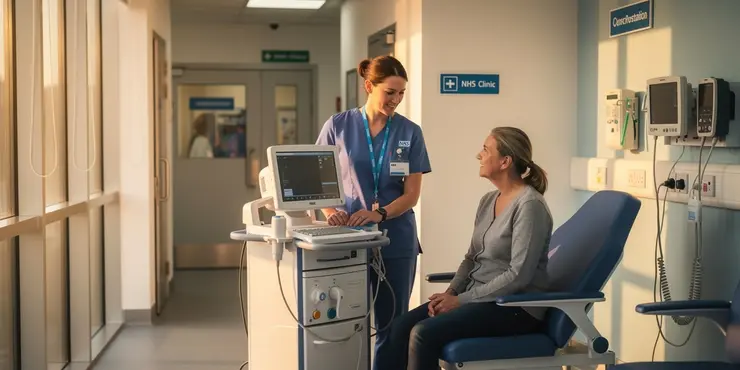
Are EU medical facilities equipped with the latest technology?
Relevance: 100%
-
How can I verify the credentials of an EU medical facility?
Relevance: 58%
-

Can I travel to EU countries for medical treatment?
Relevance: 57%
-

Can I travel to EU countries for medical treatment?
Relevance: 48%
-

Is it possible to travel with a medical escort to an EU country?
Relevance: 47%
-

What are the steps to arrange medical treatment in an EU country?
Relevance: 46%
-

How do I arrange travel and accommodation for medical treatment in the EU?
Relevance: 45%
-

Do I need a referral to receive medical treatment in the EU?
Relevance: 45%
-

Can I travel to EU countries for medical treatment?
Relevance: 44%
-

Will I need to pay for medical treatment upfront in the EU?
Relevance: 44%

-
Are there any risks associated with traveling to the EU for medical treatment?
Relevance: 43%
-

Is medical treatment covered by insurance when traveling to the EU?
Relevance: 43%
-

What legal rights do I have as a medical patient in the EU?
Relevance: 42%
-
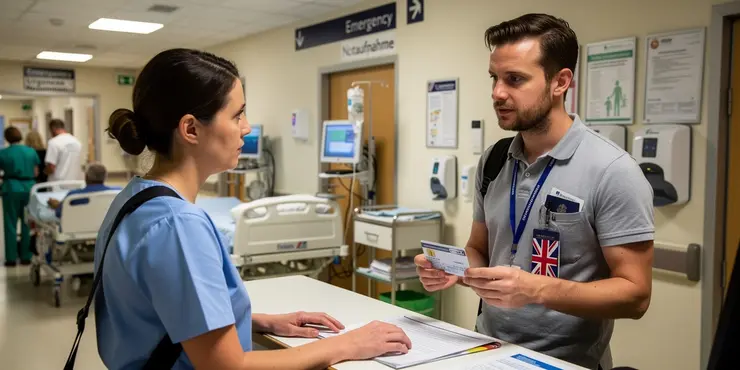
What should I do in case of a medical emergency while in the EU?
Relevance: 42%
-

Do I need a visa to travel to an EU country for medical treatment?
Relevance: 39%
-

Can I use my EHIC card for medical treatment in the EU?
Relevance: 37%
-
What innovations are there in mobility equipment technology?
Relevance: 33%
-

Will language barriers be an issue in EU hospitals?
Relevance: 31%
-

Can I receive teleconsultations with EU doctors before traveling?
Relevance: 30%
-

Do care homes provide medical care?
Relevance: 30%
-
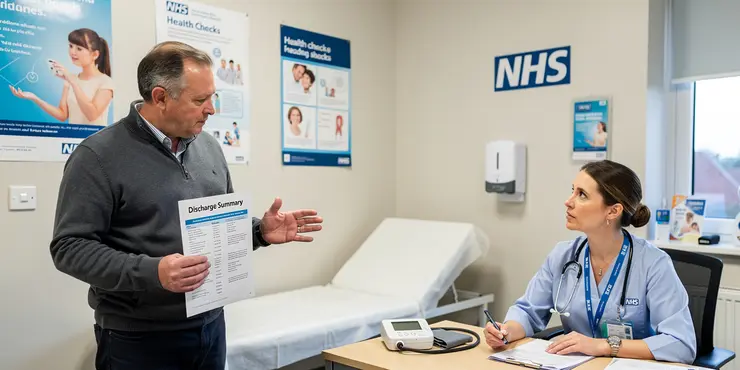
How can I manage post-treatment care when returning home from the EU?
Relevance: 29%
-
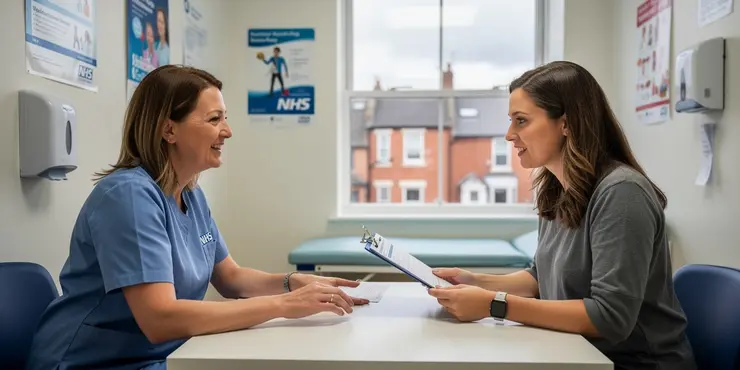
Can I receive specialized treatment in EU countries?
Relevance: 28%
-

Can medical tampons deliver medication?
Relevance: 28%
-

Does live-in care include medical services?
Relevance: 27%
-
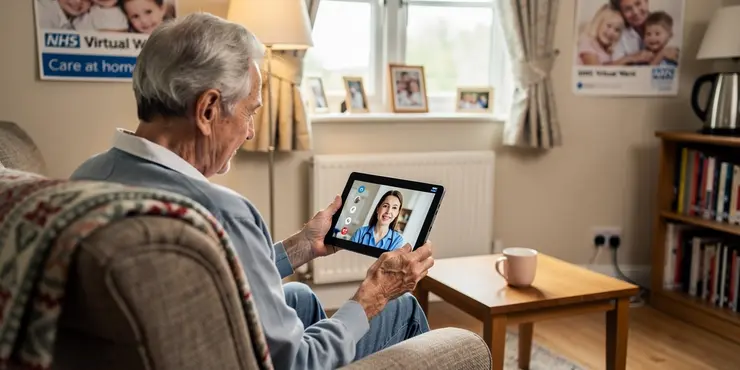
Do I need special equipment to be part of a virtual ward?
Relevance: 27%
-

Are there privacy protections for my medical records?
Relevance: 27%
-

What is a medical tampon?
Relevance: 26%
-

Are GLP-1 medications injectable?
Relevance: 26%
-

Are medical tampons reusable?
Relevance: 26%
-

Are medical tampons absorbent?
Relevance: 26%
-

Are there any GLP-1 medications that are taken orally?
Relevance: 25%
-

Can a healthcare provider share my medical records with other providers?
Relevance: 24%
-
Can GLP-1 be used as a medication?
Relevance: 24%
-

Is medication effective for health-related anxiety?
Relevance: 24%
-

How can I legally obtain ketamine for medical use?
Relevance: 24%
-
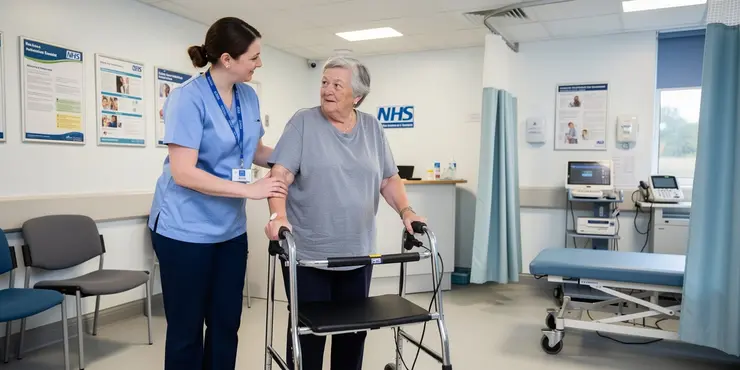
Are there any financial assistance programs for mobility equipment?
Relevance: 24%
-
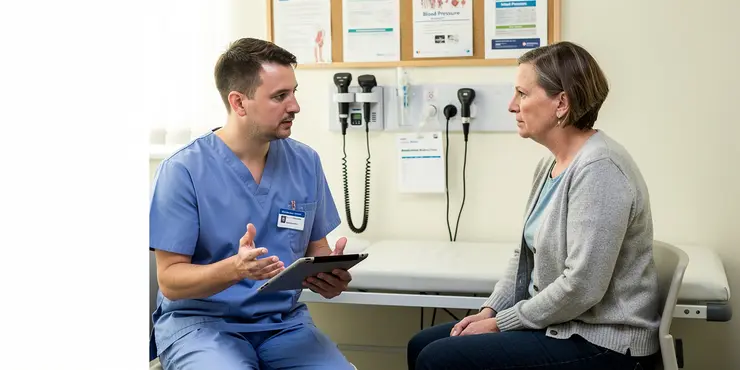
Can CBD interact with medications?
Relevance: 24%
-
What are systemic medications for psoriasis?
Relevance: 24%
-

Can my medical records be withheld for any reasons?
Relevance: 24%
-

How are medical tampons removed?
Relevance: 24%
Introduction
European Union (EU) countries are renowned for their healthcare systems. A crucial aspect involves the technology implemented in medical facilities. Are these facilities up-to-date with the latest advancements?
This question matters to patients, healthcare professionals, and policymakers alike. Let's delve into the integration of the latest technology across EU medical centers.
Overview of Current Technological Adoption
EU medical facilities generally benefit from a robust healthcare framework. This foundation supports the integration of advanced medical technologies.
Diverse funding models and policies influence the pace of technological adoption. Some countries rapidly embrace innovations, while others face challenges.
Differences Across Member States
The EU consists of 27 countries, each with its own healthcare system. These systems vary in technological advancement and investment.
Northern and Western European countries often lead in adopting new technologies. They allocate substantial resources for upgrades and innovation.
Southern and Eastern European nations may lag due to economic constraints. This discrepancy results in varying levels of technological integration.
Areas of Technological Advancement
AI in diagnostics is gaining traction, offering faster and more accurate results. Some EU hospitals invest heavily in AI to enhance patient care.
Telemedicine has seen significant growth, especially post-pandemic. This advancement bridges gaps in healthcare access across the region.
Countries focus on electronic health records to streamline patient information. Such systems improve efficiency and coordination within healthcare facilities.
Challenges to Technological Implementation
Cost remains a significant hurdle for many EU countries. Advanced technology often requires substantial financial investment.
Training healthcare professionals on new systems is another challenge. Adequate training programs are essential for successful adoption.
Interoperability between different technologies and systems poses integration issues. Standardizing systems across countries and facilities is complex.
Conclusion
EU medical facilities are generally equipped with advanced technology. However, differences in adoption exist between member states.
Continued investment and policy support are crucial to address these disparities. Ensuring wide-scale access to cutting-edge technology remains a priority.
For UK observers, these developments in the EU provide insights as the UK navigates its healthcare landscape post-Brexit.
Frequently Asked Questions
What types of medical technologies are commonly used in EU medical facilities?
EU medical facilities commonly use advanced imaging technologies like MRI and CT scans, robotic surgery systems, telemedicine platforms, and electronic health records systems.
Are EU hospitals encouraged to adopt the latest medical technology?
Yes, EU hospitals are encouraged to adopt the latest medical technology to improve patient outcomes, driven by a combination of government initiatives, funding, and competitive healthcare markets.
How do EU regulations impact the adoption of new medical technologies?
EU regulations ensure that new medical technologies are safe and effective before they are adopted, which can sometimes delay their introduction but also assures their reliability and efficacy.
Are there disparities in technology adoption among EU countries?
Yes, there can be disparities in technology adoption due to differences in healthcare funding, infrastructure, and national priorities among EU countries.
What role does the European Union play in advancing medical technology in healthcare?
The EU plays a significant role by funding research and development, setting regulatory standards, and promoting collaboration among member countries to advance medical technology in healthcare.
How does the EU ensure medical facilities stay updated with the latest technology?
The EU ensures that medical facilities stay updated with the latest technology by providing funding for healthcare innovations, facilitating knowledge exchange, and implementing supportive policies.
What initiatives exist within the EU to promote healthcare technology innovations?
Initiatives like Horizon Europe and the Digital Health Europe program support research, collaboration, and the integration of emerging medical technologies in EU healthcare systems.
Do EU medical facilities have access to artificial intelligence technologies?
Yes, many EU medical facilities are increasingly using artificial intelligence technologies for diagnostics, treatment planning, and patient management.
How does funding affect the availability of the latest medical technology in EU facilities?
Healthcare funding at both national and EU levels greatly affects the availability of the latest medical technology, with better-funded systems generally able to adopt technologies more quickly.
Is there a focus on digital healthcare solutions in the EU?
Yes, there is a strong focus on digital healthcare solutions in the EU, especially post COVID-19, with significant investments in telemedicine, health data analytics, and patient management systems.
How do EU countries ensure equitable access to advanced medical technologies?
EU countries work to ensure equitable access through policies that consider geographic and economic disparities, often supported by EU-wide funding and collaboration frameworks.
Are EU medical facilities involved in clinical trials for new technologies?
Yes, many EU medical facilities participate in clinical trials to test and develop new medical technologies, often in collaboration with academic and industry partners.
What challenges do EU medical facilities face in adopting the latest technologies?
Challenges include high costs, lengthy regulatory approval processes, interoperability issues, and the need for staff training on new systems.
How do public and private healthcare sectors in the EU differ in technology adoption?
The private sector may adopt new technologies more quickly due to less bureaucratic processes, while the public sector focuses on accessible and standardized care for all citizens.
Can EU citizens access cross-border healthcare with cutting-edge technology?
Yes, EU citizens can access cross-border healthcare under certain conditions, especially as part of the EU Directive on patients' rights in cross-border healthcare.
How are medical technology developments tracked in the EU?
Developments are tracked through EU agencies like the European Medicines Agency and national healthcare technology assessment bodies.
Are there specific EU policies that drive technology adoption in healthcare systems?
Indeed, policies such as the EU4Health program and the European Health Data Space initiative aim to drive technology adoption and integration.
What is the role of research institutions in EU healthcare technology advancement?
Research institutions play a critical role by developing new technologies, conducting trials, and collaborating with industry partners to translate innovations into clinical practice.
Do all EU hospitals have access to the same level of technology?
Not all EU hospitals have the same level of technology due to variations in funding, location, and specialization, though efforts continue to minimize these disparities.
How do EU healthcare systems train staff to use the latest medical technologies?
EU healthcare systems often invest in ongoing training and professional development programs to ensure staff are proficient in the latest technologies and methodologies.

Useful Links
This website offers general information and is not a substitute for professional advice.
Always seek guidance from qualified professionals.
If you have any medical concerns or need urgent help, contact a healthcare professional or emergency services immediately.
Some of this content was generated with AI assistance. We've done our best to keep it accurate, helpful, and human-friendly.
- Ergsy carefully checks the information in the videos we provide here.
- Videos shown by Youtube after a video has completed, have NOT been reviewed by ERGSY.
- To view, click the arrow in centre of video.
- Most of the videos you find here will have subtitles and/or closed captions available.
- You may need to turn these on, and choose your preferred language.
- Go to the video you'd like to watch.
- If closed captions (CC) are available, settings will be visible on the bottom right of the video player.
- To turn on Captions, click settings.
- To turn off Captions, click settings again.
More Items From Ergsy search
-
Are EU medical facilities equipped with the latest technology?
Relevance: 100%
-
How can I verify the credentials of an EU medical facility?
Relevance: 58%
-
Can I travel to EU countries for medical treatment?
Relevance: 57%
-
Can I travel to EU countries for medical treatment?
Relevance: 48%
-
Is it possible to travel with a medical escort to an EU country?
Relevance: 47%
-
What are the steps to arrange medical treatment in an EU country?
Relevance: 46%
-
How do I arrange travel and accommodation for medical treatment in the EU?
Relevance: 45%
-
Do I need a referral to receive medical treatment in the EU?
Relevance: 45%
-
Can I travel to EU countries for medical treatment?
Relevance: 44%
-
Will I need to pay for medical treatment upfront in the EU?
Relevance: 44%
-
Are there any risks associated with traveling to the EU for medical treatment?
Relevance: 43%
-
Is medical treatment covered by insurance when traveling to the EU?
Relevance: 43%
-
What legal rights do I have as a medical patient in the EU?
Relevance: 42%
-
What should I do in case of a medical emergency while in the EU?
Relevance: 42%
-
Do I need a visa to travel to an EU country for medical treatment?
Relevance: 39%
-
Can I use my EHIC card for medical treatment in the EU?
Relevance: 37%
-
What innovations are there in mobility equipment technology?
Relevance: 33%
-
Will language barriers be an issue in EU hospitals?
Relevance: 31%
-
Can I receive teleconsultations with EU doctors before traveling?
Relevance: 30%
-
Do care homes provide medical care?
Relevance: 30%
-
How can I manage post-treatment care when returning home from the EU?
Relevance: 29%
-
Can I receive specialized treatment in EU countries?
Relevance: 28%
-
Can medical tampons deliver medication?
Relevance: 28%
-
Does live-in care include medical services?
Relevance: 27%
-
Do I need special equipment to be part of a virtual ward?
Relevance: 27%
-
Are there privacy protections for my medical records?
Relevance: 27%
-
What is a medical tampon?
Relevance: 26%
-
Are GLP-1 medications injectable?
Relevance: 26%
-
Are medical tampons reusable?
Relevance: 26%
-
Are medical tampons absorbent?
Relevance: 26%
-
Are there any GLP-1 medications that are taken orally?
Relevance: 25%
-
Can a healthcare provider share my medical records with other providers?
Relevance: 24%
-
Can GLP-1 be used as a medication?
Relevance: 24%
-
Is medication effective for health-related anxiety?
Relevance: 24%
-
How can I legally obtain ketamine for medical use?
Relevance: 24%
-
Are there any financial assistance programs for mobility equipment?
Relevance: 24%
-
Can CBD interact with medications?
Relevance: 24%
-
What are systemic medications for psoriasis?
Relevance: 24%
-
Can my medical records be withheld for any reasons?
Relevance: 24%
-
How are medical tampons removed?
Relevance: 24%