
Get Answers
Understanding Hypertension and Stroke
Hypertension, commonly known as high blood pressure, is a significant health concern in the UK. It affects millions and is a major risk factor for several cardiovascular diseases, including stroke. Stroke occurs when blood flow to the brain is disrupted, often due to blocked or burst blood vessels.
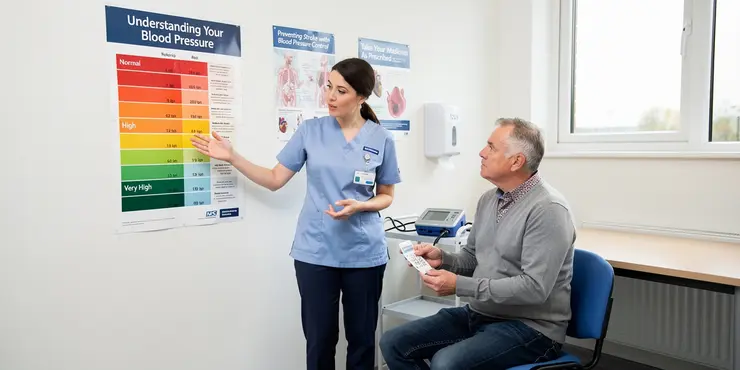
Managing blood pressure is crucial in reducing the risk of stroke. High blood pressure puts extra strain on blood vessels, making them more prone to damage. Effective management can help maintain healthy blood vessels and reduce stroke risk.
The Role of Antihypertensive Medications
Antihypertensive medications are prescribed to help lower blood pressure. These medications work in various ways, such as relaxing blood vessels or reducing blood volume. As a result, they can lessen the strain on the cardiovascular system.
There are different classes of antihypertensive drugs, including ACE inhibitors, beta-blockers, and diuretics. Each class has a unique mechanism of action but collectively contributes to lowering blood pressure.
Evidence Supporting Stroke Risk Reduction
Research indicates that antihypertensive medications significantly reduce the risk of stroke. Clinical studies have shown that reducing blood pressure can decrease the likelihood of a first stroke by up to 40%. This highlights the importance of medication adherence in patients with hypertension.
Long-term management of blood pressure is vital for sustained stroke risk reduction. Consistently lower blood pressure levels help prevent the progressive damage to blood vessels that can lead to strokes.
Considerations for Patients and Practitioners
For those with hypertension in the UK, it is essential to follow prescribed treatment plans. Regular check-ups with healthcare providers ensure that blood pressure is effectively managed. Patients should also maintain a healthy lifestyle to enhance the benefits of medication.
Doctors tailor treatment plans based on individual needs, considering factors like age, health status, and potential side effects. This personalised approach ensures effective blood pressure control and minimises risks.
Conclusion
In summary, antihypertensive medications play a crucial role in reducing stroke risk for individuals with high blood pressure. By effectively managing hypertension, these medications help preserve the health of blood vessels. Patients in the UK should consult with their healthcare providers regularly to manage their blood pressure effectively.
Combining medication with lifestyle changes can provide the best chance of reducing stroke risk. This integrated approach is key to achieving optimal cardiovascular health and preventing strokes.
Frequently Asked Questions
Antihypertensive medications are drugs used to treat high blood pressure (hypertension). They help manage blood pressure to prevent complications such as stroke and heart disease.
By controlling high blood pressure, antihypertensive medications decrease the pressure on blood vessels, reducing the likelihood of blood vessel damage and stroke.
They primarily help reduce the risk of ischemic strokes, which occur when a blood clot blocks an artery supplying blood to the brain.
Not always. The decision depends on the severity of hypertension, overall health, and the presence of other risk factors for cardiovascular disease.
Yes, lifestyle changes such as a healthy diet, regular exercise, and smoking cessation can help manage blood pressure and reduce stroke risk.
They include diuretics, beta-blockers, ACE inhibitors, angiotensin II receptor blockers, calcium channel blockers, and alpha-blockers.
Yes, potential side effects can include dizziness, headaches, fatigue, and more, depending on the specific medication and individual response.
It varies, but consistent blood pressure control over time significantly reduces the risk of stroke.
While it can prevent further damage, some effects of longstanding hypertension may not be fully reversible.
No, stopping suddenly can lead to rebound hypertension, which increases stroke risk. Always consult with a healthcare provider before making changes.
Through regular blood pressure measurements and medical check-ups to ensure blood pressure remains at target levels.
Yes, they can interact with various medications, including over-the-counter drugs and supplements. It's important to inform your doctor about all medications you are taking.
Take the missed dose as soon as you remember unless it's almost time for the next one. In that case, skip the missed dose and continue with your regular schedule.
Often, yes. Hypertension is typically a chronic condition, but lifestyle changes may allow some patients to reduce or stop medication under medical supervision.
Yes, some guidelines suggest certain classes, like ACE inhibitors or diuretics, may be preferable for stroke prevention. Consultation with a healthcare provider is important for personalized treatment.
Yes, sometimes two or more medications are combined to achieve better blood pressure control and reduce stroke risk.
Yes, treatment can be tailored based on age, gender, and other individual factors to maximize efficacy and safety.
Some can, but certain antihypertensives are not safe during pregnancy. It's crucial to consult a healthcare provider for appropriate management.
Initially, frequent checks may be necessary. Once stable, regular monitoring as advised by a healthcare provider is essential.
A healthy diet, regular physical activity, weight management, smoking cessation, and moderating alcohol intake enhance the effectiveness of medications in reducing stroke risk.

Ergsy Search Results
This website offers general information and is not a substitute for professional advice.
Always seek guidance from qualified professionals.
If you have any medical concerns or need urgent help, contact a healthcare professional or emergency services immediately.
Some of this content was generated with AI assistance. We've done our best to keep it accurate, helpful, and human-friendly.
- Ergsy carefully checks the information in the videos we provide here.
- Videos shown by Youtube after a video has completed, have NOT been reviewed by ERGSY.
- To view, click the arrow in centre of video.
- Most of the videos you find here will have subtitles and/or closed captions available.
- You may need to turn these on, and choose your preferred language.
- Go to the video you'd like to watch.
- If closed captions (CC) are available, settings will be visible on the bottom right of the video player.
- To turn on Captions, click settings.
- To turn off Captions, click settings again.