

Speak To An Expert
Get clear, personalised advice for your situation.
Jot down a few questions to make the most of your conversation.
More Items From Ergsy search
-

Can I ask for a referral even if my symptoms are mild?
Relevance: 100%
-

Do I need a referral to receive medical treatment in the EU?
Relevance: 73%
-

Can I ask for a referral to a menopause specialist?
Relevance: 72%
-
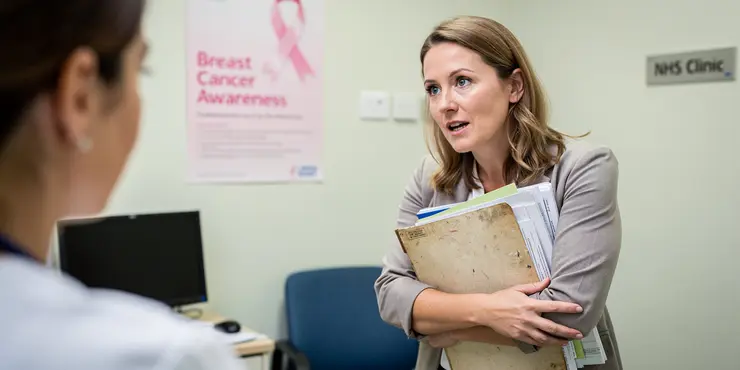
Can I ask for a referral if I have had breast cancer or other complex medical issues?
Relevance: 70%
-

Do I need a referral before contacting a urologist?
Relevance: 65%
-

Can I get a referral for menopause if I am under 45?
Relevance: 65%
-

When should I ask for a referral to a menopause specialist?
Relevance: 64%
-

Is it okay to ask for a referral to a menopause specialist if I feel dismissed?
Relevance: 63%
-
Do I need a referral to see a menopause specialist?
Relevance: 63%
-

Can I ask for a referral to a specialist for early menopause?
Relevance: 61%

-
Will my insurance cover a menopause specialist referral?
Relevance: 57%
-

How do I bring up a referral to my doctor?
Relevance: 57%
-
Do I need a referral to see a chiropractor?
Relevance: 56%
-

How can I request access to my medical records?
Relevance: 50%
-

Do I need a referral to see an NHS dentist?
Relevance: 44%
-
Can anyone else request my medical records on my behalf?
Relevance: 42%
-

How long does it usually take to get a urology appointment?
Relevance: 41%
-

Do I have the right to access electronic medical records?
Relevance: 41%
-

How do I request corrections to my medical records?
Relevance: 40%
-
Is my healthcare provider obligated to correct errors in my medical records?
Relevance: 40%
-

Can a healthcare provider share my medical records with other providers?
Relevance: 39%
-

Can I request corrections to my medical records?
Relevance: 39%
-
What should I do if I am denied access to my medical records?
Relevance: 38%
-
What are the symptoms of a nut allergy?
Relevance: 37%
-

Do I have a right to see my medical records?
Relevance: 37%
-

Does the right to access my medical records apply to minors?
Relevance: 37%
-

Do I have the right to know who has accessed my medical records?
Relevance: 37%
-

Where can I get help with NHS waiting times?
Relevance: 37%
-

How long should it take to receive my medical records after I request them?
Relevance: 36%
-

Gastroscopy - What to Expect on Referral to Chesterfield Royal Hospital
Relevance: 36%
-

How can I request access to my police records?
Relevance: 36%
-

How can I discuss menopause symptoms with my healthcare provider?
Relevance: 36%
-
Is the womb lining test covered by the NHS?
Relevance: 36%
-

Will accessing my medical records affect my relationship with my healthcare provider?
Relevance: 36%
-
Get cancer symptoms checked by your GP | NHS
Relevance: 35%
-

Can my medical records be withheld for any reasons?
Relevance: 35%
-

What are the symptoms of long covid?
Relevance: 35%
-

Can I receive my medical records in a specific format, such as electronically?
Relevance: 35%
-

What symptoms should I watch for if I suspect a mosquito-borne disease?
Relevance: 35%
-

Is headache a symptom of a concussion?
Relevance: 34%
Can you ask for a referral with mild symptoms?
Yes, you can ask for a referral even if your symptoms are mild. In the UK, your GP is usually the first point of contact, and they can decide whether you need to see a specialist.
Many people worry they are “wasting time” by bringing up symptoms that do not feel severe. But it is always reasonable to explain what has changed, how long it has been going on, and whether it is affecting your day-to-day life.
Why it may still be worth asking
Mild symptoms can sometimes be an early sign of a condition that is easier to manage if picked up sooner. A referral may help if your problem is persistent, unexplained, or not improving with treatment from your GP.
It is also sensible to ask for a referral if symptoms are recurring, causing anxiety, or limiting your work, sleep, exercise, or family life. Even if the issue is not urgent, getting the right specialist opinion can provide reassurance and a clearer plan.
How GPs usually decide
In the NHS, GPs assess whether a referral is clinically appropriate. They will usually consider the severity of your symptoms, how long they have lasted, and whether there are any warning signs.
They may suggest self-care, medication, blood tests, or monitoring first if your symptoms seem minor. That does not mean your concerns are not valid, only that a referral may not be the best next step straight away.
How to raise it at your appointment
Be clear and specific about what you are experiencing. It can help to say when the symptoms started, how often they happen, what makes them better or worse, and how they affect your life.
If you would like a referral, say so directly and explain why. For example, you might mention that the symptoms are ongoing, you want a specialist opinion, or you are worried about a possible underlying cause.
What if the GP says no?
If your GP does not think a referral is needed, you can ask them to explain their reasoning and what should happen next. You can also ask what symptoms or changes would mean you should come back.
If you still feel concerned, it is fine to book another appointment, seek a second opinion, or keep a symptom diary to show whether things are changing. In some cases, a referral may become appropriate later if symptoms continue or worsen.
When to seek help sooner
Even mild symptoms should be assessed promptly if they are new and unusual, getting worse, or accompanied by red flags. These can include chest pain, breathing problems, fainting, severe pain, unexplained bleeding, or sudden changes in vision, speech, or movement.
If you are unsure, contact your GP surgery, NHS 111, or urgent care for advice. It is always better to ask than to ignore something that does not feel right.
Frequently Asked Questions
Can I ask for a referral even if my symptoms are mild?
Yes. You can ask for a referral even when symptoms are mild, especially if they are persistent, recurring, or affecting your daily life.
Will my doctor think I am overreacting if my symptoms are mild?
Not necessarily. Doctors are used to evaluating symptoms of all levels and can help decide whether a referral is appropriate.
What if my symptoms are not severe enough for a specialist?
Severity is only one factor. A referral may still be useful if symptoms last a long time, worsen, or need a specific type of evaluation.
How should I bring up a referral request during an appointment?
Be direct and explain what you are experiencing, how long it has been happening, and why you think a specialist might help.
Do I need to wait until symptoms get worse before asking?
No. If you are concerned, it is reasonable to ask sooner rather than later.
Can mild symptoms still indicate a serious problem?
Sometimes, yes. Mild symptoms can occasionally be an early sign of a condition that is easier to treat when addressed early.
What information should I share when asking for a referral?
Share when the symptoms started, how often they happen, what makes them better or worse, and whether they affect sleep, work, or daily activities.
Will insurance cover a referral for mild symptoms?
Coverage depends on your insurance plan and the reason for the referral. Your primary care doctor or insurer can help clarify this.
What if my doctor says I do not need a referral?
You can ask for the reasoning and discuss your concerns. If needed, you may also seek a second opinion.
Is it okay to ask for a referral just for peace of mind?
Yes, it is okay to ask. Your doctor can help determine whether a specialist visit would be helpful for reassurance or further evaluation.
Could asking for a referral strain my relationship with my doctor?
Usually not. Clear communication is part of good care, and most doctors appreciate patients advocating for their health.
Should I keep track of mild symptoms before asking for a referral?
Yes. A symptom log can help show patterns, triggers, and frequency, which may support the referral discussion.
What kinds of mild symptoms might still justify a referral?
Persistent pain, recurring headaches, digestive issues, skin changes, breathing concerns, or symptoms that interfere with daily life may justify a referral.
Can I request a referral to a specific specialist?
Yes. You can mention the type of specialist you think may help, and your doctor can advise whether that is the right choice.
What if my mild symptoms have lasted a long time?
Long-lasting symptoms are a good reason to ask about a referral, even if they are not intense.
Should I first try treatment before asking for a referral?
It depends on the situation, but you can still ask if you want a specialist opinion or if the current approach is not helping enough.
Can mild symptoms still affect quality of life enough to need a referral?
Yes. Even mild symptoms can be disruptive if they are frequent, unpredictable, or stressful.
How do I know if a referral is reasonable to ask for?
If symptoms are persistent, unexplained, recurring, or worrying to you, it is reasonable to ask your doctor whether a referral makes sense.
What if I feel embarrassed asking for a referral over mild symptoms?
You should not feel embarrassed. It is normal to ask questions and seek help when something does not feel right.
Can asking for a referral earlier help prevent bigger problems later?
In some cases, yes. Early evaluation can help identify issues sooner and may prevent symptoms from worsening.

Useful Links
This website offers general information and is not a substitute for professional advice.
Always seek guidance from qualified professionals.
If you have any medical concerns or need urgent help, contact a healthcare professional or emergency services immediately.
Some of this content was generated with AI assistance. We've done our best to keep it accurate, helpful, and human-friendly.
- Ergsy carefully checks the information in the videos we provide here.
- Videos shown by Youtube after a video has completed, have NOT been reviewed by ERGSY.
- To view, click the arrow in centre of video.
- Most of the videos you find here will have subtitles and/or closed captions available.
- You may need to turn these on, and choose your preferred language.
- Go to the video you'd like to watch.
- If closed captions (CC) are available, settings will be visible on the bottom right of the video player.
- To turn on Captions, click settings.
- To turn off Captions, click settings again.
More Items From Ergsy search
-
Can I ask for a referral even if my symptoms are mild?
Relevance: 100%
-
Do I need a referral to receive medical treatment in the EU?
Relevance: 73%
-
Can I ask for a referral to a menopause specialist?
Relevance: 72%
-
Can I ask for a referral if I have had breast cancer or other complex medical issues?
Relevance: 70%
-
Do I need a referral before contacting a urologist?
Relevance: 65%
-
Can I get a referral for menopause if I am under 45?
Relevance: 65%
-
When should I ask for a referral to a menopause specialist?
Relevance: 64%
-
Is it okay to ask for a referral to a menopause specialist if I feel dismissed?
Relevance: 63%
-
Do I need a referral to see a menopause specialist?
Relevance: 63%
-
Can I ask for a referral to a specialist for early menopause?
Relevance: 61%
-
Will my insurance cover a menopause specialist referral?
Relevance: 57%
-
How do I bring up a referral to my doctor?
Relevance: 57%
-
Do I need a referral to see a chiropractor?
Relevance: 56%
-
How can I request access to my medical records?
Relevance: 50%
-
Do I need a referral to see an NHS dentist?
Relevance: 44%
-
Can anyone else request my medical records on my behalf?
Relevance: 42%
-
How long does it usually take to get a urology appointment?
Relevance: 41%
-
Do I have the right to access electronic medical records?
Relevance: 41%
-
How do I request corrections to my medical records?
Relevance: 40%
-
Is my healthcare provider obligated to correct errors in my medical records?
Relevance: 40%
-
Can a healthcare provider share my medical records with other providers?
Relevance: 39%
-
Can I request corrections to my medical records?
Relevance: 39%
-
What should I do if I am denied access to my medical records?
Relevance: 38%
-
What are the symptoms of a nut allergy?
Relevance: 37%
-
Do I have a right to see my medical records?
Relevance: 37%
-
Does the right to access my medical records apply to minors?
Relevance: 37%
-
Do I have the right to know who has accessed my medical records?
Relevance: 37%
-
Where can I get help with NHS waiting times?
Relevance: 37%
-
How long should it take to receive my medical records after I request them?
Relevance: 36%
-
Gastroscopy - What to Expect on Referral to Chesterfield Royal Hospital
Relevance: 36%
-
How can I request access to my police records?
Relevance: 36%
-
How can I discuss menopause symptoms with my healthcare provider?
Relevance: 36%
-
Is the womb lining test covered by the NHS?
Relevance: 36%
-
Will accessing my medical records affect my relationship with my healthcare provider?
Relevance: 36%
-
Get cancer symptoms checked by your GP | NHS
Relevance: 35%
-
Can my medical records be withheld for any reasons?
Relevance: 35%
-
What are the symptoms of long covid?
Relevance: 35%
-
Can I receive my medical records in a specific format, such as electronically?
Relevance: 35%
-
What symptoms should I watch for if I suspect a mosquito-borne disease?
Relevance: 35%
-
Is headache a symptom of a concussion?
Relevance: 34%