

Speak To An Expert
Get clear, personalised advice for your situation.
Jot down a few questions to make the most of your conversation.
More Items From Ergsy search
-
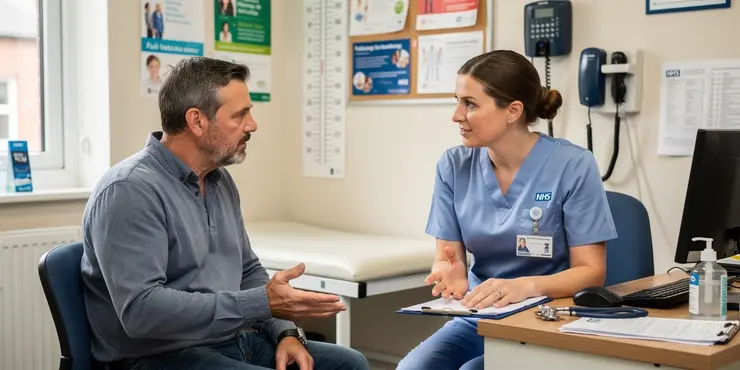
Do I need a referral to receive medical treatment in the EU?
Relevance: 100%
-

How do I bring up a referral to my doctor?
Relevance: 92%
-
Do I need a referral to see a chiropractor?
Relevance: 86%
-

Do I need a referral before contacting a urologist?
Relevance: 86%
-
Will my insurance cover a menopause specialist referral?
Relevance: 85%
-
Can I ask for a referral if I have had breast cancer or other complex medical issues?
Relevance: 84%
-

Can I ask for a referral to a menopause specialist?
Relevance: 82%
-
Do I need a referral to see a menopause specialist?
Relevance: 82%
-

Can I ask for a referral even if my symptoms are mild?
Relevance: 78%
-

Can I get a referral for menopause if I am under 45?
Relevance: 78%

-
Can I ask for a referral to a specialist for early menopause?
Relevance: 77%
-

When should I ask for a referral to a menopause specialist?
Relevance: 73%
-

Is it okay to ask for a referral to a menopause specialist if I feel dismissed?
Relevance: 73%
-

Can I consult with NHS doctors online for prostate cancer?
Relevance: 72%
-

Is it necessary to consult a healthcare professional before purchasing weight loss drugs?
Relevance: 62%
-

Do I need a referral to see an NHS dentist?
Relevance: 60%
-
Can I receive teleconsultations with EU doctors before traveling?
Relevance: 58%
-

Can my primary care doctor help me choose a urologist?
Relevance: 57%
-

Do I need to consult a doctor before exercising during pregnancy?
Relevance: 56%
-

What type of doctor is a menopause specialist?
Relevance: 55%
-

Gastroscopy - What to Expect on Referral to Chesterfield Royal Hospital
Relevance: 53%
-
When should I see a doctor for psoriasis?
Relevance: 53%
-

What if my doctor says I do not need a menopause specialist?
Relevance: 48%
-
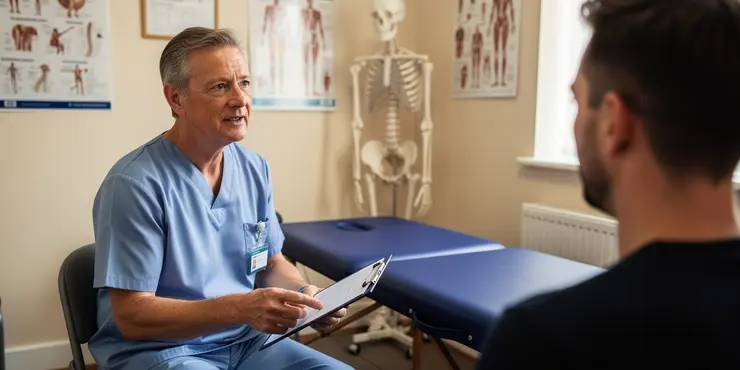
Do chiropractors prescribe medications?
Relevance: 48%
-

What is a Psychiatrist?
Relevance: 45%
-

Will the office contact my primary care doctor?
Relevance: 45%
-
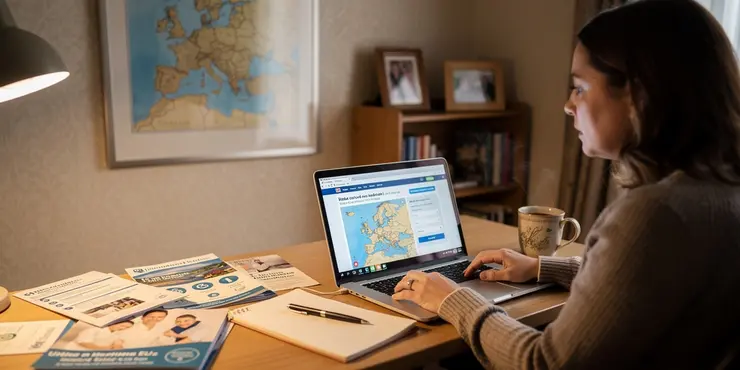
How do I arrange travel and accommodation for medical treatment in the EU?
Relevance: 45%
-

How long does it usually take to get a urology appointment?
Relevance: 44%
-
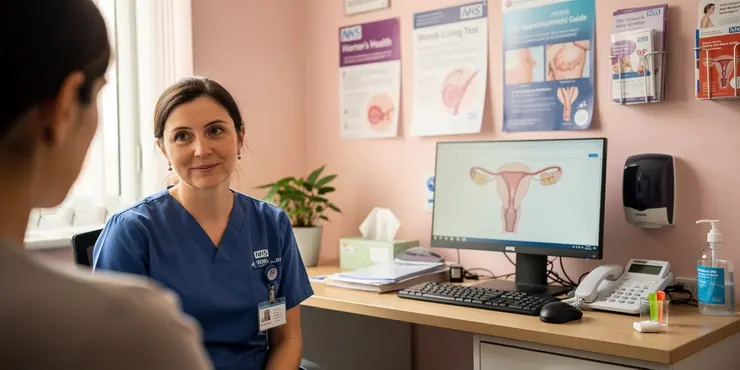
Is the womb lining test covered by the NHS?
Relevance: 43%
-

How long does it take to get an appointment with a menopause specialist?
Relevance: 42%
-

Can I travel to EU countries for medical treatment?
Relevance: 41%
-

Should I consult a healthcare provider before starting collagen supplements?
Relevance: 41%
-
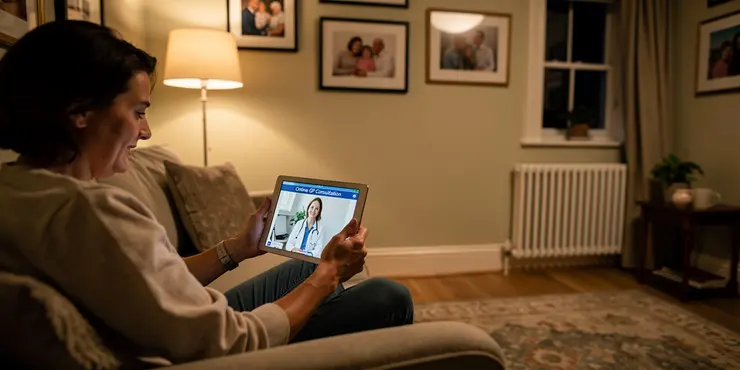
Will I still have access to doctors and nurses on a virtual ward?
Relevance: 41%
-

Should I see a doctor for a cold?
Relevance: 40%
-
Is a prescription needed for air physiotherapy?
Relevance: 40%
-

How do I enroll in a virtual ward program?
Relevance: 39%
-
Can I get another doctor to review what happened?
Relevance: 39%
-

What are the steps to arrange medical treatment in an EU country?
Relevance: 39%
-
How do I book a mammogram?
Relevance: 38%
-

Shall I see a doctor?
Relevance: 38%
Think about why you want the referral
Before you speak to your GP, be clear about why you think a referral could help. You might want to see a specialist because your symptoms have not improved, you need further tests, or you want a second opinion.
It can help to write down your main concerns in advance. Include when the problem started, how often it happens, and how it affects your daily life.
Raise it during your appointment
You do not need to wait for the doctor to ask. It is fine to say something like, “I’m worried this may need a specialist’s opinion” or “Would a referral be appropriate in my case?”
Be honest about what you are hoping for. If you want to see a particular type of specialist, mention that too, but stay open to your GP’s advice.
Explain your symptoms clearly
Give a simple, factual account of what has been happening. Mention any changes, what makes the problem better or worse, and whether it is affecting work, sleep, or everyday activities.
Bringing notes can be useful if you tend to forget details at the appointment. You can also mention any treatments you have already tried, including over-the-counter medicines or home remedies.
Ask about the referral process
If your GP agrees a referral is needed, ask what happens next. In the UK, some referrals are made directly by your GP, while others may involve an NHS service, a hospital clinic, or a waiting list.
You can ask how long it may take and whether anything else is needed from you. It is also reasonable to ask what the specialist will do and how you will receive your appointment details.
If your GP says no
Your doctor may decide a referral is not necessary right away. If that happens, ask them to explain why and what the alternative plan is.
You can also ask what symptoms or changes should prompt you to come back. If you still feel strongly that you need another opinion, you may be able to ask to see a different GP in the practice.
Make the conversation easier
It is normal to feel nervous, especially if you have been waiting a long time for help. Try to be direct, calm, and clear about your concerns.
If it helps, take someone with you to the appointment or write down your questions beforehand. The key is to speak up and explain what you need as clearly as you can.
Frequently Asked Questions
How do I ask my doctor for a referral without sounding rude?
You can be direct and polite. Try saying, "I’d like to ask if a referral might be appropriate for my situation."
When is the best time to bring up a referral during the appointment?
Usually near the middle or end of the visit, after you’ve explained your symptoms and concerns, is a good time to ask.
What should I say if I think I need a specialist?
Explain why you’re concerned and say, "Do you think I should see a specialist for this?"
How can I prepare before asking for a referral?
Write down your symptoms, how long they’ve lasted, what makes them worse, and any treatments you’ve already tried.
What if my doctor says a referral is not necessary?
You can ask for the reasoning, discuss other options, and ask what symptoms or changes would make a referral appropriate later.
Should I mention a specific specialist when asking for a referral?
You can if you have one in mind, but it is also fine to ask your doctor for a recommendation.
How do I ask for a referral for mental health care?
You can say, "I’m struggling and would like help finding a mental health specialist. Can you refer me to someone?"
Can I ask for a second opinion referral?
Yes, you can politely say, "I’d like a second opinion to better understand my options. Is that possible?"
What if I’m nervous about asking for a referral?
Keep it simple and honest. Doctors are used to these conversations, and it is okay to say you’re not sure what next step to take.
How do I bring up a referral if I’ve already tried treatment that didn’t work?
Tell your doctor what you tried and what happened, then ask, "Given that this hasn’t helped, would a referral make sense?"
Should I ask for a referral during a telehealth visit?
Yes, you can ask the same way you would in person. Make sure to clearly explain your symptoms and why you’re asking.
What if my insurance requires a referral?
Mention that your plan needs one and ask if your doctor can help with the referral process.
How do I ask for a referral for a child?
Describe the child’s symptoms or concerns and ask, "Do you think my child should see a specialist?"
Is it okay to bring notes when asking for a referral?
Yes, notes can help you stay organized and make sure you cover all your concerns.
How can I ask for a referral if I don’t know which specialist I need?
Explain your symptoms and ask, "What kind of specialist would be best for this?"
What if I’m worried my doctor will think I’m overreacting?
Focus on how the issue affects your daily life and be honest about your concerns. Your doctor can help judge whether a referral is needed.
How do I ask for a referral if I need a different opinion on a diagnosis?
Say, "I’m still uncertain about the diagnosis and would like to discuss seeing a specialist for further evaluation."
Can I ask for a referral by message instead of in person?
Yes, if your clinic allows messages. Keep the request clear, brief, and specific about what you need.
What should I do if my doctor agrees to a referral?
Ask who will place it, how long it may take, whether you need to schedule anything, and what to do if you do not hear back.
How can I follow up if I haven’t gotten the referral yet?
Contact the office, remind them of the referral request, and ask about the status and next steps.

Useful Links
This website offers general information and is not a substitute for professional advice.
Always seek guidance from qualified professionals.
If you have any medical concerns or need urgent help, contact a healthcare professional or emergency services immediately.
Some of this content was generated with AI assistance. We've done our best to keep it accurate, helpful, and human-friendly.
- Ergsy carefully checks the information in the videos we provide here.
- Videos shown by Youtube after a video has completed, have NOT been reviewed by ERGSY.
- To view, click the arrow in centre of video.
- Most of the videos you find here will have subtitles and/or closed captions available.
- You may need to turn these on, and choose your preferred language.
- Go to the video you'd like to watch.
- If closed captions (CC) are available, settings will be visible on the bottom right of the video player.
- To turn on Captions, click settings.
- To turn off Captions, click settings again.
More Items From Ergsy search
-
Do I need a referral to receive medical treatment in the EU?
Relevance: 100%
-
How do I bring up a referral to my doctor?
Relevance: 92%
-
Do I need a referral to see a chiropractor?
Relevance: 86%
-
Do I need a referral before contacting a urologist?
Relevance: 86%
-
Will my insurance cover a menopause specialist referral?
Relevance: 85%
-
Can I ask for a referral if I have had breast cancer or other complex medical issues?
Relevance: 84%
-
Can I ask for a referral to a menopause specialist?
Relevance: 82%
-
Do I need a referral to see a menopause specialist?
Relevance: 82%
-
Can I ask for a referral even if my symptoms are mild?
Relevance: 78%
-
Can I get a referral for menopause if I am under 45?
Relevance: 78%
-
Can I ask for a referral to a specialist for early menopause?
Relevance: 77%
-
When should I ask for a referral to a menopause specialist?
Relevance: 73%
-
Is it okay to ask for a referral to a menopause specialist if I feel dismissed?
Relevance: 73%
-
Can I consult with NHS doctors online for prostate cancer?
Relevance: 72%
-
Is it necessary to consult a healthcare professional before purchasing weight loss drugs?
Relevance: 62%
-
Do I need a referral to see an NHS dentist?
Relevance: 60%
-
Can I receive teleconsultations with EU doctors before traveling?
Relevance: 58%
-
Can my primary care doctor help me choose a urologist?
Relevance: 57%
-
Do I need to consult a doctor before exercising during pregnancy?
Relevance: 56%
-
What type of doctor is a menopause specialist?
Relevance: 55%
-
Gastroscopy - What to Expect on Referral to Chesterfield Royal Hospital
Relevance: 53%
-
When should I see a doctor for psoriasis?
Relevance: 53%
-
What if my doctor says I do not need a menopause specialist?
Relevance: 48%
-
Do chiropractors prescribe medications?
Relevance: 48%
-
What is a Psychiatrist?
Relevance: 45%
-
Will the office contact my primary care doctor?
Relevance: 45%
-
How do I arrange travel and accommodation for medical treatment in the EU?
Relevance: 45%
-
How long does it usually take to get a urology appointment?
Relevance: 44%
-
Is the womb lining test covered by the NHS?
Relevance: 43%
-
How long does it take to get an appointment with a menopause specialist?
Relevance: 42%
-
Can I travel to EU countries for medical treatment?
Relevance: 41%
-
Should I consult a healthcare provider before starting collagen supplements?
Relevance: 41%
-
Will I still have access to doctors and nurses on a virtual ward?
Relevance: 41%
-
Should I see a doctor for a cold?
Relevance: 40%
-
Is a prescription needed for air physiotherapy?
Relevance: 40%
-
How do I enroll in a virtual ward program?
Relevance: 39%
-
Can I get another doctor to review what happened?
Relevance: 39%
-
What are the steps to arrange medical treatment in an EU country?
Relevance: 39%
-
How do I book a mammogram?
Relevance: 38%
-
Shall I see a doctor?
Relevance: 38%