

Speak To An Expert
Get clear, personalised advice for your situation.
Jot down a few questions to make the most of your conversation.
More Items From Ergsy search
-

How does vaping indoors affect air quality for non-users?
Relevance: 100%
-

Can vaping contribute to indoor air pollution?
Relevance: 81%
-

Is vaping dangerous for people around me?
Relevance: 75%
-

How can I protect others from secondhand vapor exposure?
Relevance: 68%
-

Is it possible to detect harmful chemicals in the air from vaping?
Relevance: 68%
-

What are the risks of secondhand vapor from e-cigarettes?
Relevance: 62%
-

Does vaping increase the risk of lung infections for bystanders?
Relevance: 61%
-
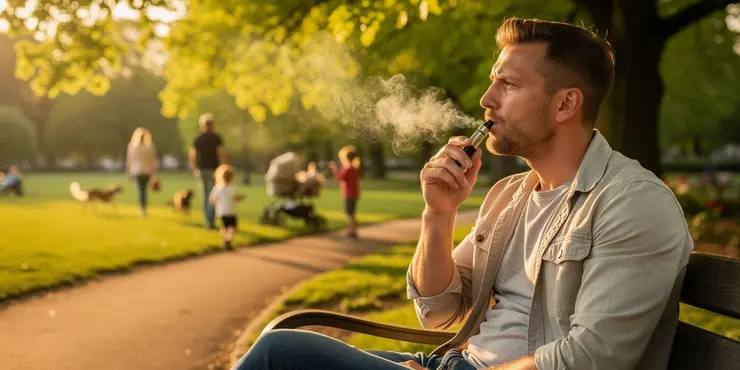
Is secondhand vapor less harmful than secondhand smoke?
Relevance: 60%
-

Is it safe to vape around pregnant women?
Relevance: 56%
-

Does secondhand vapor from e-cigarettes contain nicotine?
Relevance: 51%

-

What is vaping and is it safer than smoking?
Relevance: 46%
-

Calls to Ban Vapes Near School Grounds Gain Momentum
Relevance: 38%
-

What initiatives are being taken to educate youth about the risks of vaping?
Relevance: 37%
-

Rules on E-cigarettes to Tighten Amid Concerns Over Youth Vaping
Relevance: 36%
-

What chemicals have been found in secondhand vapor?
Relevance: 35%
-

Does the flavor of e-cigarettes affect the danger of secondhand vapor?
Relevance: 35%
-

Can secondhand vapor trigger asthma attacks?
Relevance: 30%
-
How does air pollution affect asthma?
Relevance: 28%
-

How do I check current air quality levels in my local area?
Relevance: 28%
-

Is UK air quality changing?
Relevance: 27%
-

Air Pollution and Lung Cancer
Relevance: 26%
-

Are there mobile apps to track air quality and its impact on asthma?
Relevance: 26%
-

High Air Pollution Levels Linked to Rising Cases of Respiratory Issues
Relevance: 25%
-

UK Study Links Poor Air Quality to Increased Asthma Cases in Urban Areas
Relevance: 24%
-
How can I stay cool indoors during a heatwave?
Relevance: 23%
-

Where can I find information on air pollution and its effect on Asthma for my local area?
Relevance: 23%
-

What are some common pollutants that affect asthma sufferers in urban areas?
Relevance: 21%
-

Building a Healthy Home Environment
Relevance: 20%
-

Rise in Childhood Asthma Linked to Air Pollution in Urban Areas
Relevance: 19%
-

What age restrictions apply to purchasing e-cigarettes under the new rules?
Relevance: 19%
-

How long does it take for CBD to work?
Relevance: 18%
-

What forms does CBD come in?
Relevance: 18%
-

Where can I find research studies on air pollution and asthma in my area?
Relevance: 18%
-

What are nicotine pouches?
Relevance: 17%
-
Understanding and Managing Respiratory Illnesses in Families
Relevance: 17%
-
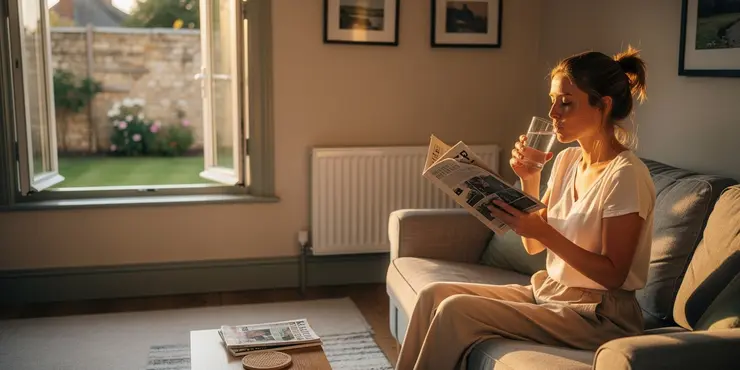
What should I do if I don't have air conditioning?
Relevance: 17%
-

How can I keep my home cool without air conditioning?
Relevance: 17%
-
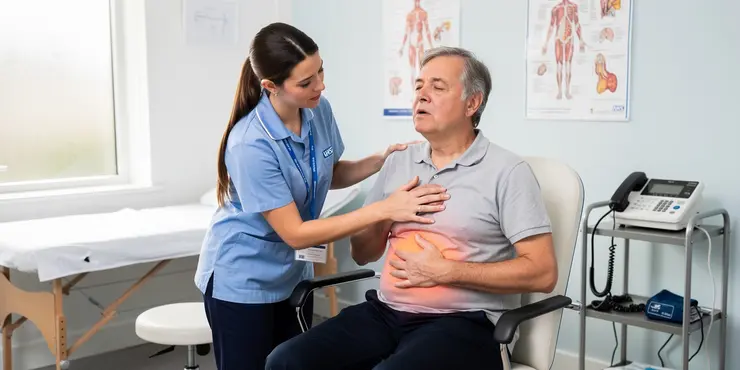
Are there any exercises involved in air physiotherapy?
Relevance: 16%
-

Is a prescription needed for air physiotherapy?
Relevance: 16%
-

Who can benefit from air physiotherapy?
Relevance: 16%
The Composition of Vaping Aerosol
Vaping involves inhaling aerosol, often containing nicotine, flavors, and other chemicals, generated by e-cigarettes. These aerosols are composed of fine particles that can linger in the air for extended periods.
Aside from nicotine, these aerosols may contain volatile organic compounds (VOCs) and other toxic substances. When released indoors, they contribute to the air's chemical composition, potentially affecting air quality.
Impact on Indoor Air Quality
Air quality indoors is crucial for health and well-being, particularly in homes and shared spaces. Vaping indoors introduces contaminants, which can degrade air quality over time.
Studies suggest that indoor vaping can result in air concentrations of nicotine and other chemicals similar to passive smoking effects. The presence of these chemicals can be especially concerning for non-users, like children and those with respiratory conditions.
Health Implications for Non-Users
Non-vapers may still inhale the residual harmful particles from indoor vaping. Prolonged exposure could lead to respiratory issues, particularly in vulnerable individuals such as young children, the elderly, and those with pre-existing health conditions.
Exposure to nicotine and other chemicals in the aerosol can also increase heart rate and blood pressure in non-users, raising concerns about long-term indoor exposure.
Perception and Awareness
Public perception of vaping as 'safer' than smoking might lead some to underestimate its impact on indoor air quality. However, awareness of its potential threats to air quality is growing in the UK.
Educational efforts are essential to inform both vapers and non-vapers about the potential risks associated with indoor vaping, influencing healthy practices and policy decisions.
Measures to Mitigate Indoor Vaping Effects
Implementing ventilation solutions, such as open windows or air purifiers, can help reduce the concentration of aerosols indoors. However, these solutions are not always fully effective.
Ultimately, refraining from vaping indoors is the most effective way to ensure air quality remains high, protecting non-users from unintended exposure. It's important to consider shared spaces and communal air when making decisions about vaping indoors.
Frequently Asked Questions
What is the primary concern of vaping indoors regarding air quality for non-users?
The primary concern is the release of aerosol particles and chemicals into the air, which can be inhaled by non-users and potentially affect their health.
Does vaping release harmful substances into the indoor environment?
Yes, vaping can release nicotine, volatile organic compounds (VOCs), and other potentially harmful substances into the indoor air.
How does vaping indoors compare to traditional smoking in terms of air quality impact?
While vaping generally releases fewer harmful substances compared to traditional smoking, it can still degrade indoor air quality and expose non-users to aerosolized chemicals.
What are the components of vape aerosol that may affect air quality?
Vape aerosol can contain nicotine, flavorings, propylene glycol, vegetable glycerin, and various other chemicals.
Can secondhand exposure to vape aerosol affect respiratory health?
Yes, non-users exposed to vape aerosol may experience respiratory irritation and other health issues, particularly if they have pre-existing respiratory conditions.
Are there any long-term studies on the impact of vaping indoors on air quality?
Long-term studies are limited, but existing research indicates that vaping can contribute to indoor air pollution similar to smoking, albeit to a lesser degree.
Do indoor air quality standards address vaping emissions?
Many air quality guidelines and workplace standards do not specifically address vaping emissions yet, but there is a growing recognition of their potential impact.
Can air purifiers effectively reduce vape aerosol in indoor environments?
Some air purifiers may help reduce particles in the air; however, not all are effective against the specific compounds found in vape aerosol.
Is there a difference in air quality impact between different types of vaping devices?
Yes, different devices and e-liquid formulations can produce varying levels of emissions, affecting air quality to different extents.
Can vaping indoors have an impact on the odor of an indoor environment?
Yes, vaping can introduce noticeable odors corresponding to the flavors used, which can linger and affect indoor air quality.
What measures can be taken to minimize the impact of vaping on indoor air quality?
Measures include using high-efficiency air filtration, ensuring proper ventilation, and promoting vaping in designated areas only.
Does vaping increase particulate matter levels indoors?
Vaping can increase levels of particulate matter indoors, similar to smoking, affecting air quality for non-users.
Are non-users at risk of thirdhand exposure from vaping indoors?
Yes, residues from vape aerosol can settle on surfaces, posing a risk of thirdhand exposure to non-users over time.
Can vaping indoors affect people with asthma or other respiratory conditions more severely?
Yes, individuals with asthma or other respiratory conditions may experience aggravated symptoms when exposed to vape aerosol indoors.
Does vaping indoors contribute to indoor environmental pollution?
Vaping contributes to indoor environmental pollution by releasing various chemicals and particulate matter into the air.
What role does ventilation play in mitigating the effects of indoor vaping?
Good ventilation can help disperse and reduce the concentration of vape aerosol in the air, potentially diminishing its impact on non-users.
Are there regulations that restrict vaping indoors to protect air quality?
Regulations vary by region, with some places banning vaping indoors in public spaces to protect air quality and public health.
How does the impact of vaping on indoor air quality compare with other common indoor activities?
While cooking, cleaning, and other activities also affect air quality, vaping introduces specific chemicals that can be harmful with prolonged exposure.
Is exposure to indoor vape aerosol a concern for children and pets?
Yes, children and pets are more susceptible to the health effects of inhaling vape aerosol due to their smaller size and developing respiratory systems.
Can remodeling or cleaning remove vape residues from indoor environments?
Routine cleaning might remove some residues, but thorough cleaning or remodeling may be necessary to address thirdhand exposure concerns.

Useful Links
This website offers general information and is not a substitute for professional advice.
Always seek guidance from qualified professionals.
If you have any medical concerns or need urgent help, contact a healthcare professional or emergency services immediately.
Some of this content was generated with AI assistance. We've done our best to keep it accurate, helpful, and human-friendly.
- Ergsy carefully checks the information in the videos we provide here.
- Videos shown by Youtube after a video has completed, have NOT been reviewed by ERGSY.
- To view, click the arrow in centre of video.
- Most of the videos you find here will have subtitles and/or closed captions available.
- You may need to turn these on, and choose your preferred language.
- Go to the video you'd like to watch.
- If closed captions (CC) are available, settings will be visible on the bottom right of the video player.
- To turn on Captions, click settings.
- To turn off Captions, click settings again.
More Items From Ergsy search
-
How does vaping indoors affect air quality for non-users?
Relevance: 100%
-
Can vaping contribute to indoor air pollution?
Relevance: 81%
-
Is vaping dangerous for people around me?
Relevance: 75%
-
How can I protect others from secondhand vapor exposure?
Relevance: 68%
-
Is it possible to detect harmful chemicals in the air from vaping?
Relevance: 68%
-
What are the risks of secondhand vapor from e-cigarettes?
Relevance: 62%
-
Does vaping increase the risk of lung infections for bystanders?
Relevance: 61%
-
Is secondhand vapor less harmful than secondhand smoke?
Relevance: 60%
-
Is it safe to vape around pregnant women?
Relevance: 56%
-
Does secondhand vapor from e-cigarettes contain nicotine?
Relevance: 51%
-
What is vaping and is it safer than smoking?
Relevance: 46%
-
Calls to Ban Vapes Near School Grounds Gain Momentum
Relevance: 38%
-
What initiatives are being taken to educate youth about the risks of vaping?
Relevance: 37%
-
Rules on E-cigarettes to Tighten Amid Concerns Over Youth Vaping
Relevance: 36%
-
What chemicals have been found in secondhand vapor?
Relevance: 35%
-
Does the flavor of e-cigarettes affect the danger of secondhand vapor?
Relevance: 35%
-
Can secondhand vapor trigger asthma attacks?
Relevance: 30%
-
How does air pollution affect asthma?
Relevance: 28%
-
How do I check current air quality levels in my local area?
Relevance: 28%
-
Is UK air quality changing?
Relevance: 27%
-
Air Pollution and Lung Cancer
Relevance: 26%
-
Are there mobile apps to track air quality and its impact on asthma?
Relevance: 26%
-
High Air Pollution Levels Linked to Rising Cases of Respiratory Issues
Relevance: 25%
-
UK Study Links Poor Air Quality to Increased Asthma Cases in Urban Areas
Relevance: 24%
-
How can I stay cool indoors during a heatwave?
Relevance: 23%
-
Where can I find information on air pollution and its effect on Asthma for my local area?
Relevance: 23%
-
What are some common pollutants that affect asthma sufferers in urban areas?
Relevance: 21%
-
Building a Healthy Home Environment
Relevance: 20%
-
Rise in Childhood Asthma Linked to Air Pollution in Urban Areas
Relevance: 19%
-
What age restrictions apply to purchasing e-cigarettes under the new rules?
Relevance: 19%
-
How long does it take for CBD to work?
Relevance: 18%
-
What forms does CBD come in?
Relevance: 18%
-
Where can I find research studies on air pollution and asthma in my area?
Relevance: 18%
-
What are nicotine pouches?
Relevance: 17%
-
Understanding and Managing Respiratory Illnesses in Families
Relevance: 17%
-
What should I do if I don't have air conditioning?
Relevance: 17%
-
How can I keep my home cool without air conditioning?
Relevance: 17%
-
Are there any exercises involved in air physiotherapy?
Relevance: 16%
-
Is a prescription needed for air physiotherapy?
Relevance: 16%
-
Who can benefit from air physiotherapy?
Relevance: 16%