

Speak To An Expert
Get clear, personalised advice for your situation.
Jot down a few questions to make the most of your conversation.
More Items From Ergsy search
-

What is a manufacturers liability for the products it sells?
Relevance: 100%
-

What is a manufacturer's liability for the products it sells?
Relevance: 99%
-

Does a manufacturer's liability end after a product is sold?
Relevance: 95%
-

Does a manufacturer have liability even if it was not negligent?
Relevance: 90%
-

What is strict liability in product liability cases?
Relevance: 89%
-

How do warranties relate to manufacturer liability?
Relevance: 89%
-

What are the main types of product liability claims against manufacturers?
Relevance: 89%
-

Why is manufacturer liability important for consumers?
Relevance: 89%
-

Does consumer misuse always protect a manufacturer from liability?
Relevance: 83%
-

What defenses can a manufacturer raise in a product liability case?
Relevance: 82%

-

Can a manufacturer be liable for products made by a supplier?
Relevance: 79%
-

How long can a manufacturer be liable after a product is sold?
Relevance: 75%
-

Can a manufacturer be liable for a product that was altered after sale?
Relevance: 75%
-

When can a manufacturer be held liable for product defects?
Relevance: 73%
-

Are manufacturers liable for products sold online or through third parties?
Relevance: 73%
-

Can an injured person sue both the manufacturer and seller?
Relevance: 65%
-

Is a manufacturer responsible for warnings on its products?
Relevance: 59%
-

Can a manufacturer be liable for economic losses only?
Relevance: 59%
-

What are Public Liability Claims?
Relevance: 53%
-

Are public liability claims the same as personal injury claims?
Relevance: 51%
-

Do public liability claims only apply in public places?
Relevance: 50%
-

Who can make a public liability claim?
Relevance: 49%
-

What kinds of accidents are covered by public liability claims?
Relevance: 49%
-

What is the role of insurance in public liability claims?
Relevance: 49%
-

Will I need to go to court for a public liability claim?
Relevance: 48%
-

Who is usually responsible in a public liability claim?
Relevance: 48%
-

How do I start a public liability claim?
Relevance: 47%
-

How can I reduce my CGT liability on a property sale?
Relevance: 47%
-

Do public liability claims cover emotional distress?
Relevance: 46%
-
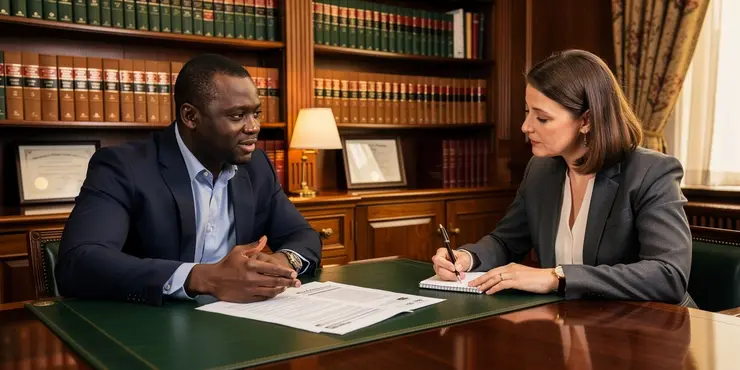
What happens if a product has a design defect?
Relevance: 45%
-

What must be proven in a public liability claim?
Relevance: 44%
-

What compensation can be included in a public liability claim?
Relevance: 43%
-

Why are public liability claims important?
Relevance: 43%
-

What should businesses do if they discover a product defect?
Relevance: 43%
-

Can gifting reduce future inheritance tax liabilities?
Relevance: 40%
-
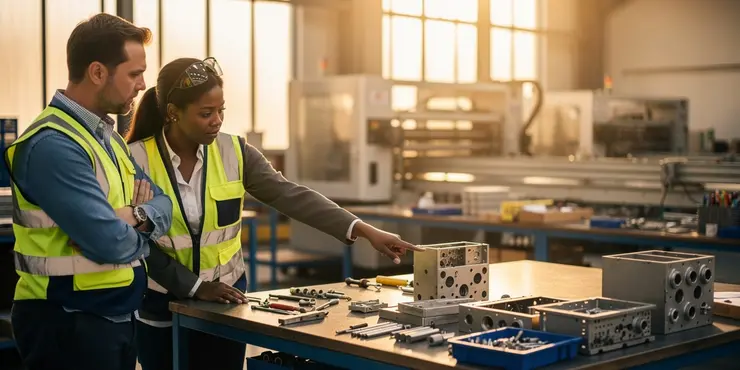
What is a manufacturing defect?
Relevance: 40%
-

How long do I have to make a public liability claim?
Relevance: 40%
-

Do I need evidence for a public liability claim?
Relevance: 38%
-

What is drug manufacturing?
Relevance: 36%
-

Are there any penalties for not complying with a product recall?
Relevance: 35%
Does a manufacturer’s liability end after a product is sold?
No, not necessarily. In the UK, a manufacturer’s responsibility can continue after a product has been sold if the product causes harm because it was defective, unsafe, or not properly tested.
The sale of an item does not automatically end legal responsibility. If a product later proves dangerous and someone is injured, the manufacturer may still face claims depending on the circumstances.
Product liability under UK law
UK product liability law is mainly shaped by the Consumer Protection Act 1987. This law can make a manufacturer strictly liable if a defective product causes personal injury or damage to private property.
Strict liability means the injured person does not usually need to prove negligence. They must show the product was defective, that the defect caused the damage, and that the product was supplied by the defendant.
When liability may continue after sale
Liability may continue if the product was unsafe when it left the manufacturer’s control. This can include design flaws, manufacturing mistakes, or inadequate warnings and instructions.
A manufacturer can also be affected by issues discovered after sale. If they become aware of a serious risk and fail to take reasonable action, such as issuing a recall or warning customers, their exposure may increase.
Duty to warn and recall
Manufacturers may have an ongoing duty to warn consumers about known dangers. If new information shows that a product is risky, simply having sold it earlier may not protect the business.
In some cases, a recall may be necessary. The failure to act quickly after discovering a fault can support a claim that the manufacturer did not take reasonable steps to protect the public.
Limits and time restrictions
There are limits to how long claims can be brought. In many personal injury cases, a claim must usually be started within three years from the date of injury or the date the injured person first knew they had a claim.
There is also a long-stop limit under the Consumer Protection Act, generally 10 years from the date the product was first put into circulation. After that, claims under that Act are usually barred, even if harm appears later.
Other possible claims
Even where product liability rules do not apply, other legal claims may still be possible. For example, a claim in negligence or under contract law may arise in certain situations.
Whether liability continues after sale depends on the facts, the type of product, and when the problem became known. For businesses, this means product safety must be considered long after items leave the factory or shop shelf.
Frequently Asked Questions
Does a manufacturer's liability end after a product is sold?
No. In many cases, a manufacturer's liability can continue after sale if the product is defective, unreasonably dangerous, or if the manufacturer failed to warn about known risks.
What types of liability can continue after a product is sold?
Liability can include product defects, design flaws, manufacturing errors, inadequate warnings, and failure to recall or update safety information.
Is a manufacturer responsible for injuries caused by a defective product after purchase?
Yes, if the injury is linked to a defect or failure to warn that existed when the product left the manufacturer's control.
Does selling a product transfer all responsibility to the buyer?
No. Ownership may transfer, but the manufacturer may still be responsible for defects or hazards attributable to its conduct.
Can a manufacturer be liable if a product becomes dangerous over time?
Potentially, yes. Liability may arise if the danger was foreseeable, the product was improperly designed, or the manufacturer failed to provide adequate maintenance or warning instructions.
Does a warranty affect a manufacturer's liability after sale?
Yes. Express or implied warranties can extend responsibilities beyond the sale, and breaching them may create liability.
Can a manufacturer be sued years after a product was sold?
Often yes, depending on the law, the type of defect, the injury timeline, and applicable limitation periods.
What is the difference between product liability and consumer misuse?
Product liability concerns defects or inadequate warnings, while consumer misuse involves using the product in an unintended or unreasonable way. Misuse can limit liability, but not always eliminate it.
Does a product recall mean the manufacturer is liable?
A recall does not automatically mean liability, but it can be evidence that the manufacturer knew or should have known about a safety issue.
Can warning labels reduce a manufacturer's liability?
Yes, adequate warnings can help reduce liability, but they do not excuse an otherwise defective design or manufacturing flaw.
What if the product was altered after sale?
If a third party or user substantially altered the product, that may reduce or break the manufacturer's liability, depending on whether the original defect still played a role.
Are manufacturers liable for products sold through retailers?
They can be. The fact that a retailer sold the product does not usually remove the manufacturer's responsibility for defects or warnings.
Does compliance with safety regulations eliminate liability?
Not necessarily. Compliance can be helpful evidence, but a manufacturer may still be liable if the product was unreasonably dangerous or inadequately warned.
Can a manufacturer be liable for failing to recall a known dangerous product?
Yes. If the manufacturer knew of a serious hazard and did not take reasonable action, including warnings or recall steps, liability may arise.
What role does negligence play in post-sale liability?
Negligence can make a manufacturer liable if it failed to act reasonably in design, testing, warnings, inspection, or responding to known risks after sale.
Is strict liability possible after a product is sold?
Yes. In many jurisdictions, strict liability can apply if the product was defective and caused harm, even without proving negligence.
Does the end of the sale contract end all legal claims?
No. Contract completion does not necessarily end tort claims, warranty claims, or statutory product liability claims.
Can a manufacturer have post-sale duties to warn?
Yes. In some situations, manufacturers have a duty to warn customers about risks discovered after the product has been sold.
What factors determine whether liability continues after sale?
Key factors include the type of defect, foreseeability of harm, knowledge of the risk, adequacy of warnings, product use, and local law.
So, does a manufacturer's liability always end after a product is sold?
No. Liability often continues after sale when the product is defective, dangerous, or not properly warned about, subject to the facts and governing law.

Useful Linksxxx
This website offers general information and is not a substitute for professional advice.
Always seek guidance from qualified professionals.
If you have any medical concerns or need urgent help, contact a healthcare professional or emergency services immediately.
Some of this content was generated with AI assistance. We've done our best to keep it accurate, helpful, and human-friendly.
- Ergsy carefully checks the information in the videos we provide here.
- Videos shown by Youtube after a video has completed, have NOT been reviewed by ERGSY.
- To view, click the arrow in centre of video.
- Most of the videos you find here will have subtitles and/or closed captions available.
- You may need to turn these on, and choose your preferred language.
- Go to the video you'd like to watch.
- If closed captions (CC) are available, settings will be visible on the bottom right of the video player.
- To turn on Captions, click settings.
- To turn off Captions, click settings again.
More Items From Ergsy search
-
What is a manufacturers liability for the products it sells?
Relevance: 100%
-
What is a manufacturer's liability for the products it sells?
Relevance: 99%
-
Does a manufacturer's liability end after a product is sold?
Relevance: 95%
-
Does a manufacturer have liability even if it was not negligent?
Relevance: 90%
-
What is strict liability in product liability cases?
Relevance: 89%
-
How do warranties relate to manufacturer liability?
Relevance: 89%
-
What are the main types of product liability claims against manufacturers?
Relevance: 89%
-
Why is manufacturer liability important for consumers?
Relevance: 89%
-
Does consumer misuse always protect a manufacturer from liability?
Relevance: 83%
-
What defenses can a manufacturer raise in a product liability case?
Relevance: 82%
-
Can a manufacturer be liable for products made by a supplier?
Relevance: 79%
-
How long can a manufacturer be liable after a product is sold?
Relevance: 75%
-
Can a manufacturer be liable for a product that was altered after sale?
Relevance: 75%
-
When can a manufacturer be held liable for product defects?
Relevance: 73%
-
Are manufacturers liable for products sold online or through third parties?
Relevance: 73%
-
Can an injured person sue both the manufacturer and seller?
Relevance: 65%
-
Is a manufacturer responsible for warnings on its products?
Relevance: 59%
-
Can a manufacturer be liable for economic losses only?
Relevance: 59%
-
What are Public Liability Claims?
Relevance: 53%
-
Are public liability claims the same as personal injury claims?
Relevance: 51%
-
Do public liability claims only apply in public places?
Relevance: 50%
-
Who can make a public liability claim?
Relevance: 49%
-
What kinds of accidents are covered by public liability claims?
Relevance: 49%
-
What is the role of insurance in public liability claims?
Relevance: 49%
-
Will I need to go to court for a public liability claim?
Relevance: 48%
-
Who is usually responsible in a public liability claim?
Relevance: 48%
-
How do I start a public liability claim?
Relevance: 47%
-
How can I reduce my CGT liability on a property sale?
Relevance: 47%
-
Do public liability claims cover emotional distress?
Relevance: 46%
-
What happens if a product has a design defect?
Relevance: 45%
-
What must be proven in a public liability claim?
Relevance: 44%
-
What compensation can be included in a public liability claim?
Relevance: 43%
-
Why are public liability claims important?
Relevance: 43%
-
What should businesses do if they discover a product defect?
Relevance: 43%
-
Can gifting reduce future inheritance tax liabilities?
Relevance: 40%
-
What is a manufacturing defect?
Relevance: 40%
-
How long do I have to make a public liability claim?
Relevance: 40%
-
Do I need evidence for a public liability claim?
Relevance: 38%
-
What is drug manufacturing?
Relevance: 36%
-
Are there any penalties for not complying with a product recall?
Relevance: 35%