

Speak To An Expert
Get clear, personalised advice for your situation.
Jot down a few questions to make the most of your conversation.
More Items From Ergsy search
-

What is a manufacturer's liability for the products it sells?
Relevance: 100%
-

What is a manufacturers liability for the products it sells?
Relevance: 100%
-
Does a manufacturer's liability end after a product is sold?
Relevance: 93%
-

What is strict liability in product liability cases?
Relevance: 93%
-

What are the main types of product liability claims against manufacturers?
Relevance: 92%
-

When can a manufacturer be held liable for product defects?
Relevance: 89%
-

Does a manufacturer have liability even if it was not negligent?
Relevance: 87%
-

What defenses can a manufacturer raise in a product liability case?
Relevance: 84%
-

Why is manufacturer liability important for consumers?
Relevance: 84%
-

Can a manufacturer be liable for products made by a supplier?
Relevance: 83%

-

How do warranties relate to manufacturer liability?
Relevance: 82%
-

Does consumer misuse always protect a manufacturer from liability?
Relevance: 80%
-

How long can a manufacturer be liable after a product is sold?
Relevance: 79%
-

Can a manufacturer be liable for a product that was altered after sale?
Relevance: 79%
-

Are manufacturers liable for products sold online or through third parties?
Relevance: 79%
-
What happens if a product has a design defect?
Relevance: 69%
-

What should businesses do if they discover a product defect?
Relevance: 66%
-
Can an injured person sue both the manufacturer and seller?
Relevance: 66%
-
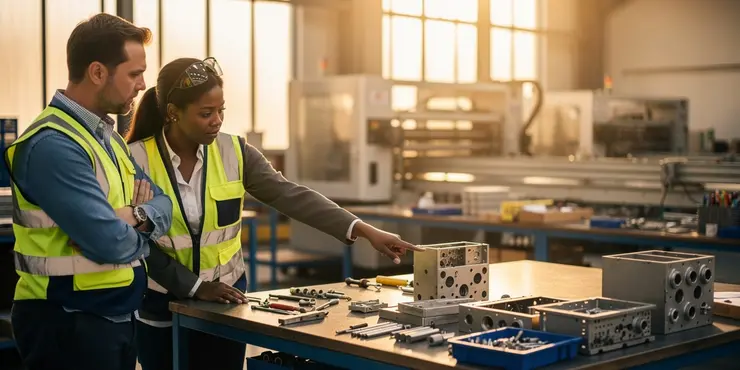
What is a manufacturing defect?
Relevance: 62%
-

Is a manufacturer responsible for warnings on its products?
Relevance: 60%
-

Can a manufacturer be liable for economic losses only?
Relevance: 60%
-

Are there any penalties for not complying with a product recall?
Relevance: 49%
-

What is a duty to recall a product?
Relevance: 47%
-

Who can initiate a product recall in the UK?
Relevance: 46%
-

Can product recalls be reversed?
Relevance: 46%
-

Can recalled products be resold?
Relevance: 45%
-

What kinds of accidents are covered by public liability claims?
Relevance: 45%
-

What are common reasons for product recalls?
Relevance: 44%
-

Can a product recall be voluntary?
Relevance: 44%
-

What is a Product Recall in the UK?
Relevance: 44%
-
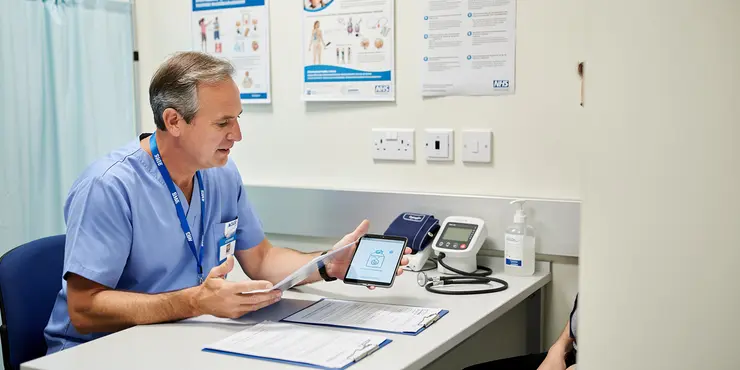
How are product recalls managed in the UK?
Relevance: 42%
-
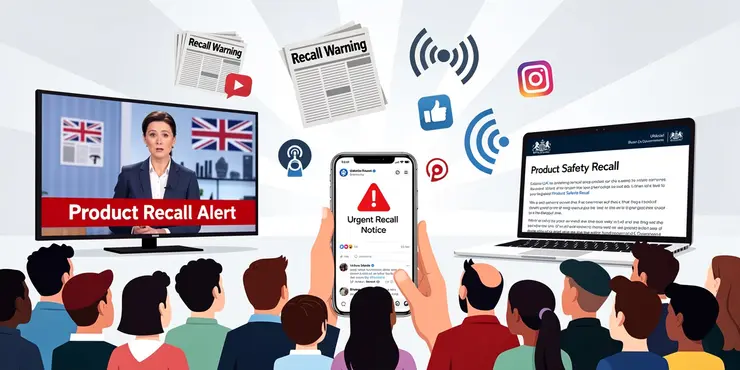
How are consumers informed about a product recall?
Relevance: 41%
-

Do public liability claims only apply in public places?
Relevance: 39%
-

What are Public Liability Claims?
Relevance: 39%
-

Who can make a public liability claim?
Relevance: 38%
-

Who is usually responsible in a public liability claim?
Relevance: 38%
-
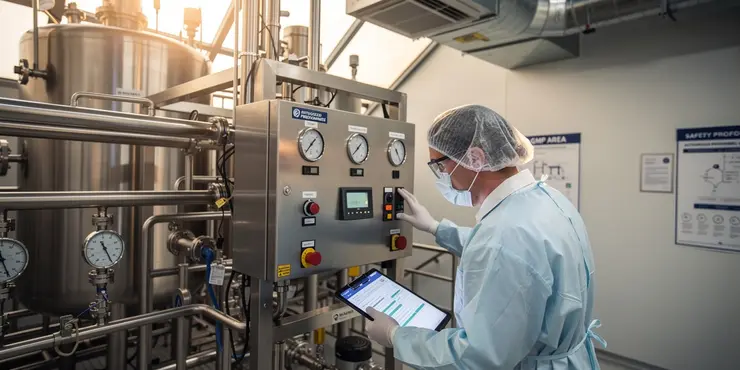
Is the production of ketamine regulated?
Relevance: 37%
-

Are public liability claims the same as personal injury claims?
Relevance: 37%
-
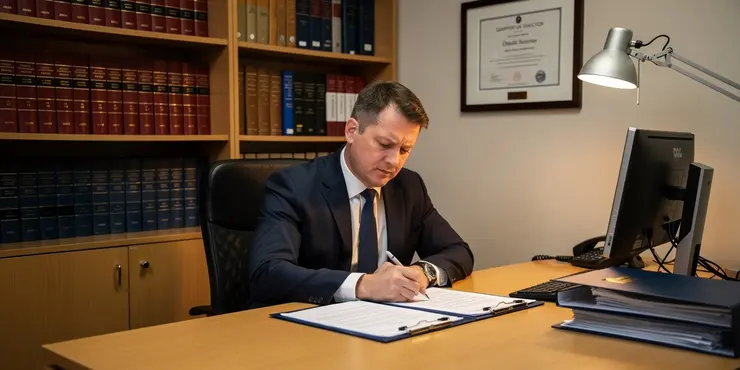
What is the role of insurance in public liability claims?
Relevance: 35%
-

Will I need to go to court for a public liability claim?
Relevance: 35%
When a manufacturer may be liable
A manufacturer can be held liable when a product is defective and that defect causes injury or damage. In the UK, this often arises under the Consumer Protection Act 1987, which places strict liability on producers in certain circumstances.
This means the injured person does not usually have to prove negligence. Instead, they must show that the product was defective, the defect made the product unsafe, and the defect caused the loss.
What counts as a defect?
A product is defective if its safety is not what people are generally entitled to expect. Courts will look at how the product was marketed, its instructions, warnings, and the way it was supplied.
Common examples include faulty electrical goods, unsafe machinery, contaminated food, or medicines with dangerous side effects that were not properly warned about. A product may also be defective if it was poorly designed, manufactured incorrectly, or lacked adequate safety instructions.
Who can bring a claim?
Claims are usually brought by consumers, workers, or anyone injured by the defective product. The law can also cover property damage, although there are limits and not every type of loss is recoverable.
In practice, the person making the claim must connect their injury or damage to the defect. If the harm happened for another reason, liability will be harder to prove.
When the manufacturer may not be responsible
A manufacturer is not automatically liable for every accident involving its product. If the product was misused, altered after sale, or used in a way the manufacturer could not reasonably foresee, liability may be reduced or avoided.
There are also defences available in some cases. For example, a manufacturer may argue that the defect did not exist when the product was supplied, or that the state of scientific knowledge at the time made the defect impossible to detect.
Other possible defendants
Although manufacturers are a main focus, they are not the only parties who may be responsible. Importers, own-brand sellers, and sometimes suppliers can also face claims if they are treated as the producer under the law.
This is important where the actual manufacturer is overseas or difficult to identify. In some cases, the retailer may have to provide details of the producer or may themselves become liable if no producer can be traced.
How claims are usually assessed
Each case depends on its facts, including the product type, the severity of the defect, and the evidence available. Expert reports, photographs, witness statements, and medical records often play a key role.
There are also time limits for bringing claims, so it is important to act promptly. If you believe a product defect caused harm, getting legal advice early can help preserve evidence and improve the chances of success.
Frequently Asked Questions
When can a manufacturer be held liable for product defects?
A manufacturer can be held liable when a product defect causes injury or damage and the defect existed when the product left the manufacturer’s control.
What are the main types of product defects?
The main types are design defects, manufacturing defects, and failure to warn or inadequate instructions.
What is a design defect?
A design defect exists when the product’s blueprint or intended design is unreasonably dangerous even if it was made correctly.
What is a manufacturing defect?
A manufacturing defect happens when a product is built incorrectly and differs from the intended design, making it unsafe.
What is a failure-to-warn defect?
A failure-to-warn defect occurs when a product lacks adequate warnings, labels, or instructions about non-obvious risks.
Does a manufacturer have to intend harm to be liable?
No. Liability usually does not require intent to harm; it often depends on whether the product was defective and caused injury.
Can a manufacturer be liable if it followed all regulations?
Yes, in some cases. Compliance with regulations may help the defense, but it does not automatically prevent liability.
Must the product be new for a manufacturer to be liable?
No. A manufacturer may still be liable for defective products even if the product is not new, depending on the circumstances and applicable law.
Is the manufacturer liable if someone misuses the product?
Usually only if the misuse was foreseeable or if the product was still defective and the defect contributed to the injury.
Can a manufacturer be liable for a product that was modified after sale?
Often liability is reduced or defeated if an unsafe post-sale modification caused the harm, unless the original defect still played a role.
Does a defect have to cause an injury for liability to exist?
Typically yes. The defect must usually be the cause of an injury, death, or property damage to support a claim.
Can a manufacturer be liable for property damage only?
Yes. In many cases, a defective product that causes property damage can still lead to manufacturer liability.
What does it mean if a product is unreasonably dangerous?
It means the product poses dangers beyond what an ordinary consumer would expect or beyond what is acceptable under legal standards.
Can a manufacturer be liable for a product that was tested and approved?
Yes. Testing or approval may be relevant evidence, but a defect can still exist and create liability.
How long after sale can a manufacturer be held liable?
Liability depends on the statute of limitations and repose, which vary by jurisdiction and type of claim.
Can warnings on the packaging eliminate liability?
Not always. Warnings must be adequate and specific; weak or incomplete warnings may not protect the manufacturer.
Is a manufacturer liable if the defect was obvious?
Sometimes liability is limited if the danger was open and obvious, but this does not always eliminate a claim.
Can a manufacturer be liable for defects in components made by another company?
Yes, if the manufacturer integrated the component, failed to inspect it reasonably, or otherwise contributed to the defect under applicable law.
What evidence is important in a product defect claim?
Important evidence can include the product itself, expert analysis, warnings, design documents, testing records, and proof of injury or damage.
Does strict liability apply to manufacturer defect claims?
Often yes. In many jurisdictions, a manufacturer can be held strictly liable if the product was defective and caused harm, even without proving negligence.

Useful Linksxxx
This website offers general information and is not a substitute for professional advice.
Always seek guidance from qualified professionals.
If you have any medical concerns or need urgent help, contact a healthcare professional or emergency services immediately.
Some of this content was generated with AI assistance. We've done our best to keep it accurate, helpful, and human-friendly.
- Ergsy carefully checks the information in the videos we provide here.
- Videos shown by Youtube after a video has completed, have NOT been reviewed by ERGSY.
- To view, click the arrow in centre of video.
- Most of the videos you find here will have subtitles and/or closed captions available.
- You may need to turn these on, and choose your preferred language.
- Go to the video you'd like to watch.
- If closed captions (CC) are available, settings will be visible on the bottom right of the video player.
- To turn on Captions, click settings.
- To turn off Captions, click settings again.
More Items From Ergsy search
-
What is a manufacturer's liability for the products it sells?
Relevance: 100%
-
What is a manufacturers liability for the products it sells?
Relevance: 100%
-
Does a manufacturer's liability end after a product is sold?
Relevance: 93%
-
What is strict liability in product liability cases?
Relevance: 93%
-
What are the main types of product liability claims against manufacturers?
Relevance: 92%
-
When can a manufacturer be held liable for product defects?
Relevance: 89%
-
Does a manufacturer have liability even if it was not negligent?
Relevance: 87%
-
What defenses can a manufacturer raise in a product liability case?
Relevance: 84%
-
Why is manufacturer liability important for consumers?
Relevance: 84%
-
Can a manufacturer be liable for products made by a supplier?
Relevance: 83%
-
How do warranties relate to manufacturer liability?
Relevance: 82%
-
Does consumer misuse always protect a manufacturer from liability?
Relevance: 80%
-
How long can a manufacturer be liable after a product is sold?
Relevance: 79%
-
Can a manufacturer be liable for a product that was altered after sale?
Relevance: 79%
-
Are manufacturers liable for products sold online or through third parties?
Relevance: 79%
-
What happens if a product has a design defect?
Relevance: 69%
-
What should businesses do if they discover a product defect?
Relevance: 66%
-
Can an injured person sue both the manufacturer and seller?
Relevance: 66%
-
What is a manufacturing defect?
Relevance: 62%
-
Is a manufacturer responsible for warnings on its products?
Relevance: 60%
-
Can a manufacturer be liable for economic losses only?
Relevance: 60%
-
Are there any penalties for not complying with a product recall?
Relevance: 49%
-
What is a duty to recall a product?
Relevance: 47%
-
Who can initiate a product recall in the UK?
Relevance: 46%
-
Can product recalls be reversed?
Relevance: 46%
-
Can recalled products be resold?
Relevance: 45%
-
What kinds of accidents are covered by public liability claims?
Relevance: 45%
-
What are common reasons for product recalls?
Relevance: 44%
-
Can a product recall be voluntary?
Relevance: 44%
-
What is a Product Recall in the UK?
Relevance: 44%
-
How are product recalls managed in the UK?
Relevance: 42%
-
How are consumers informed about a product recall?
Relevance: 41%
-
Do public liability claims only apply in public places?
Relevance: 39%
-
What are Public Liability Claims?
Relevance: 39%
-
Who can make a public liability claim?
Relevance: 38%
-
Who is usually responsible in a public liability claim?
Relevance: 38%
-
Is the production of ketamine regulated?
Relevance: 37%
-
Are public liability claims the same as personal injury claims?
Relevance: 37%
-
What is the role of insurance in public liability claims?
Relevance: 35%
-
Will I need to go to court for a public liability claim?
Relevance: 35%