

Speak To An Expert
Get clear, personalised advice for your situation.
Jot down a few questions to make the most of your conversation.
More Items From Ergsy search
-

How do I deregister for VAT?
Relevance: 100%
-
Who needs to register for VAT?
Relevance: 56%
-
What happens if I don't register for VAT when required?
Relevance: 54%
-

Can I register for VAT voluntarily?
Relevance: 54%
-

What is the threshold for mandatory VAT registration?
Relevance: 53%
-

Do I need to register my business for VAT?
Relevance: 51%
-

What is a VAT number?
Relevance: 49%
-

What is VAT?
Relevance: 49%
-

Are there exemptions from registering for VAT?
Relevance: 46%
-

When should a business register for VAT?
Relevance: 45%

-

Can I reclaim VAT on purchases?
Relevance: 45%
-

What is the VAT rate that I need to charge?
Relevance: 43%
-
How do I file VAT returns?
Relevance: 43%
-
What documents are needed for VAT registration?
Relevance: 43%
-

Do all businesses need to charge VAT?
Relevance: 43%
-

Do VAT rules apply to online sales?
Relevance: 43%
-

Is there a software requirement for VAT submissions?
Relevance: 42%
-

Do VAT rules apply to online sales?
Relevance: 41%
-

How long does it take to register for VAT?
Relevance: 39%
-

What is reverse charge VAT?
Relevance: 38%
-
What records do I need to keep for VAT?
Relevance: 38%
-

What is input tax and output tax?
Relevance: 38%
-
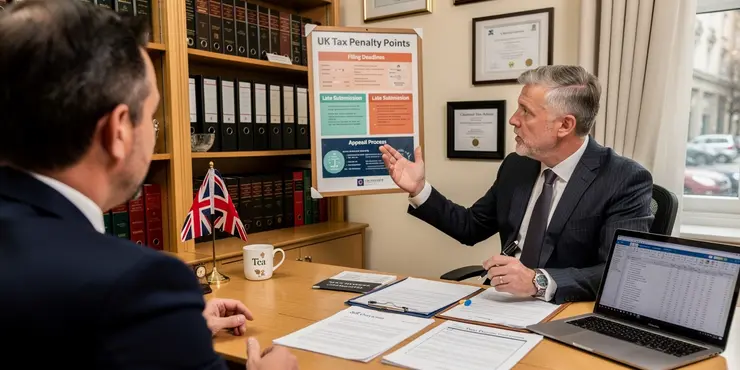
Are penalty points cumulative across different types of taxes?
Relevance: 23%
-
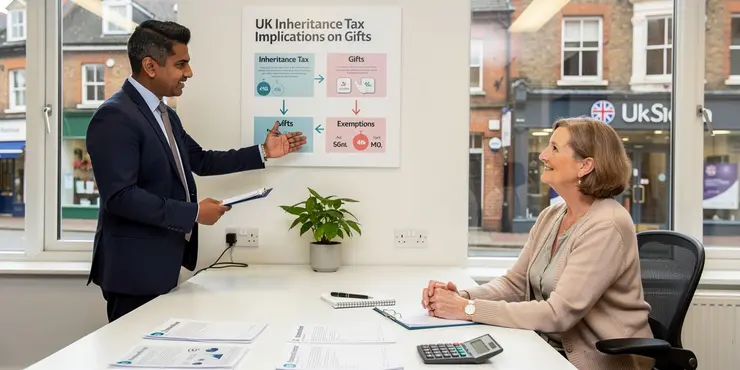
Does the value of gifts affect Inheritance Tax?
Relevance: 21%
-
How do I value the estate for Inheritance Tax purposes?
Relevance: 20%
-

Would a wealth tax replace other taxes in the UK?
Relevance: 20%
-

Chancellor Unveils Plans to Reform UK Tax System
Relevance: 19%
-
Who does the HMRC penalty point system apply to?
Relevance: 18%
-
Can I include previous year's tax debt in a new Time to Pay arrangement?
Relevance: 17%
-

What is HMRC new penalty point system?
Relevance: 16%
-

How is the Inheritance Tax bill calculated?
Relevance: 16%
-
Is the Winter Fuel Payment taxable?
Relevance: 16%
-

How does council tax relate to wealth in the UK?
Relevance: 15%
-

What is the objective of a wealth tax?
Relevance: 15%
-

What is the difference between natural sugar and added sugar?
Relevance: 15%
-

Can gifting reduce future inheritance tax liabilities?
Relevance: 15%
-

What is the process for paying inheritance tax?
Relevance: 15%
-
How and when do I pay Inheritance Tax when someone has died?
Relevance: 15%
-
Is it possible to reduce the Inheritance Tax bill?
Relevance: 15%
-

Do unpaid tax debts affect Inheritance Tax calculations?
Relevance: 15%
Understanding VAT Deregistration
VAT deregistration in the UK is the process of cancelling your VAT registration with HM Revenue & Customs (HMRC). This is applicable to businesses that no longer need to be VAT registered. It could be voluntary or compulsory based on certain conditions.
It is important to understand when you can or must deregister. Deregistering at the right time can save your business from unnecessary administrative burdens and ensure compliance with tax regulations.
Reasons for VAT Deregistration
One common reason for VAT deregistration is if your business ceases trading or changes its trading structure. In such cases, you must inform HMRC as soon as possible.
You might also consider voluntary deregistration if your taxable turnover falls below the deregistration threshold, currently £83,000. Voluntary deregistration could simplify your VAT obligations.
Eligibility Criteria for Deregistration
To deregister, your business must meet certain criteria set by HMRC. If your taxable turnover for the past 12 months is expected to fall below the deregistration threshold, you may be eligible.
If you are closing down or selling your business, you must deregister. Additionally, if you join a VAT group or transfer the business to another VAT-registered entity, you need to deregister.
The Deregistration Process
To begin the deregistration process, you need to inform HMRC. This can be done online through your VAT online account. You must submit a VAT7 form if applying by paper.
After submission, HMRC will review your request. They may contact you for additional information. If approved, you’ll receive confirmation of deregistration, including the date it takes effect.
Post-Deregistration Obligations
Even after deregistering, you are required to keep your VAT records for a minimum of six years. This is necessary if HMRC needs to conduct any investigations.
You must also submit a final VAT return, detailing transactions up to the deregistration date. Any VAT due or reclaimable should be settled with this final return.
Additional Considerations
Keep in mind that deregistering for VAT means you can no longer charge VAT on your sales. This might impact your pricing and competitiveness, especially if your clients are VAT-registered businesses.
Always consider consulting with a tax professional or accountant before deciding to deregister. They can provide tailored advice and help ensure compliance with all regulatory obligations.
Frequently Asked Questions
What does deregistering for VAT mean?
Deregistering for VAT means officially notifying your country's tax authority that you are no longer required or eligible to be a VAT-registered business.
When should I deregister for VAT?
You should deregister for VAT if your taxable turnover falls below the deregistration threshold, you cease trading, or if you are no longer eligible for VAT registration.
How do I start the process of deregistering for VAT?
Contact your local tax authority or access their online portal to find the deregistration application form and follow the specific guidelines provided.
What information do I need to provide to deregister for VAT?
You may need to provide your VAT registration number, business details, and the reason for deregistration, along with supporting documentation.
How long does it take to deregister for VAT?
The processing time can vary based on the tax authority, but typically it takes between two to four weeks after submission of the deregistration form.
Do I need to submit a final VAT return after deregistering?
Yes, you are usually required to submit a final VAT return covering the last VAT accounting period up to the deregistration date.
What happens to my VAT invoices after deregistration?
Once deregistered, you should not issue VAT invoices and will need to inform your customers of the change in your VAT status.
Can I deregister for VAT voluntarily?
Yes, you can voluntarily deregister for VAT if your taxable turnover falls below the threshold or if you find it more beneficial for your business after evaluating your circumstances.
Will I lose any benefits if I deregister for VAT?
Deregistering for VAT means you can no longer reclaim VAT on purchases or charge VAT on sales, which might impact your cash flow and pricing strategy.
What documents should I retain after deregistering for VAT?
You should keep records of your VAT returns, purchase invoices, and correspondence regarding registration and deregistration for at least six years.
Are there any penalties for late deregistration?
Yes, you might face penalties if you fail to deregister when legally required, such as continuing to charge VAT when you're not eligible.
Can I re-register for VAT after deregistration?
Yes, you can re-register for VAT at any point if your business circumstances change, such as surpassing the registration threshold again.
Will deregistration affect my business's credibility?
Deregistering from VAT is a normal business process and should not affect your credibility as long as it's done legally and transparently.
What is the VAT deregistration threshold?
The VAT deregistration threshold varies by country, so you will need to check the current limit with your local tax authority.
What are common reasons for VAT deregistration?
Common reasons include ceasing trading, selling the business, or falling below the VAT threshold.
Do I need to notify clients about my VAT deregistration?
Yes, it is advisable to inform your clients that you will no longer be charging VAT on your invoices after deregistration.
What are the consequences of incorrect VAT deregistration?
Incorrect deregistration can lead to complications with tax compliance, potential fines, and having to make adjustments later.
Can a business be forced to deregister for VAT?
Yes, if a tax authority determines you no longer qualify, they may require you to deregister.
Will I receive confirmation of VAT deregistration?
Yes, most tax authorities will send a confirmation notice or certificate of deregistration upon acceptance of your request.
What should I do if my deregistration application is rejected?
Contact the tax authority to understand the reasons for rejection and seek guidance or rectify the issues for successful deregistration.

Useful Links
This website offers general information and is not a substitute for professional advice.
Always seek guidance from qualified professionals.
If you have any medical concerns or need urgent help, contact a healthcare professional or emergency services immediately.
Some of this content was generated with AI assistance. We've done our best to keep it accurate, helpful, and human-friendly.
- Ergsy carefully checks the information in the videos we provide here.
- Videos shown by Youtube after a video has completed, have NOT been reviewed by ERGSY.
- To view, click the arrow in centre of video.
- Most of the videos you find here will have subtitles and/or closed captions available.
- You may need to turn these on, and choose your preferred language.
- Go to the video you'd like to watch.
- If closed captions (CC) are available, settings will be visible on the bottom right of the video player.
- To turn on Captions, click settings.
- To turn off Captions, click settings again.
More Items From Ergsy search
-
How do I deregister for VAT?
Relevance: 100%
-
Who needs to register for VAT?
Relevance: 56%
-
What happens if I don't register for VAT when required?
Relevance: 54%
-
Can I register for VAT voluntarily?
Relevance: 54%
-
What is the threshold for mandatory VAT registration?
Relevance: 53%
-
Do I need to register my business for VAT?
Relevance: 51%
-
What is a VAT number?
Relevance: 49%
-
What is VAT?
Relevance: 49%
-
Are there exemptions from registering for VAT?
Relevance: 46%
-
When should a business register for VAT?
Relevance: 45%
-
Can I reclaim VAT on purchases?
Relevance: 45%
-
What is the VAT rate that I need to charge?
Relevance: 43%
-
How do I file VAT returns?
Relevance: 43%
-
What documents are needed for VAT registration?
Relevance: 43%
-
Do all businesses need to charge VAT?
Relevance: 43%
-
Do VAT rules apply to online sales?
Relevance: 43%
-
Is there a software requirement for VAT submissions?
Relevance: 42%
-
Do VAT rules apply to online sales?
Relevance: 41%
-
How long does it take to register for VAT?
Relevance: 39%
-
What is reverse charge VAT?
Relevance: 38%
-
What records do I need to keep for VAT?
Relevance: 38%
-
What is input tax and output tax?
Relevance: 38%
-
Are penalty points cumulative across different types of taxes?
Relevance: 23%
-
Does the value of gifts affect Inheritance Tax?
Relevance: 21%
-
How do I value the estate for Inheritance Tax purposes?
Relevance: 20%
-
Would a wealth tax replace other taxes in the UK?
Relevance: 20%
-
Chancellor Unveils Plans to Reform UK Tax System
Relevance: 19%
-
Who does the HMRC penalty point system apply to?
Relevance: 18%
-
Can I include previous year's tax debt in a new Time to Pay arrangement?
Relevance: 17%
-
What is HMRC new penalty point system?
Relevance: 16%
-
How is the Inheritance Tax bill calculated?
Relevance: 16%
-
Is the Winter Fuel Payment taxable?
Relevance: 16%
-
How does council tax relate to wealth in the UK?
Relevance: 15%
-
What is the objective of a wealth tax?
Relevance: 15%
-
What is the difference between natural sugar and added sugar?
Relevance: 15%
-
Can gifting reduce future inheritance tax liabilities?
Relevance: 15%
-
What is the process for paying inheritance tax?
Relevance: 15%
-
How and when do I pay Inheritance Tax when someone has died?
Relevance: 15%
-
Is it possible to reduce the Inheritance Tax bill?
Relevance: 15%
-
Do unpaid tax debts affect Inheritance Tax calculations?
Relevance: 15%