
Speak To An Expert
Get clear, personalised advice for your situation.
Jot down a few questions to make the most of your conversation.
More Items From Ergsy search
-
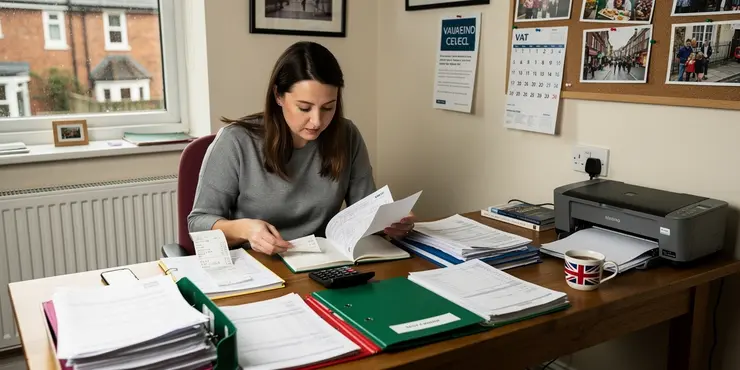
What records do I need to keep for VAT?
Relevance: 100%
-
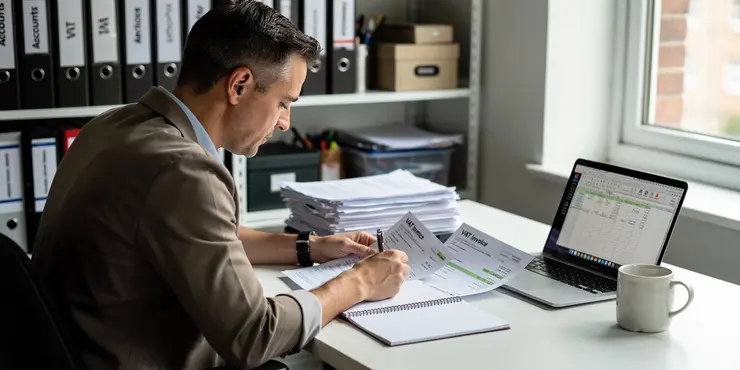
Can I reclaim VAT on purchases?
Relevance: 72%
-
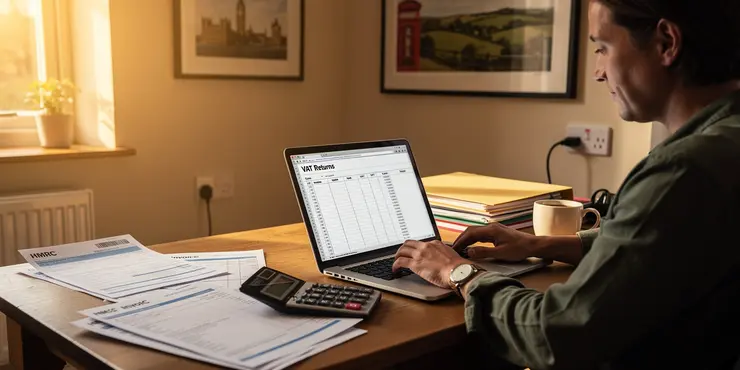
How do I file VAT returns?
Relevance: 71%
-
Can I register for VAT voluntarily?
Relevance: 69%
-
Do I need to register my business for VAT?
Relevance: 69%
-
What documents are needed for VAT registration?
Relevance: 66%
-
Is there a software requirement for VAT submissions?
Relevance: 66%
-

How do I deregister for VAT?
Relevance: 64%
-

When should a business register for VAT?
Relevance: 64%
-
What is VAT?
Relevance: 63%

-

Do VAT rules apply to online sales?
Relevance: 62%
-
What happens if I don't register for VAT when required?
Relevance: 62%
-
What is the threshold for mandatory VAT registration?
Relevance: 62%
-
What is the VAT rate that I need to charge?
Relevance: 62%
-
What is reverse charge VAT?
Relevance: 60%
-
How long does it take to register for VAT?
Relevance: 59%
-
Who needs to register for VAT?
Relevance: 59%
-

Do VAT rules apply to online sales?
Relevance: 58%
-
What is a VAT number?
Relevance: 58%
-
Are there exemptions from registering for VAT?
Relevance: 56%
-
Do all businesses need to charge VAT?
Relevance: 54%
-
What is input tax and output tax?
Relevance: 51%
-
What records should I keep for CGT purposes?
Relevance: 46%
-
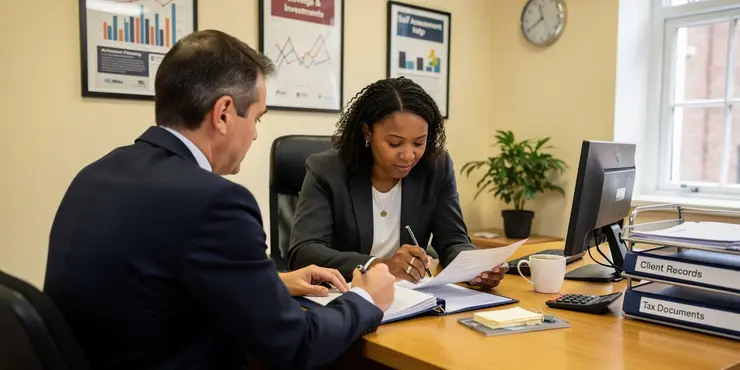
What records should I keep for my Self Assessment?
Relevance: 45%
-
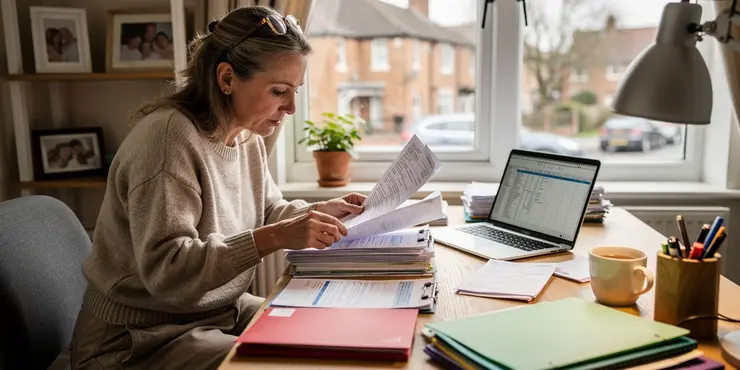
How long should I keep my records?
Relevance: 45%
-
What records should I keep after an accident at work?
Relevance: 44%
-

How long does the NHS keep my records?
Relevance: 43%
-

Are juvenile records accessible in the same way as adult records?
Relevance: 35%
-
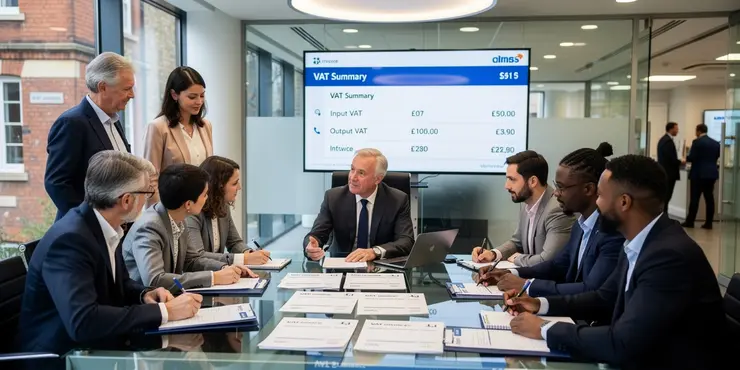
Who does the HMRC penalty point system apply to?
Relevance: 33%
-

Can I ask for my medical records?
Relevance: 33%
-
How can I ensure my police records are accurate?
Relevance: 32%
-

Are there privacy protections for my medical records?
Relevance: 32%
-
Are all police departments required to provide access to records?
Relevance: 32%
-

What kinds of evidence should I keep?
Relevance: 32%
-
Can police records be expunged or sealed?
Relevance: 32%
-

Can I request corrections to my medical records?
Relevance: 32%
-
How can I request access to my medical records?
Relevance: 31%
-
Can a Ring Doorbell Camera record continuously?
Relevance: 31%
-

How do I request corrections to my medical records?
Relevance: 31%
-
Can access to my police records be denied?
Relevance: 31%
Introduction to VAT Records
For businesses in the UK, keeping accurate VAT records is essential. These records are necessary for completing VAT returns accurately. Good record-keeping ensures compliance with HMRC regulations.
Maintaining detailed and organized VAT records can prevent errors and reduce the risk of fines. It also aids in effective audit trails for your business.
Types of Records to Maintain
Businesses need to maintain records of all sales and purchases. This includes invoices, receipts, and any VAT charged on these transactions.
It is important to keep bank statements, cash book records, and till rolls. These documents help verify the figures in your VAT returns.
Details in Sales Invoices
Ensure that sales invoices include key details. These should have your VAT registration number, the invoice date, and tax point (if different).
Include a description of goods or services provided, along with the total VAT charged. Each invoice must also list the customer's name and address.
Details in Purchase Invoices
Purchase invoices should show your supplier's details, including their VAT registration number. This is necessary to reclaim VAT correctly.
Additionally, include the amount of VAT you can reclaim. Keep records of any discounts or credits received from suppliers.
VAT Account and Adjustments
Maintain a VAT account that summarizes VAT on sales and purchases. This account helps ensure accurate VAT returns.
Record any adjustments or corrections made to the VAT account. This includes any reliefs or allowances applied.
Duration for Keeping Records
HMRC requires you to keep VAT records for at least six years. This allows for any assessments or audits they may need to conduct.
Ensure that records are stored securely, whether digitally or in paper format. Adequate backups should also be maintained.
Benefits of Proper VAT Record Keeping
Accurate records help in timely and precise VAT filings. This minimizes the chance of errors and potential fines.
Proper record keeping also aids in financial planning and forecasting. It provides the necessary data to make informed business decisions.
Frequently Asked Questions
What types of records should I keep for VAT?
You should keep records of all sales and purchases, a summary of VAT sales and purchases, and any VAT invoices.
How long do I need to keep VAT records?
You need to keep VAT records for at least 6 years.
Do I need to keep digital records for VAT?
Yes, under Making Tax Digital (MTD), you must keep certain VAT records digitally.
What is a VAT invoice?
A VAT invoice is a specific type of invoice that includes both the VAT amount and VAT registration number.
Do I have to keep records of exports for VAT purposes?
Yes, you must keep records of exports and evidence that goods have left the country.
How detailed should my VAT records be?
Your records should be detailed enough to calculate the VAT you owe or are due to reclaim accurately.
Can I keep my VAT records electronically?
Yes, you can keep your VAT records electronically, which is a requirement under Making Tax Digital if you're registered for VAT.
What happens if I lose a VAT record?
If you lose a VAT record, you should try to get a duplicate from the relevant supplier or customer.
Should I keep records of VAT exempt sales?
Yes, keep records of all sales, including VAT exempt and zero-rated sales, for accurate reporting.
Are there specific formats required for VAT record keeping?
There are no specific formats, but records should be clear, complete, and easily accessible.
Do I need to keep records of petty cash transactions for VAT?
Yes, all business transactions, including petty cash, should be recorded if they involve VAT.
Do I need to keep VAT records for capital items?
Yes, keep records of capital items, as these may impact your VAT returns and relief claims.
Are credit notes part of the VAT records I need to keep?
Yes, credit notes adjusting the value of a supply should be kept as part of your VAT records.
Is a cash register sufficient for VAT record keeping?
A cash register can be used as part of your record-keeping, but you will need additional records for total VAT calculations.
How should I store my VAT records safely?
Store your VAT records securely, either electronically or physically, ensuring they are backed up and protected from damage.
Are receipts important for VAT record keeping?
Yes, keep all receipts as they provide evidence of your transactions and VAT amounts.
Do I need to keep records of intra-EU transactions?
Yes, you must keep detailed records of all intra-EU transactions for VAT purposes.
What should I do if my VAT records are incomplete?
If your VAT records are incomplete, you should reconstruct them as soon as possible and document how you did so.
Do I need an accountant to handle my VAT records?
While you do not need an accountant, professional assistance can help ensure accuracy and compliance.
Are there penalties for not keeping proper VAT records?
Yes, failing to keep proper VAT records can result in penalties from tax authorities.

Useful Links
This website offers general information and is not a substitute for professional advice.
Always seek guidance from qualified professionals.
If you have any medical concerns or need urgent help, contact a healthcare professional or emergency services immediately.
Some of this content was generated with AI assistance. We've done our best to keep it accurate, helpful, and human-friendly.
- Ergsy carefully checks the information in the videos we provide here.
- Videos shown by Youtube after a video has completed, have NOT been reviewed by ERGSY.
- To view, click the arrow in centre of video.
- Most of the videos you find here will have subtitles and/or closed captions available.
- You may need to turn these on, and choose your preferred language.
- Go to the video you'd like to watch.
- If closed captions (CC) are available, settings will be visible on the bottom right of the video player.
- To turn on Captions, click settings.
- To turn off Captions, click settings again.
More Items From Ergsy search
-
What records do I need to keep for VAT?
Relevance: 100%
-
Can I reclaim VAT on purchases?
Relevance: 72%
-
How do I file VAT returns?
Relevance: 71%
-
Can I register for VAT voluntarily?
Relevance: 69%
-
Do I need to register my business for VAT?
Relevance: 69%
-
What documents are needed for VAT registration?
Relevance: 66%
-
Is there a software requirement for VAT submissions?
Relevance: 66%
-
How do I deregister for VAT?
Relevance: 64%
-
When should a business register for VAT?
Relevance: 64%
-
What is VAT?
Relevance: 63%
-
Do VAT rules apply to online sales?
Relevance: 62%
-
What happens if I don't register for VAT when required?
Relevance: 62%
-
What is the threshold for mandatory VAT registration?
Relevance: 62%
-
What is the VAT rate that I need to charge?
Relevance: 62%
-
What is reverse charge VAT?
Relevance: 60%
-
How long does it take to register for VAT?
Relevance: 59%
-
Who needs to register for VAT?
Relevance: 59%
-
Do VAT rules apply to online sales?
Relevance: 58%
-
What is a VAT number?
Relevance: 58%
-
Are there exemptions from registering for VAT?
Relevance: 56%
-
Do all businesses need to charge VAT?
Relevance: 54%
-
What is input tax and output tax?
Relevance: 51%
-
What records should I keep for CGT purposes?
Relevance: 46%
-
What records should I keep for my Self Assessment?
Relevance: 45%
-
How long should I keep my records?
Relevance: 45%
-
What records should I keep after an accident at work?
Relevance: 44%
-
How long does the NHS keep my records?
Relevance: 43%
-
Are juvenile records accessible in the same way as adult records?
Relevance: 35%
-
Who does the HMRC penalty point system apply to?
Relevance: 33%
-
Can I ask for my medical records?
Relevance: 33%
-
How can I ensure my police records are accurate?
Relevance: 32%
-
Are there privacy protections for my medical records?
Relevance: 32%
-
Are all police departments required to provide access to records?
Relevance: 32%
-
What kinds of evidence should I keep?
Relevance: 32%
-
Can police records be expunged or sealed?
Relevance: 32%
-
Can I request corrections to my medical records?
Relevance: 32%
-
How can I request access to my medical records?
Relevance: 31%
-
Can a Ring Doorbell Camera record continuously?
Relevance: 31%
-
How do I request corrections to my medical records?
Relevance: 31%
-
Can access to my police records be denied?
Relevance: 31%