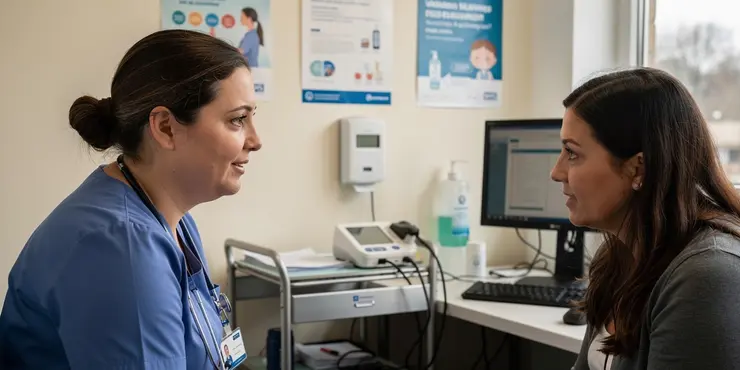

Speak To An Expert
Get clear, personalised advice for your situation.
Jot down a few questions to make the most of your conversation.
More Items From Ergsy search
-

Is the Super Flu contagious?
Relevance: 100%
-

What is Super Flu?
Relevance: 100%
-
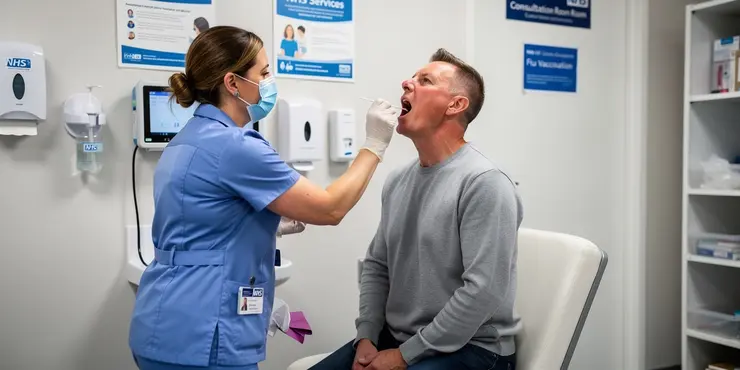
How is Super Flu diagnosed?
Relevance: 97%
-

What are the symptoms of Super Flu?
Relevance: 97%
-

What causes Super Flu?
Relevance: 95%
-

Is Super Flu a new strain of virus?
Relevance: 95%
-
How often does Super Flu occur?
Relevance: 94%
-

What treatments are available for Super Flu?
Relevance: 94%
-
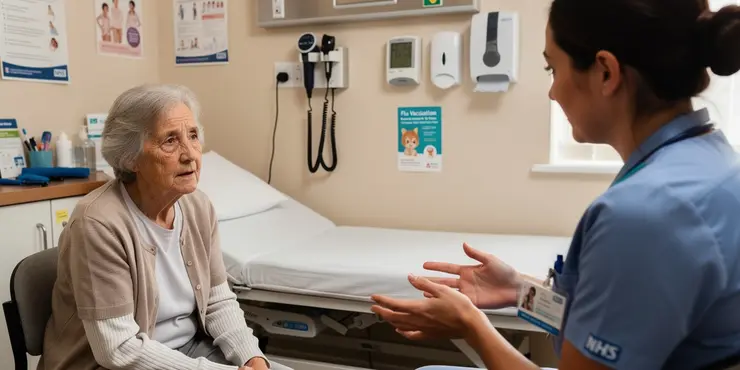
Who is most at risk from Super Flu?
Relevance: 91%
-
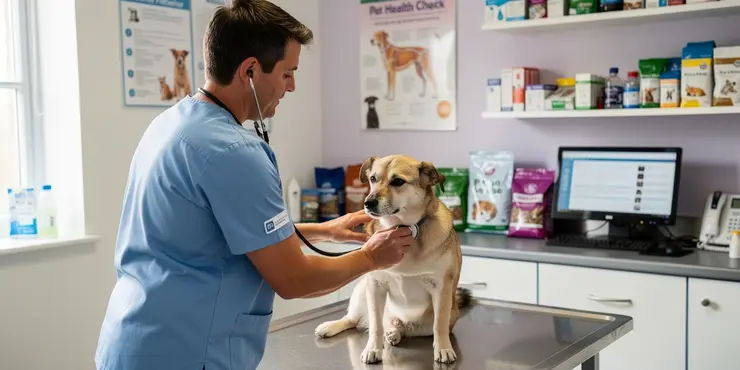
Can animals get Super Flu?
Relevance: 91%

-
Can Super Flu cause a pandemic?
Relevance: 90%
-
Can Super Flu be prevented by vaccines?
Relevance: 90%
-

Has Super Flu occurred in the past?
Relevance: 89%
-
Where can I find more information on Super Flu?
Relevance: 89%
-

What precautions can be taken to avoid Super Flu?
Relevance: 87%
-

Can lifestyle changes help prevent Super Flu?
Relevance: 86%
-

How does one recover from Super Flu?
Relevance: 82%
-
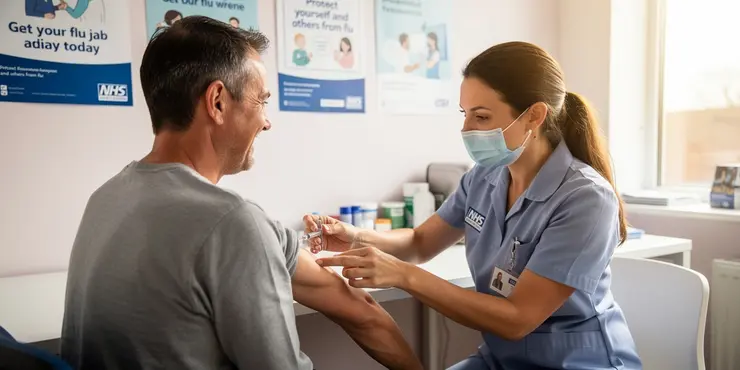
Can the flu vaccine give you the flu?
Relevance: 43%
-
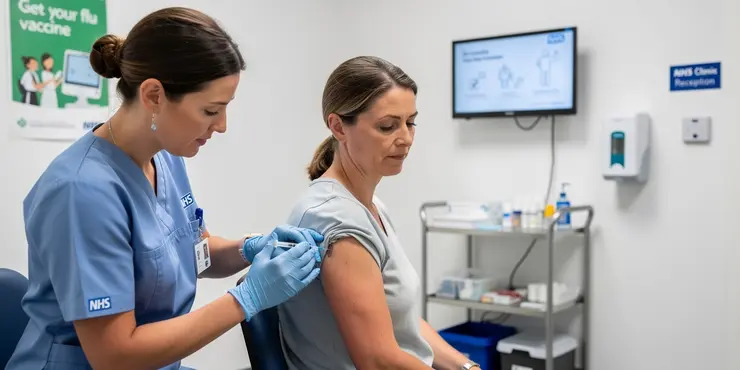
Can the flu vaccine give me the flu?
Relevance: 43%
-
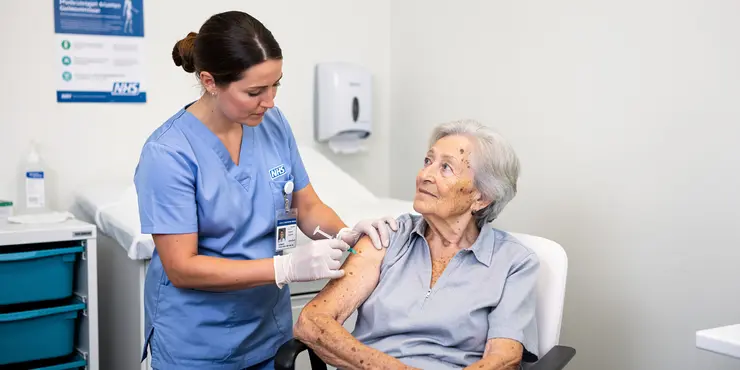
Can the flu jab give you the flu?
Relevance: 43%
-
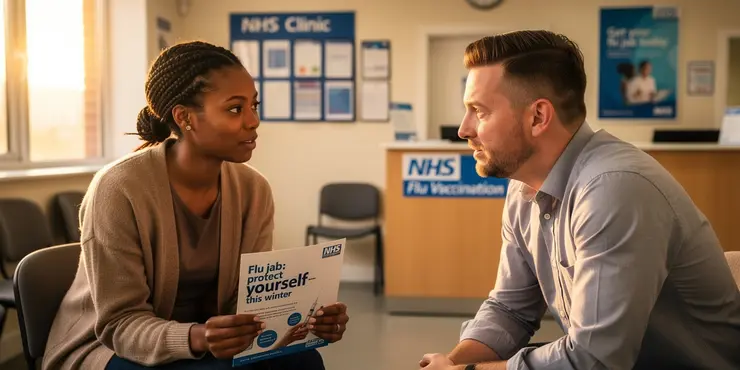
Can the flu jab give me the flu?
Relevance: 43%
-
Just the flu? | NHS
Relevance: 41%
-

Is the winter flu jab effective against all flu strains?
Relevance: 41%
-
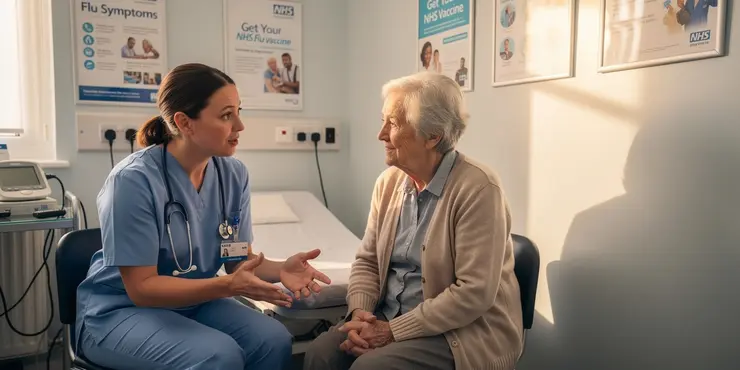
Flu can be fatal
Relevance: 41%
-
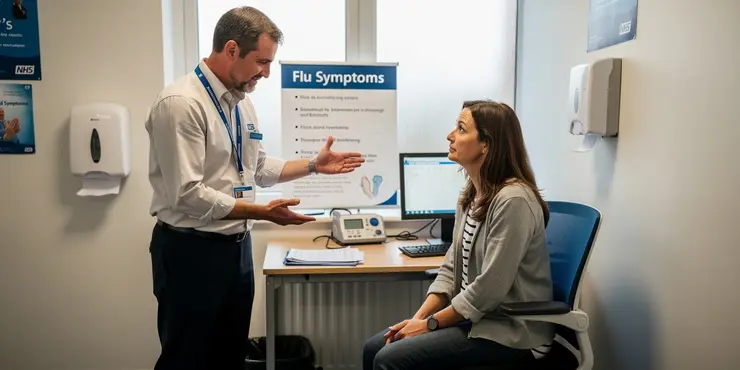
What are the symptoms of flu ?
Relevance: 41%
-
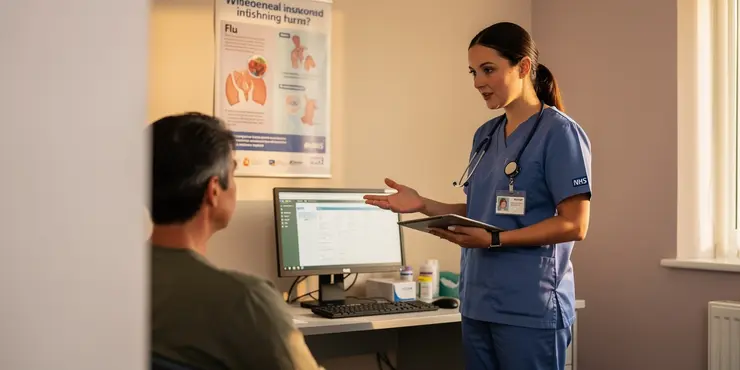
Symptoms of flu (influenza)
Relevance: 41%
-

Treating flu (influenza)
Relevance: 41%
-
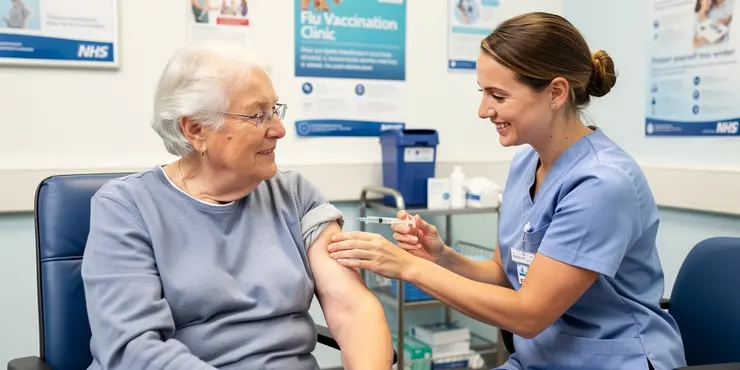
What is the winter flu jab?
Relevance: 41%
-

What role do public health organizations play in managing Super Flu?
Relevance: 40%
-

How effective is the flu vaccine?
Relevance: 40%
-
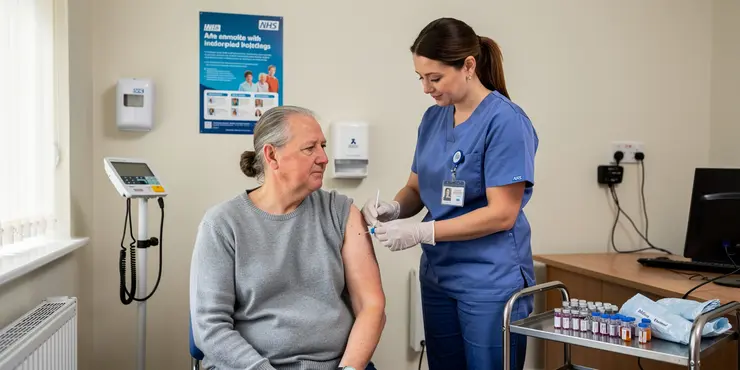
Is the flu jab necessary for healthy individuals?
Relevance: 39%
-

Flu vaccinations for people with a learning disability
Relevance: 39%
-

Where can I get the flu vaccine?
Relevance: 39%
-

Understanding Seasonal Flu: Prevention and Treatment
Relevance: 39%
-

Is flu season going to be bad in 2026?
Relevance: 39%
-

Is the flu vaccine free for everyone in the UK?
Relevance: 39%
-

Current Flu Vaccination Recommendations and Availability
Relevance: 39%
-
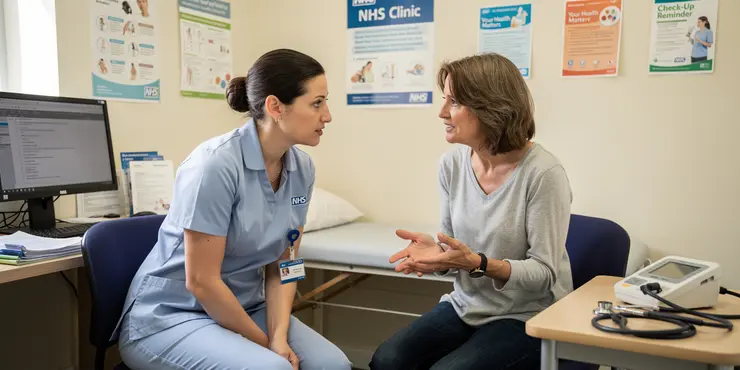
What are the symptoms of H3N2 flu?
Relevance: 39%
-

What is the H3N2 flu strain?
Relevance: 39%
-
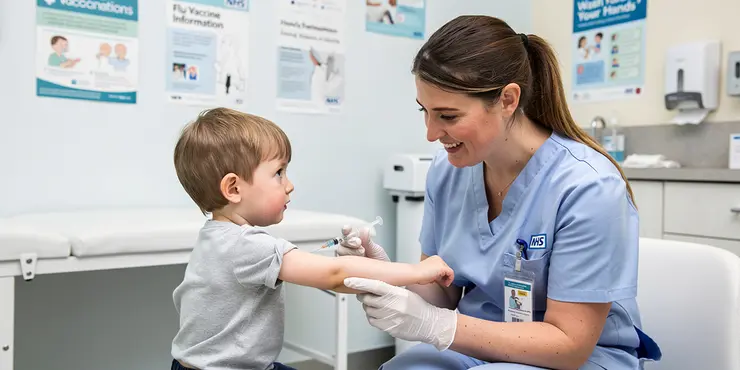
Who should get the flu vaccine in the UK?
Relevance: 39%
Understanding Super Flu
Influenza, commonly known as the flu, is a viral infection that affects millions of people each year. However, when we talk about "Super Flu," we refer to more severe flu strains that have the potential to cause widespread illness due to their high transmissibility and lethality. These strains can lead to pandemics if they spread globally, impacting large numbers of people and healthcare systems.
Frequency of Super Flu Occurrences
Super Flu occurrences are not common yearly events. Rather, they are sporadic and can recur every few decades. The rarity of Super Flu pandemics is largely due to the complex mechanisms of virus mutation and transmission. Influenza viruses undergo genetic changes, known as antigenic drift and antigenic shift, which can occasionally result in new and highly contagious strains. The history of influenza pandemics has shown that significant outbreaks tend to happen few and far between.
The most notable Super Flu pandemics of the last century include the 1918 Spanish Flu, the 1957 Asian Flu, the 1968 Hong Kong Flu, and the 2009 H1N1 Swine Flu. Each of these pandemics was caused by a novel influenza virus to which the global population had little to no immunity, resulting in millions of infections and significant mortality rates.
Monitoring and Prevention
Significant efforts are made internationally to monitor flu viruses and predict potential Super Flu outbreaks. Organizations like the World Health Organization (WHO) and the Centers for Disease Control and Prevention (CDC) work tirelessly to track influenza patterns and mutations across the globe. Their surveillance helps in preparing vaccines that are aimed at the most likely strains to become widespread in any given year.
For the general population, preventive measures for Super Flu are similar to those for regular influenza. These include annual flu vaccinations, maintaining good hygiene practices, such as frequent handwashing, and avoiding close contact with infected individuals. During a Super Flu outbreak, additional measures such as travel restrictions, social distancing, and quarantine may be implemented to control the spread of the virus.
Conclusion
While Super Flu outbreaks do not occur frequently, the potential severity of these pandemics makes them a significant concern for public health officials worldwide. Advancements in medical science and global cooperation have improved the ability to respond to these threats, but the unpredictability of virus evolution means it is crucial for ongoing vigilance and preparedness in addressing the potential of future Super Flu episodes.
Understanding Super Flu
Flu is a sickness caused by a virus. It makes many people sick each year. "Super Flu" is a really strong kind of flu. This flu can spread quickly and make many people very sick. It can even spread all over the world. This is called a pandemic and it can be hard for hospitals to take care of so many sick people at once.
Frequency of Super Flu Occurrences
Super Flu doesn't happen all the time. It happens once in a while, maybe every few decades. The flu virus changes over time. This change is called mutation. Sometimes these changes make a new kind of flu that spreads easily and makes lots of people sick. Super Flus in the past include the 1918 Spanish Flu, 1957 Asian Flu, 1968 Hong Kong Flu, and 2009 Swine Flu. These made a lot of people sick because no one was used to this new virus.
Monitoring and Prevention
People around the world work hard to watch flu viruses. Groups like the World Health Organization (WHO) and Centers for Disease Control and Prevention (CDC) check how the flu changes. They help make vaccines to protect people from getting sick. To stay healthy, get your flu shot every year. Wash your hands often and stay away from sick people. If Super Flu is spreading, people might have to stay home and stop traveling to keep others safe.
Conclusion
Super Flus do not happen often, but they can be very dangerous. Doctors and scientists work hard to be ready and to help us stay safe. The flu virus can still surprise us, so it is important to be careful and ready for anything it might do in the future.
Frequently Asked Questions
What is Super Flu?
Super Flu is a term often used to describe a flu strain that is more severe than typical seasonal flu.
How often does Super Flu occur?
Super Flu does not have a regular occurrence pattern, but pandemics or particularly severe flu seasons have historically occurred every few decades.
What causes the Super Flu to occur?
Super Flu can occur due to new flu strains or mutations that make the virus more virulent or transmissible.
Has there been a recent occurrence of Super Flu?
Specific outbreaks of Super Flu are rare. The most recent pandemic labeled as Super Flu was the H1N1 influenza in 2009.
How can we predict the next occurrence of Super Flu?
Predicting Super Flu is challenging, but scientists monitor flu virus mutations and global health data to anticipate potential outbreaks.
What are the signs of a Super Flu season?
Indicators include rapid spread of flu, high rates of severe illness, and increased hospitalizations or deaths.
How does the Super Flu differ from regular flu?
Super Flu is more severe, causing more hospitalizations and deaths compared to regular seasonal flu.
Can a Super Flu be prevented?
Vaccination and good hygiene can reduce the risk, but complete prevention of a new Super Flu strain is difficult.
Do flu vaccines protect against Super Flu?
Flu vaccines are designed to protect against prevalent strains but may offer limited protection against a new Super Flu.
Is there a treatment for Super Flu?
Antiviral medications can help treat Super Flu, but their effectiveness varies by strain and timing of administration.
What should individuals do during a Super Flu outbreak?
Follow public health advice, practice good hygiene, and consider vaccination if available for the specific strain.
How do health organizations monitor for Super Flu?
Organizations like WHO and CDC monitor flu activity globally and analyze virus samples for changes.
Does Super Flu affect everyone the same way?
People with weakened immune systems, young children, and the elderly may be more severely affected.
Has there been a way to count Super Flu occurrences historically?
Historical records of flu pandemics and severe outbreaks help identify past Super Flu occurrences.
Why is it called Super Flu?
The term emphasizes the more severe impact and increased virulence compared to regular flu.
Are Super Flu and pandemic flu the same?
Super Flu can cause a pandemic, but not all pandemic flu is labeled as Super Flu.
What are the public health responses to Super Flu?
Responses include vaccination campaigns, public health advisories, and travel restrictions.
Can a Super Flu lead to a pandemic?
Yes, if a highly contagious and severe strain spreads globally, it can lead to a pandemic.
How does a Super Flu impact healthcare systems?
It can overwhelm healthcare systems due to increased patient volume and resource demands.
What lessons have been learned from past Super Flu outbreaks?
Enhancing surveillance, improving vaccine development, and preparing healthcare systems are key takeaways.
What is Super Flu?
Super Flu is a very strong kind of flu. The flu is an illness that makes you feel sick. Super Flu can spread quickly and make many people sick.
If you want help to understand more, you can:
- Ask someone to read this to you.
- Watch videos about Super Flu.
- Look at pictures about flu to help you understand.
"Super Flu" is a word people use when talking about a type of flu that is worse than the usual flu doctors see every year.
How often does Super Flu happen?
Super Flu does not happen at the same time every year. Sometimes, there is a very bad flu season. These can happen every few decades.
Why does the Super Flu happen?
Super Flu is a bad kind of flu. It can happen when the flu virus changes. These changes can make the flu spread faster or make people sicker.
Is there a new case of Super Flu?
Super Flu does not happen very often. The last big one was called H1N1 in 2009.
How can we know when Super Flu will come again?
It is hard to know when a Super Flu might happen. But scientists watch changes in the flu virus and look at health information from around the world to try and see if a big flu outbreak might come.
How do you know it's a big flu season?
Signs to watch for are lots of people getting the flu quickly, many people getting very sick, and more people going to the hospital or dying.
What is the difference between the Super Flu and regular flu?
Let's talk about the Super Flu and the regular flu. How are they not the same?
Here are some easy ways to understand:
- The Super Flu is a stronger kind of flu. It can make people feel much worse than the regular flu.
- If you have the Super Flu, you might get sicker and feel bad for a longer time.
- The regular flu can make you feel sick, but not as bad as the Super Flu.
Remember, it's always good to talk to a grown-up or a doctor if you feel sick. They can help you know what to do.
Here's a tool to help:
- Ask a family member or teacher to read with you.
- Use pictures to help understand more about flu.
Super Flu is a very strong illness. It makes more people very sick and more people have to go to the hospital than regular flu. More people can die from Super Flu too.
Can we stop a big flu?
A big flu is like a very strong cold. It makes many people sick.
To help stop it:
- Get a flu shot from the doctor. This helps keep you safe.
- Wash your hands a lot. Soap and water make germs go away.
- Stay away from people who are coughing or sneezing.
- Eat healthy food and get lots of sleep. This makes your body strong.
- Ask a grown-up if you feel sick. They can help you get better.
Using pictures or videos can help, too. They show you what to do to stay healthy.
Getting vaccines and keeping clean can help stop the spread of Super Flu. But it is hard to stop a new kind of Super Flu completely.
Do flu vaccines stop Super Flu?
Flu vaccines can stop normal flu. But they might not stop Super Flu. Doctors are working on it.
Ask your doctor if you have questions.
Tools can help. Audiobooks or pictures make things easier.
Flu vaccines help protect you from germs that make you sick. These vaccines might not fully protect you from a new Super Flu.
- Ask your doctor about the best vaccine for you.
- Wash your hands often to stay healthy.
- Wear a mask if needed.
Can you get better from a Super Flu?
Super Flu is a very strong flu. Doctors are trying to find out how to make people feel better when they have it.
If you feel very sick, it is important to see a doctor. They can help you.
Here are some ways to take care of yourself:
- Rest a lot.
- Drink lots of water.
- Eat healthy food.
Remember to wash your hands often. This helps stop the spread of germs.
If you need help reading, you can ask a family member or friend to help you.
There are also tools that can read the text out loud to you.
Medicine can help if you have Super Flu. These medicines are called antiviral drugs. They work better for some types of flu than others. It's important to take them at the right time.
What to Do If Lots of People Get Very Sick from the Flu?
Listen to health advice. Wash your hands often. If there is a vaccine, think about getting it. It helps keep you healthy.
How do health groups watch out for Super Flu?
Health groups look for sick people with Super Flu. They use special tools and tests. Health workers help them. The groups share information and tell everyone how to stay safe. You can use pictures, videos, and simple words to help understand this. Ask a helper if you need more information.
Groups like the WHO and CDC watch the flu around the world. They look at the virus to see if it changes.
Does Super Flu make everyone sick in the same way?
People who get sick easily, young kids, and older people might get sicker than others.
Can we count Super Flu cases from the past?
Looking at old stories and notes about big flu sicknesses can help us find times when there was a Super Flu.
Why is it called Super Flu?
The name "Super Flu" sounds strong and serious. It's called that because it is a very bad type of flu. It spreads quickly and makes people very sick.
If you want help to understand this, try these tools:
- Listen to the text using a text-to-speech app.
- Ask someone you trust to explain it to you.
- Look at pictures about flu to understand better.
This means that the illness is stronger and makes people sicker than regular flu.
Is Super Flu the same as Pandemic Flu?
Super Flu can spread to many people all over the world. This is called a pandemic. But not all pandemic flu is called Super Flu.
How do we keep people safe from Super Flu?
Here are some simple steps:
- Doctors and nurses give medicine to stop the flu.
- People get vaccines to protect them.
- Wash your hands often with soap and water.
- Cover your mouth when you cough or sneeze.
- Stay home if you feel sick.
Use pictures and videos to help you understand these steps better.
Here are some things people are doing to help:
- Giving out vaccines to help protect everyone.
- Telling people how to stay healthy.
- Setting rules about where we can travel.
Can a Super Flu cause a worldwide sickness?
Yes, if a very catchy and bad sickness spreads all over the world, it might become a pandemic.
What happens to healthcare systems when a Super Flu spreads?
When lots of people get sick, hospitals can get too busy. This makes it hard for doctors and nurses because there are more patients and not enough supplies.
What can we learn from past big flu outbreaks?
Let's talk about the big flu outbreaks that happened before. We can learn important lessons to help us stay safe:
- Wash your hands often to stop germs.
- Cover your mouth when you cough.
- Get a flu shot to protect yourself.
- Stay at home if you feel sick.
These tips can help everyone feel better. You can use tools like picture cards or reminder notes to remember these steps.
It is important to watch carefully, make better vaccines, and get hospitals ready.

Useful Links
This website offers general information and is not a substitute for professional advice.
Always seek guidance from qualified professionals.
If you have any medical concerns or need urgent help, contact a healthcare professional or emergency services immediately.
Some of this content was generated with AI assistance. We've done our best to keep it accurate, helpful, and human-friendly.
- Ergsy carefully checks the information in the videos we provide here.
- Videos shown by Youtube after a video has completed, have NOT been reviewed by ERGSY.
- To view, click the arrow in centre of video.
- Most of the videos you find here will have subtitles and/or closed captions available.
- You may need to turn these on, and choose your preferred language.
- Go to the video you'd like to watch.
- If closed captions (CC) are available, settings will be visible on the bottom right of the video player.
- To turn on Captions, click settings.
- To turn off Captions, click settings again.
More Items From Ergsy search
-
Is the Super Flu contagious?
Relevance: 100%
-
What is Super Flu?
Relevance: 100%
-
How is Super Flu diagnosed?
Relevance: 97%
-
What are the symptoms of Super Flu?
Relevance: 97%
-
What causes Super Flu?
Relevance: 95%
-
Is Super Flu a new strain of virus?
Relevance: 95%
-
How often does Super Flu occur?
Relevance: 94%
-
What treatments are available for Super Flu?
Relevance: 94%
-
Who is most at risk from Super Flu?
Relevance: 91%
-
Can animals get Super Flu?
Relevance: 91%
-
Can Super Flu cause a pandemic?
Relevance: 90%
-
Can Super Flu be prevented by vaccines?
Relevance: 90%
-
Has Super Flu occurred in the past?
Relevance: 89%
-
Where can I find more information on Super Flu?
Relevance: 89%
-
What precautions can be taken to avoid Super Flu?
Relevance: 87%
-
Can lifestyle changes help prevent Super Flu?
Relevance: 86%
-
How does one recover from Super Flu?
Relevance: 82%
-
Can the flu vaccine give you the flu?
Relevance: 43%
-
Can the flu vaccine give me the flu?
Relevance: 43%
-
Can the flu jab give you the flu?
Relevance: 43%
-
Can the flu jab give me the flu?
Relevance: 43%
-
Just the flu? | NHS
Relevance: 41%
-
Is the winter flu jab effective against all flu strains?
Relevance: 41%
-
Flu can be fatal
Relevance: 41%
-
What are the symptoms of flu ?
Relevance: 41%
-
Symptoms of flu (influenza)
Relevance: 41%
-
Treating flu (influenza)
Relevance: 41%
-
What is the winter flu jab?
Relevance: 41%
-
What role do public health organizations play in managing Super Flu?
Relevance: 40%
-
How effective is the flu vaccine?
Relevance: 40%
-
Is the flu jab necessary for healthy individuals?
Relevance: 39%
-
Flu vaccinations for people with a learning disability
Relevance: 39%
-
Where can I get the flu vaccine?
Relevance: 39%
-
Understanding Seasonal Flu: Prevention and Treatment
Relevance: 39%
-
Is flu season going to be bad in 2026?
Relevance: 39%
-
Is the flu vaccine free for everyone in the UK?
Relevance: 39%
-
Current Flu Vaccination Recommendations and Availability
Relevance: 39%
-
What are the symptoms of H3N2 flu?
Relevance: 39%
-
What is the H3N2 flu strain?
Relevance: 39%
-
Who should get the flu vaccine in the UK?
Relevance: 39%