
Speak To An Expert
Get clear, personalised advice for your situation.
Jot down a few questions to make the most of your conversation.
More Items From Ergsy search
-
Can Super Flu be prevented by vaccines?
Relevance: 100%
-

What is Super Flu?
Relevance: 88%
-
Is the Super Flu contagious?
Relevance: 87%
-

What treatments are available for Super Flu?
Relevance: 83%
-

How often does Super Flu occur?
Relevance: 83%
-
What causes Super Flu?
Relevance: 82%
-
Is Super Flu a new strain of virus?
Relevance: 82%
-

Can lifestyle changes help prevent Super Flu?
Relevance: 82%
-
Who is most at risk from Super Flu?
Relevance: 81%
-
Can animals get Super Flu?
Relevance: 81%

-
Can Super Flu cause a pandemic?
Relevance: 80%
-
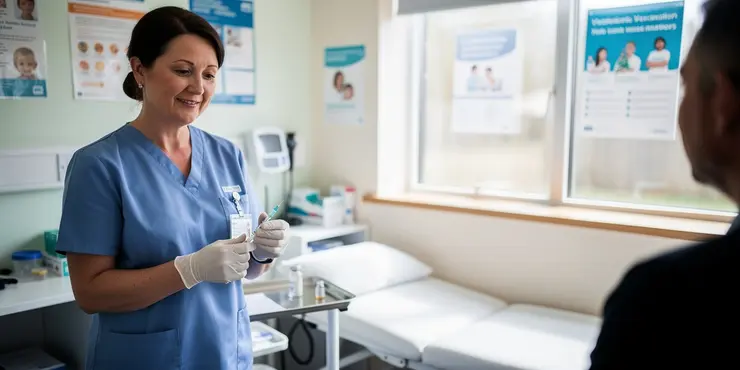
What precautions can be taken to avoid Super Flu?
Relevance: 79%
-

Has Super Flu occurred in the past?
Relevance: 78%
-
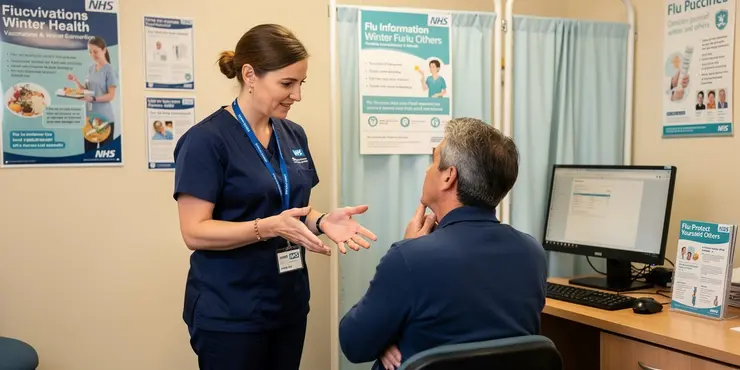
Where can I find more information on Super Flu?
Relevance: 76%
-
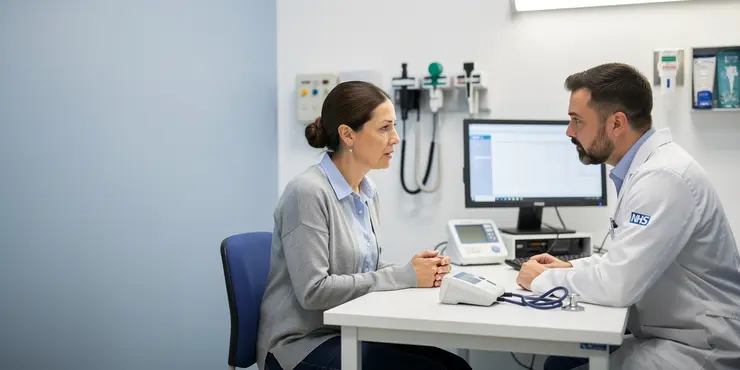
What are the symptoms of Super Flu?
Relevance: 75%
-
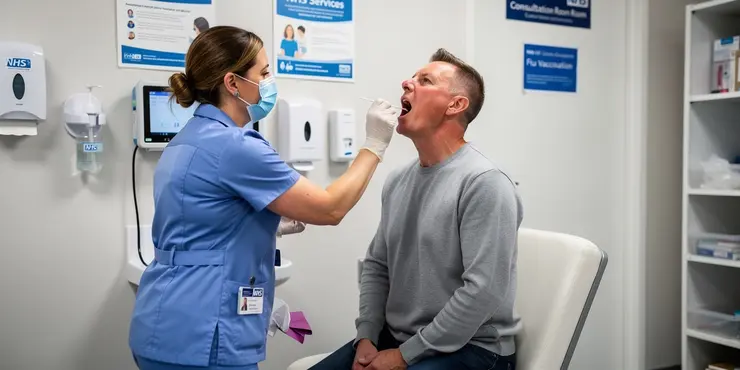
How is Super Flu diagnosed?
Relevance: 74%
-

How does one recover from Super Flu?
Relevance: 71%
-
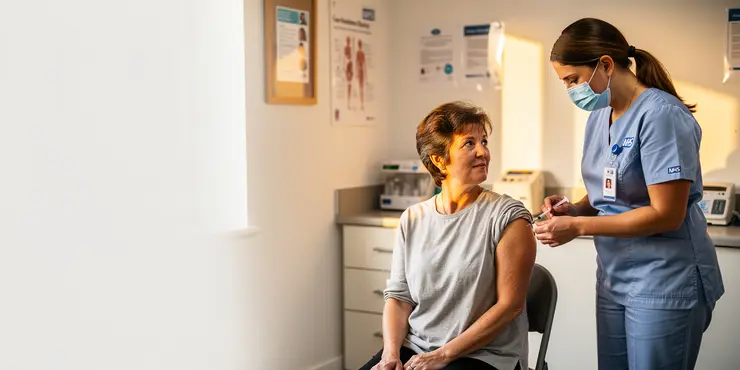
How effective is the flu vaccine?
Relevance: 56%
-
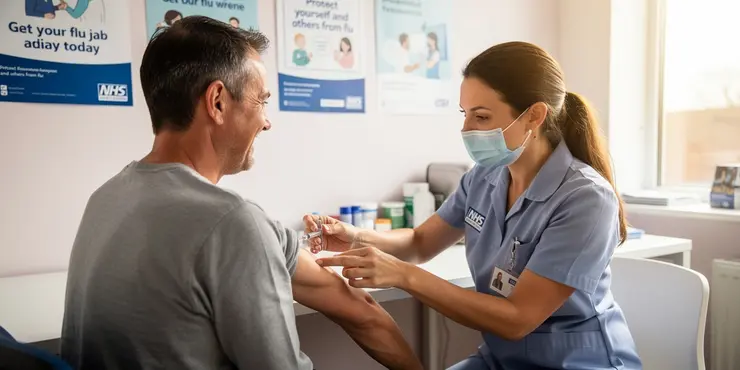
Can the flu vaccine give you the flu?
Relevance: 54%
-
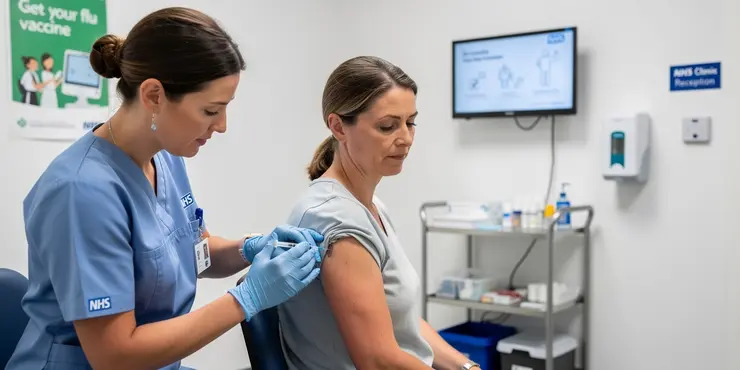
Can the flu vaccine give me the flu?
Relevance: 54%
-
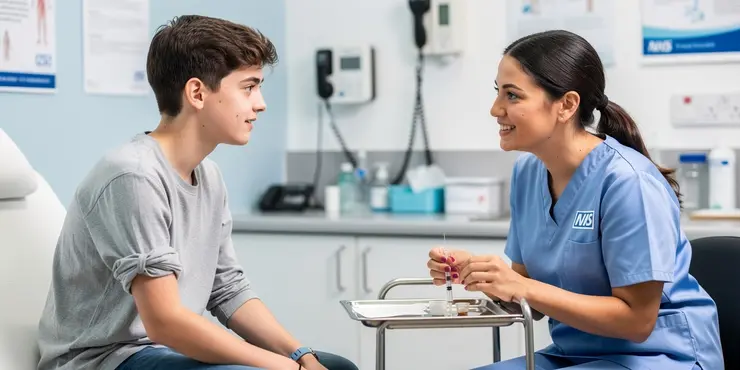
Flu vaccinations for people with a learning disability
Relevance: 53%
-

Current Flu Vaccination Recommendations and Availability
Relevance: 53%
-
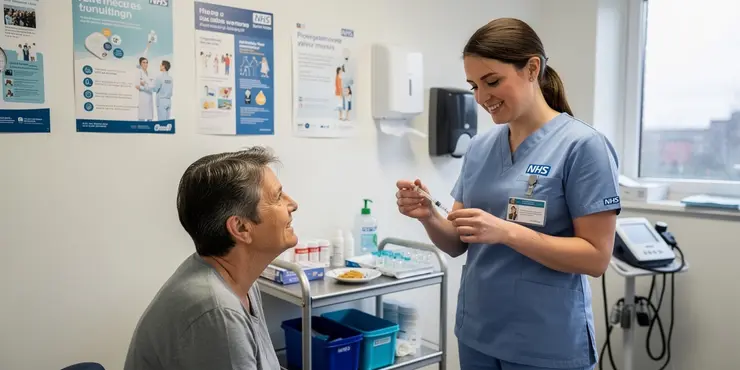
Is the flu vaccine free for everyone in the UK?
Relevance: 52%
-

Understanding Seasonal Flu: Prevention and Treatment
Relevance: 52%
-
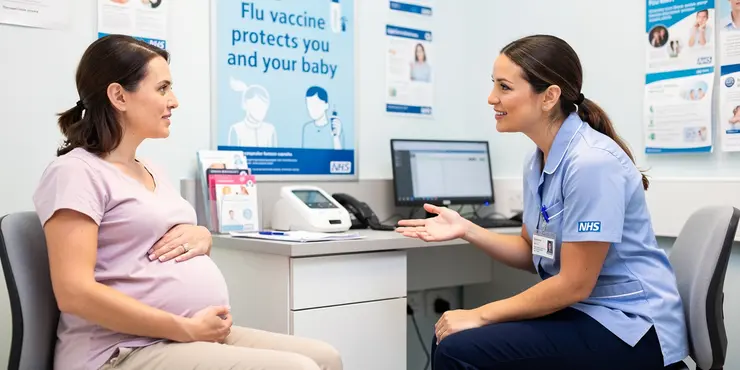
Can pregnant women get the flu vaccine?
Relevance: 51%
-

Where can I get the flu vaccine?
Relevance: 51%
-

Does the flu vaccine protect against COVID-19?
Relevance: 51%
-
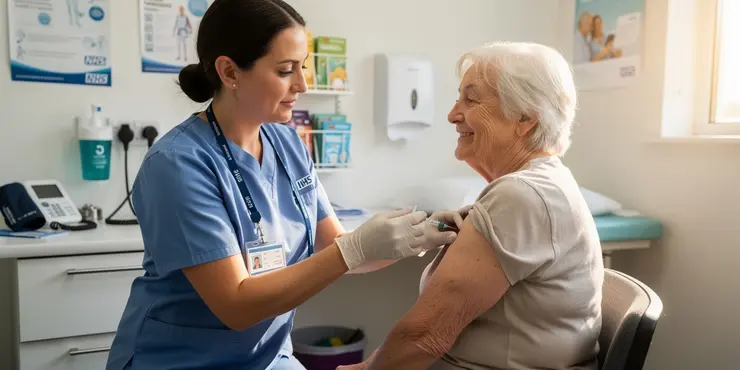
Are there any side effects to the flu vaccine?
Relevance: 51%
-
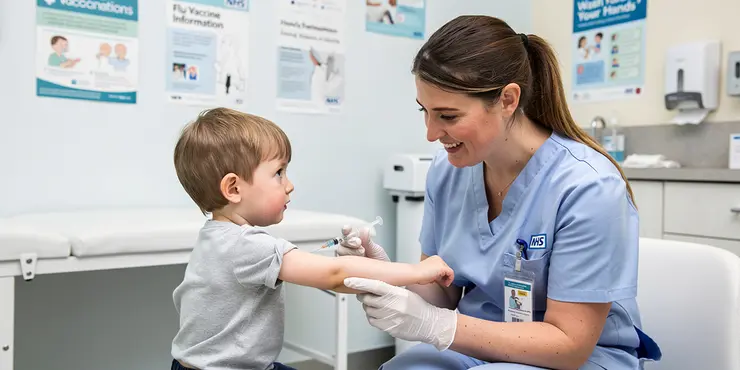
Who should get the flu vaccine in the UK?
Relevance: 51%
-
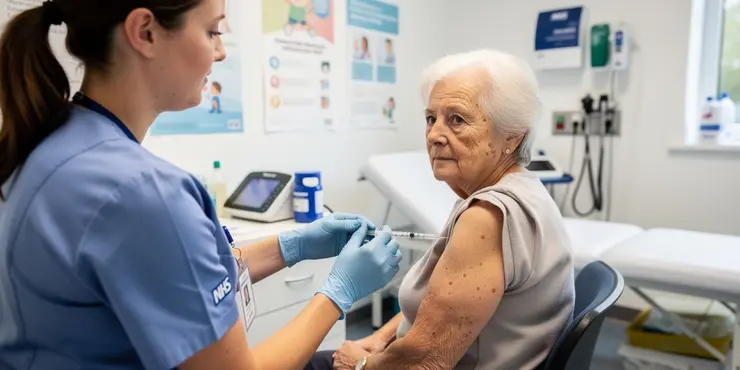
Nationwide Flu Vaccination Campaign Targets Vulnerable Populations
Relevance: 51%
-
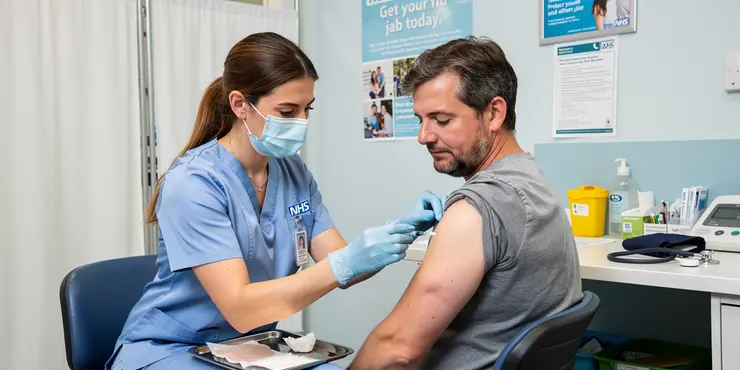
When is the best time to get the flu vaccine?
Relevance: 51%
-
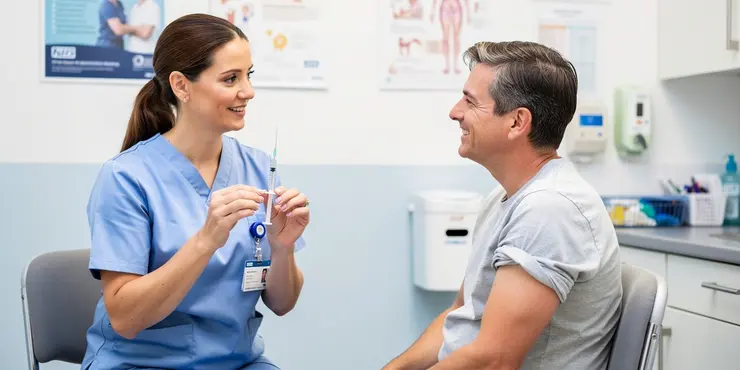
How important is it to get a flu vaccine in 2026?
Relevance: 50%
-
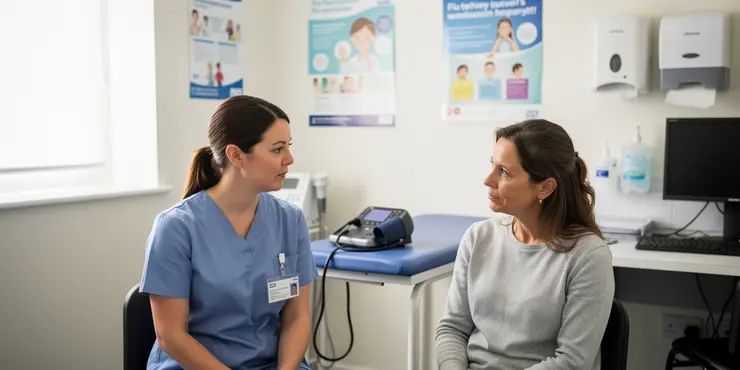
What if I'm not eligible for a free flu vaccine, can I still get vaccinated?
Relevance: 50%
-
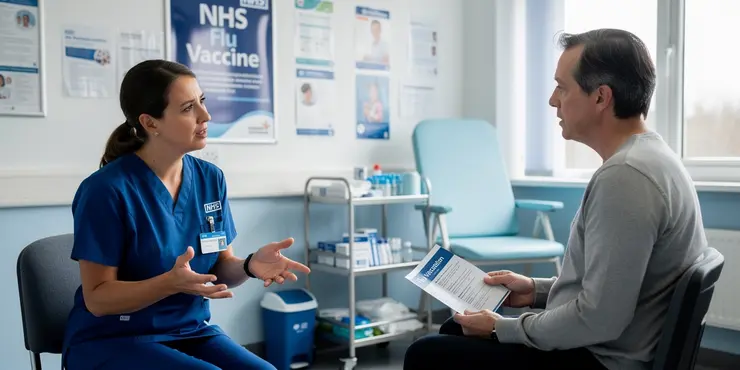
Can I still get the flu if I have been vaccinated?
Relevance: 49%
-

How do I book an appointment for the flu vaccine?
Relevance: 49%
-
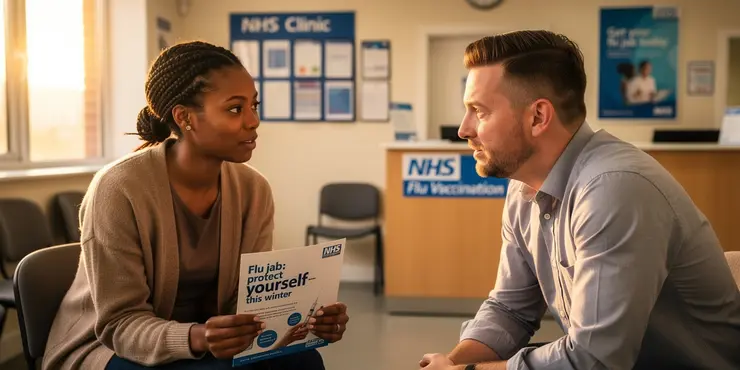
Can the flu jab give me the flu?
Relevance: 49%
-

Can children receive the flu vaccine as a nasal spray?
Relevance: 48%
-
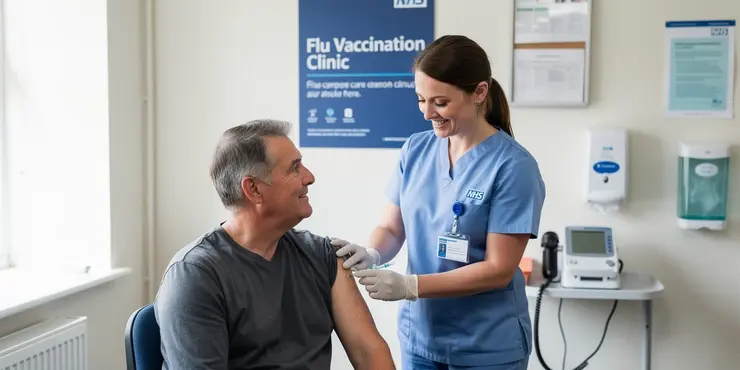
How long does it take for the flu vaccine to become effective?
Relevance: 47%
-
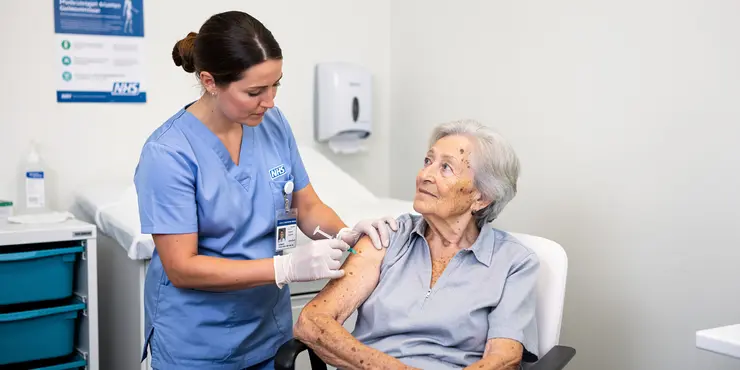
Can the flu jab give you the flu?
Relevance: 47%
-
What if I have an egg allergy, can I still get the flu vaccine?
Relevance: 47%
Understanding Super Flu and Its Prevention
Super Flu, often referred to as a severe strain of influenza, has become a point of concern among scientists and public health officials. In essence, Super Flu denotes aggressive influenza strains that may cause severe disease, spread rapidly, and resist existing treatments. The prospect of such a virulent flu is particularly alarming due to its potential impact on public health systems, economies, and societies globally.
The Role of Vaccines in Preventing Flu
Vaccines play a critical role in preventing flu by preparing the immune system to recognize and combat the influenza virus. Each year, the flu vaccine is updated to match the most common and virulent strains predicted to circulate during the flu season. These vaccines are developed based on global surveillance conducted by health organizations, which monitor circulating strains and their patterns.
For typical seasonal influenza, vaccines can reduce the risk of flu illness, hospitalization, and death. The effectiveness of flu vaccines can vary depending on age and health status of individuals, as well as how well the vaccine matches the strain it targets. In the UK, flu vaccination is encouraged, especially for vulnerable groups including the elderly, young children, and individuals with specific medical conditions.
Challenges with Super Flu
One of the primary challenges with preventing Super Flu is its potential for mutation. Viruses like the influenza virus can rapidly change, potentially resulting in strains that current vaccines do not effectively target. This ability to mutate means that a strain of Super Flu might be significantly different from previous or circulating strains, reducing the effectiveness of existing vaccines.
Moreover, Super Flu could result from a novel combination of genetic materials, possibly arising from animal hosts, such as birds or pigs. These novel combinations may not be well covered by existing vaccines, necessitating the development of a new vaccine specifically tailored to combat such a strain.
Strategies for Developing Effective Vaccines
To effectively combat Super Flu, scientists and researchers are actively working on broad-spectrum or universal vaccines that target parts of the virus less prone to mutation. Such vaccines aim to provide protection against a wide array of influenza strains, including those not yet seen in humans.
Additionally, rapid response platforms for vaccine development are being explored. These platforms would enable swift production and deployment of new vaccines in response to emerging threats, such as a Super Flu outbreak. Research and investment by governments, including the UK, aim to improve these capabilities.
In conclusion, while current vaccines offer a vital line of defense against influenza, the potential emergence of Super Flu presents unique challenges. Continued research and preparedness efforts are essential to develop effective vaccines, which will be crucial in mitigating the impact of a potential Super Flu outbreak.
Understanding Super Flu and Its Prevention
Super Flu is a very strong type of sickness like the flu. It worries scientists and people who take care of public health. Super Flu spreads fast and can be hard to treat. It can make many people sick, affect hospitals, and even hurt the economy and daily life.
The Role of Vaccines in Preventing Flu
Vaccines are very important to stop the flu. They help your body fight the flu virus. Every year, a new flu vaccine is made. It is based on studying which flu types might spread that year. Experts all over the world watch these flu types to decide what the vaccine should target.
Flu vaccines can help you not get sick, stay out of the hospital, and live longer. How well the vaccine works can depend on how old you are and how healthy you are. It also depends on how well the vaccine matches the flu type that year. In the UK, getting a flu shot is important. This is especially true for older people, young children, and people who are sick in other ways.
Challenges with Super Flu
One big problem with stopping Super Flu is that it can change quickly. The flu virus can change and become different from the types the vaccine was made for. If a Super Flu changes a lot, the usual vaccines might not work.
Super Flu might come from animals like birds or pigs. These new Super Flus can be very different from what we have seen before. This means we might need to make a brand-new vaccine just for them.
Strategies for Developing Effective Vaccines
Scientists are trying to make new vaccines that work on many flu types. These vaccines will try to protect you from different flu types, even ones we have not seen yet.
New fast ways to make vaccines are also being studied. These ways would help us quickly make and use new vaccines if a Super Flu comes. Governments are helping by giving money to make sure we can do this well.
In conclusion, today’s vaccines are very important against the flu. But Super Flu is a special challenge. We need to keep learning and getting ready so we can make new vaccines and keep people safe if a Super Flu happens.
Frequently Asked Questions
What is Super Flu?
Super Flu refers to a strain of influenza that can cause severe illness and spread rapidly.
Can vaccines prevent Super Flu?
Vaccines can help protect against various strains of influenza, including potentially severe ones, but their effectiveness depends on matching the circulating strains.
How do flu vaccines work?
Flu vaccines stimulate the immune system to produce antibodies against specific strains of the influenza virus.
Are there vaccines specifically for Super Flu?
Currently, there are no vaccines specifically labeled for Super Flu, but seasonal flu vaccines are designed to protect against likely circulating strains.
How are seasonal flu vaccines developed?
Each year, experts select the strains most likely to circulate and include them in the seasonal flu vaccine.
Are yearly flu vaccines necessary?
Yes, because flu viruses evolve and change, yearly vaccines provide updated protection.
Who should get a flu vaccine?
The CDC recommends flu vaccines for everyone 6 months and older, with rare exceptions.
How effective are flu vaccines?
Flu vaccine effectiveness varies but is typically between 40% to 60% when well-matched.
Can flu vaccines cause the flu?
No, flu vaccines cannot cause the flu; they contain inactivated virus or virus components.
What are other ways to prevent flu spread?
Good hygiene, such as hand washing and covering mouths when coughing, can help prevent flu spread.
Do flu vaccines help if I'm already exposed?
Vaccines work best when given before exposure, but they might still reduce severity if exposed.
What are common side effects of flu vaccines?
Common side effects include soreness at the injection site, mild fever, and body aches.
Can high-risk individuals prevent Super Flu?
Vaccination is crucial for high-risk individuals to help prevent severe flu complications.
Is it safe to get a flu vaccine during pregnancy?
Yes, it is safe and recommended for pregnant women to get vaccinated against the flu.
How long does it take for a flu vaccine to be effective?
It takes about two weeks after vaccination for antibodies to develop and provide protection.
Can flu vaccines protect against viral mutations?
Flu vaccines are formulated to protect against predicted strains, but some mutations may reduce effectiveness.
Is herd immunity possible with flu vaccines?
Widespread vaccination can help reduce transmission and protect those who cannot be vaccinated.
Can health measures alongside vaccines help prevent flu?
Yes, combining vaccines with health measures like handwashing and wearing masks can increase protection.
Are there new types of flu vaccines being developed?
Researchers are developing new vaccines, including universal flu vaccines that could cover more strains.
Can antivirals help prevent Super Flu?
Antiviral medications can treat and sometimes prevent flu, especially in high-risk settings.
What is Super Flu?
Super Flu is a kind of flu that spreads very fast and can make many people sick. It's stronger than the regular flu.
Do you want to know more? Here are some things you can do:
- Ask a doctor or nurse to explain it to you.
- Find books with pictures about health and flu.
- Use videos or cartoons that show how to stay healthy.
Super Flu is a type of flu that can make people very sick. It spreads quickly from person to person.
Do vaccines stop Super Flu?
Vaccines are like shields. They help keep us safe from the flu. The flu can be mild or very bad, but vaccines are good at protecting us. For the best protection, the vaccine needs to match the kind of flu going around.
To understand better, try using pictures or videos about how vaccines work. Special apps and tools can also help make reading easier, like text-to-speech programs that read out loud.
How do flu vaccines work?
A flu vaccine is like a shield for your body. It helps keep you safe from the flu. When you get the vaccine, your body learns how to fight the flu germs.
Your body is smart. It can remember the germs. So, if the real flu tries to make you sick, your body can stop it!
To make reading easier, you can:
- Ask someone to read with you.
- Use pictures to help understand the words.
- Listen to the text with an audio tool.
Flu shots help your body fight the flu. Your body makes special cells called antibodies. These antibodies help protect you from getting sick with the flu.
Is there a special vaccine for Super Flu?
Right now, there are no special shots just for Super Flu. But there are flu shots you can get to help keep you safe from the flu that goes around every year.
How are flu shots made each year?
Every year, experts pick the flu germs most likely to spread. They put these germs in the flu shot to help keep people healthy.
Do you need a flu shot every year?
Yes, it's important to get a flu shot every year. This is because the flu virus can change. The new vaccine helps protect against the new flu virus.
Who should have a flu shot?
The CDC says it’s good for everyone who is 6 months old and older to get a flu shot. This helps keep people safe from getting sick with the flu. Only a few people should not get it.
How well do flu shots work?
Flu shots help stop people from getting sick with the flu. They do not work all the time, but they help most people stay healthy.
Things that help you understand:
- Get help from a friend or family member to explain things.
- Use pictures or draw to see how flu shots help.
- Watch videos about how flu shots work.
The flu shot works well most of the time. It helps keep you from getting sick 4 to 6 times out of 10.
Can the flu vaccine make you sick with the flu?
No, the flu shot cannot give you the flu. It has dead virus parts or tiny pieces of the virus.
How can we stop the flu from spreading?
Here are some simple ways to stop the flu:
- Wash your hands with soap and water often.
- Use a tissue or your sleeve to cover your mouth when you cough or sneeze.
- Stay home if you feel sick.
- Avoid touching your face, especially your eyes, nose, and mouth.
- Get a flu shot to help protect you from the flu.
Ask an adult if you need help or have questions. Listening to audio stories and using colorful pictures can help you understand better.
It is important to stay clean to stop the flu from spreading. Wash your hands often. Cover your mouth when you cough.
Do Flu Vaccines Work if I've Already Been Near Someone with Flu?
If you've been close to someone with the flu, getting a flu shot can still help. The vaccine can stop you from getting sick later.
It's like wearing a raincoat before it rains. It may not stop you from getting wet now, but it can help you stay dry if it rains again.
Tip: Use a calendar to plan when to get your flu shot each year.
It's good to get vaccines before you might get sick, but if you get a vaccine even after, it might help you not feel as sick.
What happens after a flu shot?
Flu shots are safe. But sometimes, they can make you feel a bit off. Here are some things you might feel after getting a flu shot:
- Your arm where you got the shot might hurt.
- You might feel a bit tired.
- You could have a headache.
- You might get a slight fever.
If you feel worried, tell an adult or a doctor. They can help you feel better. Remember, these feelings usually go away after a few days.
If you need help reading, try using a finger to follow the words or read out loud. You can also ask someone to read with you.
Some things that might happen after you get the shot are:
- Your arm might hurt where you got the shot.
- You might feel a little warm with a mild fever.
- Your body might feel a bit sore.
If you are worried, talking to a doctor or a nurse can help. Using a warm cloth on your arm or taking some medicine like paracetamol can also make you feel better.
Can people who get sick easily stop Super Flu?
If you get sick a lot, there are things you can do to stay healthy. Here are some tips:
- Wash your hands: Use soap and water.
- Get a flu shot: This can help keep you safe.
- Eat healthy food: Fruits and veggies are good for you.
- Get enough sleep: Try to sleep 8 hours each night.
- Avoid sick people: Keep away from people who have the flu.
- Cover your nose and mouth: Use a tissue when you sneeze or cough.
These steps can help stop Super Flu.
Getting a flu shot is very important for people who might get really sick from the flu. It helps keep them safe and healthy.
Can I get a flu shot while pregnant?
Yes, it is safe to get a flu shot when you are pregnant.
A flu shot can help keep you and your baby healthy.
If you get sick, tell your doctor. They can help.
Use simple tools like a calendar to remember your flu shot appointment.
Talking to someone you trust can also help you feel better.
Yes, it is safe for pregnant women to get a flu shot. Doctors say it is a good idea.
How long until the flu vaccine works?
After you get the flu shot, it takes about 2 weeks for it to start working. During these 2 weeks, your body is building protection against the flu.
Here are some tips to help you:
- Get the flu vaccine early before flu season starts.
- Keep washing your hands to stay healthy.
- If you need help, ask a family member or a friend.
It takes about two weeks after you get your vaccine shot for your body to make enough antibodies. These antibodies help protect you from getting sick.
Do flu shots work if the virus changes?
Flu shots help protect us from getting sick. They are made to fight types of the flu that doctors think might happen. But sometimes, the flu changes a little bit, and the shots might not work as well.
Can we stop flu from spreading if most people get the flu shot?
When lots of people get the flu shot, it helps stop the flu from spreading. This is called "herd immunity". But it can be tricky with the flu because the virus changes a lot. So, getting the flu shot every year is really important. It helps protect you and the people around you.
If you find reading hard, try using tools like text-to-speech apps or ask someone to read with you. These can make tricky words easier to understand.
When lots of people get the vaccine, it helps stop the spread of the virus. It also keeps safe the people who can't get the vaccine.
Can ways to stay healthy, along with vaccines, stop the flu?
Yes, getting vaccines and doing things like washing hands and wearing masks can help keep you safe.
Are they making new flu jabs?
Scientists are working on new vaccines. One idea is a vaccine for the flu that works on lots of different types of flu.
Can medicine stop Super Flu?
Medicines called antivirals can help with the flu. They can sometimes stop you from getting the flu, especially if you are in places where lots of people get it.

Useful Links
This website offers general information and is not a substitute for professional advice.
Always seek guidance from qualified professionals.
If you have any medical concerns or need urgent help, contact a healthcare professional or emergency services immediately.
Some of this content was generated with AI assistance. We've done our best to keep it accurate, helpful, and human-friendly.
- Ergsy carefully checks the information in the videos we provide here.
- Videos shown by Youtube after a video has completed, have NOT been reviewed by ERGSY.
- To view, click the arrow in centre of video.
- Most of the videos you find here will have subtitles and/or closed captions available.
- You may need to turn these on, and choose your preferred language.
- Go to the video you'd like to watch.
- If closed captions (CC) are available, settings will be visible on the bottom right of the video player.
- To turn on Captions, click settings.
- To turn off Captions, click settings again.
More Items From Ergsy search
-
Can Super Flu be prevented by vaccines?
Relevance: 100%
-
What is Super Flu?
Relevance: 88%
-
Is the Super Flu contagious?
Relevance: 87%
-
What treatments are available for Super Flu?
Relevance: 83%
-
How often does Super Flu occur?
Relevance: 83%
-
What causes Super Flu?
Relevance: 82%
-
Is Super Flu a new strain of virus?
Relevance: 82%
-
Can lifestyle changes help prevent Super Flu?
Relevance: 82%
-
Who is most at risk from Super Flu?
Relevance: 81%
-
Can animals get Super Flu?
Relevance: 81%
-
Can Super Flu cause a pandemic?
Relevance: 80%
-
What precautions can be taken to avoid Super Flu?
Relevance: 79%
-
Has Super Flu occurred in the past?
Relevance: 78%
-
Where can I find more information on Super Flu?
Relevance: 76%
-
What are the symptoms of Super Flu?
Relevance: 75%
-
How is Super Flu diagnosed?
Relevance: 74%
-
How does one recover from Super Flu?
Relevance: 71%
-
How effective is the flu vaccine?
Relevance: 56%
-
Can the flu vaccine give you the flu?
Relevance: 54%
-
Can the flu vaccine give me the flu?
Relevance: 54%
-
Flu vaccinations for people with a learning disability
Relevance: 53%
-
Current Flu Vaccination Recommendations and Availability
Relevance: 53%
-
Is the flu vaccine free for everyone in the UK?
Relevance: 52%
-
Understanding Seasonal Flu: Prevention and Treatment
Relevance: 52%
-
Can pregnant women get the flu vaccine?
Relevance: 51%
-
Where can I get the flu vaccine?
Relevance: 51%
-
Does the flu vaccine protect against COVID-19?
Relevance: 51%
-
Are there any side effects to the flu vaccine?
Relevance: 51%
-
Who should get the flu vaccine in the UK?
Relevance: 51%
-
Nationwide Flu Vaccination Campaign Targets Vulnerable Populations
Relevance: 51%
-
When is the best time to get the flu vaccine?
Relevance: 51%
-
How important is it to get a flu vaccine in 2026?
Relevance: 50%
-
What if I'm not eligible for a free flu vaccine, can I still get vaccinated?
Relevance: 50%
-
Can I still get the flu if I have been vaccinated?
Relevance: 49%
-
How do I book an appointment for the flu vaccine?
Relevance: 49%
-
Can the flu jab give me the flu?
Relevance: 49%
-
Can children receive the flu vaccine as a nasal spray?
Relevance: 48%
-
How long does it take for the flu vaccine to become effective?
Relevance: 47%
-
Can the flu jab give you the flu?
Relevance: 47%
-
What if I have an egg allergy, can I still get the flu vaccine?
Relevance: 47%