
Speak To An Expert
Get clear, personalised advice for your situation.
Jot down a few questions to make the most of your conversation.
More Items From Ergsy search
-
Can Super Flu cause a pandemic?
Relevance: 100%
-

What is Super Flu?
Relevance: 86%
-
How often does Super Flu occur?
Relevance: 86%
-

Has Super Flu occurred in the past?
Relevance: 86%
-

What causes Super Flu?
Relevance: 83%
-

Is Super Flu a new strain of virus?
Relevance: 80%
-
Can animals get Super Flu?
Relevance: 79%
-
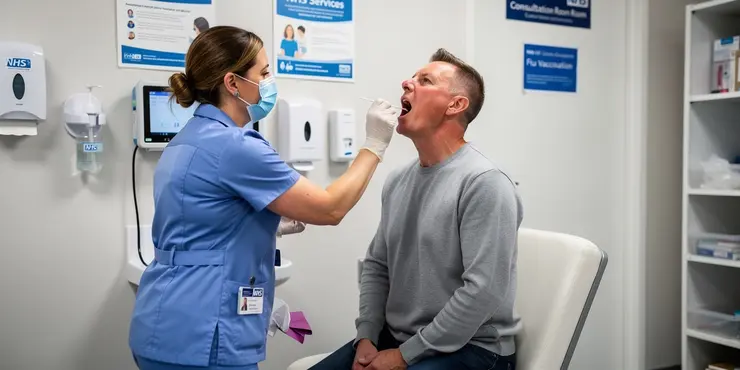
How is Super Flu diagnosed?
Relevance: 74%
-

Is the Super Flu contagious?
Relevance: 73%
-

What are the symptoms of Super Flu?
Relevance: 71%

-
Where can I find more information on Super Flu?
Relevance: 69%
-

What treatments are available for Super Flu?
Relevance: 69%
-
Who is most at risk from Super Flu?
Relevance: 67%
-
Can Super Flu be prevented by vaccines?
Relevance: 66%
-
What precautions can be taken to avoid Super Flu?
Relevance: 64%
-

Can lifestyle changes help prevent Super Flu?
Relevance: 63%
-

How does one recover from Super Flu?
Relevance: 60%
-
Is flu season going to be bad in 2026?
Relevance: 40%
-
How effective is the flu vaccine?
Relevance: 37%
-

Does the flu vaccine protect against COVID-19?
Relevance: 37%
-

Is H3N2 more dangerous than other flu strains?
Relevance: 36%
-

What is the H3N2 flu strain?
Relevance: 36%
-

What historical impact has H3N2 had?
Relevance: 36%
-
When is the best time to get the flu jab?
Relevance: 35%
-
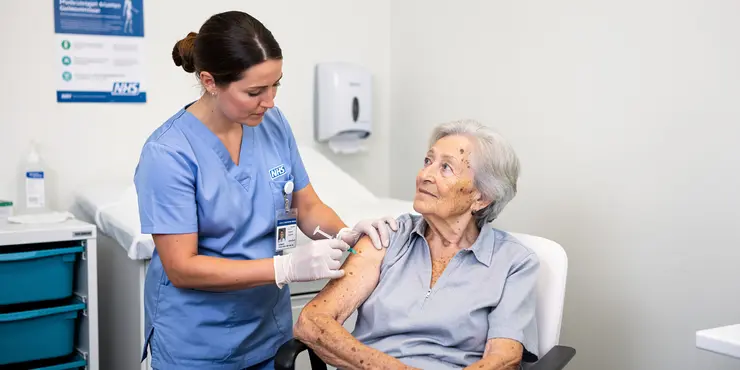
Can the flu jab give you the flu?
Relevance: 35%
-

Why does H3N2 often lead to more severe flu seasons?
Relevance: 34%
-
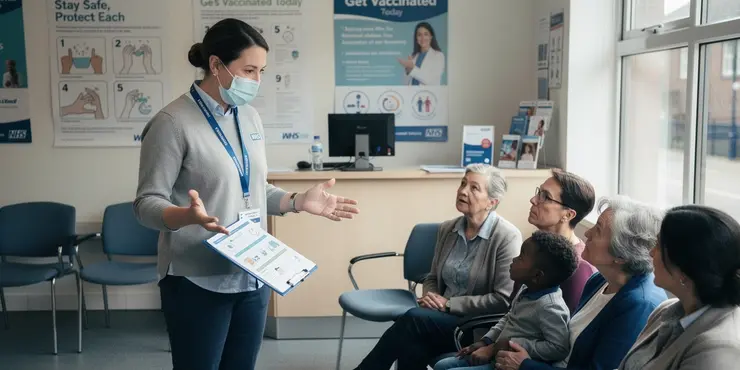
How important is the WHO for managing global pandemics?
Relevance: 33%
-

Current Flu Vaccination Recommendations and Availability
Relevance: 32%
-
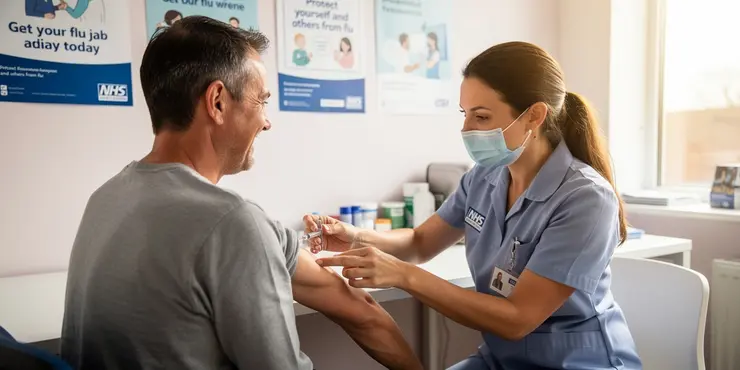
Can the flu vaccine give you the flu?
Relevance: 31%
-
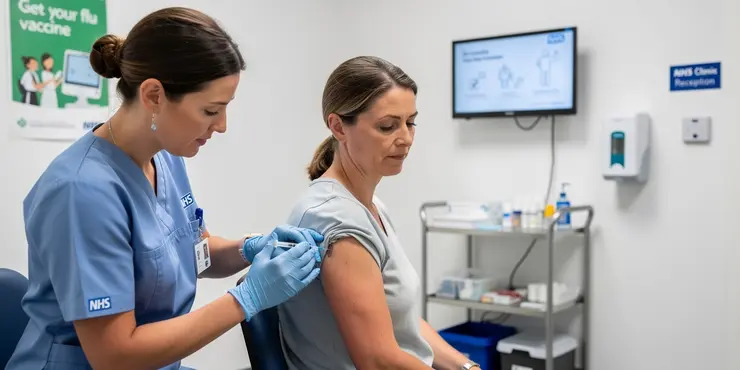
Can the flu vaccine give me the flu?
Relevance: 31%
-
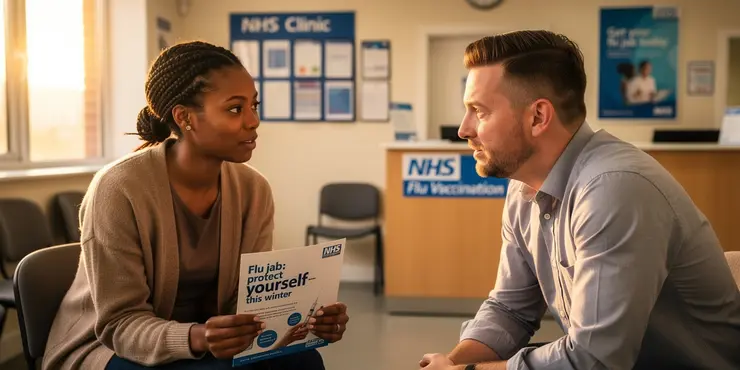
Can the flu jab give me the flu?
Relevance: 31%
-
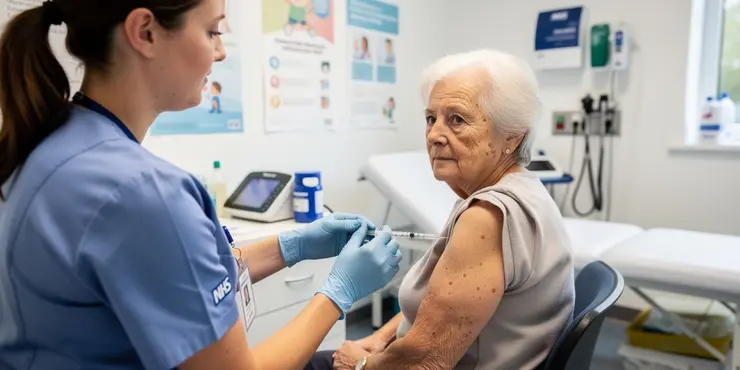
Nationwide Flu Vaccination Campaign Targets Vulnerable Populations
Relevance: 31%
-
Just the flu? | NHS
Relevance: 30%
-

Is the winter flu jab effective against all flu strains?
Relevance: 30%
-
Flu can be fatal
Relevance: 30%
-
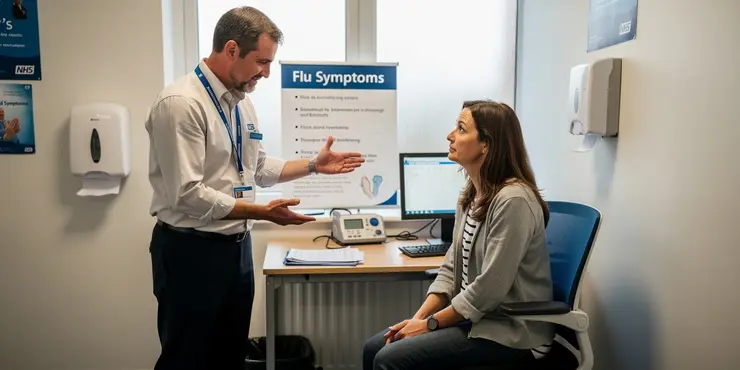
What are the symptoms of flu ?
Relevance: 30%
-
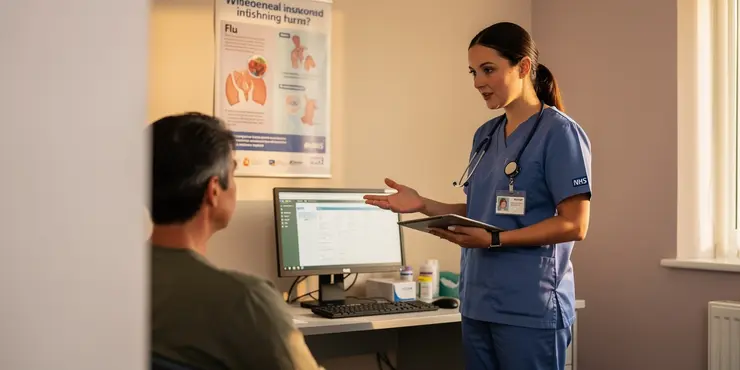
Symptoms of flu (influenza)
Relevance: 30%
-
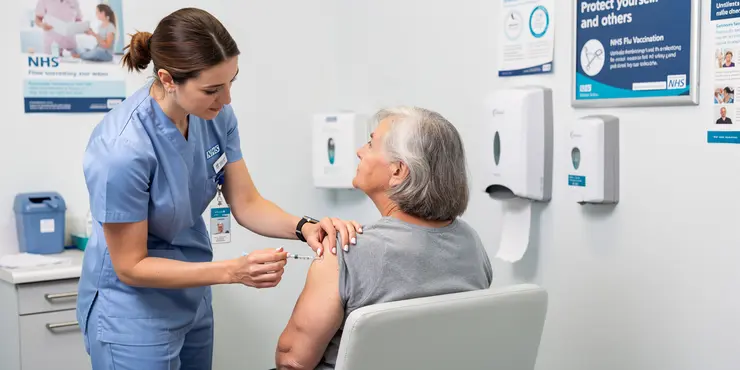
Will getting the flu jab protect me against COVID-19?
Relevance: 30%
-

Treating flu (influenza)
Relevance: 30%
-
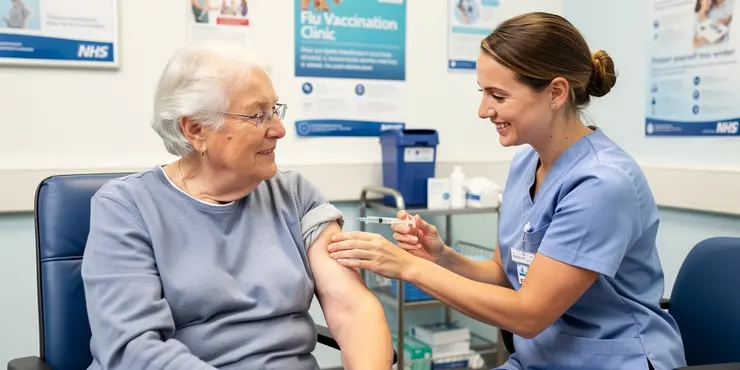
What is the winter flu jab?
Relevance: 30%
Understanding Super Flu
The term "super flu" is often used to describe a hypothetical strain of influenza that is significantly more virulent and transmissible than ordinary flu viruses. This concept typically refers to a virus that has undergone mutations enabling it to spread more efficiently among humans, potentially with higher morbidity and mortality rates. While there is no official scientific classification for "super flu," health experts remain vigilant about such possibilities because influenza viruses mutate frequently, and new strains regularly emerge.
The Potential for a Pandemic
A pandemic occurs when a new influenza virus emerges to which the general population has little or no immunity, facilitating sustained human-to-human transmission. Super flu, by its definition, possesses the potential to cause a pandemic if it achieves widespread transmission across multiple regions and continents quickly. Historical examples include the 1918 Spanish Flu pandemic which had devastating effects globally. Scientists monitor strains for key characteristics like high transmissibility and pathogenicity, which could indicate pandemic potential.
Current Scientific Monitoring
In the UK and across the globe, scientists and public health organizations actively monitor influenza viruses to identify new or emerging strains of concern. This surveillance is critical in predicting and controlling influenza outbreaks. The World Health Organization (WHO) and national health bodies collect and analyze influenza data, which helps in the timely update of seasonal flu vaccines and guides the development of potential pandemic vaccines. This robust monitoring network serves as an early warning system for potentially pandemic strains.
Preventive Measures
The UK public is encouraged to participate in annual flu vaccination programs, which remain an essential tool in reducing the impact of seasonal influenza. Vaccination not only protects individuals but also helps shield vulnerable populations who may suffer more severely from influenza complications. Public health campaigns similarly emphasize the importance of hygiene practices such as regular hand washing, respiratory etiquette, and staying home when ill to limit the spread of all influenza strains, including any potential super flu variants.
Addressing Public Concerns
While the notion of a super flu causing a pandemic is concerning, scientific advancements and preparedness strategies are in place to mitigate such risks effectively. The UK Health Security Agency (UKHSA) regularly updates the public and healthcare providers about potential threats and recommended preventive actions. Pandemic preparedness plans are continuously revised based on the latest research and simulations. Awareness and informed vigilance are crucial in addressing public concerns and ensuring readiness in the face of potential pandemics.
Understanding Super Flu
"Super flu" is a name people use to talk about a really strong flu virus. This flu is much tougher than the normal flu. A super flu can spread more easily and make more people sick. Scientists watch for new flu viruses because they change a lot. These new changes can make the flu harder to stop.
The Potential for a Pandemic
A pandemic is when a new flu spreads everywhere, and most people can't fight it off. A super flu could start a pandemic, making lots of people sick in many countries fast. A long time ago, there was the Spanish Flu in 1918, which spread all over the world. Scientists keep an eye on flu germs that can move easily and make people very sick. This helps them know if a big outbreak might happen.
Current Scientific Monitoring
In the UK and around the world, scientists check flu viruses all the time to find new ones. This helps them stop flu outbreaks before they get big. Groups like the World Health Organization (WHO) collect information about the flu. They help make flu shots better each year and work on new shots if needed. This helps catch any flu that could spread fast.
Preventive Measures
People in the UK are advised to get a flu shot every year. This helps stop the flu from spreading. Getting a flu shot keeps you safe and helps other people, especially those who might get very sick from the flu. It's important to wash hands often, cover your mouth when coughing or sneezing, and stay home if you're sick. These actions help stop the flu from passing to others, including any super flu.
Addressing Public Concerns
People might worry about a super flu causing a big outbreak. But scientists and health experts are ready to deal with it. The UK Health Security Agency (UKHSA) tell people if there are new flu threats and what to do about them. They make and update plans to stop big flu outbreaks. Knowing what's happening and being ready helps keep everyone safe.
Frequently Asked Questions
What is a super flu?
A super flu refers to a highly contagious and potentially deadly strain of the influenza virus that can spread quickly across populations.
Can a super flu cause a pandemic?
Yes, a super flu has the potential to cause a pandemic if it is easily transmissible between humans and leads to widespread illness.
How does a super flu differ from a regular flu?
A super flu may have higher virulence, meaning it causes more severe disease, and it may spread more easily than regular seasonal influenza.
What factors contribute to a super flu pandemic?
Factors include a lack of immunity in the population, rapid human-to-human transmission, and global travel facilitating spread.
Have there been past pandemics caused by influenza?
Yes, notable influenza pandemics include the 1918 Spanish flu, the 1957 Asian flu, and the 2009 H1N1 pandemic.
What measures can prevent a super flu pandemic?
Measures include vaccination, good hygiene practices, quarantine, travel restrictions, and rapid response to outbreaks.
Is there a vaccine for super flu strains?
Vaccines can be developed for specific strains, but their effectiveness depends on accurately predicting the emerging strain.
How is a new strain of super flu identified?
New strains are identified through surveillance programs that monitor outbreaks and analyze viral genetics.
What role do antivirals play in controlling a super flu?
Antivirals can reduce severity and duration of symptoms, and help control the spread if administered promptly.
Can personal protective equipment (PPE) help prevent transmission?
Yes, PPE like masks and gloves can help reduce transmission, especially in healthcare settings and crowded areas.
What are the symptoms of a super flu infection?
Symptoms can be similar to seasonal flu, including fever, cough, body aches, fatigue, and sometimes severe respiratory issues.
How do public health agencies respond to potential super flu threats?
They conduct risk assessments, coordinate surveillance, provide public guidance, and mobilize resources for response.
Why is global cooperation important in preventing a super flu pandemic?
Global cooperation is crucial for sharing information, resources, and coordinating responses to contain outbreaks efficiently.
Can animals be a source of super flu strains?
Yes, flu viruses can originate in animals, such as birds and pigs, and potentially mutate to infect humans.
What is the role of the World Health Organization (WHO) in influenza pandemics?
The WHO provides guidance on pandemic preparedness and response, coordinates international actions, and supports vaccine development.
How long might a super flu pandemic last?
The duration can vary; a pandemic can last from several months to longer than a year, depending on control measures.
Are children more at risk during a super flu pandemic?
Children, along with the elderly and those with weakened immune systems, may be at higher risk for severe illness.
What are the economic impacts of a super flu pandemic?
A pandemic can cause significant economic disruptions due to healthcare costs, loss of workforce, and impacts on travel and trade.
How does misinformation affect responses to super flu threats?
Misinformation can hinder efforts by causing panic, reducing vaccine uptake, and spreading false treatments.
What personal actions can reduce the risk of infection during a super flu pandemic?
Individuals can practice good hygiene like frequent handwashing, wearing masks, getting vaccinated, and avoiding crowded places.
What is a super flu?
A super flu is a type of flu that is stronger and makes more people sick. It can spread very fast from person to person.
If you are worried about super flu, here are some tips to stay safe:
- Wash your hands often with soap and water.
- Cover your mouth with a tissue or your elbow when you cough or sneeze.
- Stay away from people who are sick.
- Get a flu shot to help protect yourself.
If you want to learn more, you can ask someone you trust to help explain it to you.
A super flu is a very strong type of flu that can make lots of people sick quickly. It spreads fast and can be very dangerous.
Can a really bad flu make lots of people sick around the world?
Yes, a very strong flu can make lots of people sick. If it spreads easily between people, it can cause a big outbreak everywhere.
What makes a super flu different from a regular flu?
A regular flu can make you feel sick. You might have a fever, cough, or a sore throat.
A super flu is stronger. It can make people much sicker. More people can catch it.
It is important to rest and drink water when you are sick. Ask a grown-up to help you see a doctor if you need one.
A super flu can make people sicker than the regular flu. It can spread more easily, too.
What makes a super flu pandemic happen?
Reasons why the illness spreads:
- People are not protected from it.
- It spreads quickly from person to person.
- People travel around the world, helping it spread.
To help understand and read better, you can use audiobooks or reading apps that highlight words as you listen.
Did flu cause sickness around the world before?
Yes, flu has made a lot of people sick before in the past. Here are some tips to make reading easier:
- Read one sentence at a time.
- Use a finger or ruler to follow the words.
- Read with a friend or family member.
Yes, there have been big flu outbreaks in the past. Some of them are:
- The Spanish flu in 1918.
- The Asian flu in 1957.
- The H1N1 flu in 2009.
When reading, use your finger or a ruler to help follow the lines. A parent or teacher can also read with you. It's okay to ask questions if you're not sure about something!
How can we stop a super flu from spreading everywhere?
To stay safe, you can:
- Get a vaccine.
- Wash your hands well.
- Stay home if you are sick.
- Follow rules when you travel.
- Act fast if there is an illness going around.
Is there a shot to stop very strong flu?
Sometimes, a very strong flu comes that is harder to stop. Scientists work hard to make shots that can help keep us safe from these bad flu bugs. But it takes time to make the right shot.
If you are worried about flu, talk to a doctor or nurse. They can tell you the best ways to stay safe. Washing hands, wearing masks, and getting a flu shot each year can help too!
We can make vaccines to fight certain types of germs. But, the vaccines work best when we guess the right type of germ that will spread.
How do doctors find a new kind of strong flu?
New types of germs are found by special programs. These programs watch for sicknesses and check the germs' genes.
How do medicines called antivirals help with a really bad flu?
Antiviral medicines can help make symptoms less strong and help you get better faster. They can also stop the sickness from spreading if taken quickly.
Can protective gear stop germs from spreading?
Using protective gear like masks, gloves, and goggles can help keep germs away. This gear protects your face, hands, and eyes from getting germs on them.
Helpful tools to remember how to put on and take off gear:
- Watch a video showing the steps.
- Follow picture guides.
Yes, wearing masks and gloves can help stop germs from spreading. This is very important in hospitals and when there are lots of people around.
What happens if you get a really bad flu?
Here are things to look for if you have a very bad flu:
- High fever - This means your body is very hot.
- Bad headaches - Your head really hurts.
- Feeling very tired - You want to sleep a lot.
- Muscle pain - Your body feels sore.
- Coughing - You keep coughing a lot.
- Runny nose - Your nose is dripping.
- Sore throat - It hurts when you swallow.
These are signs that you might have a super flu. It’s important to tell an adult or a doctor if you feel like this. Using pictures and short sentences can help you understand more about the flu. You can also ask someone to read this to you or use audiobooks.
Signs of the illness can be like a cold you might get in winter. You might have a high temperature, cough, sore and achy muscles, feel very tired, and sometimes have trouble breathing.
What do health agencies do if there is a big flu threat?
They check for dangers, watch over things, give advice to the public, and gather what is needed to help out.
Why do countries need to work together to stop a really bad flu?
Countries need to help each other to stop a really bad flu from spreading everywhere.
When countries work together, they can share ideas and plans. This keeps more people safe.
Here’s how they can help:
- Share information quickly about the flu
- Help each other with medicine and doctors
- Work together to make a good plan
By helping each other, we can stop many people from getting very sick.
Helpful tools:
- Pictures or videos showing what to do if sick
- A simple guide on how to wash hands well
Countries need to work together to share important information and resources. This helps them stop diseases from spreading fast.
Can animals give us strong flu viruses?
Yes, flu viruses can start in animals, like birds and pigs. They can change and make people sick too.
What does the World Health Organization (WHO) do when there is a big flu outbreak?
The World Health Organization, also known as WHO, helps when a lot of people get the flu at the same time all over the world. This is called a pandemic.
Here are a few things WHO does:
- WHO helps countries work together to stop the flu from spreading.
- They give advice to doctors and hospitals on how to treat people who are sick.
- WHO shares important information about the flu with everyone, so people know what to do to stay safe.
If you find reading hard, you might try using a ruler or your finger to follow the words. You could also ask someone you trust to read with you and help explain things.
The World Health Organization (WHO) helps the world get ready for pandemics. A pandemic is when lots of people get sick all over the world at the same time.
The WHO helps countries work together, so everybody knows what to do. They also help with making vaccines, which are medicines that stop people from getting sick.
A helpful tool is a calendar. It can remind you when to take your vaccine. Talking with someone about how you feel can also be a great support.
How long could a really bad flu last?
A really bad flu can spread to many people. It might last a few weeks or months. It's important to stay safe and healthy.
Here are some ways to help:
- Wash your hands often.
- Stay away from sick people.
- Wear a mask if needed.
- Listen to doctors for more advice.
Ask a friend or family member if you need help understanding this.
Pandemics can last a short or long time. It might be a few months or more than a year. It depends on how we try to stop it.
If you find reading hard, tools like a text-to-speech reader can help. These tools read the words out loud for you.
Do kids get sicker when there is a super bad flu spreading?
Children, older people, and people who get sick easily can get very sick more often.
How does a super flu pandemic affect the economy?
A super flu pandemic is a sickness that makes many people sick at the same time. It can change the way money works in a country.
Here is how it can affect the economy:
- People may not be able to go to work, so they earn less money.
- Businesses might have to close if many people get sick.
- The government might need to spend more money on helping sick people.
- Travel and transport can be slowed down or stopped.
These things can make it hard for a country to make money and for people to buy what they need.
You can use picture clues and simple charts to understand more. Ask a friend or a teacher for help if you need it.
A pandemic is when a disease spreads to many people all over the world. This can cause big problems with money. It costs a lot to take care of sick people. Sometimes people can't go to work because they are sick, and this means there are fewer people to do the jobs. Traveling and trading things with other places can also be hard when lots of people are sick.
Reading tools can help you understand better. You could try using a text-to-speech tool to read the words out loud. Drawing pictures about what you read might help you remember. Talking with someone about what you have read can also be helpful.
How does wrong information change how people act about a big flu?
It's important to understand how people react to false stories about a serious flu. Wrong information can make people feel scared or confused.
Here are some ways to help understand and deal with it:
- Use simple and clear words when talking about the flu.
- Check facts from trusted sources like doctors or health websites.
- Ask someone you trust if you feel unsure about what you hear.
Wrong information can cause problems. It can make people scared. It can stop people from getting vaccines. It can also spread fake cures.
How can you stay safe from germs during a super flu outbreak?
Here are some easy steps to help you:
- Wash your hands with soap and water. Do it often.
- Use a tissue to cover your mouth and nose when you cough or sneeze.
- Stay away from people who are sick.
- Try not to touch your face with your hands.
- Keep your home clean. Wipe surfaces with a cloth.
- Think about wearing a mask to cover your nose and mouth.
If you need help remembering, ask a friend or use sticky notes.
People can stay healthy by washing their hands often, wearing masks, getting their vaccines, and staying away from crowded places.

Useful Links
This website offers general information and is not a substitute for professional advice.
Always seek guidance from qualified professionals.
If you have any medical concerns or need urgent help, contact a healthcare professional or emergency services immediately.
Some of this content was generated with AI assistance. We've done our best to keep it accurate, helpful, and human-friendly.
- Ergsy carefully checks the information in the videos we provide here.
- Videos shown by Youtube after a video has completed, have NOT been reviewed by ERGSY.
- To view, click the arrow in centre of video.
- Most of the videos you find here will have subtitles and/or closed captions available.
- You may need to turn these on, and choose your preferred language.
- Go to the video you'd like to watch.
- If closed captions (CC) are available, settings will be visible on the bottom right of the video player.
- To turn on Captions, click settings.
- To turn off Captions, click settings again.
More Items From Ergsy search
-
Can Super Flu cause a pandemic?
Relevance: 100%
-
What is Super Flu?
Relevance: 86%
-
How often does Super Flu occur?
Relevance: 86%
-
Has Super Flu occurred in the past?
Relevance: 86%
-
What causes Super Flu?
Relevance: 83%
-
Is Super Flu a new strain of virus?
Relevance: 80%
-
Can animals get Super Flu?
Relevance: 79%
-
How is Super Flu diagnosed?
Relevance: 74%
-
Is the Super Flu contagious?
Relevance: 73%
-
What are the symptoms of Super Flu?
Relevance: 71%
-
Where can I find more information on Super Flu?
Relevance: 69%
-
What treatments are available for Super Flu?
Relevance: 69%
-
Who is most at risk from Super Flu?
Relevance: 67%
-
Can Super Flu be prevented by vaccines?
Relevance: 66%
-
What precautions can be taken to avoid Super Flu?
Relevance: 64%
-
Can lifestyle changes help prevent Super Flu?
Relevance: 63%
-
How does one recover from Super Flu?
Relevance: 60%
-
Is flu season going to be bad in 2026?
Relevance: 40%
-
How effective is the flu vaccine?
Relevance: 37%
-
Does the flu vaccine protect against COVID-19?
Relevance: 37%
-
Is H3N2 more dangerous than other flu strains?
Relevance: 36%
-
What is the H3N2 flu strain?
Relevance: 36%
-
What historical impact has H3N2 had?
Relevance: 36%
-
When is the best time to get the flu jab?
Relevance: 35%
-
Can the flu jab give you the flu?
Relevance: 35%
-
Why does H3N2 often lead to more severe flu seasons?
Relevance: 34%
-
How important is the WHO for managing global pandemics?
Relevance: 33%
-
Current Flu Vaccination Recommendations and Availability
Relevance: 32%
-
Can the flu vaccine give you the flu?
Relevance: 31%
-
Can the flu vaccine give me the flu?
Relevance: 31%
-
Can the flu jab give me the flu?
Relevance: 31%
-
Nationwide Flu Vaccination Campaign Targets Vulnerable Populations
Relevance: 31%
-
Just the flu? | NHS
Relevance: 30%
-
Is the winter flu jab effective against all flu strains?
Relevance: 30%
-
Flu can be fatal
Relevance: 30%
-
What are the symptoms of flu ?
Relevance: 30%
-
Symptoms of flu (influenza)
Relevance: 30%
-
Will getting the flu jab protect me against COVID-19?
Relevance: 30%
-
Treating flu (influenza)
Relevance: 30%
-
What is the winter flu jab?
Relevance: 30%