
Get Answers
Understanding Sports and Pregnancy
Participating in group sports while pregnant can be a beneficial activity for many women, as it helps in maintaining physical fitness, social engagement, and mental well-being. However, it is crucial for expectant mothers to consider safety guidelines and consult with healthcare providers before continuing or starting any physical activity.
Benefits of Group Sports During Pregnancy
Engaging in group sports can offer numerous benefits such as improved cardiovascular health, better weight management, and reduced stress levels. The camaraderie and support from teammates can also boost mood and contribute to a healthier pregnancy. Staying physically active can help with stamina and endurance, which can be beneficial during labor and delivery.
Safety Considerations
While group sports can be beneficial, there are certain risks associated with participation during pregnancy. Contact sports and those with a high risk of falling or injury, such as football, rugby, or basketball, might not be advisable. Pregnant women should avoid activities that involve a high risk of abdominal trauma or those that could lead to loss of balance.
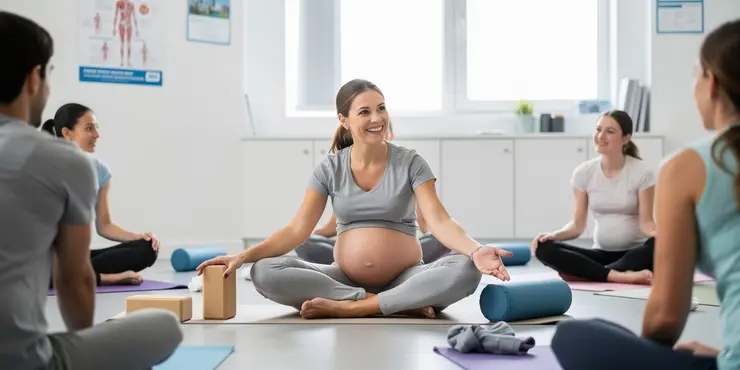
Sports such as swimming, yoga, and pilates are generally considered safer alternatives and can be particularly beneficial. These activities offer low-impact cardiovascular benefits, improve flexibility, and enhance core strength.
Consultation with Healthcare Providers
Before participating in any group sports, pregnant women should seek advice from their GP or midwife. This is essential to tailor the activity to the individual’s health status and pregnancy progress. Healthcare providers can offer personalized recommendations and ensure that any physical activity is adapted to accommodate the changes occurring in the body during pregnancy.
Signs to Monitor
Pregnant women should be aware of signs that might indicate they should stop exercising and seek medical advice. These include dizziness, shortness of breath before exertion, headache, chest pain, and calf pain or swelling. Additionally, if there is any vaginal bleeding, decreased fetal movement, or amniotic fluid leakage, it’s important to stop exercising and contact a healthcare professional immediately.
Conclusion
In conclusion, many expectant mothers in the UK can safely participate in group sports during pregnancy, provided they take necessary precautions and choose suitable activities. Consulting with healthcare providers and listening to one’s body are key components in ensuring a safe and enjoyable experience. Balancing activity with rest and paying attention to the body’s signals can help maintain a healthy and active pregnancy while enjoying the benefits of group sports.
Understanding Sports and Pregnancy
Playing sports with others can be good for pregnant women. It keeps you fit, helps you meet people, and feel good. But it's very important to talk to your doctor before starting or continuing any sport while pregnant.
Benefits of Group Sports During Pregnancy
Playing sports with others has many good effects. It helps your heart, keeps your weight healthy, and makes you feel less stressed. It also makes you happy because you have friends in your team. Exercise can make you stronger for when you give birth.
Safety Considerations
There are some risks with playing sports while pregnant. Avoid sports where you might fall or get hit, like football or basketball. Swimming, yoga, and pilates are safer choices. They are gentle on your body and help you stay strong.
Consultation with Healthcare Providers
Always talk to your doctor or midwife before playing any sports while pregnant. They can help you decide which sports are safe for you. They make sure the exercise is right for your body during pregnancy.
Signs to Monitor
Watch out for signs you should stop exercising and call a doctor. These signs include feeling dizzy, having trouble breathing, chest pain, headache, or swelling in your legs. If there is any bleeding, less baby movement, or fluid leaking, stop exercising and see a doctor right away.
Conclusion
Many pregnant women can safely play sports with others if they are careful and choose the right sports. Always talk to your doctor and listen to your body. It is important to rest when you need to and pay attention to how you feel. This can help you have a healthy and happy pregnancy while enjoying sports.
Frequently Asked Questions
For most women, it is generally safe to participate in group sports while pregnant, but it's important to consult with your healthcare provider for personalized advice.
Low-impact sports such as swimming, walking, cycling on a stationary bike, and prenatal yoga are generally considered safe during pregnancy.
Contact sports, high-impact activities, and sports with a risk of falling, such as skiing or horseback riding, are generally advised against during pregnancy.
Consult with your healthcare provider, listen to your body, and avoid activities with high risk of injury, overheating, or those that involve lying flat on your back after the first trimester.
Stay hydrated, wear appropriate gear, avoid overheating, and ensure the activity is comfortable and appropriate for your current stage of pregnancy.
Because every pregnancy is different, a healthcare provider can give you personalized advice based on your health, fitness level, and any pregnancy complications.
Playing safe and suitable sports can positively impact maternal health, which benefits the baby. However, inappropriate or high-risk sports can pose risks.
Yes, benefits include improved cardiovascular health, weight management, mood enhancement, and preparation for labor and delivery.
It is often recommended to continue familiar activities rather than starting new sports during pregnancy. Consult your healthcare provider for advice specific to your situation.
Pregnancy can affect balance, endurance, and joint stability, necessitating modifications to your usual sports activities.
High-intensity sports may be safe for some women but generally require medical approval and often need modifications during pregnancy.
Stop the activity immediately and consult a healthcare provider if you experience pain, dizziness, or any concerning symptoms during sports participation.
Join prenatal classes or groups that offer a supportive environment and activities tailored for pregnant women.
Yes, regular exercise can improve stamina, flexibility, and strength, which may aid in labor and delivery.
Team sports that involve contact, fast pace, or risk of collision are generally discouraged during pregnancy.
Gradually reduce intensity, avoid exercises requiring long periods on your back, and focus on activities that accommodate your changing center of gravity.
Stop if you experience bleeding, contractions, dizziness, headache, shortness of breath, muscle weakness, or calf pain or swelling.
Most guidelines suggest aiming for at least 150 minutes of moderate-intensity exercise per week, but personal recommendations may vary.
Competing may be safe depending on the sport and pregnancy health. Consult with your healthcare provider to ensure it's appropriate for you.
Yes, maintaining fitness during pregnancy can ease postpartum recovery by decreasing the risk of complications and promoting quicker return to regular activities.
It is usually okay for most women to play sports with other people when they are going to have a baby. But it is important to talk to your doctor or nurse to get advice just for you.
Sports that are gentle on the body are usually safe for pregnant people. These sports include swimming, walking, riding a stationary bike, and doing special yoga for pregnancy.
When you are pregnant, it's best to avoid certain sports. These include contact sports where people can hit each other, activities that are rough, and sports where you might fall down like skiing or horse riding.
Talk to your doctor. Listen to your body. Don't do activities that can hurt you, make you too hot, or mean you have to lie flat on your back after the first three months.
For help, you can use apps with simple exercises. Ask a friend or family member to join you.
Drink lots of water, wear the right clothes, don’t get too hot, and make sure what you are doing is safe and right for your pregnancy.
Every pregnancy is different. A doctor or nurse can give you advice that is just for you. They will look at your health, fitness, and any problems with your pregnancy.
Playing the right sports can help moms and their babies stay healthy. But playing the wrong or dangerous sports can be risky.
Yes, exercise helps in many ways. It makes your heart healthy, helps you keep a good weight, makes you feel happier, and gets you ready for having a baby.
It's good to keep doing the sports and activities that you know when you are pregnant. Starting new sports might not be a good idea. Talk to your doctor or nurse to get advice that is right for you.
When you're pregnant, your body changes. You might find it harder to keep your balance, you might get tired more quickly, and your joints might not be as stable. Because of this, you might need to change how you do your sports and exercises.
Doing hard sports can be okay for some women. But, you usually need to ask a doctor first. While pregnant, you might need to change how you play to stay safe.
If you feel pain, get dizzy, or have any bad feelings while playing sports, stop right away. Talk to a doctor or nurse to make sure you are okay.
Go to special classes or groups for pregnant women. These places have activities and people who can help and support you while you are having a baby.
Yes, doing exercise often can help your body. It makes you stronger, more flexible, and gives you more energy. This can help when you have a baby.
Playing sports where you might bump into others, move really fast, or have accidents isn’t a good idea when you’re having a baby.
Slowly do less hard exercise. Don't do exercises where you lie on your back for a long time. Do exercises that are okay for your growing belly.
Stop and get help if you have:
- Bleeding
- Contractions (it feels like your tummy is squeezing)
- Dizziness (feeling like you might fall over)
- A headache
- Shortness of breath (it feels hard to breathe)
- Muscle weakness (feeling very tired in your muscles)
- Pain or swelling in your calf (the back part of your lower leg)
It can help to speak to a doctor or nurse if you have these. You could also ask someone you trust to help you. Remember, using simple words can make it easier to tell others how you feel.
It is a good idea to try to do 150 minutes of exercise each week. This means doing something active for about 30 minutes each day for 5 days. This could be things like walking, dancing, or riding a bike.
Playing sports can be safe if the sport is okay and your pregnancy is healthy. Talk to your doctor to make sure it's safe for you.
Yes, staying fit when you are pregnant can help your body heal after the baby comes. It can make it easier to get back to normal and do your daily activities.

Ergsy Search Results
This website offers general information and is not a substitute for professional advice.
Always seek guidance from qualified professionals.
If you have any medical concerns or need urgent help, contact a healthcare professional or emergency services immediately.
Some of this content was generated with AI assistance. We've done our best to keep it accurate, helpful, and human-friendly.
- Ergsy carefully checks the information in the videos we provide here.
- Videos shown by Youtube after a video has completed, have NOT been reviewed by ERGSY.
- To view, click the arrow in centre of video.
- Most of the videos you find here will have subtitles and/or closed captions available.
- You may need to turn these on, and choose your preferred language.
- Go to the video you'd like to watch.
- If closed captions (CC) are available, settings will be visible on the bottom right of the video player.
- To turn on Captions, click settings.
- To turn off Captions, click settings again.