

Speak To An Expert
Get clear, personalised advice for your situation.
Jot down a few questions to make the most of your conversation.
More Items From Ergsy search
-

Judicial Review Sought Over NHS Data Sharing Agreements
Relevance: 100%
-

MPs Seek Judicial Review Over Voting Age Reduction
Relevance: 45%
-

Does sharing data improve healthcare?
Relevance: 39%
-

Why does the NHS share health data at all?
Relevance: 37%
-

Can my identifiable NHS data be shared without my permission?
Relevance: 35%
-

Has the NHS ever sold patient data?
Relevance: 33%
-

Is my data safe with the NHS?
Relevance: 31%
-

Does the NHS sell my patient data or medical records?
Relevance: 30%
-

How does a buy-sell agreement help in resolving disputes?
Relevance: 30%
-

What role does a shareholder agreement play in resolving disputes?
Relevance: 29%

-
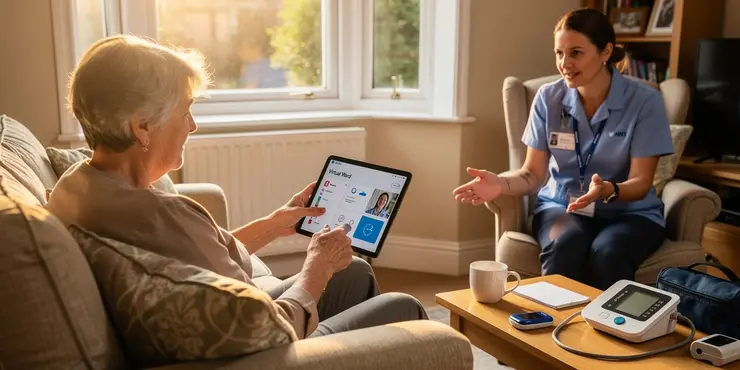
Is my data secure on a virtual ward?
Relevance: 29%
-

What is pseudonymised data?
Relevance: 27%
-

How is an indefinite sentence reviewed?
Relevance: 26%
-

Can a shareholders’ agreement help prevent director disputes?
Relevance: 26%
-

Who can access my NHS health data?
Relevance: 25%
-

Can I end a lease agreement early?
Relevance: 24%
-
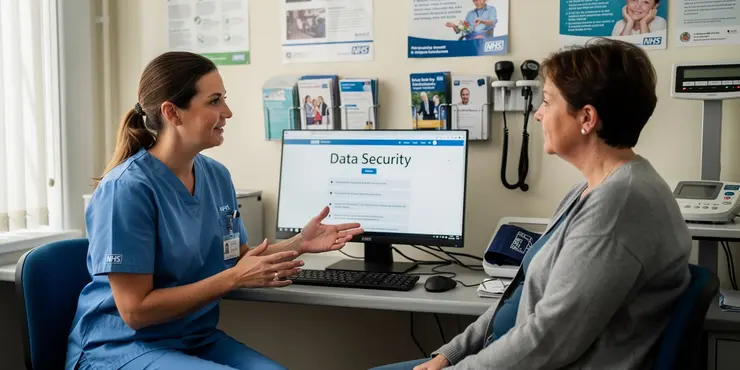
Can I prevent my data from being included in a breach?
Relevance: 23%
-

Can a healthcare provider share my medical records with other providers?
Relevance: 23%
-

What should I look for in my car finance agreement?
Relevance: 23%
-

Are there specific eligibility criteria for PCP or HP agreements?
Relevance: 23%
-

Do AI models for lung cancer require a lot of data to train?
Relevance: 23%
-

Do all jurisdictions have the same requirements for reviewing indefinite sentences?
Relevance: 22%
-

How can I find out if my medical data has been leaked?
Relevance: 22%
-

Why are emails often targeted in data breaches?
Relevance: 21%
-

What is the NHS National Data Opt-Out?
Relevance: 21%
-

What is a data breach?
Relevance: 21%
-

How can I secure sensitive data stored on my phone?
Relevance: 21%
-

Can the Chief Law Officer for England and Wales overrule a court?
Relevance: 20%
-

Are there fees associated with Stocks & Shares ISAs?
Relevance: 20%
-

How often is the National Living Wage reviewed?
Relevance: 20%
-

How can I find out if my data was part of a breach?
Relevance: 20%
-

How does the Chief Law Officer for England and Wales relate to the judiciary?
Relevance: 19%
-

Will I be in a shared or single cell?
Relevance: 19%
-

What steps can be taken to prevent shareholder disputes?
Relevance: 19%
-

How often does the UK government review the state pension age?
Relevance: 19%
-

What is the best way to back up my mobile phone data?
Relevance: 19%
-

What should drivers do if there are errors in their digital license data?
Relevance: 19%
-

What type of information can be exposed in a data breach?
Relevance: 19%
-
Can a company refuse to register a share transfer?
Relevance: 19%
-

Can I recover data once it has been breached?
Relevance: 19%
Introduction to NHS Data Sharing Agreements
NHS data sharing agreements have been a topic of considerable debate amidst concerns about patient privacy and data security. The National Health Service (NHS) in the UK manages vast amounts of health data, which is invaluable for improving public health outcomes, enabling research, and enhancing patient care. However, the mechanisms and policies governing this data's sharing with third parties, including private sector companies, have come under scrutiny. Recently, judicial review processes have been sought to ensure that these agreements are lawful and transparent.
The Importance of Judicial Review
The process of judicial review is fundamental in scrutinizing governmental or public body decisions in the UK. It is a mechanism through which individuals, legal entities, or interest groups challenge the legality of decisions made by public bodies, such as the NHS. Judicial review becomes essential when there are concerns that a decision could breach statutory rights, overstep authority, or fail to comply with procedural fairness. In the context of NHS data sharing, seeking a judicial review is motivated by the desire to ensure that data agreements are not only legal but also ethical and aligned with public interest.
Concerns Around Data Privacy and Security
At the heart of the judicial review requests is the concern over data privacy. Patient data is sensitive, and its mishandling can have serious repercussions, including breaches of confidentiality and misuse of personal health information. Critics argue that some of the existing data sharing agreements may not adequately protect patient privacy, potentially exposing data to misuse by commercial entities. Ensuring robust data protection measures that comply with the General Data Protection Regulation (GDPR) is a central issue in these debates.
Implications for NHS and Patients
The outcome of a judicial review could have profound implications on how the NHS structures its data sharing agreements. A successful challenge may require the NHS to revise agreements to meet higher standards of transparency and accountability. This might involve more stringent consent processes, clearer communication with patients about how their data is used, and more robust oversight mechanisms. For patients, this could translate to greater confidence in how their personal information is handled, potentially increasing their willingness to share data that could drive healthcare innovations and improvements.
The Way Forward
As the judicial review progresses, stakeholders, including policymakers, healthcare providers, and patient advocacy groups, will be closely watching. It is essential that any NHS data sharing agreements prioritize patient trust and ensure that data is used responsibly and for the public good. Future policies may require a balanced approach that fosters innovation in healthcare while safeguarding individual privacy rights. Ensuring transparency and public engagement in these processes will be crucial in shaping a healthcare system that effectively uses data to benefit society while respecting personal privacy.
Introduction to NHS Data Sharing Agreements
NHS data sharing agreements are important. These agreements let the NHS share health information. The NHS is a big healthcare system in the UK. They have a lot of health information. This information helps make healthcare better, do research, and take good care of patients. But some people worry about privacy and safety. This means they are worried about keeping patient information safe and private. Sometimes, people and groups ask for a check (called a judicial review) to make sure these agreements are fair and legal.
The Importance of Judicial Review
A judicial review is like a check-up for decisions made by the government or public groups like the NHS. In the UK, it helps make sure decisions are fair and follow the law. People use judicial reviews if they think a decision is not right or fair. For NHS data sharing, people ask for a judicial review to make sure data agreements are fair, safe, and good for everyone. This means they want to be sure the agreements follow the law and protect patients.
Concerns Around Data Privacy and Security
Many people worry about keeping patient data private and safe. Patient data is very private, like a secret. If it is not handled well, it can be a big problem. Some people think that data sharing agreements don’t keep data private enough. They worry that companies might use the data in the wrong way. Making sure all data rules are followed, like GDPR, is very important. GDPR is a rule that helps keep data safe and private.
Implications for NHS and Patients
If a judicial review finds problems, the NHS might have to change how they share data. This means making agreements safer and clearer. They might need to ask patients for permission in a better way and explain clearly how data will be used. This could help patients trust the NHS more with their data. When patients trust the NHS, they might be more willing to share data that helps improve healthcare for everyone.
The Way Forward
Everyone is watching what happens next with these data sharing agreements. This includes people who make rules, doctors, and patients. It is very important to make sure data sharing is fair and safe. New rules might help healthcare improve while keeping data private. Talking openly and working together can make sure healthcare uses data well and respects everyone's privacy.
Frequently Asked Questions
What is judicial review?
Judicial review is a legal process where courts evaluate the legality of decisions or actions taken by public bodies, ensuring they adhere to the law.
Why is judicial review being sought over NHS data sharing agreements?
Judicial review is sought to determine if the NHS data sharing agreements comply with legal standards and protect individuals' personal data rights.
What are NHS data sharing agreements?
NHS data sharing agreements are contracts outlining how patient data can be shared and used by different parties, such as research organizations or private companies.
Who is challenging the NHS data sharing agreements?
Typically, the challenge would come from concerned individuals, patient advocacy groups, or privacy organizations.
What concerns might be raised in the judicial review?
Concerns often relate to privacy, data security, consent from individuals, and whether the data sharing serves the public interest.
What legal grounds can be used for the judicial review?
Grounds include lack of transparency, failure to comply with data protection laws, or inadequate consideration of privacy implications.
How does the judicial review process work?
The process involves filing a claim in court, where a judge reviews the legality of the challenged decision or agreement and determines if it should stand, be modified, or annulled.
What outcomes can result from a judicial review?
Possible outcomes include upholding the agreement, ordering changes, or nullifying it entirely if found unlawful.
How long does a judicial review usually take?
The timeline can vary, but judicial reviews generally take several months to complete from the filing date to a decision.
What impact could this judicial review have on the NHS?
It could lead to changes in how data sharing agreements are structured and implemented, affecting future policies and procedures.
Why is data sharing important for the NHS?
Data sharing is crucial for improving healthcare services, conducting research, and facilitating effective public health measures.
What is the role of patient consent in data sharing?
Patient consent is key in data sharing, ensuring individuals agree to how their data is used and shared with others.
Are there alternatives to judicial review for resolving these issues?
Alternatives include negotiation, mediation, or seeking intervention from regulatory bodies like the Information Commissioner's Office.
What is the Information Commissioner's Office (ICO)?
The ICO is the UK's independent authority set up to uphold information rights and protect personal data privacy.
How does this judicial review relate to GDPR?
The review might assess if the NHS data sharing agreements comply with GDPR principles, such as transparency, data minimization, and protection of personal data.
What are the potential risks of data sharing in healthcare?
Risks include data breaches, misuse of personal data, and potential impacts on patient privacy and trust in the healthcare system.
Could this judicial review set a precedent for future cases?
Yes, the review could establish legal precedents influencing future data sharing agreements and judicial challenges.
What role do transparency and accountability play in data sharing agreements?
Transparency and accountability ensure that data sharing is conducted openly, with clear responsibilities and compliance with legal and ethical standards.
Is there public support for this judicial review?
Public support might vary, with privacy advocates likely endorsing the review while others may prioritize the benefits of data sharing.
How might this judicial review affect patient trust in the NHS?
A review that highlights concerns or mandates changes could either enhance trust through greater security and transparency or raise apprehensions about data handling practices.
What is judicial review?
Judicial review is when a court looks at a decision made by the government. If the decision is against the law, the court can change it.
This helps make sure the government follows the rules.
To learn more, you can:
- Ask a teacher to explain it.
- Watch videos about it online.
- Read a simple book about laws.
A judicial review is when a court checks if public decisions or actions follow the law. This is a way to make sure that laws are obeyed.
Why do people want to check how NHS shares data?
Judicial review is when someone checks if the rules are being followed. In this case, they want to make sure the NHS is sharing data in the right way and keeping people’s personal information safe.
Supportive tool: Use a highlighter to pick out important words or phrases.
Technique: Break the sentence into smaller parts to understand it better.
What are NHS data sharing agreements?
The NHS sometimes needs to share information to help care for people.
This is called a "data sharing agreement."
These agreements are like rules. They make sure your information is shared safely.
When your information is shared, it helps doctors and nurses take care of you better.
If you want help to understand more, you can ask a friend or use a picture chart.
NHS data sharing agreements are rules. These rules say how patient information can be shared and used. The information can be shared with research groups or private companies.
Here are some tips to understand this better:
- Think of data sharing like borrowing a book. You must follow the rules when sharing the book.
- Use simple reading tools. They can help read big words.
- Ask someone to read with you to understand better.
Who is asking questions about NHS data sharing?
Some people want to know who shares NHS data. They have worries about who can see it and how it is used. It is important to keep our health information safe.
Using simple words can help you understand better. Tools like text-to-speech can read the information out loud for you. Pictures or videos can also help explain things more clearly.
Usually, people who are worried, groups that help patients, or groups that care about privacy will ask questions.
What worries might be talked about in the court check-up?
When people talk to a judge about a decision, they might have some worries.
Here are some things they might be worried about:
- Was the decision fair?
- Did everyone follow the rules?
- Were all the right steps taken?
If you have trouble reading, you can ask someone to help read with you. You can also use tools like text-to-speech to listen to the words.
People often worry about privacy, keeping data safe, getting permission from people, and if sharing data is good for everyone.
What reasons can be used to ask a court to look at a decision again?
Reasons include not being clear, not following data protection rules, or not thinking about privacy enough.
What happens in a judicial review?
Judicial review is when a court checks if a decision or action by a government body is fair and legal. It looks over the rules and decides if everything was done the right way.
1. A person or group asks for a judicial review if they think something unfair happened.
2. The court looks at all the information about the decision or action.
3. The court decides if the rules were followed or if something wrong happened.
Tools to Help Understand:
- Pictograms: Use simple pictures to show the steps.
- Plain Language Guides: Find guides that explain legal words in simple terms.
- Support Person: Ask someone to explain and help with reading.
The process means you tell the court about a problem. A judge, who is a special person in the court, looks at your problem.
The judge checks if the decision or agreement was fair. Then, the judge decides if it will stay the same, change, or be canceled.
To help understand better, you can use tools like picture cards or ask someone you trust to explain words you don't know.
What can happen after a court looks at a decision?
Here is what could happen:
- The agreement stays the same.
- Some changes are made to the agreement.
- The agreement is canceled if it is against the law.
To understand better, use a dictionary or ask someone for help.
How long does it take for a judge to make a decision?
When someone asks a judge to look at a decision, it is called a judicial review. This can take some time. It might take a few months. Sometimes it can take longer.
To make things easier to understand, you can:
- Use pictures or drawings to help explain.
- Ask someone to read it with you and explain difficult parts.
- Take notes in your own words.
Remember, it's okay to ask questions if you don't understand something!
A judicial review is when a court looks at a decision to make sure it is fair.
This can take a few months from start to finish.
If you find reading hard, you can:
- Ask someone to explain it to you.
- Use a text-to-speech tool to read it aloud.
What might happen to the NHS because of this court case?
This might change the way we share information with each other. It could also change the rules we use in the future.
Why is sharing information important for the NHS?
The NHS is the health service in the UK. It helps people when they are sick. Sharing information helps the NHS to do a better job.
Here are some reasons why:
- Doctors can find out what works best to make people better.
- The NHS can look after more people if it knows what they need.
- It helps the NHS to know if medicines and treatments are safe.
If you want help to understand, you can:
- Ask someone you trust to explain it to you.
- Use apps that read text out loud.
Sharing information is important. It helps make healthcare better, supports research, and helps with public health.
What is patient consent in data sharing?
Patient consent is when a person says "yes" to sharing their health information.
Here's how it works:
- A doctor or nurse asks if it's okay to share your health details.
- You decide if you want to say "yes" or "no".
- If you say "yes", you give consent.
Patient consent is important because:
- It keeps your health information safe and private.
- You have control over who sees your information.
Helpful tips for understanding consent:
- Ask questions if you don't understand something.
- Take your time to decide.
- You can change your mind later.
If you feel unsure, you can:
- Talk to a trusted friend or family member.
- Use pictures or charts to help you understand.
It's really important to get the person’s permission before sharing their information. This makes sure they know and say it's okay for their information to be used and shared with others.
Can we solve these problems without going to court?
You can try talking to find a solution. This is called negotiation. You can also get help from a mediator. A mediator is a person who helps people agree on things. If you need more help, you can ask for support from important organizations. One example is the Information Commissioner's Office.
What is the Information Commissioner's Office (ICO)?
The Information Commissioner's Office, or ICO, is a group that helps keep people's personal information safe.
They make sure that everyone follows the rules about how to use and protect personal data.
Here are some tools to help you understand:
- Pictures: Look at pictures or drawings about the ICO. They can help explain how it works.
- Videos: Watch short videos about what the ICO does.
- Talk to someone: Ask an adult or friend to help you understand more about it.
The ICO is a group in the UK that helps keep your personal information safe and private.
What is the connection between this court check and GDPR?
The NHS lets others use some of their data. There are rules to keep this safe. They check to make sure they follow these rules.
Their rules say:
- They must be clear about what they do with the data.
- They should only use the data they really need.
- They must keep your data safe.
This is to keep your personal information private and secure.
For more help, you can use pictures, simple words, or talk to someone who can explain things clearly.
What could go wrong with sharing health data?
Sharing health data can be risky.
Here are some things that could go wrong:
- Your personal information might not stay private.
- Bad people could try to steal your data.
- There might be mistakes in the data, which could cause problems.
If you have trouble reading, ask someone for help. Reading tools, like text-to-speech, can also be useful.
There are some risks like someone stealing data, using personal data in the wrong way, and it might make people worry about their privacy and trust doctors and hospitals less.
Will this court decision change future cases?
This question is asking if this court decision will change how future court cases are decided. A tool that can help is speaking to someone who understands law, like a lawyer. You can also use online resources with simple explanations about court decisions.
Yes, the review could make new legal rules. These rules might change how data is shared in the future. They could also affect future court cases.
Why are honesty and responsibility important in data sharing agreements?
Honesty means telling the truth and being clear. Responsibility means doing the right thing and being ready to explain your actions. Tools like pictures or stories can help you understand.
Transparency and accountability mean sharing information in a clear way. Everyone knows what to do, and we follow the rules and do the right thing.
Do people agree with this court check?
People might have different opinions. Some people who care a lot about privacy might like the review. Other people might think sharing data is more important.
How could this court case change how patients feel about the NHS?
A review that talks about concerns or asks for changes can do a few things. It might make people trust more because everything is clearer and safer. But it might also make people worry about how their data is used.

Useful Links
This website offers general information and is not a substitute for professional advice.
Always seek guidance from qualified professionals.
If you have any medical concerns or need urgent help, contact a healthcare professional or emergency services immediately.
Some of this content was generated with AI assistance. We've done our best to keep it accurate, helpful, and human-friendly.
- Ergsy carefully checks the information in the videos we provide here.
- Videos shown by Youtube after a video has completed, have NOT been reviewed by ERGSY.
- To view, click the arrow in centre of video.
- Most of the videos you find here will have subtitles and/or closed captions available.
- You may need to turn these on, and choose your preferred language.
- Go to the video you'd like to watch.
- If closed captions (CC) are available, settings will be visible on the bottom right of the video player.
- To turn on Captions, click settings.
- To turn off Captions, click settings again.
More Items From Ergsy search
-
Judicial Review Sought Over NHS Data Sharing Agreements
Relevance: 100%
-
MPs Seek Judicial Review Over Voting Age Reduction
Relevance: 45%
-
Does sharing data improve healthcare?
Relevance: 39%
-
Why does the NHS share health data at all?
Relevance: 37%
-
Can my identifiable NHS data be shared without my permission?
Relevance: 35%
-
Has the NHS ever sold patient data?
Relevance: 33%
-
Is my data safe with the NHS?
Relevance: 31%
-
Does the NHS sell my patient data or medical records?
Relevance: 30%
-
How does a buy-sell agreement help in resolving disputes?
Relevance: 30%
-
What role does a shareholder agreement play in resolving disputes?
Relevance: 29%
-
Is my data secure on a virtual ward?
Relevance: 29%
-
What is pseudonymised data?
Relevance: 27%
-
How is an indefinite sentence reviewed?
Relevance: 26%
-
Can a shareholders’ agreement help prevent director disputes?
Relevance: 26%
-
Who can access my NHS health data?
Relevance: 25%
-
Can I end a lease agreement early?
Relevance: 24%
-
Can I prevent my data from being included in a breach?
Relevance: 23%
-
Can a healthcare provider share my medical records with other providers?
Relevance: 23%
-
What should I look for in my car finance agreement?
Relevance: 23%
-
Are there specific eligibility criteria for PCP or HP agreements?
Relevance: 23%
-
Do AI models for lung cancer require a lot of data to train?
Relevance: 23%
-
Do all jurisdictions have the same requirements for reviewing indefinite sentences?
Relevance: 22%
-
How can I find out if my medical data has been leaked?
Relevance: 22%
-
Why are emails often targeted in data breaches?
Relevance: 21%
-
What is the NHS National Data Opt-Out?
Relevance: 21%
-
What is a data breach?
Relevance: 21%
-
How can I secure sensitive data stored on my phone?
Relevance: 21%
-
Can the Chief Law Officer for England and Wales overrule a court?
Relevance: 20%
-
Are there fees associated with Stocks & Shares ISAs?
Relevance: 20%
-
How often is the National Living Wage reviewed?
Relevance: 20%
-
How can I find out if my data was part of a breach?
Relevance: 20%
-
How does the Chief Law Officer for England and Wales relate to the judiciary?
Relevance: 19%
-
Will I be in a shared or single cell?
Relevance: 19%
-
What steps can be taken to prevent shareholder disputes?
Relevance: 19%
-
How often does the UK government review the state pension age?
Relevance: 19%
-
What is the best way to back up my mobile phone data?
Relevance: 19%
-
What should drivers do if there are errors in their digital license data?
Relevance: 19%
-
What type of information can be exposed in a data breach?
Relevance: 19%
-
Can a company refuse to register a share transfer?
Relevance: 19%
-
Can I recover data once it has been breached?
Relevance: 19%