
Get Answers
Understanding the Impact of Heatwaves on Exercise
Heatwaves can significantly impact the safety and effectiveness of your exercise routine. High temperatures and humidity levels increase the risk of heat-related illnesses such as heat exhaustion and heatstroke. During a heatwave, your body's ability to cool itself through sweating and evaporation is compromised, which can lead to overheating.
When to Adjust Your Exercise Routine
In the UK, where heatwaves are becoming more frequent, it's important to listen to your body and adjust your exercise routine as needed. If the daytime temperatures rise above comfortable levels, consider modifying your exercise schedule to cooler parts of the day, such as early morning or late evening. It's essential to avoid peak sun hours to minimize the risk of dehydration and heat exhaustion.
Indoor Alternatives and Modifications
If outdoor exercise is part of your routine, consider shifting to indoor alternatives during a heatwave. Gyms and leisure centers often provide a climate-controlled environment, making them a good option. If you prefer home workouts, consider using online resources or fitness apps that offer guided sessions. Reducing the intensity or duration of workouts is also advisable during extreme heat.
Hydration and Nutrition
Staying hydrated is crucial when exercising during a heatwave. Drink fluids before, during, and after your workout, even if you don't feel thirsty. Water is typically sufficient for lighter activities, but for more intense workouts, consider drinks that replenish electrolytes. Additionally, maintaining a balanced diet with enough fruits and vegetables can help ensure your body is equipped to handle the heat.
Signs of Heat-Related Illness
Be aware of the signs of heat-related illnesses, which include excessive sweating, weakness, dizziness, nausea, and cool, clammy skin. If you or someone else experiences these symptoms during exercise, stop the activity immediately, move to a cooler place, and seek medical attention if necessary. It's important not to push through discomfort during hot weather.
The Importance of Wearing Appropriate Clothing
Choosing the right clothing is important when exercising during a heatwave. Wear light-colored, loose-fitting, and moisture-wicking materials to help your body regulate temperature. A hat and sunscreen are essential for protecting your skin from harmful UV rays.
Listen to Your Body
Finally, always listen to your body. Heatwaves can place additional stress on your cardiovascular system, and what feels manageable under normal circumstances may become dangerous in extreme heat. When in doubt, opt for a less strenuous activity or take a rest day. Remember that your health and safety are paramount, and there will be plenty of opportunities to return to your regular routine once the temperatures subside.
Understanding Heatwaves and Exercise
When it is very hot outside, called a heatwave, it can make exercise unsafe. High heat can make you sick with heat exhaustion or heatstroke. When it's hot, our bodies find it harder to cool down because we sweat less effectively. This can make us too hot and uncomfortable.
Changing Your Exercise Routine
In places like the UK, heatwaves happen more often now. It's important to pay attention to how your body feels and change your exercise if you need to. If it's too hot during the day, try to exercise in the early morning or late evening when it is cooler. Avoid exercising when the sun is strongest to stay safe.
Exercising Indoors
If you usually exercise outside, think about doing it inside when it’s very hot. Gyms and sports centers are often cooler and safer. If you prefer staying at home, try using online videos or fitness apps for guidance. You can also do easier and shorter workouts when it is really hot.
Drinking Enough Water and Eating Well
When it’s hot, drinking water is very important. Drink water before, during, and after exercise, even if you are not thirsty. For harder exercises, drinks with electrolytes can help. Eating fruits and vegetables helps your body stay strong and cool.
Spotting Heat Sickness
Watch out for signs that the heat is making you sick. These include sweating a lot, feeling weak, dizzy, sick, and having cool, sweaty skin. If you feel these things, stop exercising, go to a cool place, and get help if needed. Don’t force yourself to keep going if you feel bad.
Wearing the Right Clothes
Wear the right clothes when exercising in the heat. Choose light-colored, loose clothes that keep you cool. Wearing a hat and sunscreen will protect your skin from the sun.
Listen to Your Body
Always listen to your body. Heat can make exercise harder and risky. If you feel unsure, choose an easier workout or rest. Your health is the most important, and you can return to your regular exercise routine when it cools down.
Frequently Asked Questions
Yes, it is advisable to adjust your routine to prevent heat-related illnesses.
Consider exercising during cooler parts of the day, reducing intensity, and increasing hydration.
It can be unsafe to exercise outdoors during peak temperatures; consider indoor activities instead.
Increase your fluid intake; drink plenty of water before, during, and after exercise.
Signs include dizziness, nausea, excessive sweating, and muscle cramps.
It's best to reduce the intensity and duration of workouts to avoid overheating.
Early morning or late evening when temperatures are cooler are ideal times.
Wear light, breathable, and loose-fitting clothing to help stay cool.
Yes, taking regular breaks can help prevent overheating.
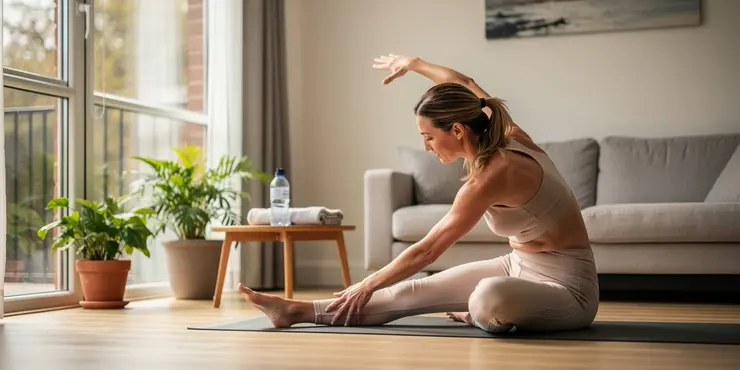
Yes, activities like stretching or yoga may be more suitable in high temperatures.
Stop if you experience headache, confusion, rapid pulse, or excessive fatigue.
Monitor urine color; aim for light yellow as a sign of good hydration.
Focus on light meals and foods with high water content, like fruits and vegetables.
While it can improve acclimatization, the risks often outweigh the benefits.
Yes, swimming can help keep you cool while providing a good workout.
Yes, but reduce intensity and duration to prevent overheating.
High humidity can make it harder for sweat to evaporate, increasing heat stress.
Stop exercising immediately, move to a cooler place, hydrate, and seek medical attention if necessary.
Yes, dehydration can significantly impair performance and increase health risks.
It's safer to exercise with a partner who can assist you if you experience heat-related issues.
Yes, it is a good idea to change what you do to stay safe when it's hot.
Try to exercise when it is cooler outside, like in the morning or evening. Don't exercise too hard. Drink lots of water.
It can be dangerous to exercise outside when it is very hot. Try doing activities indoors instead.
Drink lots of water. It is good to drink water before, during, and after you exercise.
Signs can be feeling dizzy, feeling sick, sweating a lot, and having sore muscles.
It’s smart to exercise less and for a shorter time. This helps you stay cool and not get too hot.
The best times to go out are when it is cooler. This is usually in the early morning or late evening.
Wear clothes that are light and comfy. Make sure they are not too tight. This will help you stay cool.
Yes, taking breaks often helps stop getting too hot.
Yes, doing activities like stretching or yoga is good when it's hot.
Stop if you get a headache, feel confused, your heart beats fast, or you feel very tired.
Check the color of your pee. If it is light yellow, it means you are drinking enough water.
Eat small meals and choose foods with lots of water, like fruits and vegetables.
It might help you get used to something, but it's usually more dangerous than helpful.
Yes, swimming helps you stay cool and gives you good exercise.
Yes, but do it for a shorter time and not too hard to stay cool.
When the air has a lot of moisture, sweat doesn't dry easily. This can make you feel hotter and uncomfortable.
Here are some tips to help:
- Use a fan to stay cool.
- Drink lots of water.
- Wear light clothes.
Stop exercising right away. Go to a cool place. Drink water. Get help from a doctor if needed.
Yes, not drinking enough water can make it hard to do things and can make you sick.
It's safer to exercise with a friend who can help you if you get too hot.

Ergsy Search Results
This website offers general information and is not a substitute for professional advice.
Always seek guidance from qualified professionals.
If you have any medical concerns or need urgent help, contact a healthcare professional or emergency services immediately.
Some of this content was generated with AI assistance. We've done our best to keep it accurate, helpful, and human-friendly.
- Ergsy carefully checks the information in the videos we provide here.
- Videos shown by Youtube after a video has completed, have NOT been reviewed by ERGSY.
- To view, click the arrow in centre of video.
- Most of the videos you find here will have subtitles and/or closed captions available.
- You may need to turn these on, and choose your preferred language.
- Go to the video you'd like to watch.
- If closed captions (CC) are available, settings will be visible on the bottom right of the video player.
- To turn on Captions, click settings.
- To turn off Captions, click settings again.