
Speak To An Expert
Get clear, personalised advice for your situation.
Jot down a few questions to make the most of your conversation.
More Items From Ergsy search
-
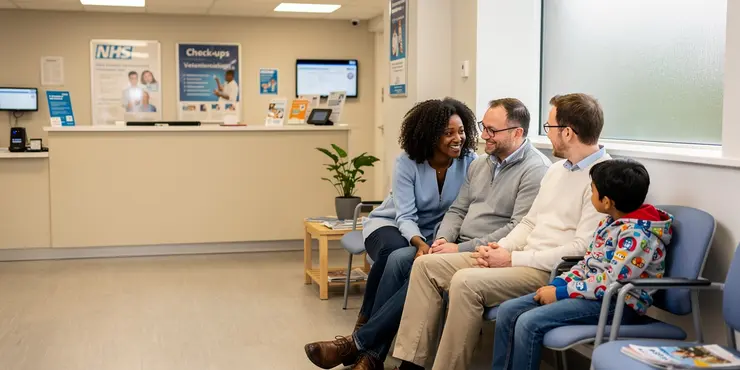
UK Sees Surge in Respiratory Illnesses as Weather Cools
Relevance: 100%
-

Understanding and Managing Respiratory Illnesses in Families
Relevance: 60%
-
How can I prevent heat-related illnesses?
Relevance: 58%
-

What should I wear to stay cool in hot weather?
Relevance: 54%
-
Latest Advice on Managing Respiratory Illnesses During Flu Season
Relevance: 52%
-

How to stay cool during a heatwave
Relevance: 51%
-

Can certain foods help me stay cool?
Relevance: 46%
-

Should I take any special precautions if I have a medical condition during a heatwave?
Relevance: 44%
-

Can I use wet clothing to help stay cool?
Relevance: 43%
-

Can cold weather cause a cold?
Relevance: 39%

-
How can I stay cool indoors during a heatwave?
Relevance: 38%
-
Can air physiotherapy prevent respiratory infections?
Relevance: 38%
-

What apps or services can help me monitor the weather during a heatwave?
Relevance: 37%
-

How can I keep my home cool without air conditioning?
Relevance: 36%
-
High Air Pollution Levels Linked to Rising Cases of Respiratory Issues
Relevance: 35%
-
NHSGGC - Respiratory Physiotherapy Service: Self-Management
Relevance: 34%
-

How can I cool down quickly if I start feeling overheated?
Relevance: 34%
-
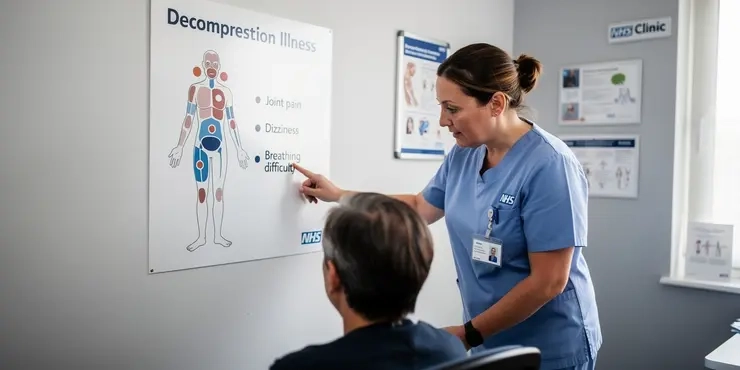
An Introduction to Decompression Illness: Signs & Symptoms”. Dr Roland Armes
Relevance: 34%
-

Are there any special precautions for pets during a heatwave?
Relevance: 33%
-
Can I receive the Warm Home Discount and Cold Weather Payment?
Relevance: 33%
-
What is the best way to hydrate during hot weather?
Relevance: 33%
-

How can I shade my house to keep it cool during a heatwave?
Relevance: 33%
-
Are there any respiratory benefits linked to using sunbeds?
Relevance: 32%
-

Managing Chronic Illness Within the Family
Relevance: 32%
-

Can weather conditions contribute to dangerous driving?
Relevance: 32%
-

How can I keep children safe during a heatwave?
Relevance: 31%
-
Is it safe to take cold showers during a heatwave?
Relevance: 31%
-

How can I keep my kids cool during a heatwave?
Relevance: 31%
-

How can I prevent heatstroke during a heatwave?
Relevance: 31%
-
Is it okay to use ice packs or cold showers to cool down?
Relevance: 31%
-
How can I sleep comfortably during a heatwave?
Relevance: 31%
-

When are mosquitoes most active in the UK?
Relevance: 31%
-
What should I do during a heatwave?
Relevance: 29%
-

What should I wear during a heatwave?
Relevance: 29%
-
Should I avoid alcohol during a heatwave?
Relevance: 29%
-
What are the long-term effects of repeated heatwave exposure?
Relevance: 29%
-
Who is at risk for severe illness from West Nile Virus?
Relevance: 28%
-

Dealing with Common Childhood Illnesses
Relevance: 27%
-

What should I do if I don't have air conditioning?
Relevance: 27%
-
What is RSV (Respiratory Syncytial Virus) or bronchiolitis? UHL NHS Trust
Relevance: 26%
Introduction
The United Kingdom is currently witnessing a surge in respiratory illnesses as the temperatures begin to drop. This seasonal pattern is a common occurrence, but health experts are particularly concerned this year due to a combination of factors that may intensify the situation. Understanding the causes, potential impact, and preventive measures is crucial for citizens as the country prepares to face the colder months.
Causes of Increased Respiratory Illnesses
One of the primary reasons for the rise in respiratory illnesses during the colder months is the lower temperatures, which create an environment conducive to the spread of viruses. As people spend more time indoors in close proximity, the likelihood of viral transmission increases. Additionally, colder, drier air can compromise human respiratory defenses, making individuals more susceptible to infections.
This year, the surge is further compounded by the ongoing circulation of multiple respiratory viruses, including the seasonal flu, Respiratory Syncytial Virus (RSV), and potential new variants of COVID-19. Public health experts have noted that restrictions during the pandemic may have disrupted traditional patterns of viral exposure, potentially leading to decreased immunity in the population.
Potential Health Impact
The health impact of rising respiratory illnesses can be significant, placing pressure on the NHS and other health services. Symptoms of these illnesses can range from mild, such as a runny nose and cough, to severe, including difficulty breathing and pneumonia, especially in vulnerable populations such as the elderly, young children, and those with pre-existing conditions.
Hospitals may see increased admissions, and general practitioners could experience a higher volume of patients seeking advice and treatment. This surge has the potential to strain already stretched health resources, particularly if there is a confluence of different viruses circulating at high levels.
Preventive Measures and Public Health Advice
To mitigate the impact of respiratory illnesses, public health authorities are emphasizing the importance of vaccination. The flu vaccine is highly recommended, especially for those at greater risk. Additionally, COVID-19 booster shots are advised to maintain protection against the virus. Vaccines are available through local health services and can significantly reduce the severity of illness in those who contract these viruses.
Moreover, individuals can take personal preventive measures such as maintaining good hand hygiene, wearing masks in crowded and indoor settings, and ensuring proper ventilation in living spaces. It is also crucial for those who experience symptoms to stay home to prevent the spread of viruses to others.
Conclusion
As the UK braces for a surge in respiratory illnesses, public awareness and preventive action are more important than ever. By understanding the causes and impacts of these illnesses, and by following health advice, the nation can better protect itself during the colder months. Collaboration between health authorities, communities, and individuals is essential to manage and reduce the impact on public health.
Introduction
The United Kingdom is seeing more people getting sick with breathing problems as it gets colder. This happens every year, but this year experts are more worried. There are things making it worse. It is important for people to know why this happens, how it affects health, and what to do to stay healthy during cold months.
Why More People Get Sick
In the colder months, more people get sick because the cold makes it easier for germs to spread. People stay inside more and are close to each other, which helps germs move around. Cold and dry air can also make it easier for people to catch these germs.
This year, lots of different viruses are making people sick, like the flu, RSV, and COVID-19. Being inside a lot during the pandemic may have made people less used to fighting off these germs, so more people might get sick.
How This Affects Health
When more people get breathing illnesses, it can cause problems for doctors and hospitals. Some people might just get a runny nose or cough, but others could have trouble breathing or get very sick, like with pneumonia. Older people, young children, and people who are already sick might have bigger problems.
Hospitals could get very busy, and doctors may see many more patients. If a lot of different viruses are around, it could make things hard for health workers to help everyone.
How to Stay Healthy
To help stop these sicknesses, health experts say getting vaccines is important. The flu vaccine is good, especially for people at higher risk. COVID-19 booster shots are also recommended to keep people safe. Vaccines can be found at local health places and help stop serious illness.
People can also do things like wash their hands often, wear masks when inside with many people, and keep their homes airy by opening windows. If you feel sick, stay home so you do not pass germs to others.
Conclusion
With more people likely to get sick in the UK as it gets colder, it is more important than ever to know what to do. By learning about why people get sick and how to stay healthy, everyone can help keep themselves and others safe. Working together is key to making sure everyone stays as healthy as possible during these months.
Frequently Asked Questions
What types of respiratory illnesses are seeing a surge in the UK?
The surge includes illnesses such as the common cold, flu, RSV (respiratory syncytial virus), and COVID-19.
Why do respiratory illnesses increase when the weather cools?
Cooler weather leads to people spending more time indoors, which increases the risk of virus transmission. Cold air can also weaken the immune system and irritate airways.
Who is most at risk from these respiratory illnesses?
Vulnerable groups include young children, older adults, and individuals with weakened immune systems or underlying respiratory conditions.
How can people protect themselves from respiratory illnesses during this period?
People can protect themselves by getting vaccinated, practicing good hygiene, wearing masks in crowded places, and avoiding close contact with sick individuals.
Are there any vaccines available for these respiratory illnesses?
Yes, vaccines are available for the flu and COVID-19. There is no vaccine for the common cold, but RSV vaccines are newly available for certain age groups.
What are common symptoms of these respiratory illnesses?
Common symptoms include cough, sore throat, runny or stuffy nose, headache, and fever.
Should people get tested if they have symptoms of a respiratory illness?
Yes, especially if the symptoms are severe or persistent. Testing can help distinguish between different illnesses like COVID-19 or the flu.
How are healthcare services in the UK dealing with the rise in cases?
Healthcare services are increasing testing capacities, promoting vaccination, and preparing hospitals for increased admissions.
Can these respiratory illnesses be treated at home?
Mild cases can often be managed at home with rest, fluids, and over-the-counter medications. Severe symptoms may require medical attention.
How do weather conditions specifically affect virus transmission?
Cold, dry air can help viruses stay airborne longer and improve their ability to infect people. People also tend to congregate indoors more during cooler weather.
What role does ventilation play in preventing respiratory illnesses?
Good ventilation helps reduce the concentration of viruses in the air, lowering the risk of transmission.
Is COVID-19 still a concern given the surge in other respiratory illnesses?
Yes, COVID-19 continues to be a concern and is part of the mix of respiratory viruses circulating.
What advice is there for parents of young children with symptoms?
Parents should seek medical advice if their child has difficulty breathing, persistent high fever, or is extremely lethargic.
How does the flu vaccine help in controlling the surge of illnesses?
The flu vaccine can significantly reduce the risk of infection and severe illness, thereby lowering the strain on healthcare systems.
What measures can workplaces take to curb the spread of respiratory illnesses?
Workplaces can encourage sick employees to stay home, improve ventilation, provide hand sanitizers, and promote vaccination.
Are there any particular public health campaigns addressing this surge?
Yes, there are public health campaigns promoting vaccination, proper hygiene, and precautions to prevent virus spread.
Has there been an increase in RSV cases specifically?
Yes, RSV cases typically surge in the fall and winter months, affecting primarily young children and the elderly.
What impact does smoking have on respiratory illness susceptibility?
Smoking damages the respiratory system, making smokers more susceptible to infections like the flu and COVID-19.
How should individuals with chronic respiratory conditions manage during this time?
They should adhere to prescribed treatments, avoid crowded places, get vaccinated, and consult healthcare professionals if their condition worsens.
What preventive measures are being reinforced in public transport systems?
Public transport systems are reinforcing mask mandates, improving ventilation, and encouraging the use of contactless payment methods.
What breathing problems are increasing in the UK?
There are more colds and flu happening in the UK.
Here are some ways to help you read questions and find answers:
- Use a computer or tablet with a screen reader.
- Ask someone to read the question with you.
- Draw pictures to help understand the question.
There are more people getting sick with things like a cold, the flu, RSV, and COVID-19.
Why do we get more colds when it gets cold outside?
When the weather gets cold, more people get sick with colds and coughs. * Here are some reasons why: - **Cool air**: Cold air can make our noses and throats dry. - **Staying inside**: When it’s cold, we stay inside more and germs spread. - **Less sunlight**: The sun gives us Vitamin D, which helps keep us healthy. In winter, we get less sun. If you feel sick, tell an adult. They can help you see a doctor. Drink warm drinks and rest to feel better.When it gets cold, people stay inside more. This makes it easier to spread germs and get sick. Cold air can make your body weaker and make it harder to breathe.
If you find reading hard, try using pictures or ask someone to read to you.
Who can get sick more easily from lung illnesses?
Some people can get sick more easily. These include:
- Very young children
- Older people
- People who already have health problems
If you need help with reading, you can:
- Ask someone to read with you
- Listen to an audio version
- Use a reading app to help
Some people need extra help. These include young kids, older people, and those who are often sick or have breathing problems.
How can people stay safe from illnesses that affect breathing?
Here are some simple ways to stay healthy:
- Wash Your Hands: Use soap and water. Wash for at least 20 seconds.
- Wear a Mask: Put on a mask to cover your nose and mouth when around others.
- Avoid Crowds: Stay away from places with lots of people.
- Rest and Eat Well: Sleep enough and eat healthy foods to keep your body strong.
- Use a Tissue: Sneeze or cough into a tissue or your elbow, not your hands.
- Keep Things Clean: Wipe surfaces like door handles and phones often.
These tips can help keep you and others safe. If you feel unwell, it’s a good idea to see a doctor.
People can stay safe by getting a vaccine (a special medicine that helps your body fight germs). It's also good to wash your hands a lot, wear a mask where there are many people, and stay away from people who are sick.
Can you get shots to stop you from getting these lung sicknesses?
Yes, there are shots to help keep you safe from the flu and COVID-19. There is no shot for the common cold. But, there are new shots for RSV for some age groups.
What signs show you might be sick with these breathing illnesses?
Here are some signs to watch for:
- Coughing a lot
- Having a runny or stuffy nose
- Feeling out of breath
- Having a sore throat
- Feeling very tired
If you have trouble reading, you can:
- Ask someone you trust to help you read
- Use apps that read text out loud
- Take your time and read slowly
When you are sick, you might have a cough. Your throat might hurt. Your nose can be runny or blocked. You could get a headache. You may also have a fever.
Should you get tested if you feel sick with a cough or cold?
If you have a cough, runny nose, or feel sick, it is good to get a test. The test can tell if you have a bug like a cold or flu.
Getting tested helps you know if you need to stay home so you do not make others sick.
It's important to talk to a doctor or nurse if you are not sure. You can also ask someone you trust to help you.
Yes, you should get tested. It is important if you feel very sick or if you stay sick for a long time. Tests can tell if you have COVID-19 or the flu. This can help you get the right treatment.
If you find reading hard, you might like these tips:
- Ask someone you trust to read with you.
- Use an app that can read the text out loud.
- Use colored overlays to help the words stand out on the page.
How are doctors and nurses in the UK helping more people who are getting sick?
The number of people getting sick is going up. Here are some ways doctors and nurses are helping:
- The staff are working extra hard to help everyone.
- They are making sure they have enough beds and medicines.
- People might have to wait a bit longer to see a doctor.
If you need help:
- Ask a friend or family member to go with you to the doctor.
- Use simple, clear words to tell the doctor how you feel.
- Write down any questions you have to ask the doctor.
Doctors and nurses are doing more tests. They are telling people to get their vaccines. They are getting hospitals ready for more people to come in.
Can you get better from these breathing illnesses at home?
If you don't feel too sick, you can stay at home. Rest, drink lots of water, and take medicine from the store. If you feel very sick, you should see a doctor.
How does the weather change how viruses spread?
Cold and dry air makes it easier for viruses to spread and make people sick. Also, when it is cold, people like to stay inside more.
If you find reading hard, try using tools like audiobooks or picture books. These can make reading fun and easier to understand.
How does fresh air help keep us from getting sick?
Having fresh air flow in a room helps keep the air clean and makes it less likely for people to catch viruses.
Is COVID-19 Still a Problem with Other Illnesses Going Around?
Yes, COVID-19 is still something to worry about. It is one of the many germs that can make you sick.
What can parents do if their young child is feeling unwell?
If you are a parent and your young child is not feeling well, here are some things you can do to help:
- Talk to a doctor about your child's symptoms.
- Make sure your child gets plenty of rest.
- Give your child lots of water to drink.
- Keep an eye on how your child is feeling.
Remember, if you are worried, you can always ask for help from a doctor or nurse.
If your child is finding it hard to breathe, has a high fever that won't go away, or is very tired all the time, talk to a doctor.
How does the flu vaccine help stop people getting sick?
The flu vaccine helps people to stay well. Here is how: - **Vaccine Protection**: The flu vaccine makes your body strong. It helps fight the flu virus so you don't get sick. - **Fewer Sick People**: If more people get the flu vaccine, fewer people will get sick. - **Helps Protect Everyone**: When lots of people have the vaccine, it is harder for the flu to spread. This means even people who do not get the vaccine are safer. Some helpful tips to remember: - **Get the Vaccine Every Year**: The flu vaccine changes every year. It's important to get it every year to stay protected. - **Ask for Help**: If you need help understanding, ask a doctor or a trusted adult.The flu shot helps stop people from getting sick with the flu. It also makes sure that if people do get the flu, they don't get too sick. This is good because it keeps doctors and nurses from getting too busy.
How can workplaces stop the spread of germs that make us sick?
Here are some easy things workplaces can do:
- Wash hands: Teach everyone to wash hands with soap and water often. Use hand sanitizer if there's no soap.
- Clean surfaces: Wipe down tables, desks, and door handles with cleaning spray or wipes.
- Use tissues: Encourage using tissues for coughs and sneezes. Throw away tissues right away.
- Stay home: Tell people to stay home if they feel sick.
- Wear masks: Use masks if someone is feeling a little sick or when it's flu season.
These steps help keep everyone safe and healthy. Managers can make posters to remind people about these steps.
When sick, workers should stay home. Workplaces should keep air fresh, have hand sanitizers, and ask workers to get vaccines.
Are there any health campaigns helping with the increase?
Yes, there are messages that tell people to get a vaccine, wash their hands properly, and be careful so they don't spread germs.
Are there more RSV cases now?
Yes, RSV cases usually go up in the fall and winter. RSV mostly affects young children and older people.
How does smoking affect getting sick in your lungs?
Smoking can make it easier to get sick in your lungs. It can harm your lungs and make them weaker.
Here are some tips to help understand:
- Use pictures to see how lungs work.
- Talk to someone you trust about smoking and health.
Smoking hurts your lungs. This makes it easier for you to get sick with illnesses like the flu or COVID-19.
What can people with breathing problems do to stay safe now?
They should follow their doctor's advice, stay away from big groups, get their vaccines, and talk to a doctor if they feel worse.
What safety steps are people using more on buses and trains?
Buses and trains are making sure people wear masks, using more fresh air, and asking people to pay without touching money.

Useful Links
This website offers general information and is not a substitute for professional advice.
Always seek guidance from qualified professionals.
If you have any medical concerns or need urgent help, contact a healthcare professional or emergency services immediately.
Some of this content was generated with AI assistance. We've done our best to keep it accurate, helpful, and human-friendly.
- Ergsy carefully checks the information in the videos we provide here.
- Videos shown by Youtube after a video has completed, have NOT been reviewed by ERGSY.
- To view, click the arrow in centre of video.
- Most of the videos you find here will have subtitles and/or closed captions available.
- You may need to turn these on, and choose your preferred language.
- Go to the video you'd like to watch.
- If closed captions (CC) are available, settings will be visible on the bottom right of the video player.
- To turn on Captions, click settings.
- To turn off Captions, click settings again.
More Items From Ergsy search
-
UK Sees Surge in Respiratory Illnesses as Weather Cools
Relevance: 100%
-
Understanding and Managing Respiratory Illnesses in Families
Relevance: 60%
-
How can I prevent heat-related illnesses?
Relevance: 58%
-
What should I wear to stay cool in hot weather?
Relevance: 54%
-
Latest Advice on Managing Respiratory Illnesses During Flu Season
Relevance: 52%
-
How to stay cool during a heatwave
Relevance: 51%
-
Can certain foods help me stay cool?
Relevance: 46%
-
Should I take any special precautions if I have a medical condition during a heatwave?
Relevance: 44%
-
Can I use wet clothing to help stay cool?
Relevance: 43%
-
Can cold weather cause a cold?
Relevance: 39%
-
How can I stay cool indoors during a heatwave?
Relevance: 38%
-
Can air physiotherapy prevent respiratory infections?
Relevance: 38%
-
What apps or services can help me monitor the weather during a heatwave?
Relevance: 37%
-
How can I keep my home cool without air conditioning?
Relevance: 36%
-
High Air Pollution Levels Linked to Rising Cases of Respiratory Issues
Relevance: 35%
-
NHSGGC - Respiratory Physiotherapy Service: Self-Management
Relevance: 34%
-
How can I cool down quickly if I start feeling overheated?
Relevance: 34%
-
An Introduction to Decompression Illness: Signs & Symptoms”. Dr Roland Armes
Relevance: 34%
-
Are there any special precautions for pets during a heatwave?
Relevance: 33%
-
Can I receive the Warm Home Discount and Cold Weather Payment?
Relevance: 33%
-
What is the best way to hydrate during hot weather?
Relevance: 33%
-
How can I shade my house to keep it cool during a heatwave?
Relevance: 33%
-
Are there any respiratory benefits linked to using sunbeds?
Relevance: 32%
-
Managing Chronic Illness Within the Family
Relevance: 32%
-
Can weather conditions contribute to dangerous driving?
Relevance: 32%
-
How can I keep children safe during a heatwave?
Relevance: 31%
-
Is it safe to take cold showers during a heatwave?
Relevance: 31%
-
How can I keep my kids cool during a heatwave?
Relevance: 31%
-
How can I prevent heatstroke during a heatwave?
Relevance: 31%
-
Is it okay to use ice packs or cold showers to cool down?
Relevance: 31%
-
How can I sleep comfortably during a heatwave?
Relevance: 31%
-
When are mosquitoes most active in the UK?
Relevance: 31%
-
What should I do during a heatwave?
Relevance: 29%
-
What should I wear during a heatwave?
Relevance: 29%
-
Should I avoid alcohol during a heatwave?
Relevance: 29%
-
What are the long-term effects of repeated heatwave exposure?
Relevance: 29%
-
Who is at risk for severe illness from West Nile Virus?
Relevance: 28%
-
Dealing with Common Childhood Illnesses
Relevance: 27%
-
What should I do if I don't have air conditioning?
Relevance: 27%
-
What is RSV (Respiratory Syncytial Virus) or bronchiolitis? UHL NHS Trust
Relevance: 26%