
Speak To An Expert
Get clear, personalised advice for your situation.
Jot down a few questions to make the most of your conversation.
More Items From Ergsy search
-
Can E. coli cause illness?
Relevance: 100%
-

Is there a difference between E. coli and Escherichia coli?
Relevance: 83%
-
Are E. coli, E coli, and ecoli the same thing?
Relevance: 82%
-

Are E.coli and E coli and ecoli the same thing?
Relevance: 78%
-
What is E. coli?
Relevance: 77%
-

Are E. coli infections contagious?
Relevance: 76%
-

Is E. coli always harmful?
Relevance: 75%
-

Are E.coli and E coli and ecoli the same thing?
Relevance: 73%
-

What is E. coli?
Relevance: 73%
-
Can E. coli infections be treated?
Relevance: 71%

-
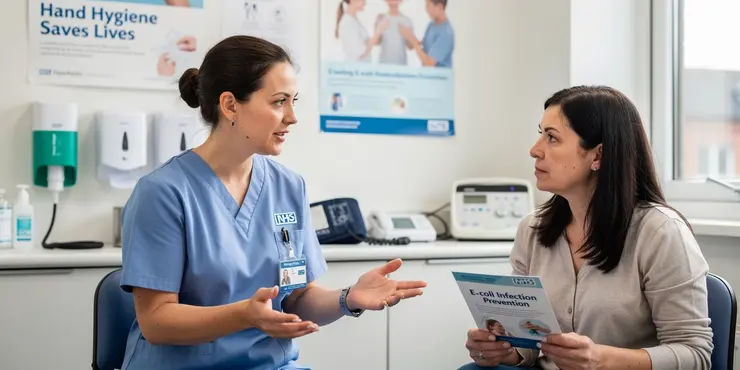
How do people get infected with E. coli?
Relevance: 70%
-

Where is E. coli commonly found?
Relevance: 68%
-

What populations are at higher risk for E. coli infections?
Relevance: 68%
-
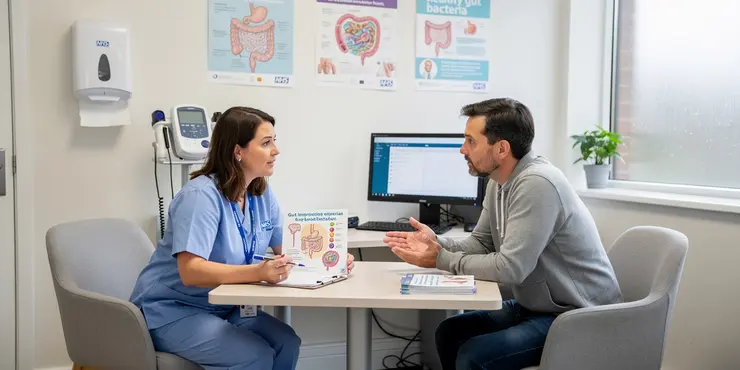
Does E. coli play any beneficial role in the human body?
Relevance: 67%
-
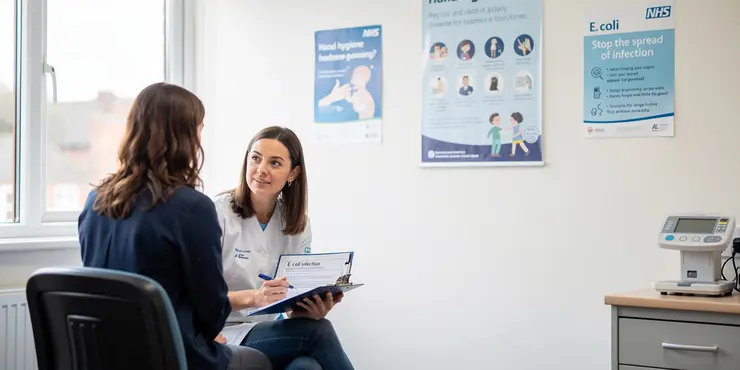
How is E. coli infection diagnosed?
Relevance: 67%
-
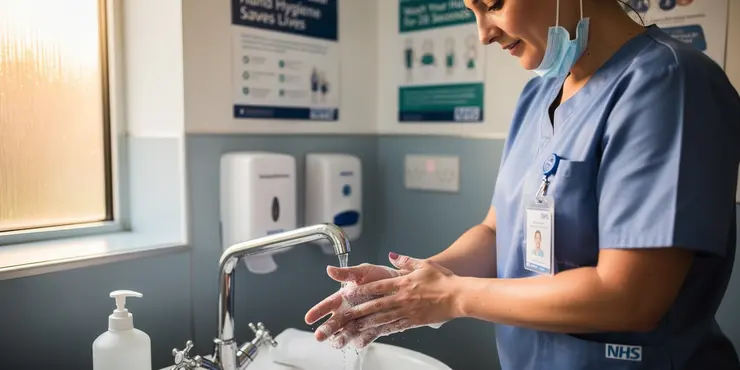
How can E. coli infections be prevented?
Relevance: 63%
-
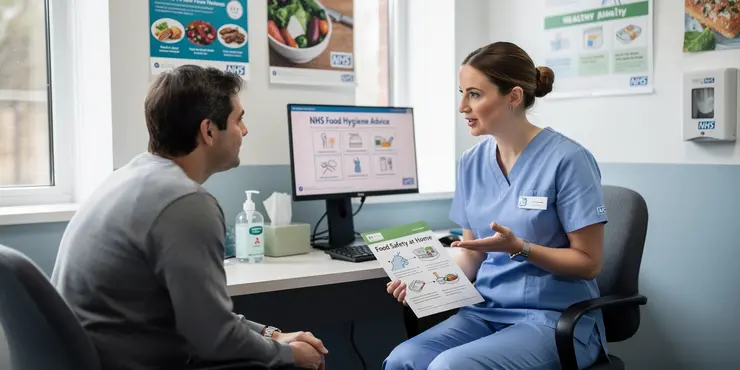
Can I get E.coli from lettuce ?
Relevance: 45%
-

Are industrial diseases the same as work-related illnesses?
Relevance: 40%
-

Managing Chronic Illness Within the Family
Relevance: 39%
-

What illness does Hantavirus cause?
Relevance: 39%
-
How can I prevent heat-related illnesses?
Relevance: 38%
-

Understanding and Managing Respiratory Illnesses in Families
Relevance: 38%
-

What are industrial diseases and illnesses?
Relevance: 37%
-

UK Sees Surge in Respiratory Illnesses as Weather Cools
Relevance: 36%
-

Who is at risk for severe illness from West Nile Virus?
Relevance: 35%
-

What foods are commonly associated with E. coli outbreaks?
Relevance: 35%
-

Is chronic fatigue syndrome a mental illness?
Relevance: 35%
-
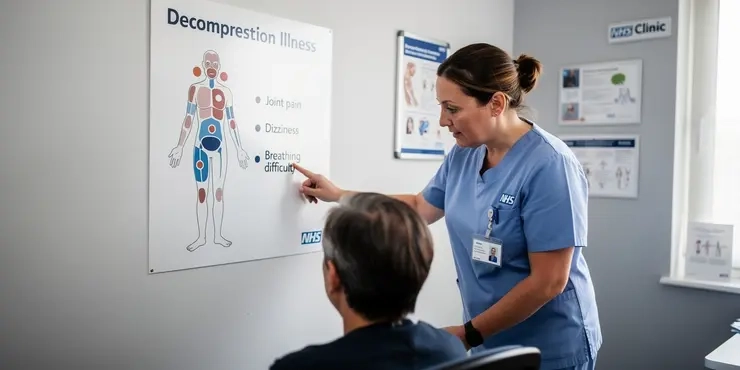
An Introduction to Decompression Illness: Signs & Symptoms”. Dr Roland Armes
Relevance: 35%
-

1. Introduction to sepsis and serious illness
Relevance: 34%
-
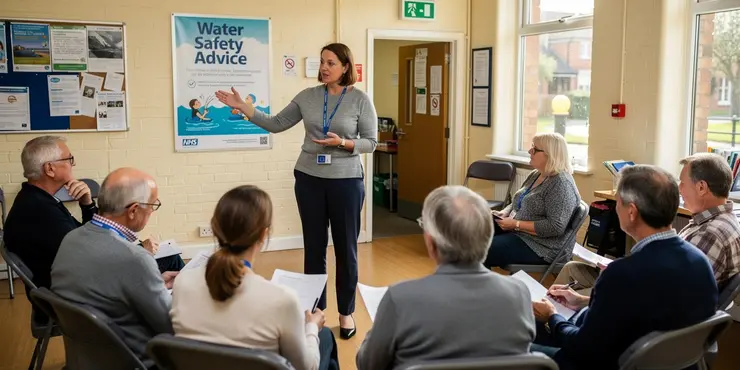
How can water become contaminated with E. coli?
Relevance: 34%
-
Latest Advice on Managing Respiratory Illnesses During Flu Season
Relevance: 33%
-

NHS Pensions | How to Claim? | Ill Health, Active & Deferred Members
Relevance: 32%
-

Dealing with Common Childhood Illnesses
Relevance: 29%
-

Is orange juice pasteurization important?
Relevance: 24%
-

How does sewage pollution affect public health?
Relevance: 23%
-

Can H3N2 cause severe illness?
Relevance: 23%
-

Are some UK beaches rated better for water quality than others?
Relevance: 21%
-

Does refrigeration stop bacterial growth completely?
Relevance: 21%
-

Why do vaccinated people sometimes still get sick?
Relevance: 19%
-

What causes health-related anxiety?
Relevance: 19%
Understanding E. coli
Escherichia coli, commonly known as E. coli, is a bacterium that lives in the intestines of humans and animals. Although many strains of E. coli are harmless and play a role in maintaining a healthy digestive tract, certain strains can cause serious illness. Understanding how E. coli can cause illness and the potential symptoms is crucial for prevention and treatment.
Pathogenic Strains of E. coli
While most strains of E. coli are harmless, some are pathogenic and can lead to sickness. The best-known E. coli strain that causes severe illness is E. coli O157:H7. This strain can produce a powerful toxin known as Shiga toxin, which can result in severe abdominal cramps, bloody diarrhea, and vomiting. Other pathogenic strains include E. coli O104:H4, which also produces Shiga toxin, and enterotoxigenic E. coli (ETEC), which is a common cause of traveler's diarrhea.
How E. coli Spreads
E. coli infections commonly result from consuming contaminated food or water. In the UK, E. coli outbreaks have been linked to undercooked ground beef, unpasteurized milk, sprouts, and contaminated vegetables. The bacterium can also spread from person to person, especially in households and daycare settings. Proper hygiene practices, such as thorough handwashing and safe food preparation techniques, are essential to prevent the spread of E. coli.
Symptoms of E. coli Infection
The symptoms of an E. coli infection can vary depending on the strain and the individual affected. Common symptoms include stomach cramps, diarrhea (often bloody), nausea, and vomiting. In severe cases, particularly with E. coli O157:H7, a person may develop hemolytic uremic syndrome (HUS), a life-threatening condition that can cause kidney failure. Symptoms typically appear three to four days after exposure but can range from one to ten days.
Treatment and Prevention
Most E. coli infections resolve without treatment within a week. However, staying hydrated is critical, especially for children and elderly individuals, to prevent dehydration. Antibiotics are generally not recommended as they can increase the risk of HUS. In life-threatening cases, medical care in a hospital may be required to manage symptoms and potential complications.
Prevention is key in managing the spread of E. coli. It involves proper food handling and cooking practices, such as thoroughly cooking meat, avoiding cross-contamination in the kitchen, and consuming pasteurized dairy products and juices. Additionally, washing hands after using the toilet, changing diapers, and before preparing or eating food significantly reduces the risk of infection.
Conclusion
E. coli can indeed cause illness, sometimes with severe consequences. Understanding how it spreads and taking preventive measures can effectively reduce the risk of infection. Public awareness and adherence to food safety guidelines are paramount to preventing outbreaks and ensuring public health safety in the UK.
Understanding E. coli
E. coli is a type of germ that lives inside people and animals. Most E. coli are not harmful and help with digestion. But some types can make you very sick. It is important to know which types can make you sick and what symptoms to watch for. This helps to stop sickness and get treatment in time.
Bad Strains of E. coli
Most E. coli are safe, but some types can make people very sick. The most well-known bad type is E. coli O157:H7. This type makes a strong poison called Shiga toxin. It can cause bad stomach pain, bloody diarrhea, and vomiting. Other bad types include E. coli O104:H4 and enterotoxigenic E. coli (ETEC), which causes traveler's diarrhea.
How E. coli Spreads
People often get E. coli from eating or drinking dirty food or water. In the UK, E. coli outbreaks have happened from eating undercooked meat, unpasteurized milk, sprouts, and dirty vegetables. The germ can spread between people, especially at home and in daycares. Washing hands well and handling food safely can help stop E. coli from spreading.
Symptoms of E. coli Infection
If you have a bad E. coli infection, you might feel tummy cramps, diarrhea (sometimes with blood), feel sick, and vomit. In serious cases, like with E. coli O157:H7, you could get very sick with a problem called hemolytic uremic syndrome (HUS), which can hurt your kidneys. Symptoms usually start three to four days after getting the germ, but it can be one to ten days.
Treatment and Prevention
Most people get better from E. coli in a week without medicine. Drinking lots of water is very important, especially for kids and older people, to avoid dehydration. Doctors do not usually give antibiotics because they can make things worse. Sometimes a person might need to go to the hospital if they are very sick.
Stopping E. coli is better than treating it. This means cooking meat well, avoiding mixing foods in the kitchen, and drinking pasteurized milk and juices. Wash your hands after using the toilet, changing diapers, and before touching or eating food. This helps stop germs from spreading.
Conclusion
E. coli can make you sick, and sometimes it can be very serious. Knowing how it spreads and how to stop it helps keep you and others safe. Following food safety rules is very important to stop outbreaks and keep everyone healthy in the UK.
Frequently Asked Questions
What is E. coli?
E. coli, or Escherichia coli, is a type of bacteria that lives in the intestines of humans and animals. Most strains are harmless, but some can cause serious food poisoning.
Can E. coli cause illness?
Yes, certain strains of E. coli can cause illness, ranging from mild stomach discomfort to severe intestinal disease.
What are common symptoms of an E. coli infection?
Symptoms can include diarrhea, abdominal cramps, nausea, and vomiting. Some strains can cause more severe symptoms like bloody diarrhea and kidney failure.
How is E. coli transmitted?
E. coli is often spread through contaminated food or water, and sometimes through person-to-person contact.
Which foods are commonly associated with E. coli outbreaks?
Undercooked ground beef, raw milk, fresh produce, and contaminated water are common sources of E. coli.
Can E. coli be deadly?
Yes, certain strains such as E. coli O157:H7 can cause severe illness and, in rare cases, lead to death.
How long do symptoms of E. coli last?
Symptoms usually last about 5 to 10 days but can be more severe and prolonged with certain strains.
Who is most at risk of serious illness from E. coli?
Young children, the elderly, and individuals with weakened immune systems are at higher risk for severe complications.
How can E. coli infections be treated?
Most infections resolve on their own. It's important to stay hydrated. Antibiotics are usually not recommended for certain strains.
How can I prevent E. coli infection?
Practice good hygiene, cook meat thoroughly, pasteurize milk, and wash fruits and vegetables well.
What should I do if I suspect I have an E. coli infection?
Seek medical attention if you experience severe symptoms, and stay hydrated. Inform your healthcare provider about your symptoms and possible exposure.
Is there a test for E. coli infection?
Yes, E. coli infection can be diagnosed with a stool sample analyzed for specific strains.
Can pets spread E. coli to humans?
Yes, pets can carry E. coli, especially if they are in contact with contaminated food or water. Washing hands after handling pets is advised.
Is E. coli infection contagious?
Yes, it can spread from person to person, particularly in households and childcare settings through the fecal-oral route.
Can E. coli survive outside the body?
Yes, E. coli can survive in the environment, particularly in water and soil, which can lead to contamination of foods.
Why are some strains of E. coli more dangerous than others?
Some strains produce toxins that can cause more severe symptoms, such as the Shiga toxin produced by E. coli O157:H7.
How common are E. coli infections?
Millions of infections occur annually worldwide, but not all are reported. Outbreaks linked to food contamination can increase prevalence.
Is it safe to swim in natural bodies of water with E. coli?
High levels of E. coli in water can pose a health risk. Checking local advisories before swimming is recommended.
Can E. coli in drinking water make you sick?
Yes, contaminated drinking water is a common source of E. coli infection. It's important to ensure water supply is treated and safe.
What role does handwashing play in preventing E. coli?
Handwashing is crucial in preventing E. coli spread. Proper hand hygiene can significantly reduce transmission.
What is E. coli?
E. coli is a type of germ. It can make people sick. E. coli lives in your stomach and in animals too.
Sometimes, E. coli helps you. It helps your tummy to work and stay healthy. But some kinds of E. coli can make you feel bad.
When E. coli makes you sick, you might have a tummy ache or need to go to the toilet a lot. If you eat food or drink water with bad E. coli, you might get sick.
If you want to know more about E. coli, you can watch videos or ask an adult to read with you.
E. coli, which is short for Escherichia coli, is a kind of germ. It lives inside people and animals, in a part of the body called the intestines. Most types of E. coli are safe and won't hurt you. But a few types can make you very sick if you eat food that has them on it.
Can E. coli make you sick?
Yes, some types of E. coli can make you sick. You might feel a little tummy pain or get really sick in your belly.
What signs show you might have E. coli?
E. coli is a germ that can make you sick. Here are signs you might have it:
- Tummy pain
- Runny poop (diarrhea)
- Feeling sick or throwing up
- Feeling very tired
- Fever (feeling hot)
If you think you might be sick, tell a grown-up. They can help you feel better. You can also ask a doctor. Simple tools like pictures or videos can help you understand better. Remember to wash your hands to stay healthy.
You might have a tummy ache, feel sick, or need to go to the bathroom a lot. Some people might feel really bad and have blood in their poop or their kidneys might stop working well.
How do people catch E. coli?
E. coli can spread in a few ways:
- Food: Eating food that is not cooked well, like undercooked meat, can spread E. coli.
- Water: Drinking dirty water can also spread E. coli.
- Touch: Not washing hands after using the toilet can pass E. coli to others.
Helpful tips:
- Always wash hands with soap and water.
- Cook food all the way through.
- Avoid drinking water from places that might be dirty.
E. coli germs can spread in different ways:
- Eating food or drinking water that is not clean.
- Touching other people who have the germs.
Tips to stay safe:
- Wash your hands with soap and water.
- Make sure food is cooked properly.
- Drink clean water.
Which foods can make people sick with E. coli?
E. coli can make you sick. It is often found in undercooked burgers, raw milk, fresh fruits and veggies, and dirty water.
Can E. coli be deadly?
E. coli is a type of germ that can make you sick. Some types of E. coli can be very dangerous. They can make you feel very sick and they might even cause death. This is why it is important to be careful.
Here are some ways to stay safe:
- Wash your hands with soap and water regularly.
- Cook meat well, especially beef, so it is not pink inside.
- Wash fruits and vegetables before you eat them.
- Avoid drinking water if you don't know it is clean.
If you ever feel very sick after eating, tell an adult or see a doctor.
Yes, some types of germs like E. coli O157:H7 can make you very sick. Sometimes they can even cause death.
How long do E. coli symptoms last?
E. coli makes you feel sick. It can make your tummy hurt or cause diarrhea. These symptoms usually last about 5 to 10 days.
If you feel sick, here are some ways to feel better:
- Drink lots of water to stay hydrated.
- Rest and take it easy.
- Eat plain foods like rice or toast.
- If you are worried, talk to a doctor.
The signs of being sick usually last 5 to 10 days. Sometimes, they can be worse and last longer with some kinds of germs.
Who can get very sick from E. coli?
Young children, older people, and people who get sick easily can have more problems.
How can we help someone with an E. coli infection?
E. coli is a germ that can make you sick. Here is how you can help feel better if you have an E. coli infection:
- Drink lots of water to stay hydrated.
- Eat light meals like soup or toast.
- Rest and get plenty of sleep.
- If you feel very sick, tell a doctor. They can help you more.
Remember to wash your hands often to stop the spread of germs.
Most infections go away by themselves. It is important to drink lots of water. Medicine like antibiotics is usually not needed.
How can I stop getting an E. coli infection?
Keep your body clean, cook meat all the way through, drink safe milk, and wash fruits and vegetables carefully.
What should I do if I think I have E. coli?
Feel unwell? Tell an adult you trust. They can help you.
See a doctor: The doctor can see if you have E. coli. They can help make you better.
Rest and drink water: Get lots of rest. Drink water to stay healthy.
Use special glasses: If you find reading hard, try a magnifying glass. It makes words bigger.
Is your phone smart? Use text-to-speech apps. They can read the words out loud to you.
If you feel very sick, go to the doctor. Make sure to drink lots of water. Tell your doctor how you feel and if you have been near someone sick.
Can doctors check if you have E. coli?
Yes, doctors can find out if you have E. coli by testing your poop. They look for certain types of germs in it.
Can animals make people sick with E. coli?
Yes, pets can have E. coli. This can happen if they eat or drink things that are dirty. It is a good idea to wash your hands after you touch pets.
Can you catch E. coli from someone?
Yes, it can spread from one person to another, especially in homes and places where kids are cared for. This happens when germs from poop get into the mouth.
Can E. coli live outside the body?
E. coli are tiny germs. They can live outside the body for a little while. They like warm and wet places. But they don't last long in dry or cold places.
To understand this better, you can use pictures or videos. Talking with someone who knows about germs can also help.
Yes, E. coli can stay alive in the environment, especially in water and soil. This can make food dirty and unsafe to eat.
Why are some kinds of E. coli more harmful?
E. coli is a type of germ. It can live in your stomach and make you sick. There are different kinds of E. coli. Some are more harmful than others.
Some kinds of E. coli make bad stuff called toxins. Toxins can make you feel very sick. Other kinds are not so harmful and do not make toxins.
If you have questions or feel worried, talk to a doctor. They can help you. Using pictures and videos can also help you understand more about E. coli.
Some types of germs can make poisons that make people feel very sick. One example is a poison made by a germ called E. coli O157:H7.
How often do people get sick from E. coli?
E. coli is a germ that can make people sick. It is found in some foods like undercooked meat or dirty water.
If you want to know how often this happens, E. coli infections are quite common. Many people around the world get sick from E. coli every year.
If you want help reading, you can:
- Listen to someone read it to you.
- Use tools that read text out loud.
- Ask questions if you need more information.
Every year, a lot of people get infections all over the world. But not everyone tells someone when they get sick. When food gets dirty, it can make more people sick.
Can you swim safely in water that has E. coli?
Is the water safe? If water has too much E. coli germ, it's not safe.
E. coli are tiny germs. They can make people sick.
Sometimes, water can have E. coli germs, like in lakes or rivers.
Always check if the water is safe first. Look for signs or ask an adult.
You can use pictures or ask people to help you understand the signs.
Too much E. coli in water can make people sick. Before you swim, check local news to see if the water is safe.
Can E. coli in Drinking Water Make You Sick?
E. coli is a germ that can be in water. If you drink water with E. coli, you might get sick.
Signs you are sick can be:
- Stomach pain
- Feeling sick or being sick
- Going to the toilet a lot
If you are worried about water, ask an adult or a teacher. They can help.
Use simple words when asking questions about water.
Yes, dirty drinking water can make people sick with E. coli. It is important to make sure the water we drink is clean and safe.
How does washing your hands help stop E. coli germs?
Washing your hands can help keep you healthy. It stops germs called E. coli from spreading. Wash your hands with soap and water. This gets rid of the germs.
- Use warm water and soap.
- Wash your hands for 20 seconds. You can sing "Happy Birthday" twice to know the time.
- Dry your hands well with a clean towel.
If you need help washing your hands, ask someone you trust. You can also use pictures or videos to learn how.
Washing your hands is very important to stop the spread of E. coli germs. When you wash your hands well, you can stop germs from spreading to other people.

Useful Links
This website offers general information and is not a substitute for professional advice.
Always seek guidance from qualified professionals.
If you have any medical concerns or need urgent help, contact a healthcare professional or emergency services immediately.
Some of this content was generated with AI assistance. We've done our best to keep it accurate, helpful, and human-friendly.
- Ergsy carefully checks the information in the videos we provide here.
- Videos shown by Youtube after a video has completed, have NOT been reviewed by ERGSY.
- To view, click the arrow in centre of video.
- Most of the videos you find here will have subtitles and/or closed captions available.
- You may need to turn these on, and choose your preferred language.
- Go to the video you'd like to watch.
- If closed captions (CC) are available, settings will be visible on the bottom right of the video player.
- To turn on Captions, click settings.
- To turn off Captions, click settings again.
More Items From Ergsy search
-
Can E. coli cause illness?
Relevance: 100%
-
Is there a difference between E. coli and Escherichia coli?
Relevance: 83%
-
Are E. coli, E coli, and ecoli the same thing?
Relevance: 82%
-
Are E.coli and E coli and ecoli the same thing?
Relevance: 78%
-
What is E. coli?
Relevance: 77%
-
Are E. coli infections contagious?
Relevance: 76%
-
Is E. coli always harmful?
Relevance: 75%
-
Are E.coli and E coli and ecoli the same thing?
Relevance: 73%
-
What is E. coli?
Relevance: 73%
-
Can E. coli infections be treated?
Relevance: 71%
-
How do people get infected with E. coli?
Relevance: 70%
-
Where is E. coli commonly found?
Relevance: 68%
-
What populations are at higher risk for E. coli infections?
Relevance: 68%
-
Does E. coli play any beneficial role in the human body?
Relevance: 67%
-
How is E. coli infection diagnosed?
Relevance: 67%
-
How can E. coli infections be prevented?
Relevance: 63%
-
Can I get E.coli from lettuce ?
Relevance: 45%
-
Are industrial diseases the same as work-related illnesses?
Relevance: 40%
-
Managing Chronic Illness Within the Family
Relevance: 39%
-
What illness does Hantavirus cause?
Relevance: 39%
-
How can I prevent heat-related illnesses?
Relevance: 38%
-
Understanding and Managing Respiratory Illnesses in Families
Relevance: 38%
-
What are industrial diseases and illnesses?
Relevance: 37%
-
UK Sees Surge in Respiratory Illnesses as Weather Cools
Relevance: 36%
-
Who is at risk for severe illness from West Nile Virus?
Relevance: 35%
-
What foods are commonly associated with E. coli outbreaks?
Relevance: 35%
-
Is chronic fatigue syndrome a mental illness?
Relevance: 35%
-
An Introduction to Decompression Illness: Signs & Symptoms”. Dr Roland Armes
Relevance: 35%
-
1. Introduction to sepsis and serious illness
Relevance: 34%
-
How can water become contaminated with E. coli?
Relevance: 34%
-
Latest Advice on Managing Respiratory Illnesses During Flu Season
Relevance: 33%
-
NHS Pensions | How to Claim? | Ill Health, Active & Deferred Members
Relevance: 32%
-
Dealing with Common Childhood Illnesses
Relevance: 29%
-
Is orange juice pasteurization important?
Relevance: 24%
-
How does sewage pollution affect public health?
Relevance: 23%
-
Can H3N2 cause severe illness?
Relevance: 23%
-
Are some UK beaches rated better for water quality than others?
Relevance: 21%
-
Does refrigeration stop bacterial growth completely?
Relevance: 21%
-
Why do vaccinated people sometimes still get sick?
Relevance: 19%
-
What causes health-related anxiety?
Relevance: 19%