

Speak To An Expert
Get clear, personalised advice for your situation.
Jot down a few questions to make the most of your conversation.
More Items From Ergsy search
-

What are the steps to arrange medical treatment in an EU country?
Relevance: 100%
-

Can I travel to EU countries for medical treatment?
Relevance: 94%
-

Can I travel to EU countries for medical treatment?
Relevance: 93%
-

Can I travel to EU countries for medical treatment?
Relevance: 92%
-

How do I arrange travel and accommodation for medical treatment in the EU?
Relevance: 89%
-
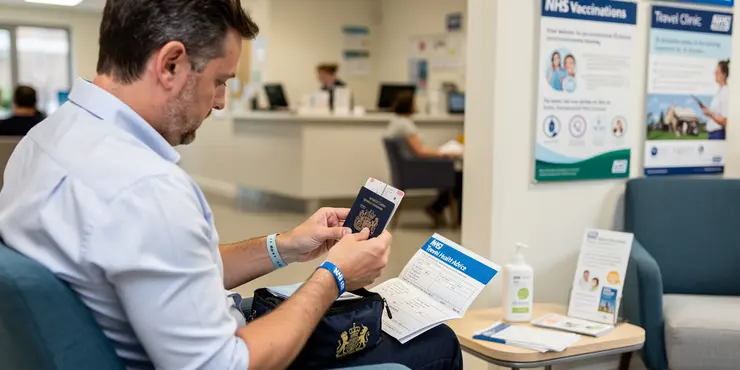
Do I need a visa to travel to an EU country for medical treatment?
Relevance: 82%
-

Can I receive specialized treatment in EU countries?
Relevance: 76%
-

Do I need a referral to receive medical treatment in the EU?
Relevance: 75%
-

Will I need to pay for medical treatment upfront in the EU?
Relevance: 75%
-

Is it possible to travel with a medical escort to an EU country?
Relevance: 73%

-

Are there any risks associated with traveling to the EU for medical treatment?
Relevance: 71%
-

Can I use my EHIC card for medical treatment in the EU?
Relevance: 70%
-

Is medical treatment covered by insurance when traveling to the EU?
Relevance: 69%
-

Are EU medical facilities equipped with the latest technology?
Relevance: 58%
-

What should I do in case of a medical emergency while in the EU?
Relevance: 58%
-

What legal rights do I have as a medical patient in the EU?
Relevance: 58%
-
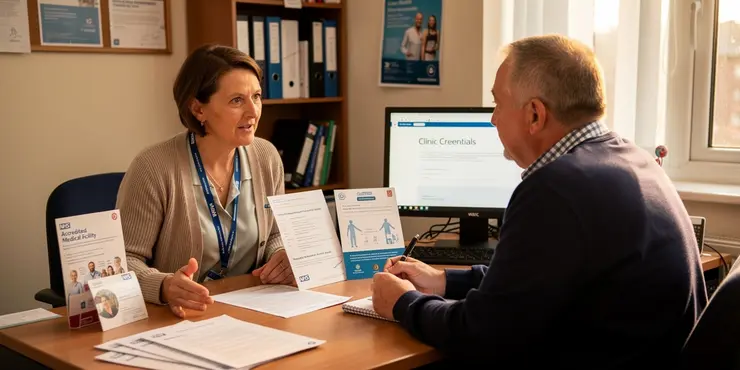
How can I verify the credentials of an EU medical facility?
Relevance: 52%
-

Do I need any vaccine injections for EU countries?
Relevance: 45%
-

How can I manage post-treatment care when returning home from the EU?
Relevance: 42%
-

What are the steps to arrange medical treatment in an EU country?
Relevance: 41%
-

Do children need a separate passport to travel to the EU?
Relevance: 41%
-

Can UK citizens use mobile phones in the EU without extra charges?
Relevance: 41%
-

Is the EHIC or GHIC card still valid in France and Spain?
Relevance: 40%
-

Will language barriers be an issue in EU hospitals?
Relevance: 39%
-

Can I receive teleconsultations with EU doctors before traveling?
Relevance: 37%
-

Navigating Post-Brexit Family Law Changes
Relevance: 34%
-

Can I include a family member during my travel for treatment?
Relevance: 34%
-

Is Paillon treatment FDA approved?
Relevance: 33%
-
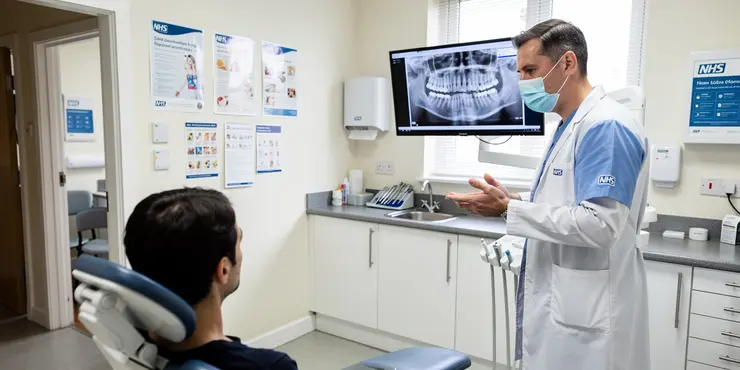
Will Brexit affect my access to NHS dental treatments?
Relevance: 33%
-

Is it safe to go abroad for medical treatments such as botox?
Relevance: 32%
-

Is medication necessary for treating postnatal depression?
Relevance: 31%
-

What are systemic medications for psoriasis?
Relevance: 31%
-

Can anyone get Botox treatments?
Relevance: 31%
-

Do chiropractors prescribe medications?
Relevance: 31%
-

Are there treatments available for H9N2 infection in humans?
Relevance: 30%
-

What are common treatments for ADHD?
Relevance: 30%
-

Who developed the Paillon treatment?
Relevance: 30%
-

Is Paillon treatment a form of chemotherapy?
Relevance: 30%
-

What treatments are available for shingles?
Relevance: 30%
-

Can medical tampons deliver medication?
Relevance: 30%
Understanding Your Entitlement
If you're a UK resident planning to receive medical treatment in an EU country, it's important to know your rights. Although the UK has left the EU, you may still be entitled to healthcare in EU countries under specific agreements. The UK has arrangements with some EU countries to ensure healthcare access continues.
Be sure to check if your destination country is part of these agreements. The UK government website provides detailed information about each country's healthcare arrangements. Understanding your entitlement is the first step towards accessing medical care abroad.
Choosing the Right Country and Facility
Not all EU countries offer the same level of healthcare services, so it's crucial to select the right country and medical facility. Research the healthcare infrastructure and specialties available in potential countries. Consider factors like language barriers and travel distance.
Seeking recommendations from healthcare professionals or individuals who have previously gone abroad for treatment can provide valuable insights. Once you have a shortlist, compare the facilities to find the best fit for your medical needs.
Organizing Pre-treatment Consultations
Before receiving treatment, organize consultations with your chosen medical facility. Many hospitals and clinics offer virtual consultations, which can be convenient for initial discussions. These consultations help assess the compatibility of the treatment plan with your specific health condition.
Compile your medical history and any necessary documentation in advance. Sharing this information with the foreign medical team ensures they have a comprehensive understanding of your health background before proceeding with the treatment.
Applying for Funding and Authorizations
Some treatments might require prior authorisation from the NHS for funding purposes. You may need to apply for the S2 funding or a UK Global Health Insurance Card (GHIC) for cost coverage. Ensure you have all necessary forms filled out and submitted in advance.
Review the eligibility criteria related to your chosen treatment and destination country. This will help avoid unexpected expenses. Keep in contact with your local GP and NHS services to ensure all paperwork is accurately processed.
Planning Your Travel and Accommodation
Travel arrangements should be confirmed well ahead of your treatment dates. Coordinate with the medical facility to determine the most suitable dates. Booking flights and accommodations early can help ensure smoother logistics and cost savings.
Consider proximity to the medical facility when choosing accommodation. Staying nearby can be less stressful and more convenient, especially if follow-up appointments are necessary.
Ensuring Continuity of Care
Before leaving the EU country post-treatment, discuss follow-up care plans with the medical team. Understand what aftercare will be provided and the recommended follow-up schedule. This can include medication, physical therapy, or other forms of continuing treatment.
On returning to the UK, share the treatment details and follow-up plan with your GP. Continuity of care is vital for a successful recovery, and your GP can help integrate your overseas treatment into your ongoing healthcare plan.
Frequently Asked Questions
What is the first step to arrange medical treatment in an EU country?
The first step is to obtain a referral from your healthcare provider. This document is necessary to outline your medical condition and the necessity of treatment abroad.
Do I need a special insurance for healthcare in an EU country?
Yes, you should check with your insurance provider if they cover medical treatments abroad or if you need to obtain additional travel or medical insurance.
How do I find a healthcare provider in the EU country?
Conduct research online, consult with your doctor for recommendations, or contact the national contact point in the EU country for assistance in finding a suitable healthcare provider.
Do I need to get prior authorization for treatment in an EU country?
In many cases, you will need prior authorization from your national health insurance or relevant authority before you can have treatment in another EU country.
What is the European Health Insurance Card (EHIC) and do I need it?
The EHIC allows you to receive healthcare in an EU country under the same conditions and at the same cost as residents. It's advisable to have it when arranging treatment in the EU.
Can I choose any hospital or clinic in the EU country?
You can generally choose any public healthcare provider, but for private facilities, confirm that they accept treatment requests from EU citizens.
What if I need urgent medical treatment in an EU country?
In case of emergencies, you can use EHIC to access necessary treatment. After the emergency, you may then need to arrange for further care.
Will I have to pay upfront for medical treatment in an EU country?
It depends. With EHIC, you might receive treatment on the same terms as locals, which can sometimes require upfront payment and later reimbursement.
How do I apply for reimbursement of medical costs from an EU treatment?
Keep all receipts and documentation of your treatments, and submit them to your health insurance provider or national health service for reimbursement.
What documents are necessary to carry for medical treatment in an EU country?
Necessary documents include your referral letter, EHIC, passport, insurance details, and prior authorization if required.
How can I ensure continuity of care between my home country and the EU country?
Consult with both your home and EU healthcare providers to facilitate communication and transfer of medical records.
Are there language assistance services available in EU hospitals?
Many EU hospitals offer language assistance services. Check in advance if translation services are available or consider bringing someone who can help translate.
Can family members accompany me during treatment in an EU country?
Policies vary, so check with the healthcare facility beforehand, and ensure travel arrangements for family members.
How do I file a complaint if something goes wrong with my treatment in an EU country?
Contact the patient advocacy or ombudsman service in the EU country, and also notify your national contact point to start the complaint procedure.
What is the role of National Contact Points (NCPs) in medical treatment in the EU?
NCPs provide information and assistance about patient rights and cross-border healthcare arrangements in EU countries.
Can I receive specialized treatments not available in my home country within the EU?
Yes, EU legislation ensures that you can receive medical treatments, including specialized procedures, in another EU country if unavailable at home.
Are there differences in treatment costs between EU countries?
Yes, treatment costs can vary significantly between EU countries, so research and verify costs before proceeding.
How do I verify the credentials of healthcare professionals in the EU?
Research the healthcare provider through official medical registries and seek reviews from other patients for insight.
Are follow-up treatments covered if I start my treatment in an EU country?
Ensure that any follow-up treatments required are covered in your plan and seek proper referrals for continuity between healthcare systems.
What are my rights if my treatment is unsuccessful or has adverse effects?
Inform yourself about patient rights and compensation laws in the EU country, and contact local healthcare authorities for redressal.

Useful Links
This website offers general information and is not a substitute for professional advice.
Always seek guidance from qualified professionals.
If you have any medical concerns or need urgent help, contact a healthcare professional or emergency services immediately.
Some of this content was generated with AI assistance. We've done our best to keep it accurate, helpful, and human-friendly.
- Ergsy carefully checks the information in the videos we provide here.
- Videos shown by Youtube after a video has completed, have NOT been reviewed by ERGSY.
- To view, click the arrow in centre of video.
- Most of the videos you find here will have subtitles and/or closed captions available.
- You may need to turn these on, and choose your preferred language.
- Go to the video you'd like to watch.
- If closed captions (CC) are available, settings will be visible on the bottom right of the video player.
- To turn on Captions, click settings.
- To turn off Captions, click settings again.
More Items From Ergsy search
-
What are the steps to arrange medical treatment in an EU country?
Relevance: 100%
-
Can I travel to EU countries for medical treatment?
Relevance: 94%
-
Can I travel to EU countries for medical treatment?
Relevance: 93%
-
Can I travel to EU countries for medical treatment?
Relevance: 92%
-
How do I arrange travel and accommodation for medical treatment in the EU?
Relevance: 89%
-
Do I need a visa to travel to an EU country for medical treatment?
Relevance: 82%
-
Can I receive specialized treatment in EU countries?
Relevance: 76%
-
Do I need a referral to receive medical treatment in the EU?
Relevance: 75%
-
Will I need to pay for medical treatment upfront in the EU?
Relevance: 75%
-
Is it possible to travel with a medical escort to an EU country?
Relevance: 73%
-
Are there any risks associated with traveling to the EU for medical treatment?
Relevance: 71%
-
Can I use my EHIC card for medical treatment in the EU?
Relevance: 70%
-
Is medical treatment covered by insurance when traveling to the EU?
Relevance: 69%
-
Are EU medical facilities equipped with the latest technology?
Relevance: 58%
-
What should I do in case of a medical emergency while in the EU?
Relevance: 58%
-
What legal rights do I have as a medical patient in the EU?
Relevance: 58%
-
How can I verify the credentials of an EU medical facility?
Relevance: 52%
-
Do I need any vaccine injections for EU countries?
Relevance: 45%
-
How can I manage post-treatment care when returning home from the EU?
Relevance: 42%
-
What are the steps to arrange medical treatment in an EU country?
Relevance: 41%
-
Do children need a separate passport to travel to the EU?
Relevance: 41%
-
Can UK citizens use mobile phones in the EU without extra charges?
Relevance: 41%
-
Is the EHIC or GHIC card still valid in France and Spain?
Relevance: 40%
-
Will language barriers be an issue in EU hospitals?
Relevance: 39%
-
Can I receive teleconsultations with EU doctors before traveling?
Relevance: 37%
-
Navigating Post-Brexit Family Law Changes
Relevance: 34%
-
Can I include a family member during my travel for treatment?
Relevance: 34%
-
Is Paillon treatment FDA approved?
Relevance: 33%
-
Will Brexit affect my access to NHS dental treatments?
Relevance: 33%
-
Is it safe to go abroad for medical treatments such as botox?
Relevance: 32%
-
Is medication necessary for treating postnatal depression?
Relevance: 31%
-
What are systemic medications for psoriasis?
Relevance: 31%
-
Can anyone get Botox treatments?
Relevance: 31%
-
Do chiropractors prescribe medications?
Relevance: 31%
-
Are there treatments available for H9N2 infection in humans?
Relevance: 30%
-
What are common treatments for ADHD?
Relevance: 30%
-
Who developed the Paillon treatment?
Relevance: 30%
-
Is Paillon treatment a form of chemotherapy?
Relevance: 30%
-
What treatments are available for shingles?
Relevance: 30%
-
Can medical tampons deliver medication?
Relevance: 30%