

Speak To An Expert
Get clear, personalised advice for your situation.
Jot down a few questions to make the most of your conversation.
More Items From Ergsy search
-

Do I need a visa to travel to an EU country for medical treatment?
Relevance: 100%
-

Can I travel to EU countries for medical treatment?
Relevance: 91%
-

Can I travel to EU countries for medical treatment?
Relevance: 88%
-

Can I travel to EU countries for medical treatment?
Relevance: 88%
-

How do I arrange travel and accommodation for medical treatment in the EU?
Relevance: 81%
-

Is it possible to travel with a medical escort to an EU country?
Relevance: 77%
-

Is medical treatment covered by insurance when traveling to the EU?
Relevance: 75%
-

Are there any risks associated with traveling to the EU for medical treatment?
Relevance: 72%
-

Do children need a separate passport to travel to the EU?
Relevance: 69%
-

Will I need to pay for medical treatment upfront in the EU?
Relevance: 61%

-
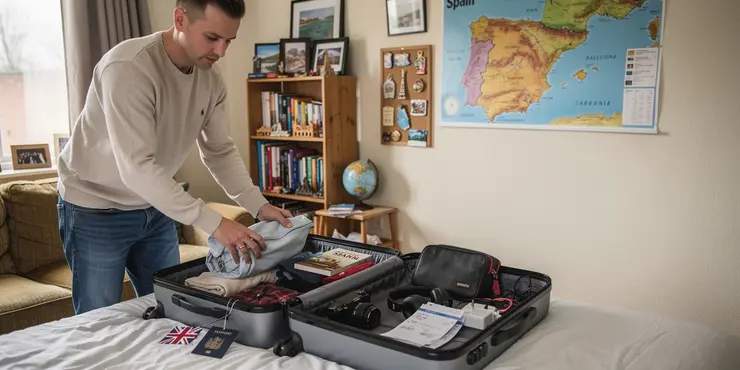
Can UK citizens travel to Spain without a visa?
Relevance: 59%
-

Do UK citizens need a visa to travel to France?
Relevance: 59%
-

What are the rules for travel to France, Spain, and Europe on a UK passport?
Relevance: 57%
-

What are the steps to arrange medical treatment in an EU country?
Relevance: 56%
-

Can I receive teleconsultations with EU doctors before traveling?
Relevance: 56%
-

Can I use my EHIC card for medical treatment in the EU?
Relevance: 55%
-

Do I need a referral to receive medical treatment in the EU?
Relevance: 55%
-

What should I do in case of a medical emergency while in the EU?
Relevance: 55%
-

Can I include a family member during my travel for treatment?
Relevance: 53%
-

What travel documents do I need to enter France?
Relevance: 51%
-

Are there border checks for UK travelers entering France or Spain by car?
Relevance: 49%
-

Do I need any vaccine injections for EU countries?
Relevance: 46%
-

What are the entry requirements for the rest of the Schengen Area?
Relevance: 46%
-

How can I ensure my passport is valid for travel to France or Spain?
Relevance: 46%
-

What legal rights do I have as a medical patient in the EU?
Relevance: 45%
-

Do UK citizens need travel insurance for Europe?
Relevance: 42%
-

Can I receive specialized treatment in EU countries?
Relevance: 41%
-

Do National Trust jobs require travel?
Relevance: 41%
-

Are EU medical facilities equipped with the latest technology?
Relevance: 41%
-

How can I verify the credentials of an EU medical facility?
Relevance: 40%
-

What is travel insurance?
Relevance: 39%
-

What is a pre-existing condition waiver in travel insurance?
Relevance: 39%
-

What does travel insurance usually cover?
Relevance: 39%
-

What is travel assistance in a holiday insurance policy?
Relevance: 38%
-

Can UK citizens work in France or Spain without a visa?
Relevance: 38%
-

What are the meningitis vaccination recommendations for travelers to Hajj or Umrah?
Relevance: 38%
-

What are the COVID-19 travel restrictions for traveling to Spain?
Relevance: 38%
-

Can UK citizens use mobile phones in the EU without extra charges?
Relevance: 37%
-

Does travel insurance cover COVID-19 related issues?
Relevance: 37%
-

Is the EHIC or GHIC card still valid in France and Spain?
Relevance: 37%
Understanding Visa Requirements for Medical Treatment in the EU
If you are a UK citizen considering medical treatment in an EU country, you may wonder whether you need a visa. The requirements can vary depending on several factors, including your duration of stay and the specific country you are visiting.
After Brexit, the rules for UK citizens traveling to the EU have changed. It is important to familiarize yourself with the current regulations to ensure a smooth experience during your medical treatment abroad.
Short Stays and Visa-Free Travel
For short stays in the EU, UK citizens typically do not need a visa. The Schengen Area allows UK citizens to travel without a visa for up to 90 days within a 180-day period. This applies to visits for tourism, business, or short-term medical treatment.
However, you should ensure your passport is valid for at least three months beyond your planned date of departure from the Schengen Area. Additionally, having comprehensive travel insurance is recommended, especially when traveling for medical purposes.
Requirements for Longer Stays
If your medical treatment requires staying in the EU for more than 90 days, you will need a visa or residence permit, depending on the country. Each EU nation has its own rules and processes for long-term stays.
It is crucial to contact the embassy or consulate of the country where you plan to receive treatment. They can provide detailed information on the types of visas available and the application process.
Documentation and Health Insurance
When traveling to the EU for medical treatment, you should prepare necessary documentation. This includes proof of treatment arrangements and potentially a letter from your healthcare provider.
You will also need evidence of sufficient funds and accommodation during your stay. Having health insurance that covers international medical expenses is vital to avoid unexpected costs.
Post-Brexit Travel Considerations
Since Brexit, UK citizens cannot use the European Health Insurance Card (EHIC) as they did before. The UK Global Health Insurance Card (GHIC) has largely replaced it, offering some healthcare coverage in the EU.
However, the GHIC does not cover all medical treatments and is not a substitute for travel insurance. Check what is covered and consider additional insurance policies if needed.
Planning Ahead for a Stress-Free Journey
Thoroughly researching visa requirements and preparing your documents in advance will help ensure a smooth trip. Consult the relevant authorities and healthcare providers to address any questions.
Taking these steps will help you focus on your medical treatment, allowing for a more relaxed and worry-free experience abroad.
Frequently Asked Questions
Do I need a visa to travel to an EU country for medical treatment?
Whether you need a visa depends on your nationality and the country you plan to visit. EU nationals do not need a visa, but non-EU nationals may require one.
How can I find out if I need a visa for medical treatment in an EU country?
You can check the visa requirements on the embassy website of the country you are planning to visit or use online resources like the EU Immigration Portal.
What type of visa do I need for medical treatment in the EU?
If required, you may need a Schengen visa for short stays up to 90 days or a national visa for longer treatments, depending on the country.
What documents are required to apply for a medical treatment visa in the EU?
Typically, you'll need a valid passport, proof of medical treatment, travel insurance, financial means, and possibly an invitation or admission letter from the medical institution.
Can I enter multiple EU countries with one visa for medical treatment?
A Schengen visa allows travel to and within all Schengen Area countries. However, a national visa may be limited to specific countries.
How long does it take to process a medical visa for an EU country?
Processing time varies by country, but it generally takes around 15 days. It’s recommended to apply well in advance of your planned travel.
Do I need to show proof of financial means for a medical treatment visa?
Yes, you'll often need to demonstrate that you can cover the costs of your treatment and any additional expenses during your stay.
How much does a medical treatment visa cost for an EU country?
Visa fees vary, but a standard Schengen visa fee is around €80, with some national visas potentially costing more.
Is travel insurance required for a medical treatment visa in the EU?
Yes, most countries require travel medical insurance covering at least €30,000, including emergency medical treatment and repatriation.
Can I extend my visa if my medical treatment takes longer than expected?
It may be possible to extend your visa if you provide documentation from a medical professional. You should contact local immigration services for guidance.
What should my travel insurance policy cover for a visa application?
Your policy must cover emergency medical expenses, hospital stays, and repatriation in case of medical necessity, often up to at least €30,000.
Are medical treatment visas different from regular tourist visas?
Yes, medical treatment visas may require specific documents and justifications for your stay beyond what is needed for tourist visas.
Can I work while on a medical treatment visa in an EU country?
No, medical treatment visas typically do not allow employment. They are strictly for undergoing medical treatment.
What is the valid duration of a medical treatment visa?
The duration depends on your treatment plan and the decision of the issuing country’s authorities, but usually aligns with required treatment time.
What happens if my medical treatment visa is denied?
You will receive an official letter explaining the reasons for denial. You may rectify the issues and reapply or appeal the decision as instructed.
Can travel companions, like family, accompany me on my medical treatment visa?
Companions may need to apply for their own visas. Some countries may offer visas for individuals accompanying a person receiving medical treatment.
Do I require any vaccination certificates for a medical visa to the EU?
Check the specific health and vaccination requirements of the destination country, especially in light of COVID-19 restrictions.
Is it necessary to have a confirmed appointment for medical treatment before applying for a visa?
Yes, most countries require proof of a confirmed appointment or medical admission letter as part of the visa application.
How long before my travel should I apply for the medical treatment visa?
Apply at least a month before your planned departure to allow for processing time and any unforeseen delays.
What is the procedure if my treatment is in a non-Schengen EU country?
If traveling to a non-Schengen EU country, check that country's specific visa requirements as policies may differ.

Useful Links
This website offers general information and is not a substitute for professional advice.
Always seek guidance from qualified professionals.
If you have any medical concerns or need urgent help, contact a healthcare professional or emergency services immediately.
Some of this content was generated with AI assistance. We've done our best to keep it accurate, helpful, and human-friendly.
- Ergsy carefully checks the information in the videos we provide here.
- Videos shown by Youtube after a video has completed, have NOT been reviewed by ERGSY.
- To view, click the arrow in centre of video.
- Most of the videos you find here will have subtitles and/or closed captions available.
- You may need to turn these on, and choose your preferred language.
- Go to the video you'd like to watch.
- If closed captions (CC) are available, settings will be visible on the bottom right of the video player.
- To turn on Captions, click settings.
- To turn off Captions, click settings again.
More Items From Ergsy search
-
Do I need a visa to travel to an EU country for medical treatment?
Relevance: 100%
-
Can I travel to EU countries for medical treatment?
Relevance: 91%
-
Can I travel to EU countries for medical treatment?
Relevance: 88%
-
Can I travel to EU countries for medical treatment?
Relevance: 88%
-
How do I arrange travel and accommodation for medical treatment in the EU?
Relevance: 81%
-
Is it possible to travel with a medical escort to an EU country?
Relevance: 77%
-
Is medical treatment covered by insurance when traveling to the EU?
Relevance: 75%
-
Are there any risks associated with traveling to the EU for medical treatment?
Relevance: 72%
-
Do children need a separate passport to travel to the EU?
Relevance: 69%
-
Will I need to pay for medical treatment upfront in the EU?
Relevance: 61%
-
Can UK citizens travel to Spain without a visa?
Relevance: 59%
-
Do UK citizens need a visa to travel to France?
Relevance: 59%
-
What are the rules for travel to France, Spain, and Europe on a UK passport?
Relevance: 57%
-
What are the steps to arrange medical treatment in an EU country?
Relevance: 56%
-
Can I receive teleconsultations with EU doctors before traveling?
Relevance: 56%
-
Can I use my EHIC card for medical treatment in the EU?
Relevance: 55%
-
Do I need a referral to receive medical treatment in the EU?
Relevance: 55%
-
What should I do in case of a medical emergency while in the EU?
Relevance: 55%
-
Can I include a family member during my travel for treatment?
Relevance: 53%
-
What travel documents do I need to enter France?
Relevance: 51%
-
Are there border checks for UK travelers entering France or Spain by car?
Relevance: 49%
-
Do I need any vaccine injections for EU countries?
Relevance: 46%
-
What are the entry requirements for the rest of the Schengen Area?
Relevance: 46%
-
How can I ensure my passport is valid for travel to France or Spain?
Relevance: 46%
-
What legal rights do I have as a medical patient in the EU?
Relevance: 45%
-
Do UK citizens need travel insurance for Europe?
Relevance: 42%
-
Can I receive specialized treatment in EU countries?
Relevance: 41%
-
Do National Trust jobs require travel?
Relevance: 41%
-
Are EU medical facilities equipped with the latest technology?
Relevance: 41%
-
How can I verify the credentials of an EU medical facility?
Relevance: 40%
-
What is travel insurance?
Relevance: 39%
-
What is a pre-existing condition waiver in travel insurance?
Relevance: 39%
-
What does travel insurance usually cover?
Relevance: 39%
-
What is travel assistance in a holiday insurance policy?
Relevance: 38%
-
Can UK citizens work in France or Spain without a visa?
Relevance: 38%
-
What are the meningitis vaccination recommendations for travelers to Hajj or Umrah?
Relevance: 38%
-
What are the COVID-19 travel restrictions for traveling to Spain?
Relevance: 38%
-
Can UK citizens use mobile phones in the EU without extra charges?
Relevance: 37%
-
Does travel insurance cover COVID-19 related issues?
Relevance: 37%
-
Is the EHIC or GHIC card still valid in France and Spain?
Relevance: 37%