

Speak To An Expert
Get clear, personalised advice for your situation.
Jot down a few questions to make the most of your conversation.
More Items From Ergsy search
-

What fees should I avoid when choosing a new bank?
Relevance: 100%
-

What fees should I avoid when choosing a new bank?
Relevance: 99%
-

How can consumers protect themselves from hidden banking fees?
Relevance: 88%
-

Do all banks have the same fee structures?
Relevance: 84%
-
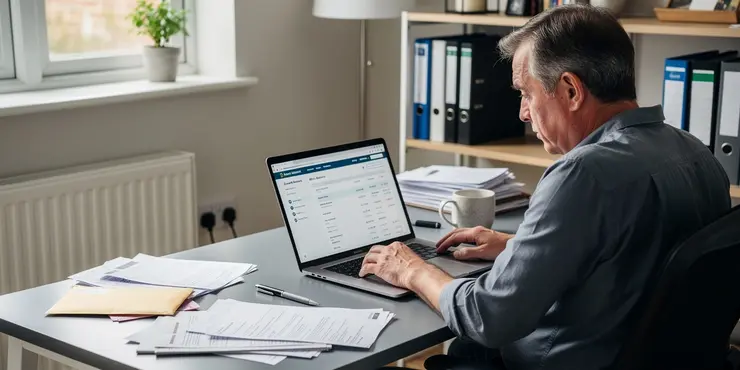
Can customers dispute unexpected banking fees?
Relevance: 84%
-
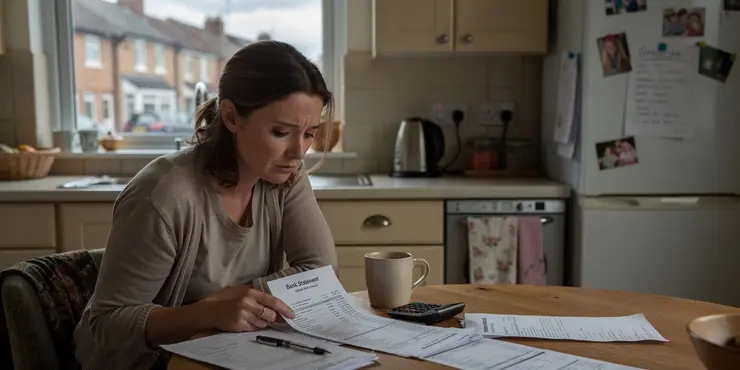
How do banking fees impact financial inclusion?
Relevance: 82%
-

Do online banks have lower fees than traditional banks?
Relevance: 82%
-
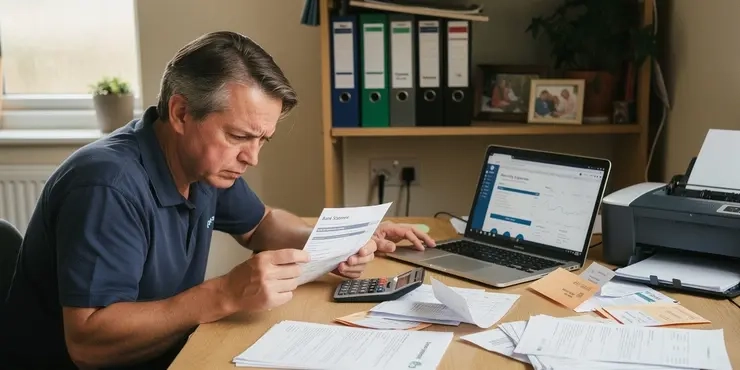
Why is there a call for greater transparency in banking fees?
Relevance: 82%
-

What initiatives are in place to address banking fee transparency?
Relevance: 81%
-

Why are some banking fees unexpectedly high?
Relevance: 80%

-
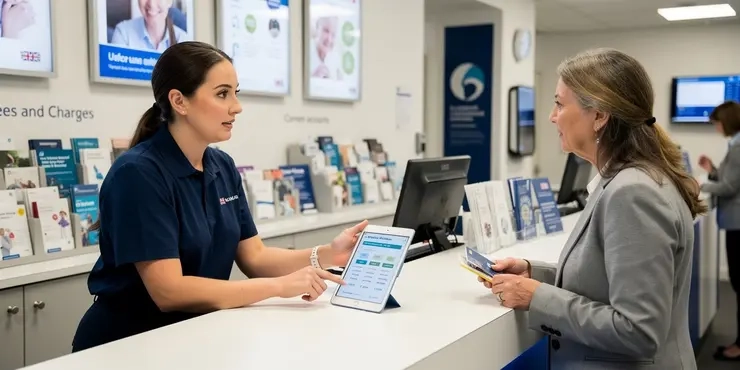
How can banks improve transparency regarding their fees?
Relevance: 79%
-

Are there specific banking services more prone to opaque fee structures?
Relevance: 78%
-
How does technology help in enhancing transparency in banking fees?
Relevance: 77%
-
Calls for Greater Transparency in Banking Fees as Complaints Rise
Relevance: 77%
-
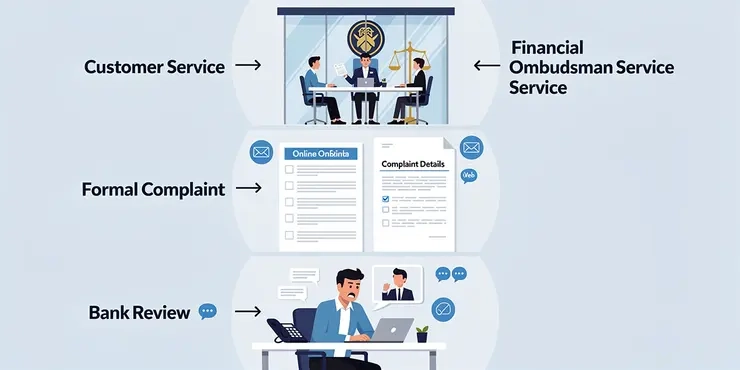
How can disputes over banking fees be resolved effectively?
Relevance: 75%
-

How can government policies influence transparency in banking fees?
Relevance: 75%
-

What feedback do customers give regarding banking fees?
Relevance: 73%
-

What actions are consumer rights groups taking regarding banking fee transparency?
Relevance: 72%
-

What are some examples of hidden fees in banking?
Relevance: 71%
-

What are some common mistakes to avoid when switching banks?
Relevance: 70%
-

Are online banks cheaper than traditional banks?
Relevance: 70%
-
What are some common mistakes to avoid when switching banks?
Relevance: 70%
-
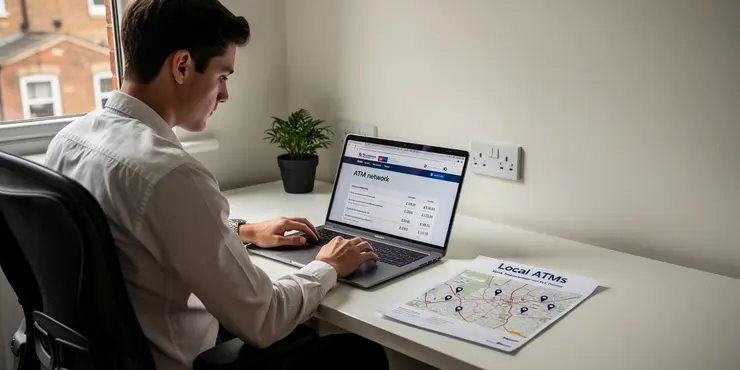
How important is it to consider the bank's ATM network when switching?
Relevance: 68%
-
Are online banks cheaper than traditional banks?
Relevance: 68%
-

Are there any hidden fees I should be aware of?
Relevance: 67%
-

How important is it to consider the bank's ATM network when switching?
Relevance: 66%
-

What should I consider when switching banks to save money?
Relevance: 65%
-
Are there benefits to having multiple bank accounts at different banks?
Relevance: 65%
-

Can I save money by switching my bank?
Relevance: 64%
-

Are there any fees to claim money back?
Relevance: 63%
-

How can I compare banks to find the best deal?
Relevance: 63%
-
Can I save money by switching my bank?
Relevance: 63%
-

What should I consider when switching banks to save money?
Relevance: 62%
-
How can I compare banks to find the best deal?
Relevance: 61%
-
Can I save money by switching my bank?
Relevance: 61%
-
Are there benefits to having multiple bank accounts at different banks?
Relevance: 61%
-

Is it worth switching banks for a sign-up bonus?
Relevance: 59%
-

Are there any hidden fees with Monzo or Revolut?
Relevance: 59%
-

What's the difference between switching to a credit union versus a bank?
Relevance: 58%
-
Can switching banks help me budget better?
Relevance: 58%
Understanding Account Maintenance Fees
Account maintenance fees are charges for simply having an account open at the bank. They can be monthly or yearly, and not all banks charge them. It's important to look for banks that offer fee-free banking as standard, or options to waive these fees.
Some banks may waive maintenance fees if you maintain a certain minimum balance. Setting up a direct deposit into your account each month might also be a way to avoid these charges. Be sure to check the terms with your bank.
Examining Overdraft Fees
Overdraft fees occur when you withdraw more money than you have in your account. These fees can be significant and may apply each day your account remains overdrawn. It's crucial to understand how your bank handles overdrafts and what fees they impose.
Look for banks that offer overdraft protection or alerts when your balance is low. Some online banks have very low or no overdraft fees, which can significantly reduce costs.
Beware of ATM Fees
Using an ATM outside of your bank’s network can incur fees both from your bank and the ATM operator. These can add up quickly, especially if you frequently use ATMs. Choose a bank with a wide network of fee-free ATMs or those that reimburse ATM fees.
Some banks offer partner ATM networks that expand your options without incurring extra charges. Be sure to understand the bank’s ATM policies and any associated costs before you commit.
Credit Card Fees to Consider
Many banks offer credit cards with additional fees, such as annual fees, foreign transaction fees, and late payment fees. While some fees might be unavoidable, others like foreign transaction fees can be avoided by choosing the right card.
Compare different credit card offerings and choose one that fits your spending habits. If you plan to travel frequently, a card with no foreign transaction fees might be beneficial.
International Transfer Fees
If you plan to send money abroad regularly, international transfer fees can be a major expense. Banks usually charge a fixed fee plus a percentage of the amount sent. It’s important to compare these fees closely if international transfers are part of your banking needs.
Some banks and financial services offer lower-cost or even fee-free international transfers. Determine which services are available to you before setting up an account, especially if international transactions are frequent.
Frequently Asked Questions
What are maintenance fees in a bank account?
Maintenance fees are regular charges banks apply to your account, often monthly, for holding the account open. These can sometimes be waived by maintaining a minimum balance or setting up direct deposits.
How can I avoid overdraft fees?
To avoid overdraft fees, regularly monitor your account balance, set up low balance alerts, or opt out of overdraft protection services.
What is an ATM fee and how do I avoid it?
ATM fees are charges for using an ATM outside of your bank's network. To avoid them, use in-network ATMs or choose a bank that reimburses out-of-network ATM fees.
What are foreign transaction fees on a bank account?
Foreign transaction fees are charges for processing transactions in a foreign currency or through a foreign bank. Choose a bank account with no foreign transaction fees if you travel frequently.
Are there fees for receiving wire transfers?
Some banks charge a fee for receiving wire transfers. To avoid these, search for a bank that offers free incoming wires or explore alternative money transfer services.
How can I avoid monthly service fees?
Monthly service fees can often be avoided by maintaining a minimum account balance, setting up direct deposits, or enrolling in paperless statements.
What are early account closure fees?
Early account closure fees are charged if you close your account within a specific timeframe after opening it, typically within 90 to 180 days.
What are paper statement fees?
Paper statement fees are costs associated with receiving mailed paper statements. Opt for electronic statements to avoid these fees.
How do returned item fees work?
Returned item fees occur when a check or transaction is returned due to insufficient funds. Avoid writing checks or making payments without sufficient funds.
What is an account inactivity fee?
Inactivity fees are charged when an account shows no activity for a certain period. Keep your account active with regular transactions to avoid these fees.
What are teller fees?
Teller fees are charges for conducting transactions through a bank teller rather than using digital or automated services. Use online banking or ATMs to avoid these fees.
Can banks charge for mobile deposit services?
Most banks do not charge for mobile deposits, but it's important to confirm with your bank to avoid any unexpected fees.
Are there fees for account transfers?
Some banks charge fees for transferring funds between accounts, especially if they are at different institutions. Use in-network transfers to avoid these fees.
What are stop payment fees?
Stop payment fees are charges for requesting the bank to stop a specific check or payment. Only use this service when necessary to avoid fees.
Can I be charged for replacing a lost debit card?
Many banks charge a fee to replace a lost debit card, especially if expedited shipping is requested.
How do minimum balance penalties work?
Minimum balance penalties are fees charged if your account balance falls below a specified amount. Maintain the required balance to avoid penalties.
Are there fees associated with closing an account?
Some banks charge fees for closing accounts, particularly if they are closed shortly after being opened. Review your bank terms to understand any charges.
Could I be charged for using a video teller machine?
Some banks may charge for transactions done via a video teller machine (VTM) if they consider it a premium service. Check with your bank.
Do banks charge fees for insufficient funds (NSF)?
Yes, insufficient funds fees are charged when transactions are attempted that exceed your available balance. These can be avoided by keeping track of your account balance.
What are POS transaction fees?
While uncommon for consumer accounts, some banks might charge fees for point-of-sale (POS) transactions. Ensure your bank account has no fees for card purchases.

Useful Links
This website offers general information and is not a substitute for professional advice.
Always seek guidance from qualified professionals.
If you have any medical concerns or need urgent help, contact a healthcare professional or emergency services immediately.
Some of this content was generated with AI assistance. We've done our best to keep it accurate, helpful, and human-friendly.
- Ergsy carefully checks the information in the videos we provide here.
- Videos shown by Youtube after a video has completed, have NOT been reviewed by ERGSY.
- To view, click the arrow in centre of video.
- Most of the videos you find here will have subtitles and/or closed captions available.
- You may need to turn these on, and choose your preferred language.
- Go to the video you'd like to watch.
- If closed captions (CC) are available, settings will be visible on the bottom right of the video player.
- To turn on Captions, click settings.
- To turn off Captions, click settings again.
More Items From Ergsy search
-
What fees should I avoid when choosing a new bank?
Relevance: 100%
-
What fees should I avoid when choosing a new bank?
Relevance: 99%
-
How can consumers protect themselves from hidden banking fees?
Relevance: 88%
-
Do all banks have the same fee structures?
Relevance: 84%
-
Can customers dispute unexpected banking fees?
Relevance: 84%
-
How do banking fees impact financial inclusion?
Relevance: 82%
-
Do online banks have lower fees than traditional banks?
Relevance: 82%
-
Why is there a call for greater transparency in banking fees?
Relevance: 82%
-
What initiatives are in place to address banking fee transparency?
Relevance: 81%
-
Why are some banking fees unexpectedly high?
Relevance: 80%
-
How can banks improve transparency regarding their fees?
Relevance: 79%
-
Are there specific banking services more prone to opaque fee structures?
Relevance: 78%
-
How does technology help in enhancing transparency in banking fees?
Relevance: 77%
-
Calls for Greater Transparency in Banking Fees as Complaints Rise
Relevance: 77%
-
How can disputes over banking fees be resolved effectively?
Relevance: 75%
-
How can government policies influence transparency in banking fees?
Relevance: 75%
-
What feedback do customers give regarding banking fees?
Relevance: 73%
-
What actions are consumer rights groups taking regarding banking fee transparency?
Relevance: 72%
-
What are some examples of hidden fees in banking?
Relevance: 71%
-
What are some common mistakes to avoid when switching banks?
Relevance: 70%
-
Are online banks cheaper than traditional banks?
Relevance: 70%
-
What are some common mistakes to avoid when switching banks?
Relevance: 70%
-
How important is it to consider the bank's ATM network when switching?
Relevance: 68%
-
Are online banks cheaper than traditional banks?
Relevance: 68%
-
Are there any hidden fees I should be aware of?
Relevance: 67%
-
How important is it to consider the bank's ATM network when switching?
Relevance: 66%
-
What should I consider when switching banks to save money?
Relevance: 65%
-
Are there benefits to having multiple bank accounts at different banks?
Relevance: 65%
-
Can I save money by switching my bank?
Relevance: 64%
-
Are there any fees to claim money back?
Relevance: 63%
-
How can I compare banks to find the best deal?
Relevance: 63%
-
Can I save money by switching my bank?
Relevance: 63%
-
What should I consider when switching banks to save money?
Relevance: 62%
-
How can I compare banks to find the best deal?
Relevance: 61%
-
Can I save money by switching my bank?
Relevance: 61%
-
Are there benefits to having multiple bank accounts at different banks?
Relevance: 61%
-
Is it worth switching banks for a sign-up bonus?
Relevance: 59%
-
Are there any hidden fees with Monzo or Revolut?
Relevance: 59%
-
What's the difference between switching to a credit union versus a bank?
Relevance: 58%
-
Can switching banks help me budget better?
Relevance: 58%