

Speak To An Expert
Get clear, personalised advice for your situation.
Jot down a few questions to make the most of your conversation.
More Items From Ergsy search
-

What if the hospital says an apology is enough?
Relevance: 100%
-

Should I complain to the hospital or clinic?
Relevance: 53%
-

What can I do if I am the victim of medical or clinical negligence?
Relevance: 37%
-

Will language barriers be an issue in EU hospitals?
Relevance: 33%
-
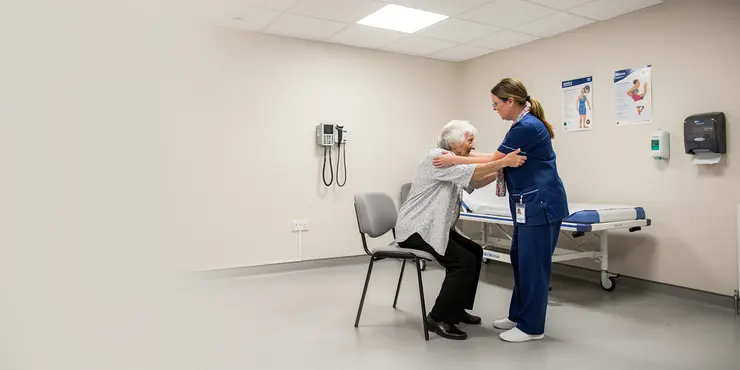
Fallsafe - Put the patient first. Preventing falls in Hospital.
Relevance: 31%
-
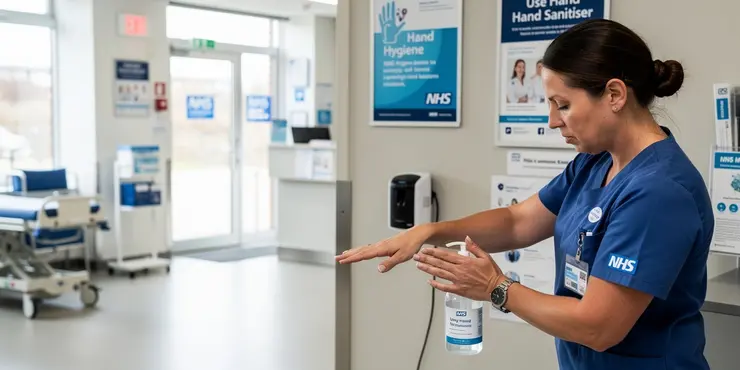
How can healthcare providers prevent the spread of flesh-eating bacteria in hospitals?
Relevance: 31%
-
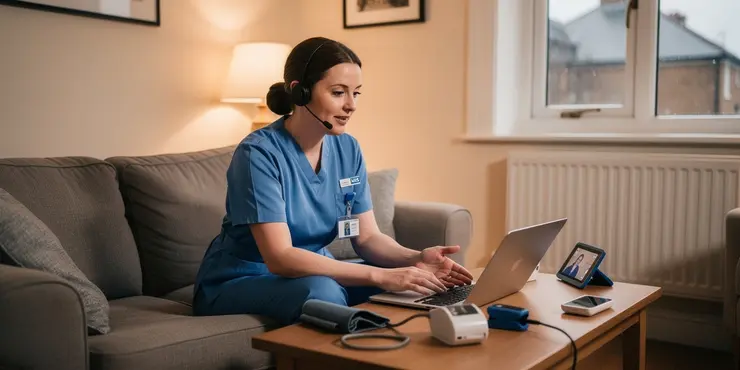
Can virtual wards reduce hospital overcrowding?
Relevance: 29%
-

Falls Prevention video for patients attending hospital
Relevance: 28%
-

What legal rights do I have as a medical patient in the EU?
Relevance: 28%
-

Does hospital affiliation matter when selecting a urologist?
Relevance: 28%

-
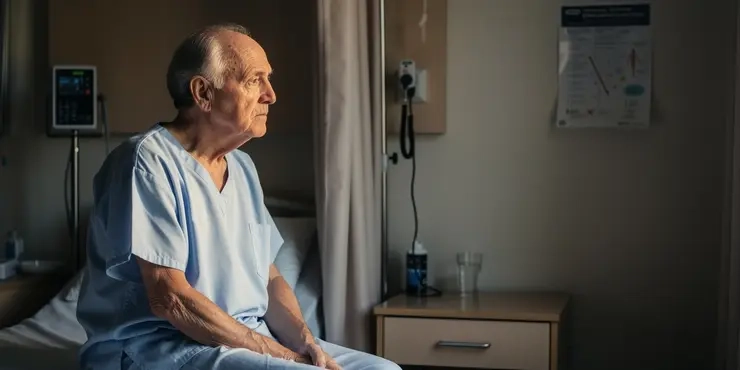
Delirium: A Patient Story at Leicester's Hospitals
Relevance: 27%
-

Do private hospitals have shorter waiting times for operations?
Relevance: 26%
-

Are waiting times for operations the same across all hospitals?
Relevance: 26%
-
How do I find a suitable hospital or clinic for my treatment?
Relevance: 25%
-

How long will I stay in hospital after a C-section?
Relevance: 25%
-

Can I shorten my waiting time by choosing a different hospital?
Relevance: 25%
-
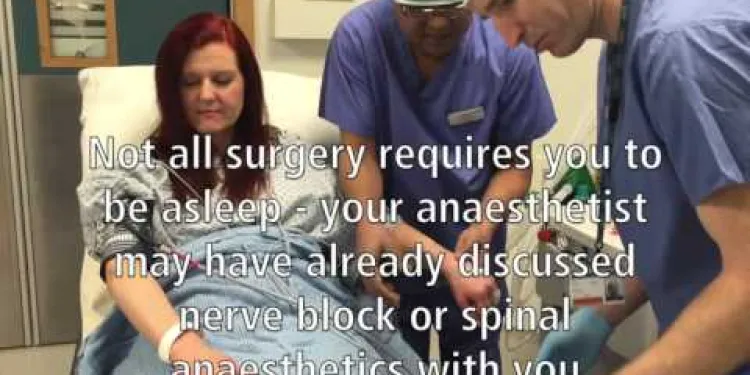
Your Operation at East Surrey Hospital
Relevance: 24%
-
Is AI technology in lung cancer detection widely accepted by hospitals?
Relevance: 24%
-
Tour of the Sickle Cell and Thalassaemia Unit at City Hospital | SCaT
Relevance: 24%
-
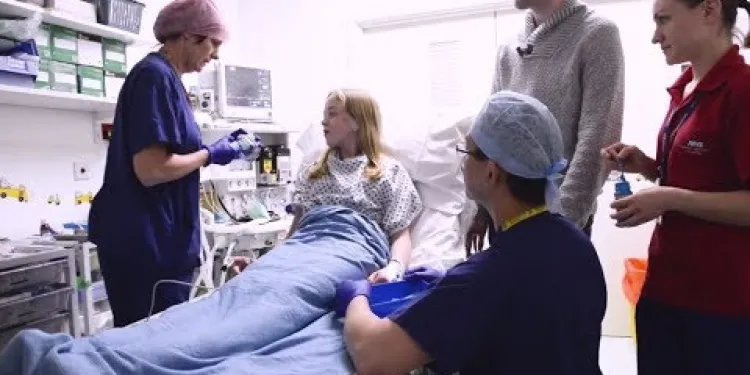
Having an operation in Oxford Children's Hospital with YiPpEe
Relevance: 24%
-
Eye Injections at Royal Bournemouth Hospital
Relevance: 24%
-
Coming to the Endoscopy Unit at Harrogate District Hospital
Relevance: 24%
-
How do virtual wards improve patient outcomes?
Relevance: 23%
-
Heart attack care - Raigmore Hospital Inverness, NHS Highland
Relevance: 23%
-
What to expect when visiting our hospitals for surgery | Theatres
Relevance: 23%
-
Are virtual wards suitable for elderly patients?
Relevance: 23%
-
Eye Injections at Royal Bournemouth Hospital
Relevance: 23%
-

Can I travel to EU countries for medical treatment?
Relevance: 22%
-
A guide to the new Endoscopy Suite at Chesterfield Royal Hospital NHS Foundation Trust
Relevance: 22%
-
Is my healthcare provider obligated to correct errors in my medical records?
Relevance: 22%
-

How can I find current waiting times for operations in my local hospital?
Relevance: 22%
-
Having a CT Scan at Stoke Mandeville Hospital - Buckinghamshire Healthcare NHS Trust
Relevance: 22%
-
Infliximab infusion (Remicade) for Crohns Disease at Addenbrookes NHS hospital
Relevance: 22%
-

Does the NHS offer an online hospital for menopause?
Relevance: 22%
-

What to expect when visiting our hospitals for surgery | Theatres
Relevance: 22%
-

Gastroscopy - What to Expect on Referral to Chesterfield Royal Hospital
Relevance: 22%
-

Are virtual wards safe?
Relevance: 22%
-

Having a colonoscopy in hospital - Patient Guide
Relevance: 22%
-

How do virtual wards work?
Relevance: 22%
-

What should I do first if I think I have been harmed by medical or clinical negligence?
Relevance: 21%
What an apology means
If a hospital says an apology is enough, it may be trying to acknowledge what went wrong without admitting legal liability. For many patients and families, though, an apology is only the start. It does not replace pain, lost income, ongoing treatment, or the loss of trust.
In the UK, a sincere apology can still matter a great deal. It can show that the hospital recognises the impact of the mistake and is willing to be open. That said, an apology on its own may feel hollow if there is no explanation, no action, and no proper redress.
Why hospitals may offer an apology first
Hospitals often want to resolve concerns quickly and reduce conflict. An early apology may be part of a complaints process or a sign that staff are taking the matter seriously. In some cases, it may also be intended to prevent things from escalating.
However, an apology should not be used to close down a legitimate concern. Patients have a right to ask what happened, whether the harm could have been avoided, and what will be done differently in future. An apology is most useful when it comes with honesty and practical steps.
When an apology is not enough
If you have suffered injury, additional treatment, or avoidable harm, an apology alone may not address the consequences. You may need answers, records, a review of care, or compensation. This is especially important if the mistake has affected your long-term health or ability to work.
In the NHS, a complaint can lead to an explanation or improvements in care, but it may not result in financial compensation. If you believe negligence may have occurred, you may want to seek specialist advice. The fact that someone has apologised does not necessarily mean the matter is resolved.
What you can do next
Start by asking for a full written explanation of what happened. Keep copies of letters, test results, discharge notes, and any complaint responses. It is also sensible to write down dates, names, and details of conversations while they are still fresh.
You can use the hospital’s complaints procedure if you want the issue reviewed. If you are unhappy with the response, you may be able to escalate concerns through NHS complaints routes or seek advice from a solicitor. For serious harm, it can help to act promptly so that time limits do not become a problem.
Finding the right balance
An apology can be meaningful, but it should not be treated as the end of the conversation if real harm has been done. Patients should not feel pressured to accept words instead of answers, learning, or fair treatment. What matters is whether the hospital is prepared to put things right.
If a hospital says an apology is enough, ask yourself whether it truly addresses the impact on you. In many cases, the answer will be no. A proper response should combine apology, explanation, accountability, and, where appropriate, compensation or further care.
Frequently Asked Questions
What if the hospital says an apology is enough?
An apology may be appropriate, but it does not necessarily resolve your legal rights or any compensation you may be entitled to seek.
Can a hospital apology replace a legal claim?
No, an apology does not automatically replace a legal claim if negligence or harm occurred.
Should I accept an apology from the hospital?
You can accept the apology emotionally while still preserving your right to review the facts and explore legal options.
Does apologizing mean the hospital admits fault?
Not always. In many places, an apology is not the same as a formal admission of legal liability.
Can I still file a complaint if the hospital apologized?
Yes, you can often still file a complaint with the hospital, licensing board, or another oversight body.
What if the hospital offers an apology but no compensation?
You may still be able to pursue compensation for medical costs, lost income, pain, or other damages.
Is an apology enough after a medical error?
It depends on the situation, but if an error caused harm, an apology alone may not be enough to address it.
Do I need evidence even if the hospital apologized?
Yes, it is wise to keep records, medical documents, and any written communication about the incident.
Can the hospital use an apology to avoid responsibility?
An apology should not be used to avoid responsibility if the care provided was negligent or caused injury.
What should I do after the hospital says sorry?
Get the apology in writing if possible, document what happened, request your records, and consider speaking with a lawyer.
Will a written apology help my case?
A written apology may be useful evidence, but its legal effect depends on the facts and local law.
If I feel pressured to accept an apology, what can I do?
You do not have to give up your rights. Take time to decide and seek independent advice if needed.
Can I ask for more than an apology?
Yes, you can ask for an explanation, corrective action, policy changes, reimbursement, or legal compensation.
Does an apology stop the statute of limitations from running?
Usually no. Time limits for filing claims still matter, so it is important to act promptly.
What if the hospital says they are sorry but denies negligence?
That can happen. You can still investigate the incident and determine whether a claim may exist.
Should I sign anything after receiving an apology?
Not before reviewing it carefully. Some documents may limit your rights, so consider legal advice first.
Can I negotiate with the hospital after an apology?
Yes, many people use the apology as a starting point to discuss records, treatment changes, or settlement.
What if the apology feels insincere?
Even if it feels insincere, you can still focus on evidence, your health, and your available legal options.
Is an apology enough if I was seriously harmed?
For serious harm, an apology alone is often not enough to address medical bills, suffering, or future care needs.
Who can help me decide whether an apology is enough?
A medical malpractice lawyer, patient advocate, or trusted advisor can help you understand whether further action makes sense.

Useful Linksxxx
This website offers general information and is not a substitute for professional advice.
Always seek guidance from qualified professionals.
If you have any medical concerns or need urgent help, contact a healthcare professional or emergency services immediately.
Some of this content was generated with AI assistance. We've done our best to keep it accurate, helpful, and human-friendly.
- Ergsy carefully checks the information in the videos we provide here.
- Videos shown by Youtube after a video has completed, have NOT been reviewed by ERGSY.
- To view, click the arrow in centre of video.
- Most of the videos you find here will have subtitles and/or closed captions available.
- You may need to turn these on, and choose your preferred language.
- Go to the video you'd like to watch.
- If closed captions (CC) are available, settings will be visible on the bottom right of the video player.
- To turn on Captions, click settings.
- To turn off Captions, click settings again.
More Items From Ergsy search
-
What if the hospital says an apology is enough?
Relevance: 100%
-
Should I complain to the hospital or clinic?
Relevance: 53%
-
What can I do if I am the victim of medical or clinical negligence?
Relevance: 37%
-
Will language barriers be an issue in EU hospitals?
Relevance: 33%
-
Fallsafe - Put the patient first. Preventing falls in Hospital.
Relevance: 31%
-
How can healthcare providers prevent the spread of flesh-eating bacteria in hospitals?
Relevance: 31%
-
Can virtual wards reduce hospital overcrowding?
Relevance: 29%
-
Falls Prevention video for patients attending hospital
Relevance: 28%
-
What legal rights do I have as a medical patient in the EU?
Relevance: 28%
-
Does hospital affiliation matter when selecting a urologist?
Relevance: 28%
-
Delirium: A Patient Story at Leicester's Hospitals
Relevance: 27%
-
Do private hospitals have shorter waiting times for operations?
Relevance: 26%
-
Are waiting times for operations the same across all hospitals?
Relevance: 26%
-
How do I find a suitable hospital or clinic for my treatment?
Relevance: 25%
-
How long will I stay in hospital after a C-section?
Relevance: 25%
-
Can I shorten my waiting time by choosing a different hospital?
Relevance: 25%
-
Your Operation at East Surrey Hospital
Relevance: 24%
-
Is AI technology in lung cancer detection widely accepted by hospitals?
Relevance: 24%
-
Tour of the Sickle Cell and Thalassaemia Unit at City Hospital | SCaT
Relevance: 24%
-
Having an operation in Oxford Children's Hospital with YiPpEe
Relevance: 24%
-
Eye Injections at Royal Bournemouth Hospital
Relevance: 24%
-
Coming to the Endoscopy Unit at Harrogate District Hospital
Relevance: 24%
-
How do virtual wards improve patient outcomes?
Relevance: 23%
-
Heart attack care - Raigmore Hospital Inverness, NHS Highland
Relevance: 23%
-
What to expect when visiting our hospitals for surgery | Theatres
Relevance: 23%
-
Are virtual wards suitable for elderly patients?
Relevance: 23%
-
Eye Injections at Royal Bournemouth Hospital
Relevance: 23%
-
Can I travel to EU countries for medical treatment?
Relevance: 22%
-
A guide to the new Endoscopy Suite at Chesterfield Royal Hospital NHS Foundation Trust
Relevance: 22%
-
Is my healthcare provider obligated to correct errors in my medical records?
Relevance: 22%
-
How can I find current waiting times for operations in my local hospital?
Relevance: 22%
-
Having a CT Scan at Stoke Mandeville Hospital - Buckinghamshire Healthcare NHS Trust
Relevance: 22%
-
Infliximab infusion (Remicade) for Crohns Disease at Addenbrookes NHS hospital
Relevance: 22%
-
Does the NHS offer an online hospital for menopause?
Relevance: 22%
-
What to expect when visiting our hospitals for surgery | Theatres
Relevance: 22%
-
Gastroscopy - What to Expect on Referral to Chesterfield Royal Hospital
Relevance: 22%
-
Are virtual wards safe?
Relevance: 22%
-
Having a colonoscopy in hospital - Patient Guide
Relevance: 22%
-
How do virtual wards work?
Relevance: 22%
-
What should I do first if I think I have been harmed by medical or clinical negligence?
Relevance: 21%