
Speak To An Expert
Get clear, personalised advice for your situation.
Jot down a few questions to make the most of your conversation.
More Items From Ergsy search
-
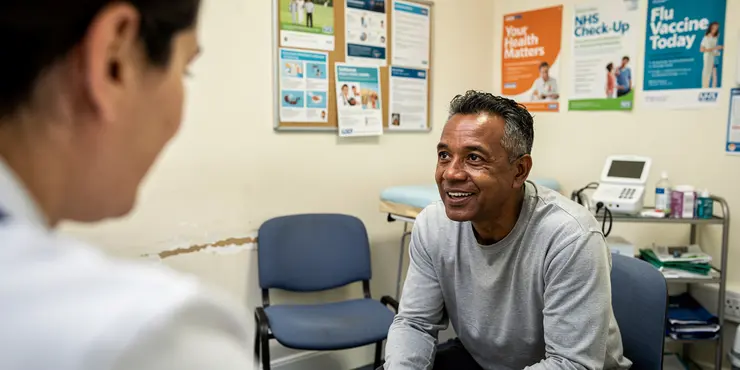
What questions should I ask during the first appointment?
Relevance: 100%
-
How should I prepare for a Botox appointment?
Relevance: 58%
-

What to expect when contacting a urologist for an appointment
Relevance: 54%
-
Autism Assessment - What Happens in Your Appointment
Relevance: 50%
-

Post Menopausal Bleeding Clinic | A Guide to What Happens at An Appointment
Relevance: 50%
-
The Delirium Question on Patientrack
Relevance: 50%
-
Derbyshire Diabetic Eye Screening - Your Screening Appointment
Relevance: 49%
-

How long does it take to get an appointment with a menopause specialist?
Relevance: 49%
-

How do I schedule a prostate screening appointment?
Relevance: 49%
-
What should I do if I miss my second COVID jab appointment?
Relevance: 47%

-

How many questions are there in the DVSA Theory Test?
Relevance: 45%
-

Who appoints the Chief Law Officer for England and Wales in the UK?
Relevance: 45%
-
A Radiotherapy appointment in east and North Hertfordshire
Relevance: 45%
-
Can children get NHS dentist appointments?
Relevance: 44%
-

What is the first thing that happens on arrival?
Relevance: 44%
-
How can I get a COVID jab appointment?
Relevance: 43%
-

What should I bring to my NHS dental appointment?
Relevance: 43%
-

What should customers do if they have further questions about refunds?
Relevance: 43%
-

Should I consider appointment availability?
Relevance: 43%
-
How do I book an appointment for the flu vaccine?
Relevance: 42%
-

What are my rights if I can’t get an NHS appointment?
Relevance: 42%
-

What happens if I miss my NHS dental appointment?
Relevance: 42%
-
NHS Ayrshire and CVO East Ayrshire - ‘Feet First – Podiatry Services in East Ayrshire’
Relevance: 42%
-

Derbyshire Diabetic Eye Screening - Assessment Clinic Appointment
Relevance: 41%
-
How long will I have to wait for an NHS dental appointment?
Relevance: 39%
-
Can I get a dentist appointment on the NHS?
Relevance: 39%
-
Do first aid certifications expire?
Relevance: 38%
-
Your Ultrasound Appointment
Relevance: 38%
-

How can I contact USCIS if I have specific questions regarding my case?
Relevance: 38%
-

Are there first aid courses for pets?
Relevance: 36%
-

Do I need to bring anything to a first aid course?
Relevance: 36%
-

How do I know if a urologist is right for long-term care?
Relevance: 36%
-

Can first aid courses be applied for college credit?
Relevance: 36%
-

Where can I learn First Aid?
Relevance: 35%
-
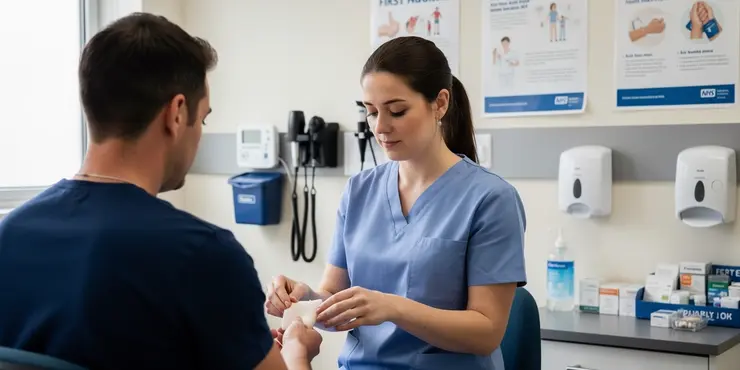
Are there mobile apps that teach first aid?
Relevance: 35%
-
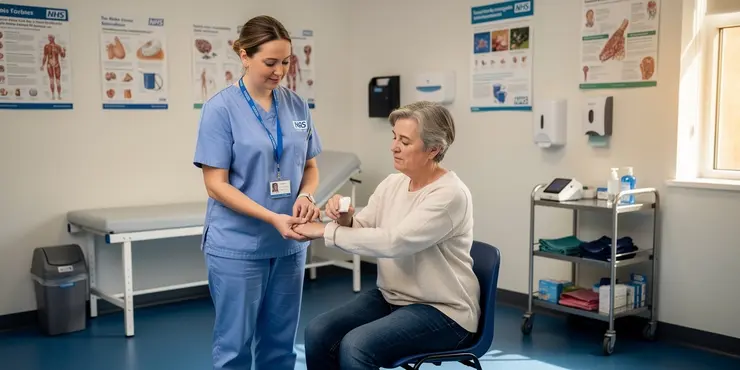
Are there free resources for learning first aid?
Relevance: 35%
-

Can I have visitors on the first day?
Relevance: 35%
-
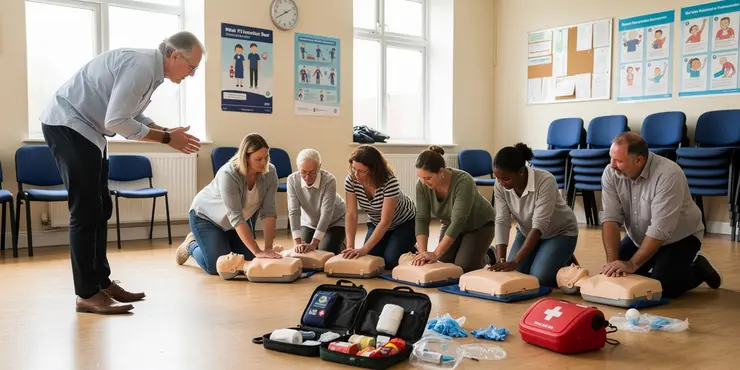
Can I learn first aid as a group?
Relevance: 35%
-
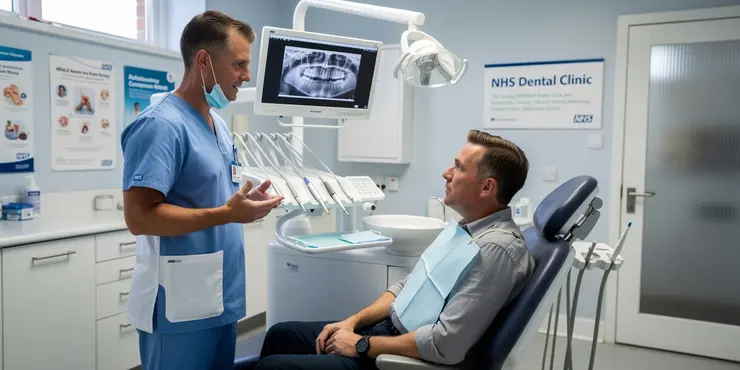
Are all dental appointments free on the NHS?
Relevance: 35%
-

Who can be appointed as an attorney under a Lasting Power of Attorney?
Relevance: 35%
Preparing for the first appointment
Your first appointment is a good chance to understand how the service works and whether it feels right for you. It can help to write a short list of questions beforehand so you do not forget anything important.
If you are seeing a GP, dentist, therapist, solicitor, financial adviser, or another professional, think about what you want to achieve from the meeting. That might be a diagnosis, a treatment plan, advice, or simply an understanding of the next steps.
Questions about experience and approach
You may want to ask about the person’s qualifications and experience with people like you. A useful question is, “Have you dealt with this issue before, and how do you usually approach it?”
It is also sensible to ask whether they have any special areas of expertise. This can be especially helpful if your situation is complex, ongoing, or involves more than one issue.
Questions about what happens next
Try to find out what the appointment will involve and what happens after it. You could ask, “What are the next steps?” or “How long will it take before I hear back?”
If tests, forms, reports, or further appointments may be needed, ask how these will be arranged. It is better to understand the process early, so you can plan ahead and avoid delays.
Questions about time, costs, and access
If there is any possibility of charges, ask about fees at the start. For example, you can ask what the appointment costs, whether there are extra charges, and how payment works.
It is also worth asking how long appointments usually last and whether follow-up visits are included. If you need accessibility support, ask about parking, step-free access, interpreters, or appointment formats such as phone or video.
Questions about your own concerns
Make sure you leave time to ask about your personal worries. If something is confusing or affecting your daily life, say so clearly and ask what options are available.
You might also ask what warning signs to look out for and when to seek further help. This can give you confidence and help you know when to get back in touch.
Questions about communication and support
It is useful to ask how you should contact the service if you have questions later. Find out whether there is a direct phone number, email address, or online portal for updates.
You can also ask how quickly they usually respond and who to speak to if your situation changes. Knowing this in advance can make the whole process feel less stressful.
Making the most of the appointment
Before you go, bring any documents, medication lists, notes, or relevant letters with you. This helps the professional get a clearer picture and can save time during the appointment.
If you are nervous, remember that it is fine to ask questions slowly and to ask for things to be repeated. A good first appointment should leave you feeling informed, respected, and clearer about what happens next.
Frequently Asked Questions
What should I ask about the main purpose of this appointment?
Ask what the appointment is meant to address, what the expected outcome is, and how success will be measured.
What is the best way to explain my concerns or symptoms?
Ask how much detail you should share, what examples are most helpful, and whether you should mention when the issue started and how often it happens.
What information should I bring with me?
Ask whether you should bring records, a medication list, prior test results, identification, insurance information, or anything else.
What questions should I ask about the diagnosis or possible causes?
Ask what the most likely explanations are, what else could be causing the issue, and whether any tests are needed to confirm the cause.
What should I ask about treatment options?
Ask what your options are, how each one works, the benefits and risks, and which option is recommended first.
How do I ask about side effects or risks?
Ask what side effects are common, which ones are serious, how likely they are, and what you should do if they happen.
What should I ask about how long treatment will take?
Ask when you should expect improvement, how long the full treatment usually lasts, and what to do if you do not notice changes.
What questions should I ask about follow-up appointments?
Ask when you should return, what the follow-up will include, and what signs mean you should come back sooner.
What should I ask if I do not understand something?
Ask the provider to explain it in simpler terms, repeat key points, or write down the instructions for you.
What should I ask about cost and insurance?
Ask what the visit, tests, or treatment may cost, whether insurance covers them, and whether there are lower-cost alternatives.
What questions should I ask about lifestyle changes?
Ask whether diet, exercise, sleep, stress, or other habits could help, and what specific changes would make the biggest difference.
What should I ask about warning signs or emergency symptoms?
Ask which symptoms need urgent care, when to call the office, and when to go to the emergency room.
How do I ask whether I need tests or referrals?
Ask if any tests are necessary now, what they are for, and whether you need to see a specialist for further evaluation.
What questions should I ask about my medical history?
Ask how your past conditions, surgeries, allergies, or medications may affect the plan and whether any changes are needed.
What should I ask if I have more than one concern?
Ask which issue should be addressed first, whether the concerns may be related, and whether additional visits are needed to cover everything.
What should I ask about how to prepare for next steps?
Ask whether you need to fast, stop any medications, complete forms, or bring anything before the next appointment or test.
What questions should I ask to make sure I understand the plan?
Ask for a summary of the diagnosis, treatment, next steps, and what you should do at home before the visit ends.
What should I ask about communication after the appointment?
Ask how to reach the office with questions, how long responses usually take, and whether there is a patient portal or email option.
What questions should I ask about second opinions?
Ask whether a second opinion would be helpful, how to get your records, and whether it should be done before starting treatment.
What should I ask to make the most of the first appointment?
Ask what the top priorities are, what questions you should not forget, and what the provider needs from you to create the best plan.

Useful Linksxxx
This website offers general information and is not a substitute for professional advice.
Always seek guidance from qualified professionals.
If you have any medical concerns or need urgent help, contact a healthcare professional or emergency services immediately.
Some of this content was generated with AI assistance. We've done our best to keep it accurate, helpful, and human-friendly.
- Ergsy carefully checks the information in the videos we provide here.
- Videos shown by Youtube after a video has completed, have NOT been reviewed by ERGSY.
- To view, click the arrow in centre of video.
- Most of the videos you find here will have subtitles and/or closed captions available.
- You may need to turn these on, and choose your preferred language.
- Go to the video you'd like to watch.
- If closed captions (CC) are available, settings will be visible on the bottom right of the video player.
- To turn on Captions, click settings.
- To turn off Captions, click settings again.
More Items From Ergsy search
-
What questions should I ask during the first appointment?
Relevance: 100%
-
How should I prepare for a Botox appointment?
Relevance: 58%
-
What to expect when contacting a urologist for an appointment
Relevance: 54%
-
Autism Assessment - What Happens in Your Appointment
Relevance: 50%
-
Post Menopausal Bleeding Clinic | A Guide to What Happens at An Appointment
Relevance: 50%
-
The Delirium Question on Patientrack
Relevance: 50%
-
Derbyshire Diabetic Eye Screening - Your Screening Appointment
Relevance: 49%
-
How long does it take to get an appointment with a menopause specialist?
Relevance: 49%
-
How do I schedule a prostate screening appointment?
Relevance: 49%
-
What should I do if I miss my second COVID jab appointment?
Relevance: 47%
-
How many questions are there in the DVSA Theory Test?
Relevance: 45%
-
Who appoints the Chief Law Officer for England and Wales in the UK?
Relevance: 45%
-
A Radiotherapy appointment in east and North Hertfordshire
Relevance: 45%
-
Can children get NHS dentist appointments?
Relevance: 44%
-
What is the first thing that happens on arrival?
Relevance: 44%
-
How can I get a COVID jab appointment?
Relevance: 43%
-
What should I bring to my NHS dental appointment?
Relevance: 43%
-
What should customers do if they have further questions about refunds?
Relevance: 43%
-
Should I consider appointment availability?
Relevance: 43%
-
How do I book an appointment for the flu vaccine?
Relevance: 42%
-
What are my rights if I can’t get an NHS appointment?
Relevance: 42%
-
What happens if I miss my NHS dental appointment?
Relevance: 42%
-
NHS Ayrshire and CVO East Ayrshire - ‘Feet First – Podiatry Services in East Ayrshire’
Relevance: 42%
-
Derbyshire Diabetic Eye Screening - Assessment Clinic Appointment
Relevance: 41%
-
How long will I have to wait for an NHS dental appointment?
Relevance: 39%
-
Can I get a dentist appointment on the NHS?
Relevance: 39%
-
Do first aid certifications expire?
Relevance: 38%
-
Your Ultrasound Appointment
Relevance: 38%
-
How can I contact USCIS if I have specific questions regarding my case?
Relevance: 38%
-
Are there first aid courses for pets?
Relevance: 36%
-
Do I need to bring anything to a first aid course?
Relevance: 36%
-
How do I know if a urologist is right for long-term care?
Relevance: 36%
-
Can first aid courses be applied for college credit?
Relevance: 36%
-
Where can I learn First Aid?
Relevance: 35%
-
Are there mobile apps that teach first aid?
Relevance: 35%
-
Are there free resources for learning first aid?
Relevance: 35%
-
Can I have visitors on the first day?
Relevance: 35%
-
Can I learn first aid as a group?
Relevance: 35%
-
Are all dental appointments free on the NHS?
Relevance: 35%
-
Who can be appointed as an attorney under a Lasting Power of Attorney?
Relevance: 35%