
Get Answers
Introduction to Mediation in Shareholder Disputes
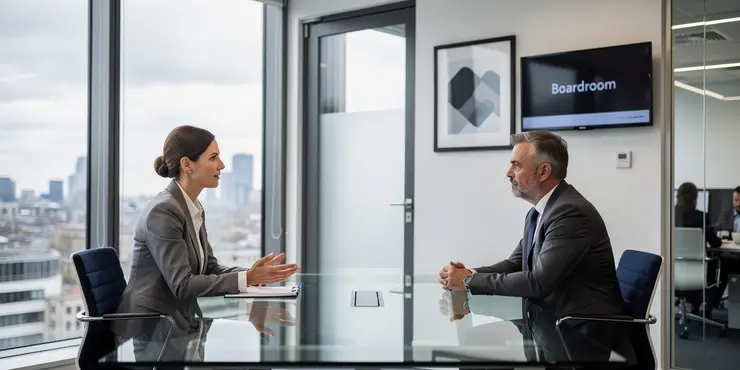
In the context of a shareholder dispute, mediation serves as an alternative dispute resolution (ADR) approach to resolve conflicts outside the courtroom. This method has been increasingly embraced in the UK due to its efficiency, cost-effectiveness, and ability to preserve business relationships. A mediator acts as a neutral third party to facilitate constructive dialogue between disputing shareholders, aiming to find an amicable solution acceptable to all parties involved.
Key Responsibilities of a Mediator
The mediator's primary role is to ensure that communication between the disputing parties remains open and constructive. By maintaining neutrality, the mediator helps shareholders articulate their concerns and explore potential solutions without taking sides. This involves setting the ground rules for discussions, guiding conversations to prevent escalation, and keeping the dispute resolution process focused on achieving a mutually beneficial outcome.
In addition to facilitating dialogue, a mediator may also aid in identifying the underlying interests and concerns of each party, rather than focusing solely on their stated positions. By doing so, the mediator helps uncover common ground and potential areas for compromise. This process often requires the mediator to employ various techniques, such as asking probing questions, summarizing discussions, and reframing issues to encourage understanding and collaboration.
Confidentiality and Impartiality
Confidentiality is a crucial aspect of mediation. In the UK, mediators are bound by strict confidentiality agreements, which allow parties to speak openly without fear that their discussions will be disclosed outside the mediation setting. This confidentiality fosters a safe environment where shareholders can explore possibilities and express concerns candidly.
The mediator's impartiality is equally vital. The mediator must remain unbiased and refrain from offering legal advice or judgment on the merits of the dispute. Instead, their focus is on facilitating a process that allows shareholders to reach their own agreement, based on their understanding of what is best for their business and respective interests.
Benefits of Mediation in Shareholder Disputes
Mediation offers several advantages over litigation or arbitration for resolving shareholder disputes. Firstly, it is typically faster and less costly than going to court. Mediation sessions can be scheduled and concluded within weeks, whereas litigation may extend over months or years. Additionally, mediation allows shareholders to maintain control over the outcome, as opposed to a court-imposed decision.
Moreover, because mediation is a collaborative process, it can help preserve business relationships. By finding a resolution that accommodates the interests of all parties, shareholders are often more satisfied and willing to continue working together. This collaborative aspect makes mediation an attractive option for resolving disputes in a manner that supports the long-term health of the company.
Conclusion
Mediation in shareholder disputes enables parties to address their disagreements in a confidential, impartial, and constructive environment. With the guidance of an experienced mediator, shareholders can explore solutions that serve their interests and maintain their business relationships, ultimately contributing to a healthier corporate environment.
Introduction to Mediation in Shareholder Disputes
Mediation helps solve fights between business owners (shareholders) without going to court. It is popular in the UK because it is quick, cheaper, and helps keep good business friendships. A mediator is a person who does not take sides and helps the shareholders talk and find a solution that everyone agrees on.
Key Responsibilities of a Mediator
The main job of a mediator is to keep the talks between the shareholders friendly and open. The mediator does not pick sides but instead helps everyone say what they need and look for answers together. They make sure everyone follows the rules for talking, stop things from getting heated, and help find a solution that works for everyone.
The mediator also helps find out what is really important to each side. Instead of just listening to what each person wants, they try to find out why they want it. This can help find things everyone agrees on and make it easier to compromise. The mediator might ask questions and repeat back what people say to make sure everyone understands and works together.
Confidentiality and Impartiality
Everything said in mediation is private. This means that no one can tell others what was talked about during mediation. This privacy helps people feel safe to share their thoughts and worries.
The mediator must also be fair and not take sides. They do not give legal advice or say who is right or wrong. The mediator just helps the shareholders make their own decisions about what works best for their business.
Benefits of Mediation in Shareholder Disputes
Mediation has many good points compared to going to court. It is usually faster and costs less money. Mediation can be done in weeks, while court cases might take months or years. Mediation also lets the shareholders have a say in the solution, instead of having a judge decide for them.
Because mediation is about working together, it can help keep business relationships strong. Finding a solution that makes everyone happy often means shareholders can keep working together. This makes it a good way to solve problems without hurting the company.
Conclusion
Mediation helps shareholders solve their problems in a private, fair, and friendly way. With the mediator's help, they can find solutions that help their business and keep good relationships. This makes businesses healthier and stronger.
Frequently Asked Questions
A mediator assists disputing parties in a shareholder dispute by facilitating communication, helping to clarify issues, and guiding them toward a mutually acceptable agreement.
A mediator maintains neutrality by not taking sides, avoiding bias, and focusing on facilitating discussion between parties without imposing solutions.
No, a mediator cannot make binding decisions. Their role is to guide discussions to help parties reach their own agreement.
Mediation can be quicker, more cost-effective, and less adversarial than litigation, and it helps preserve business relationships by promoting cooperative solutions.
Mediation is appropriate when parties are willing to negotiate in good faith and seek a resolution without the adversities of court proceedings.
A mediator should possess skills like active listening, impartiality, problem-solving, empathy, and the ability to facilitate effective communication.
A mediator facilitates communication by ensuring each party is heard, asking clarifying questions, and keeping the conversation focused on productive outcomes.
The process involves initial meetings, joint sessions with all parties, separate caucuses to explore interests, and negotiations leading to a resolution.
If mediation does not resolve the dispute, parties may choose to pursue other options such as arbitration or litigation, or they may return to mediation at a later date.
No, mediators do not provide legal advice. Parties are encouraged to seek legal counsel separately during mediation.
Mediators are often selected based on their experience, expertise in business disputes, and reputations for impartiality and effectiveness.
Confidentiality is maintained through agreements that prohibit disclosure of information shared during the mediation process outside the negotiation sessions.
Mediation can address most issues in a shareholder dispute, especially those related to management, financial disagreements, and future business direction.
Lawyers can provide legal advice and support to their clients during mediation, help clarify legal issues to the mediator, and assist in drafting settlement agreements.
The duration of mediation can vary widely depending on the complexity of the issues and the willingness of parties to negotiate, ranging from a few hours to several days or weeks.
Yes, mediation can complement other dispute resolution methods such as arbitration and litigation, and it may be used before or after these processes.
In mediation, a neutral third party facilitates negotiations to reach a voluntary settlement. In arbitration, a neutral arbitrator makes a binding decision on the dispute.
A mediator addresses power imbalances by ensuring each party has equal opportunities to present their views and by creating a safe and respectful environment for dialogue.
Yes, mediation can help parties develop better communication and conflict resolution strategies, potentially preventing future disputes.
Parties can prepare by gathering relevant documents, understanding their interests and the interests of the other party, setting realistic goals, and being open to compromise.
A mediator helps people who are having a disagreement about being shareholders. They help people talk to each other, understand the problem better, and find a solution that everyone agrees on.
A mediator is someone who helps people talk to each other and solve problems. They don't pick sides or decide who's right or wrong. Instead, they make sure everyone gets a chance to speak and help them understand each other. They don't tell people what to do, but they help people find their own solutions.
No, a mediator cannot make decisions that everyone must follow. They help people talk and work together to make their own choices.
Mediation can be faster, cheaper, and friendlier than going to court. It can help keep business friendships strong by working together to solve problems.
Mediation is a good choice when people want to talk and find a solution together, instead of going to court.
A good mediator needs certain skills. They need to listen carefully and be fair to everyone. They also need to solve problems and understand other's feelings. It is important for them to help people talk and understand each other. Using pictures or writing down ideas can help too.
A mediator helps people talk to each other. They make sure everyone gets a chance to speak. They ask questions to make things clear and help keep the talk positive and helpful.
This is how it works:
First, everyone meets together. Then, they talk to find out what everyone wants. Sometimes, they have separate talks to understand each person better. After that, they work together to find a solution.
To help understand, you can use tools like pictures or make notes. You can also talk to someone you trust about it.
If talking it over (mediation) doesn't fix the problem, you can try other things. You can ask a new person to help (arbitration) or go to court (litigation). You can also try talking it over again later.
No, mediators do not give legal advice. It's a good idea for people to talk to a lawyer while they are working with a mediator.
Mediators are chosen because they know a lot, are good at helping with business problems, and are fair and helpful.
We keep things private by having rules. These rules say you can't talk about what was said in the meeting with anyone outside the meeting.
Mediation can help solve many problems when business owners disagree. This is useful for talking about how the business is run, money problems, and plans for the business in the future.
Lawyers can help people understand the law during meetings where people try to sort out problems. They can talk to the person who helps with the meeting and help write down any agreements people make.
Mediation time can be different. It depends on how difficult the problems are and if people want to talk and agree. It can take a few hours, or it might take a few days or weeks.
To make understanding easier, try using tools like a text-to-speech reader to listen to the text, or break it into smaller parts. Discussing with a friend or using pictures may also help you understand better.
Yes, mediation can work well with other ways to solve problems, like arbitration and going to court. It can be used before or after these ways.
In mediation, a helper who doesn't take sides helps people talk and agree on a plan. In arbitration, a helper decides what happens, and everyone has to do it.
A mediator helps make things fair. They make sure everyone gets a chance to talk and share their ideas. The mediator also makes sure the place where you talk feels safe and respectful for everyone.
Yes, talking with a mediator can help people learn to talk better and solve problems. This can stop fights from happening later.
To get ready, collect all important papers. Know what you want and what the other person wants too. Set goals that make sense and be ready to give and take.

Ergsy Search Results
This website offers general information and is not a substitute for professional advice.
Always seek guidance from qualified professionals.
If you have any medical concerns or need urgent help, contact a healthcare professional or emergency services immediately.
Some of this content was generated with AI assistance. We've done our best to keep it accurate, helpful, and human-friendly.
- Ergsy carefully checks the information in the videos we provide here.
- Videos shown by Youtube after a video has completed, have NOT been reviewed by ERGSY.
- To view, click the arrow in centre of video.
- Most of the videos you find here will have subtitles and/or closed captions available.
- You may need to turn these on, and choose your preferred language.
- Go to the video you'd like to watch.
- If closed captions (CC) are available, settings will be visible on the bottom right of the video player.
- To turn on Captions, click settings.
- To turn off Captions, click settings again.