
Get Answers
Who is Most Affected by the Loneliness Epidemic?
The loneliness epidemic has been increasingly recognized as a significant public health issue in the UK. While loneliness can affect anyone, certain groups are more vulnerable due to societal, economic, and individual factors.
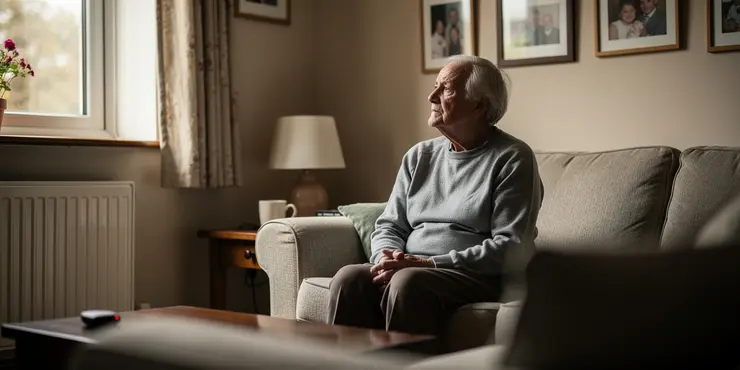
Older Adults
One of the most impacted groups by loneliness in the UK is older adults, particularly those over the age of 75. Many older people live alone, which can lead to social isolation, especially if family and friends do not live nearby. The transition from a busy working life to retirement can also reduce regular social interactions. Physical health problems and mobility issues can further limit their ability to participate in social activities, compounding feelings of loneliness.
Young Adults
Contrary to what some might expect, young adults, particularly those aged 16 to 24, are also significantly affected by loneliness. This can be attributed to several factors, including the transitionary nature of this life stage, moving away for university or starting new jobs, and the pressures of forming personal and professional identities. The role of social media is also a double-edged sword: while it can connect people, it can also lead to comparisons and feelings of inadequacy, exacerbating loneliness.
Carers
Carers, who provide unpaid support to family members or friends with illnesses, disabilities, or other needs, often face loneliness. The demanding nature of their role can limit their ability to maintain their social lives, leading to isolation. Additionally, the emotional burden of caregiving without adequate support can leave carers feeling misunderstood and alone in their experiences.
People with Disabilities
Individuals with disabilities are another group at high risk of loneliness. Physical barriers, social stigma, and a lack of accessible facilities can hinder their participation in social, community, and even family activities. This can perpetuate a cycle of exclusion and loneliness, impacting their mental and emotional well-being.
Ethnic Minorities
Ethnic minority communities in the UK can face loneliness due to cultural and language barriers, discrimination, or being geographically separated from others of similar backgrounds. These challenges can prevent full integration into wider society and make it difficult to form meaningful connections, leading to feelings of loneliness and alienation.
Conclusion
The loneliness epidemic in the UK affects diverse groups, each experiencing its unique challenges. Addressing loneliness requires understanding these dynamics and fostering inclusive, supportive communities where everyone, regardless of age, background, or ability, can find connection and belonging.
Who Feels Most Lonely?
Feeling lonely is a big problem for many people in the UK. It is a health issue that many people care about. Anyone can feel lonely, but some people are more likely to. This could be because of society, money, or personal reasons.
Older Adults
Older adults, especially those over 75, often feel lonely in the UK. Many older people live by themselves, which makes them feel alone. This is even more if family and friends are far away. When older people stop working, they see fewer people. Health problems can make it hard for them to join in social activities. These things make them feel more lonely.
Young Adults
Young adults, especially those aged 16 to 24, can feel lonely too. They are in a time of change in their lives. They might move away for school or new jobs. Social media can make people feel both connected and alone. It might make them compare themselves to others and feel not good enough. This makes them feel lonely too.
Carers
Carers look after family members or friends who need help. They do not get paid for this. Because being a carer is hard work, they might not have time to be social. This makes them feel alone. Carers might feel people do not understand them. Without support, they can feel very lonely.
People with Disabilities
People with disabilities can feel very lonely. There are physical barriers and people might treat them unfairly. There might not be enough places they can easily go to join in events. This makes it hard for them to socialize with others. They might feel left out, which makes them lonely too.
Ethnic Minorities
People from ethnic minority groups can feel lonely because of culture and language differences. Discrimination can also make them feel alone. They might live far from people who share their background, making it hard to connect with others. They might feel left out and lonely.
Conclusion
In the UK, many different groups feel lonely. Each group has its own problems. To help, we need to understand these issues and create welcoming communities. Everyone should feel they belong, no matter their age, background, or abilities.
Frequently Asked Questions
Young adults, particularly those aged 18-24, are often reported as being the most affected by loneliness.
While older adults can experience loneliness due to factors like isolation or loss of peers, studies show that younger adults report higher levels of loneliness.
Excessive social media use can exacerbate feelings of loneliness and depression among young people by promoting unrealistic social comparisons.
Single individuals may be more likely to feel lonely, but loneliness is complex and can affect people in relationships as well.
Both urban and rural residents can experience loneliness, though the causes and experiences may differ due to the setting.
Loneliness is strongly linked to mental health issues, including depression, anxiety, and increased stress levels.
Yes, prolonged loneliness can impact physical health, leading to issues such as increased risk of heart disease, weakened immune system, and higher mortality rates.
Cultural factors can influence loneliness, with some cultures placing a stronger emphasis on community and others on individualism.
Yes, individuals with disabilities may face increased risks of loneliness due to physical barriers and social stigma.
Students, especially those transitioning to higher education, can experience loneliness due to changes in their social environment and pressures to succeed academically.
Yes, children and adolescents can experience loneliness, often influenced by bullying, social anxiety, or family dynamics.
Living alone can contribute to loneliness, but some people who live alone may not feel lonely if they maintain strong social connections.
Unemployment can lead to loneliness due to the loss of daily social interactions and the stress associated with job loss.
Studies show mixed results, but some suggest that men may be less likely to report loneliness despite experiencing it.
Yes, life transitions such as moving to a new place, retirement, or becoming a parent can increase feelings of loneliness.
Socio-economic factors such as poverty and living in deprived areas can increase the risk of loneliness due to lack of access to social resources.
Technology can both alleviate and exacerbate loneliness, depending on how it is used to either foster genuine connections or widen social gaps.
Loneliness is considered an epidemic because of its widespread impact across various demographics and its significant effects on mental and physical health.
The decline of traditional community structures and social organizations can lead to increased feelings of isolation and loneliness.
Family can play a crucial role in providing emotional support and social connections, helping to mitigate feelings of loneliness.
Young people, especially those who are 18 to 24 years old, often feel lonely the most.
Older people can feel lonely because they are alone or miss their friends. But, young people say they feel lonely even more than older people do.
Spending too much time on social media can make young people feel more lonely and sad. This happens because they might compare themselves to others in an unrealistic way.
People who are not in a relationship might feel lonely. But feeling lonely is complicated and can also happen to people who are in a relationship.
People can feel lonely whether they live in a city or the countryside. But the reasons and feelings might be different depending on where they live.
Feeling alone can make you very sad. It can also make you feel worried or stressed.
Yes, being lonely for a long time can make you sick. It can cause problems like heart disease, make it harder for your body to fight germs, and can even make people die sooner.
Culture can change how lonely people feel. Some cultures focus more on being together in a group. Other cultures focus more on doing things alone.
Yes, people with disabilities might feel lonely more often. This can happen because it is harder to get around and because of how others treat them.
When kids move to bigger schools or colleges, they might feel alone. This is because their friends and life are different now, and they feel like they have to do well in their studies.
Yes, kids and teens can feel lonely. This can happen because of bullying, being shy around others, or problems at home with family.
If you live by yourself, you might feel lonely. But, if you stay in touch with friends and family, you might not feel alone even if you live alone.
Losing a job can make people feel lonely. This is because they miss talking to others every day. It can also be stressful to lose a job.
Some studies say different things, but some show that men might feel lonely but don't say it as much.
Yes, big changes in life, like moving to a new home, stopping work, or having a baby, can make you feel lonely.
Being poor or living in a tough area can make people feel lonely. This is because it is harder to find fun things to do or meet people.
Technology can help us feel less lonely, but it can also make us feel more alone. It depends on how we use it to make real friends or build walls between us and others.
Loneliness is like a big problem because it affects many people. It can make us feel sad and can also hurt our bodies and minds.
When our old ways of spending time together change, it can make us feel alone and lonely.
Family is very important. They help us feel loved and not alone. They help us make friends and feel happy.

Ergsy Search Results
This website offers general information and is not a substitute for professional advice.
Always seek guidance from qualified professionals.
If you have any medical concerns or need urgent help, contact a healthcare professional or emergency services immediately.
Some of this content was generated with AI assistance. We've done our best to keep it accurate, helpful, and human-friendly.
- Ergsy carefully checks the information in the videos we provide here.
- Videos shown by Youtube after a video has completed, have NOT been reviewed by ERGSY.
- To view, click the arrow in centre of video.
- Most of the videos you find here will have subtitles and/or closed captions available.
- You may need to turn these on, and choose your preferred language.
- Go to the video you'd like to watch.
- If closed captions (CC) are available, settings will be visible on the bottom right of the video player.
- To turn on Captions, click settings.
- To turn off Captions, click settings again.