

Speak To An Expert
Get clear, personalised advice for your situation.
Jot down a few questions to make the most of your conversation.
More Items From Ergsy search
-

Are there any recent advancements in medications for stroke prevention?
Relevance: 100%
-

Do over-the-counter medications help in preventing heart attacks and strokes?
Relevance: 53%
-
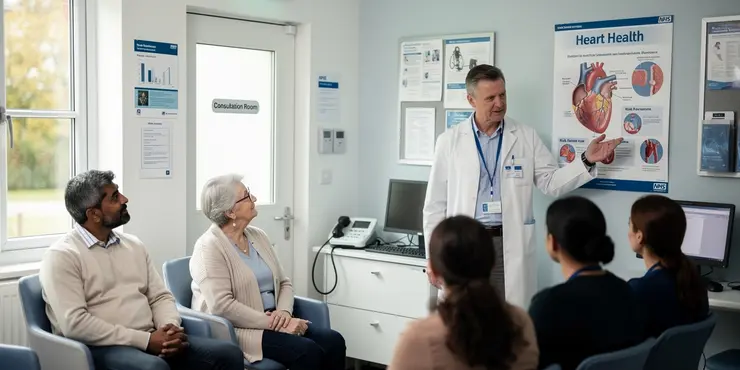
Do all patients need medication to prevent heart attacks and strokes?
Relevance: 51%
-

What drugs can reduce the risk of heart-attack and strokes?
Relevance: 50%
-
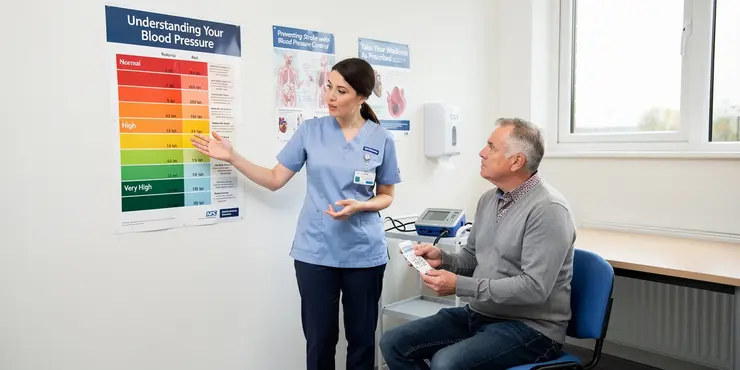
Can antihypertensive medications reduce stroke risk?
Relevance: 46%
-
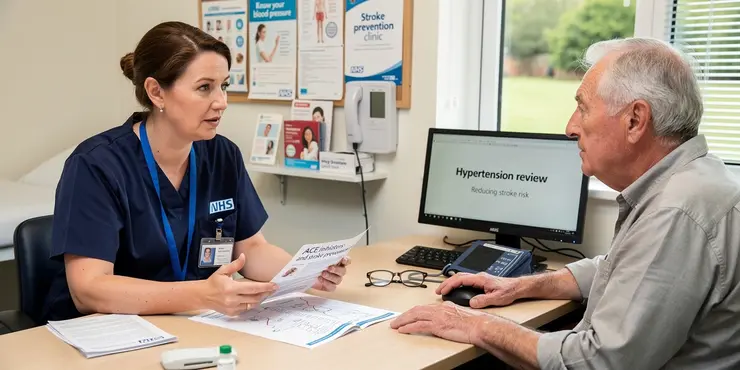
What role do ACE inhibitors play in stroke prevention?
Relevance: 45%
-

What is the role of lifestyle modification in heart attack and stroke prevention?
Relevance: 41%
-

NHS Forth Valley’s Stroke Team
Relevance: 41%
-
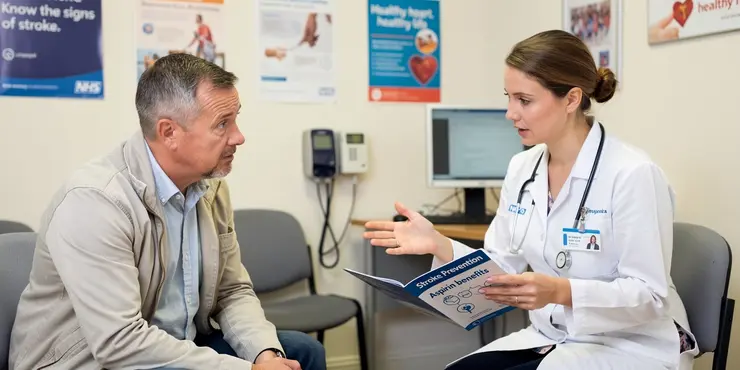
Can aspirin help in reducing the risk of strokes?
Relevance: 41%
-
NHS Here for You – Stroke
Relevance: 40%

-

Assessing the stroke patient
Relevance: 39%
-
Are anticoagulants effective in reducing stroke risk?
Relevance: 39%
-

When Stroke Strikes Act F.A.S.T. | NHS
Relevance: 38%
-

Vale Stroke Unit
Relevance: 38%
-

How can I find out if a urologist is up to date with medical advances?
Relevance: 35%
-

Stroke - Speech and Language Therapist's Experience
Relevance: 33%
-
Gaining consent from stroke patients
Relevance: 32%
-
What advancements have been made in understanding the bubonic plague?
Relevance: 31%
-
How is advanced prostate cancer treated?
Relevance: 26%
-
What advancements have been made in stoma bag technology?
Relevance: 26%
-
Has sewage pollution in the UK improved over recent years?
Relevance: 25%
-
Why is blood donation history important in preventing disease transmission?
Relevance: 24%
-

Can I reserve a burial plot in advance?
Relevance: 22%
-

Planning Your Funeral in Advance? | Expert Tips from Celebrants
Relevance: 22%
-

How can I advance my career as a primary care support worker?
Relevance: 22%
-

How can I check recent login activity on my social media accounts?
Relevance: 22%
-

Are EU medical facilities equipped with the latest technology?
Relevance: 22%
-

Can I reserve a plot in advance?
Relevance: 21%
-

When should one start taking medication for heart attack prevention?
Relevance: 21%
-
How can I check recent login activity on my email account?
Relevance: 21%
-

Universal Credit Adjustments: What Recent Changes Mean for Claimants
Relevance: 21%
-
What should I do if I'm considering aspirin for cancer prevention?
Relevance: 21%
-

Should I take any special precautions if I have a medical condition during a heatwave?
Relevance: 21%
-
How is blood screened to prevent disease transmission?
Relevance: 21%
-

Impacts of Recent Changes to Family Law Legislation
Relevance: 20%
-

Is aspirin recommended for everyone to prevent colorectal cancer?
Relevance: 20%
-

Can lifestyle changes reduce the need for medication for heart disease prevention?
Relevance: 20%
-

Can certain medical conditions prevent receiving blood transfusions?
Relevance: 20%
-
What dosage of aspirin is considered effective for cancer prevention?
Relevance: 20%
-
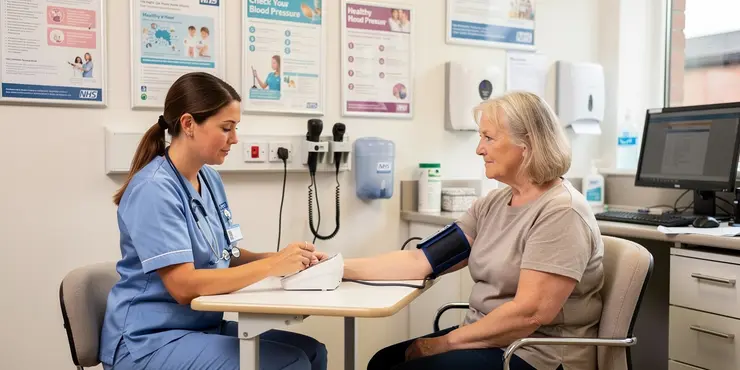
What are the risks of having high blood pressure?
Relevance: 20%
Introduction to Stroke Prevention Medicines
Stroke is a major cause of disability and death in the UK. Preventing strokes, especially among high-risk people, is a key focus for healthcare providers. Medications play an important role, alongside lifestyle changes, in reducing stroke risk.
Advancements in medicines are helping improve outcomes for people at risk of stroke. Let’s explore some recent developments in this area.
Newer Anticoagulation Options
Anticoagulants help prevent blood clots, a leading cause of strokes. For years, warfarin was the standard option. However, newer direct oral anticoagulants (DOACs), such as apixaban, rivaroxaban, and dabigatran, are now widely available.
DOACs offer several benefits, including fewer food and drug interactions. They also do not require frequent blood tests, making them more convenient for patients and GPs.
Personalised Medication Approaches
Personalised medicine is an emerging area in stroke prevention. Healthcare professionals are increasingly able to tailor medication choices based on individual risk factors, underlying conditions, and even genetic markers.
This approach may help reduce side effects and improve effectiveness. Ongoing research continues to refine how best to match patients with specific medications.
Statins and New Cholesterol-lowering Medicines
Statins have long been the first choice for lowering cholesterol and reducing stroke risk. Recently, additional medications, such as PCSK9 inhibitors (like evolocumab and alirocumab), have become available for those who cannot take statins or need further cholesterol reduction.
These newer medicines have been shown to further lower cholesterol levels and reduce strokes, especially among high-risk groups. In the UK, they are generally reserved for patients who do not respond to standard treatments.
Antiplatelet Therapies and Combination Treatments
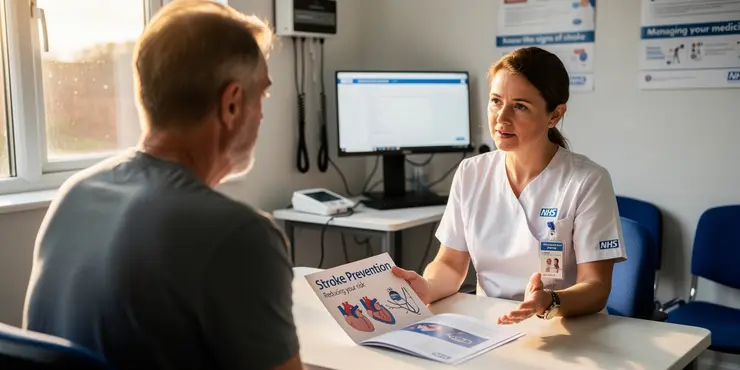
For some patients, especially those with certain heart or blood vessel conditions, antiplatelet medicines like clopidogrel and aspirin are key. Recently, research has evaluated using short-term combination antiplatelet therapy after minor strokes or high-risk warning events.
This approach can help lower the risk of another stroke during the highest risk period. However, careful monitoring is needed due to the increased risk of bleeding.
Looking Ahead
Ongoing trials are testing new medications and combinations to further prevent strokes. Advances in genetic testing and blood clot detection may lead to even more tailored prevention strategies in the future.
For now, patients in the UK benefit from a wider range of effective and safer medication options for stroke prevention than ever before. Consulting with a GP or specialist is the best way to determine the most suitable approach for each individual.
Introduction to Stroke Prevention Medicines
A stroke can make people very ill or even cause death. Many people in the UK have had a stroke, or are at risk of having one. Doctors and nurses want to help people avoid strokes. Medicines, along with healthy lifestyle changes, can help you lower your risk of stroke.
New medicines are helping more people stay healthy and avoid strokes. Let’s look at some of the latest news about these medicines.
Newer Anticoagulation Options
Anticoagulants are medicines that help stop blood clots from forming. Blood clots can block blood flow and cause a stroke. For a long time, people used a medicine called warfarin. Now, there are new medicines called DOACs. Examples are apixaban, rivaroxaban, and dabigatran.
These new medicines have some benefits. They are less likely to interact with foods and other medicines. Also, you do not need to have as many blood tests. This makes things easier for you and your doctor.
Personalised Medication Approaches
Doctors are now able to choose the best medicine for each person. They look at things like your health problems and your family history. Sometimes, they can also look at your genes to help decide.
This helps doctors pick a medicine that works best for you and causes fewer side effects. Scientists are still studying how to make this even better.
Statins and New Cholesterol-lowering Medicines
Statins are medicines that lower cholesterol and help prevent strokes. Some people cannot take statins or need extra help to lower their cholesterol. Now, there are new medicines called PCSK9 inhibitors. Names of these medicines are evolocumab and alirocumab.
These medicines help lower cholesterol even more and can help prevent strokes, especially in people at high risk. In the UK, these new medicines are usually only given if other treatments do not work.
Antiplatelet Therapies and Combination Treatments
Some people take antiplatelet medicines like clopidogrel and aspirin. These help stop platelets from sticking together and causing clots. New research shows that taking two of these medicines for a short time after a small stroke may help lower the chance of having another stroke.
This can be helpful during times when the risk is highest. Doctors need to check carefully because taking two medicines can also increase the risk of bleeding. Always talk to your doctor about what’s best for you.
Looking Ahead
Scientists are testing new medicines to prevent strokes. They are also finding new ways, like special blood tests and checking your genes, to choose the best treatment for you.
In the UK, people have more options than ever before to help prevent strokes. The best way to find the right medicine for you is to talk to your doctor or a specialist. They can explain your choices and help you stay as healthy as possible.
Helpful tip: If you find information about your medicines confusing, try using pictures or ask your doctor to write simple notes. You can also use talking apps or ask a friend or family member to help explain things to you.
Frequently Asked Questions
What are the most recent advancements in medications for stroke prevention?
Recent advancements include new oral anticoagulants, improved antiplatelet agents, and innovations in lipid-lowering medications.
Have there been any new oral anticoagulants developed for stroke prevention?
Yes, recent oral anticoagulants such as apixaban, rivaroxaban, and edoxaban have shown effectiveness and safety for stroke prevention in patients with atrial fibrillation.
Are there advancements in antiplatelet therapy for stroke prevention?
New options such as ticagrelor and combinations like aspirin plus clopidogrel have been studied for enhanced stroke prevention in certain patients.
What role do PCSK9 inhibitors play in recent stroke prevention efforts?
PCSK9 inhibitors are newer lipid-lowering agents that significantly reduce cholesterol levels and may lower stroke risk in high-risk patients.
How has dual antiplatelet therapy evolved for preventing strokes?
Short-term dual antiplatelet therapy has been found to be more beneficial for certain high-risk patients, reducing early recurrent stroke.
Are statins still recommended for stroke prevention?
Yes, statins remain a cornerstone, and newer, more potent statins or combination therapies are improving outcomes.
Are there any new medications for stroke prevention in patients with atrial fibrillation?
Direct oral anticoagulants like dabigatran, apixaban, rivaroxaban, and edoxaban are more recent options compared to warfarin.
Have any medications for stroke prevention recently been approved by regulatory authorities?
Several direct oral anticoagulants and PCSK9 inhibitors have received recent approvals for stroke risk reduction in certain populations.
Are there any advancements in medications for stroke prevention in diabetes patients?
Some cardiovascular medications for diabetes, such as SGLT2 inhibitors and GLP-1 receptor agonists, also confer stroke risk reductions.
Are new drug combinations being used for stroke prevention?
Yes, fixed-dose combination pills and short-term dual antiplatelet therapy are being explored for optimized stroke prevention.
How has aspirin use in stroke prevention changed with recent findings?
Aspirin is now more selectively used based on individual risk, and often combined with other agents in short-term regimens for higher efficacy in certain cases.
Are there new anticoagulants for patients who cannot take standard medications?
Alternative anticoagulants and lower-dose regimens have been studied for patients at high bleeding risk or with renal issues.
Is there ongoing research on neuroprotective medications for stroke prevention?
While some neuroprotective medications are being studied, most current advancements focus on risk factor management and vascular protection.
Do recent advancements include personalized or precision medicine approaches?
Yes, genetic and biomarker-guided therapies are being researched to tailor medications for more effective stroke prevention.
Are there any non-pharmacologic advancements that influence medication strategies for stroke prevention?
New diagnostic tools and risk stratification models help guide more precise medication use in stroke prevention.
How have guidelines changed in response to new stroke prevention medications?
Recent guidelines increasingly favor direct oral anticoagulants over warfarin and recommend individualized treatment plans.
Are novel oral anticoagulants safer than older options for stroke prevention?
Many new anticoagulants offer a lower risk of serious bleeding and do not require regular blood monitoring like warfarin.
Do new medications reduce the risk of recurrent stroke after a first event?
Yes, certain new antiplatelet and anticoagulant regimens have shown effectiveness in secondary stroke prevention.
Are there recent advancements in stroke prevention for patients with carotid artery disease?
Improved antiplatelet regimens and lipid-lowering therapies are being studied for patients with carotid artery disease to reduce stroke risk.
Is medication adherence improving with new stroke prevention drugs?
Simplified dosing schedules and fewer required blood tests with new medications have improved adherence among patients.
What are the newest medicines to help stop strokes?
Scientists are finding new medicines to help stop people from having strokes.
Some new medicines can help your blood move easily in your body.
They can also stop blood clots that can cause a stroke.
Doctors will tell you which medicine is best for you.
If you find it hard to understand, you can:
• Ask someone you trust to help you
• Use pictures or drawings to help explain
• Ask your doctor to use simple words
Some new medicines have been made to help keep your blood healthy. These include:
- New tablets to stop blood clots.
- Better medicines to stop blood cells from sticking together.
- New pills to lower fats in your blood.
Doctors and nurses can help explain which medicine is best for you. Using pictures, videos, or talking slowly can help you understand better.
Are there any new medicines you can take by mouth to help stop strokes?
Doctors now have some new medicines you can swallow to help stop strokes. These are called ‘oral anticoagulants’. They make your blood less likely to form dangerous clots.
If these words are hard, you can ask a family member or a carer to help you read or explain them. You can also use text-to-speech tools to help you understand.
If you think you might need these medicines, talk to your doctor or nurse. They can tell you more and help you decide what is best for you.
Yes, some new medicines that you swallow, like apixaban, rivaroxaban, and edoxaban, help stop strokes in people with a heart problem called atrial fibrillation. These medicines work well and are safe to use.
If you find it hard to remember to take your medicine, you can use a pill box or set a reminder on your phone. If you have questions, ask your doctor or a family member for help.
Have medicines to stop blood clots got better for people who have had a stroke?
Doctors use medicines to stop blood clots. These medicines can help stop strokes.
Scientists are always working to find new and better medicines.
If you want to know more, you can:
- Talk to your doctor or nurse.
- Ask a family member or friend to help read about new medicines.
- Use pictures or videos to learn about stroke and medicines.
Always talk to your doctor before changing any medicine.
Doctors have tried new medicines to help stop strokes. Some people take a medicine called ticagrelor. Others take two medicines together called aspirin and clopidogrel. These new choices might help some people have fewer strokes.
If you find medical words hard to read, try using a tablet or computer with text-to-speech tools. You can also ask someone you trust to help you understand your medicine choices.
How do PCSK9 inhibitors help prevent strokes?
PCSK9 inhibitors are a type of medicine. They help lower the amount of cholesterol in your blood. Too much cholesterol can block blood vessels. This can lead to a stroke.
Doctors give PCSK9 inhibitors to people who need help lowering their cholesterol. By lowering cholesterol, these medicines can help stop strokes from happening.
If you find this hard to read, you can:
- Ask someone you trust to read it with you.
- Use a text-to-speech tool to hear the words out loud.
- Highlight important words or phrases.
PCSK9 inhibitors are new medicines. They help lower cholesterol in your blood. This can help stop strokes in people who have a high risk. If you find this hard to understand, you can ask a doctor, use simple pictures, or ask someone you trust to help explain it.
How has dual antiplatelet therapy changed to help stop strokes?
Doctors give people medicine called "dual antiplatelet therapy" to help stop strokes. This means taking two types of medicine to stop blood clots.
Before, doctors gave only one type of medicine. Now, they use two because it works better for some people.
If you find medical words hard to understand, you can:
- Ask your doctor or nurse to explain things in simple words.
- Use pictures or diagrams to help you learn.
- Ask someone you trust to help you read or remember what you heard.
Taking two blood-thinning medicines for a short time can help people who have a higher risk of having a stroke. This treatment can lower the chance of having another stroke soon after the first one.
If you find this hard to remember or understand, you can:
- Ask your doctor or nurse to explain it using simple words.
- Use picture charts that show how the medicine helps.
- Set reminders to help you take your medicine at the right time.
- Ask someone you trust to help you with your medicine.
Do doctors still say people should take statins to help stop strokes?
Statins are medicines that help lower cholesterol.
Doctors often give statins to people to help prevent strokes.
If you are not sure about taking statins, talk to your doctor.
You can ask someone you trust to help you understand what the doctor says. You can also write down questions before you go.
To help you, you might like to use pictures, ask someone to explain the words, or to write things down in a way that helps you understand.
Yes, statins are still very important. Statins are medicines that help lower cholesterol. Newer, stronger statins and using two or more medicines together can help people feel better and stay healthy. If you find any of these words hard, you can ask someone you trust to help you understand or use a dictionary tool online.
Are there any new medicines to help stop strokes in people with atrial fibrillation?
Atrial fibrillation is a heart problem. It can make you more likely to have a stroke.
Some new medicines can help lower your risk of stroke. If you have atrial fibrillation, your doctor might talk to you about these medicines.
You can use simple tools to help you remember to take your medicine, like a pill box or an alarm on your phone. A friend, family member, or nurse can remind you, too.
If you do not understand, ask your doctor or nurse to explain in a way that is easy for you. You can also ask them to write it down for you.
Medicines called direct oral anticoagulants are new ways to prevent blood clots. These medicines have names like dabigatran, apixaban, rivaroxaban, and edoxaban. They are newer than an older medicine called warfarin.
If you find reading hard, you can use helpful tools, like reading software or asking someone to read with you.
Have any new stroke medicines been approved?
Has a new medicine been allowed to help stop strokes recently?
If you want to understand this question better, you can:
- Ask someone you trust to help you read it.
- Use a text-to-speech tool to listen to the question.
- Break the question into smaller parts if it is long.
Some new medicines have been approved to help lower the chance of having a stroke for some people. These medicines are called direct oral anticoagulants and PCSK9 inhibitors.
Speak to your doctor if you want to know more about these medicines and if they are right for you.
If you find reading hard, try using tools like text readers or ask someone you trust to help you understand.
Are there any new medicines to help stop strokes for people with diabetes?
Doctors are always looking for better medicines to help people with diabetes. Some new medicines can help stop strokes from happening.
If you want to know more, you can ask your doctor or nurse for help.
It might help to bring a friend or family member with you to appointments. You can also write down your questions or use pictures to help you understand.
Some medicines for diabetes can also help your heart. These medicines are called SGLT2 inhibitors and GLP-1 receptor agonists. They can lower your chances of having a stroke.
If you find it hard to remember medicine names, you can write them down or use a voice recorder. Ask your doctor or nurse to explain anything you do not understand.
Are doctors using new medicines together to stop strokes?
Doctors are looking for better ways to stop people from having strokes.
They are testing if mixing different medicines can help more.
If you find any words hard, ask someone you trust or use picture cards to help understand.
Using a computer or tablet can help read the words out loud.
Yes, doctors are looking at using pills that have more than one medicine in them. They are also studying if taking two blood-thinner medicines for a short time can help stop strokes.
How has aspirin use in stroke prevention changed with recent findings?
Doctors used to give people aspirin to help stop strokes. Recent research shows that aspirin might not help everyone. Now, doctors are more careful about who should take aspirin.
If you have questions, talk to your doctor or nurse. You can ask for information in easy words or pictures to help you understand. A family member or helper can come with you to appointments. Taking notes or using reminder apps on your phone can also help.
Doctors now use aspirin more carefully. They look at each person's health risk before giving aspirin. Sometimes, they give aspirin with other medicines for a short time. This can help some people better.
If you find reading hard, you can ask someone to help you. You can also use tools like a screen reader or make the text bigger on your device.
Are there new blood-thinning medicines for people who cannot take usual ones?
Some people cannot take the usual blood-thinning medicines. Doctors are making new medicines for these people. If you cannot take the normal blood-thinners, your doctor can talk to you about new options. You can ask your doctor or nurse what medicines are right for you.
You can use pictures or talk with someone you trust to help understand this. If you need help, you can ask a family member, friend, or carer to talk with the doctor with you.
Doctors have tried different blood-thinning medicines and lower doses for people who have a high risk of bleeding or have kidney problems.
Are scientists still studying medicines to help protect the brain and stop strokes?
Scientists are still looking for new medicines to help protect your brain and stop strokes from happening.
These medicines are called "neuroprotective medicines." They try to keep your brain safe.
If it is hard to remember big words, you can ask someone to help you, use pictures, or ask questions if you are not sure what something means.
Doctors are testing some new medicines to protect the brain, but most new ideas help people stay healthy in other ways. These include treating health problems and protecting blood vessels in your body.
Tip: Using reminders, pictures, or talking with someone you trust can help you understand this information better.
Are new medical treatments made just for each person?
Some new medical treatments are designed to work best for each person. This means doctors can choose the best treatment for you, based on your body and your needs.
If you find reading difficult, you can ask someone to help you. You could also use a text-to-speech tool that reads the words out loud.
Yes, doctors are looking at our genes and special body signs, called biomarkers, to find the best medicine for stopping strokes.
This means people may get medicine that works better for them.
If it is hard to remember your medicine or to go to appointments, you can ask someone for help. You can use reminder apps, calendars, or ask friends and family to help you remember.
Are there any new ways to help prevent strokes, besides using medicine?
Yes, there are some things people can do to help stop strokes that do not use medicine. These may include:
- Eating healthy foods, like fruits and vegetables
- Exercising, like going for walks
- Quitting smoking
- Keeping a healthy weight
- Managing stress
If you need help, you can ask a family member, a carer, or your doctor. You can also use pictures or simple checklists to remember what to do.
If you need more information, you can talk to your doctor or nurse. They can help you find the best ways to stay healthy.
New tests and tools help doctors choose the best medicine to stop strokes.
How have the rules changed for new stroke medicines?
Doctors have new medicines to help stop strokes. Because of these new medicines, the rules for doctors have changed. Now, doctors may give different tablets to help keep people safe from strokes.
If you want help to understand or remember the rules:
- Ask someone you trust to help explain the rules.
- Use pictures or videos to help you understand.
- Use a notebook to write down important information.
Doctors now often choose direct oral anticoagulants instead of warfarin. They also suggest that each person should have a treatment plan that fits their own needs.
If you find medical words hard to understand, ask your doctor or nurse to explain them in a simple way. You can also ask someone you trust to help you at your appointment. Writing things down or using pictures might help you remember important information.
Are new blood-thinning medicines safer than old ones for stopping strokes?
New blood-thinning medicines help stop blood clots that can cause strokes. Older medicines do this too.
Doctors are checking if the new medicines are safer than the old ones. Safer means fewer problems like bad bleeding.
If you need to know more, you can:
- Talk to your doctor or nurse
- Ask family or friends to help explain
- Use pictures or videos to understand medicines
Many new blood-thinning medicines are safer and cause less bleeding. You do not need to have your blood checked often when you take them, unlike warfarin.
If you find this information hard to understand, you can ask a friend, family member, or nurse to help. Using pictures or speaking the information out loud can also help you remember.
Can new medicines help stop another stroke after someone has had one?
Some people have a stroke and want to know if new medicines can help stop it from happening again.
Doctors sometimes give new medicines to lower the chance of having another stroke.
If you want to learn more, you can:
- Ask your doctor or nurse for help.
- Use pictures, videos, or simple books about stroke and medicine.
- Have a friend or family member with you to help understand.
Yes, some new medicines can help stop more strokes from happening.
Have doctors found new ways to stop strokes in people with carotid artery disease?
Doctors are always looking for better ways to help people stay healthy. Carotid artery disease is when the blood tubes in your neck get blocked. This can cause a stroke. Doctors now have new treatments and medicines to help stop strokes.
If you have carotid artery disease, talk to your doctor about these new ways to keep you safe. You can use pictures, simple words, or ask someone you trust to help you understand your options.
Doctors are trying new medicines to help people with carotid artery disease. These medicines help stop strokes. Some of the medicines stop blood clots, and others help lower fat in the blood, called cholesterol. If you have carotid artery disease, you can ask your doctor about these treatments.
It can help to use pictures, simple charts, or ask someone you trust to help you understand what the doctor says. Taking your medicine as the doctor tells you is very important. If you have questions, write them down and ask your healthcare team.
Are People Taking Their Stroke Medicines Properly With New Drugs?
Doctors have new medicines to help stop strokes. Are people remembering to take these new medicines the right way?
If you find it hard to remember your medicine, you can:
- Use a pill box to sort your pills.
- Set reminders on your phone or ask someone to help you remember.
- Talk to your doctor or nurse if you have questions.
New medicines are easier to take. People do not have to take them as many times each day. They also do not need as many blood tests. This helps people remember to take their medicine. You can use alarms or pill boxes to help you take your medicine on time.

Useful Links
This website offers general information and is not a substitute for professional advice.
Always seek guidance from qualified professionals.
If you have any medical concerns or need urgent help, contact a healthcare professional or emergency services immediately.
Some of this content was generated with AI assistance. We've done our best to keep it accurate, helpful, and human-friendly.
- Ergsy carefully checks the information in the videos we provide here.
- Videos shown by Youtube after a video has completed, have NOT been reviewed by ERGSY.
- To view, click the arrow in centre of video.
- Most of the videos you find here will have subtitles and/or closed captions available.
- You may need to turn these on, and choose your preferred language.
- Go to the video you'd like to watch.
- If closed captions (CC) are available, settings will be visible on the bottom right of the video player.
- To turn on Captions, click settings.
- To turn off Captions, click settings again.
More Items From Ergsy search
-
Are there any recent advancements in medications for stroke prevention?
Relevance: 100%
-
Do over-the-counter medications help in preventing heart attacks and strokes?
Relevance: 53%
-
Do all patients need medication to prevent heart attacks and strokes?
Relevance: 51%
-
What drugs can reduce the risk of heart-attack and strokes?
Relevance: 50%
-
Can antihypertensive medications reduce stroke risk?
Relevance: 46%
-
What role do ACE inhibitors play in stroke prevention?
Relevance: 45%
-
What is the role of lifestyle modification in heart attack and stroke prevention?
Relevance: 41%
-
NHS Forth Valley’s Stroke Team
Relevance: 41%
-
Can aspirin help in reducing the risk of strokes?
Relevance: 41%
-
NHS Here for You – Stroke
Relevance: 40%
-
Assessing the stroke patient
Relevance: 39%
-
Are anticoagulants effective in reducing stroke risk?
Relevance: 39%
-
When Stroke Strikes Act F.A.S.T. | NHS
Relevance: 38%
-
Vale Stroke Unit
Relevance: 38%
-
How can I find out if a urologist is up to date with medical advances?
Relevance: 35%
-
Stroke - Speech and Language Therapist's Experience
Relevance: 33%
-
Gaining consent from stroke patients
Relevance: 32%
-
What advancements have been made in understanding the bubonic plague?
Relevance: 31%
-
How is advanced prostate cancer treated?
Relevance: 26%
-
What advancements have been made in stoma bag technology?
Relevance: 26%
-
Has sewage pollution in the UK improved over recent years?
Relevance: 25%
-
Why is blood donation history important in preventing disease transmission?
Relevance: 24%
-
Can I reserve a burial plot in advance?
Relevance: 22%
-
Planning Your Funeral in Advance? | Expert Tips from Celebrants
Relevance: 22%
-
How can I advance my career as a primary care support worker?
Relevance: 22%
-
How can I check recent login activity on my social media accounts?
Relevance: 22%
-
Are EU medical facilities equipped with the latest technology?
Relevance: 22%
-
Can I reserve a plot in advance?
Relevance: 21%
-
When should one start taking medication for heart attack prevention?
Relevance: 21%
-
How can I check recent login activity on my email account?
Relevance: 21%
-
Universal Credit Adjustments: What Recent Changes Mean for Claimants
Relevance: 21%
-
What should I do if I'm considering aspirin for cancer prevention?
Relevance: 21%
-
Should I take any special precautions if I have a medical condition during a heatwave?
Relevance: 21%
-
How is blood screened to prevent disease transmission?
Relevance: 21%
-
Impacts of Recent Changes to Family Law Legislation
Relevance: 20%
-
Is aspirin recommended for everyone to prevent colorectal cancer?
Relevance: 20%
-
Can lifestyle changes reduce the need for medication for heart disease prevention?
Relevance: 20%
-
Can certain medical conditions prevent receiving blood transfusions?
Relevance: 20%
-
What dosage of aspirin is considered effective for cancer prevention?
Relevance: 20%
-
What are the risks of having high blood pressure?
Relevance: 20%