

Speak To An Expert
Get clear, personalised advice for your situation.
Jot down a few questions to make the most of your conversation.
More Items From Ergsy search
-

How can I find out if a urologist is up to date with medical advances?
Relevance: 100%
-
How do I choose a urologist?
Relevance: 68%
-
How do I know if a urologist uses modern treatments?
Relevance: 64%
-
What qualifications should I look for in a urologist?
Relevance: 64%
-
How important is board certification when choosing a urologist?
Relevance: 63%
-

Does hospital affiliation matter when selecting a urologist?
Relevance: 57%
-

How can I check a urologist's experience?
Relevance: 55%
-

Does gender matter when choosing a urologist?
Relevance: 55%
-

What is the most important factor when choosing a urologist?
Relevance: 54%
-

Should I consider a urologist's communication style?
Relevance: 53%

-

Should I choose a urologist based on my specific condition?
Relevance: 53%
-

Is it better to choose a urologist who is close to home?
Relevance: 52%
-

How do I know if a urologist is right for long-term care?
Relevance: 52%
-

What to expect when contacting a urologist for an appointment
Relevance: 51%
-

Can my primary care doctor help me choose a urologist?
Relevance: 50%
-

Should I get a second opinion before choosing a urologist?
Relevance: 49%
-

Should I look for a urologist who works with a care team?
Relevance: 49%
-

How can I tell if a urologist accepts my insurance?
Relevance: 48%
-

What role does surgery experience play in choosing a urologist?
Relevance: 46%
-

How do patient reviews help when choosing a urologist?
Relevance: 46%
-

Are there any recent advancements in medications for stroke prevention?
Relevance: 46%
-

How can I advance my career as a primary care support worker?
Relevance: 43%
-

Are EU medical facilities equipped with the latest technology?
Relevance: 37%
-
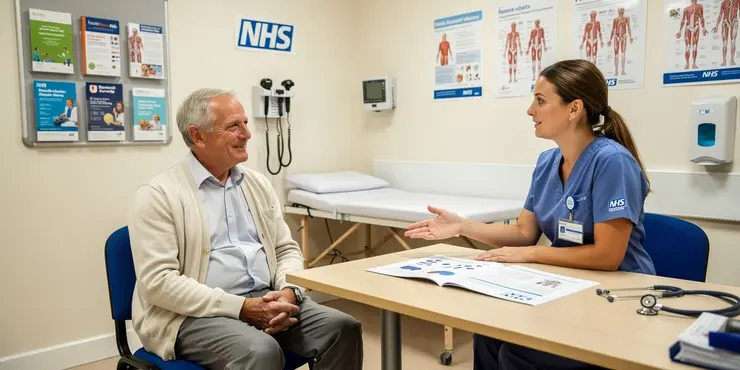
How is advanced prostate cancer treated?
Relevance: 35%
-
How long should I stay in Turkey for my hair transplant?
Relevance: 35%
-

Can I reserve a burial plot in advance?
Relevance: 32%
-

Your stay on the Intensive Care Unit at North Bristol NHS Trust
Relevance: 32%
-

Can I reserve a plot in advance?
Relevance: 31%
-

What should I do if I am unsatisfied with my current energy supplier?
Relevance: 31%
-

How do community helpers stay updated on best practices?
Relevance: 30%
-

How long will I stay in hospital after a C-section?
Relevance: 30%
-
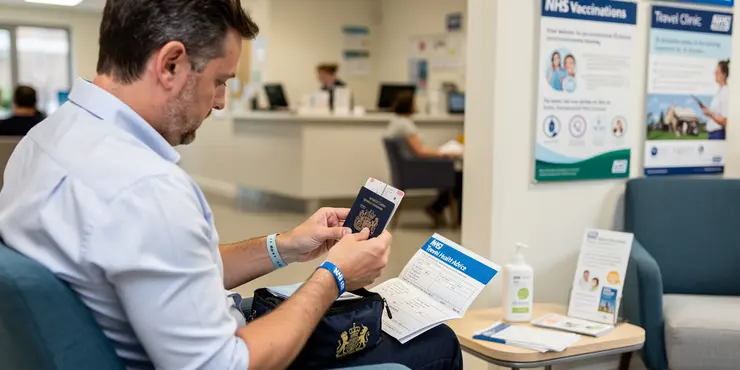
Do I need a visa to travel to an EU country for medical treatment?
Relevance: 29%
-

Can I travel to EU countries for medical treatment?
Relevance: 28%
-
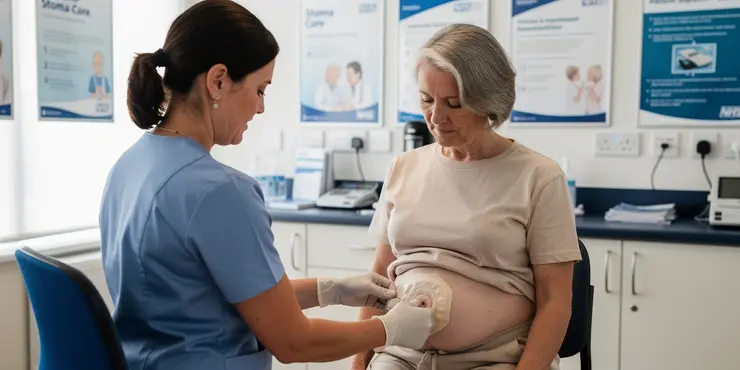
What advancements have been made in stoma bag technology?
Relevance: 28%
-

Is it better to stay in a relationship for the sake of not being alone?
Relevance: 27%
-

How to stay cool during a heatwave
Relevance: 27%
-

What happens if I stay beyond the eviction deadline?
Relevance: 27%
-

Planning Your Funeral in Advance? | Expert Tips from Celebrants
Relevance: 27%
-
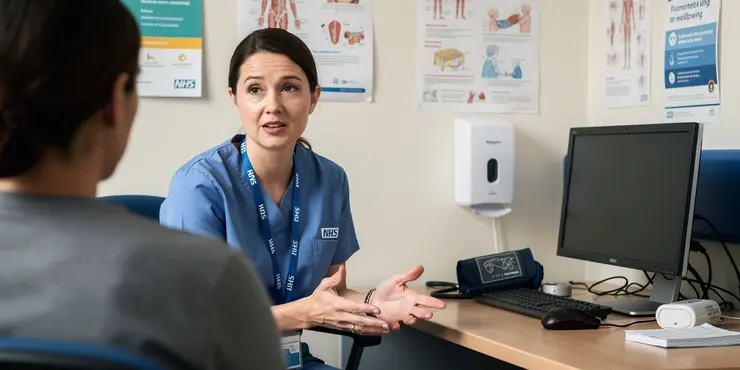
What advancements have been made in understanding the bubonic plague?
Relevance: 27%
-

Can I travel to EU countries for medical treatment?
Relevance: 26%
Check their professional registration and specialist training
In the UK, a good first step is to check whether the urologist is registered with the General Medical Council (GMC). The GMC register confirms that they are licensed to practise medicine and helps you verify their qualifications.
You can also look for evidence of specialist training in urology. Many consultants will list memberships or fellowships with organisations such as the Royal College of Surgeons or the British Association of Urological Surgeons (BAUS).
Look for evidence of ongoing professional development
Medical knowledge changes quickly, so a current urologist should be keeping up with new treatments and techniques. One sign of this is regular attendance at conferences, courses, and training events.
Some doctors mention continuing professional development, or CPD, on their practice profile or hospital biography. While this does not guarantee expertise in every area, it shows they are expected to keep learning throughout their career.
Ask specific questions at your appointment
You can learn a lot by asking how the urologist approaches current treatment options. For example, you might ask whether they offer minimally invasive surgery, robotic procedures, or newer medicines where appropriate.
A well-informed specialist should be able to explain the benefits, risks, and alternatives clearly. They should also be comfortable discussing why a particular treatment is recommended for your situation.
Check whether they work in a modern NHS or private setting
Urologists who work in larger NHS hospitals or specialist centres may have easier access to updated equipment and multidisciplinary teams. That can be useful when you need complex investigation or treatment.
However, the setting alone does not tell you everything. Some excellent clinicians work in smaller practices, so it is still worth checking their experience, training, and willingness to use evidence-based treatments.
Read patient information and online profiles carefully
Hospital websites, consultant directories, and private clinic profiles often give useful clues. Look for details about special interests, research involvement, published work, or areas such as prostate disease, urinary stones, or bladder conditions.
Recent publications or involvement in clinical trials can suggest that a urologist is engaged with new developments. Patient reviews may also help, but they should be considered alongside more reliable information such as qualifications and hospital affiliations.
Trust how they communicate with you
A urologist who is up to date should explain current guidance in a clear and balanced way. They should be open to questions and happy to discuss different options, including whether a newer treatment is suitable for you.
If they seem dismissive, rely on outdated language, or cannot explain why a treatment is recommended, that may be a concern. It is always reasonable to seek a second opinion if you are unsure.
Frequently Asked Questions
How can I tell if a urologist stays current with medical advances?
Check whether the urologist regularly attends professional conferences, completes continuing medical education, publishes research, or discusses newer treatments and guidelines in a clear, up-to-date way.
Should I ask a urologist about recent guideline changes?
Yes. Asking how they apply the latest guidelines from major medical organizations can help you see whether they keep up with current standards of care.
What certifications or memberships suggest a urologist is current?
Board certification, recertification, and membership in professional societies such as the American Urological Association can indicate an ongoing commitment to current knowledge.
Does a urologist's involvement in research matter?
It can. Urologists who participate in clinical research or academic medicine are often more exposed to new evidence, treatments, and technologies.
How important is continuing medical education for a urologist?
Very important. Continuing medical education helps doctors stay informed about new procedures, medications, devices, and updated clinical recommendations.
Can hospital affiliations tell me if a urologist is up to date?
Sometimes. Urologists affiliated with teaching hospitals, academic centers, or large health systems may have greater access to training, specialty collaboration, and new developments.
What should I ask during a consultation to judge their knowledge of advances?
Ask what treatment options they recommend, whether there are newer alternatives, what evidence supports their choice, and how they stay informed about emerging therapies.
How can I know if a urologist offers modern treatment options?
Look for whether they provide minimally invasive procedures, robotic surgery, advanced stone treatments, newer cancer therapies, and other current options relevant to your condition.
Is it helpful to check whether they publish articles or speak at conferences?
Yes. Publishing, lecturing, or presenting at conferences often suggests active engagement with new research and professional education.
Should I look at their website or profile for signs of current practice?
Yes. A professional profile may mention specialties, recent training, research interests, advanced procedures, or affiliations that reflect current practice.
Can patient reviews tell me if a urologist is current with advances?
Indirectly, yes. Reviews may mention modern treatments, clear explanations of options, and comfort with newer procedures, but they should not be your only source.
What role do second opinions play in assessing a urologist?
A second opinion can help you compare whether different urologists recommend evidence-based and up-to-date approaches for your condition.
Should I ask how often they treat my specific condition?
Yes. Doctors who frequently manage your condition are more likely to know the latest best practices, especially if they handle complex or specialized cases.
Does a urologist who uses newer technology always mean they are better?
Not always. New technology is only helpful if it is evidence-based, appropriate for your situation, and used by a skilled clinician.
How can I verify a urologist's board certification?
You can check state medical board websites, the American Board of Urology, or hospital directories to confirm certification and whether it is active.
What if the urologist seems unfamiliar with recent treatments?
You may want to ask for clarification, request a referral to a subspecialist, or seek a second opinion from someone with experience in newer approaches.
Do academic titles mean a urologist is more up to date?
Not necessarily, but academic urologists often stay closely connected to current research and teaching. Still, practical experience and communication matter too.
How can I tell if a urologist follows evidence-based medicine?
Ask how they decide between options, whether they rely on current guidelines and studies, and how they balance benefits, risks, and your preferences.
Should I trust a urologist who explains multiple treatment options?
Generally yes. A doctor who explains several evidence-based choices, including newer and established options, often demonstrates current knowledge and shared decision-making.
What is the best overall way to find out if a urologist is up to date?
Combine several checks: confirm board status, review professional affiliations, ask about recent education and guidelines, and pay attention to how well they discuss current treatment options.

Useful Linksxxx
This website offers general information and is not a substitute for professional advice.
Always seek guidance from qualified professionals.
If you have any medical concerns or need urgent help, contact a healthcare professional or emergency services immediately.
Some of this content was generated with AI assistance. We've done our best to keep it accurate, helpful, and human-friendly.
- Ergsy carefully checks the information in the videos we provide here.
- Videos shown by Youtube after a video has completed, have NOT been reviewed by ERGSY.
- To view, click the arrow in centre of video.
- Most of the videos you find here will have subtitles and/or closed captions available.
- You may need to turn these on, and choose your preferred language.
- Go to the video you'd like to watch.
- If closed captions (CC) are available, settings will be visible on the bottom right of the video player.
- To turn on Captions, click settings.
- To turn off Captions, click settings again.
More Items From Ergsy search
-
How can I find out if a urologist is up to date with medical advances?
Relevance: 100%
-
How do I choose a urologist?
Relevance: 68%
-
How do I know if a urologist uses modern treatments?
Relevance: 64%
-
What qualifications should I look for in a urologist?
Relevance: 64%
-
How important is board certification when choosing a urologist?
Relevance: 63%
-
Does hospital affiliation matter when selecting a urologist?
Relevance: 57%
-
How can I check a urologist's experience?
Relevance: 55%
-
Does gender matter when choosing a urologist?
Relevance: 55%
-
What is the most important factor when choosing a urologist?
Relevance: 54%
-
Should I consider a urologist's communication style?
Relevance: 53%
-
Should I choose a urologist based on my specific condition?
Relevance: 53%
-
Is it better to choose a urologist who is close to home?
Relevance: 52%
-
How do I know if a urologist is right for long-term care?
Relevance: 52%
-
What to expect when contacting a urologist for an appointment
Relevance: 51%
-
Can my primary care doctor help me choose a urologist?
Relevance: 50%
-
Should I get a second opinion before choosing a urologist?
Relevance: 49%
-
Should I look for a urologist who works with a care team?
Relevance: 49%
-
How can I tell if a urologist accepts my insurance?
Relevance: 48%
-
What role does surgery experience play in choosing a urologist?
Relevance: 46%
-
How do patient reviews help when choosing a urologist?
Relevance: 46%
-
Are there any recent advancements in medications for stroke prevention?
Relevance: 46%
-
How can I advance my career as a primary care support worker?
Relevance: 43%
-
Are EU medical facilities equipped with the latest technology?
Relevance: 37%
-
How is advanced prostate cancer treated?
Relevance: 35%
-
How long should I stay in Turkey for my hair transplant?
Relevance: 35%
-
Can I reserve a burial plot in advance?
Relevance: 32%
-
Your stay on the Intensive Care Unit at North Bristol NHS Trust
Relevance: 32%
-
Can I reserve a plot in advance?
Relevance: 31%
-
What should I do if I am unsatisfied with my current energy supplier?
Relevance: 31%
-
How do community helpers stay updated on best practices?
Relevance: 30%
-
How long will I stay in hospital after a C-section?
Relevance: 30%
-
Do I need a visa to travel to an EU country for medical treatment?
Relevance: 29%
-
Can I travel to EU countries for medical treatment?
Relevance: 28%
-
What advancements have been made in stoma bag technology?
Relevance: 28%
-
Is it better to stay in a relationship for the sake of not being alone?
Relevance: 27%
-
How to stay cool during a heatwave
Relevance: 27%
-
What happens if I stay beyond the eviction deadline?
Relevance: 27%
-
Planning Your Funeral in Advance? | Expert Tips from Celebrants
Relevance: 27%
-
What advancements have been made in understanding the bubonic plague?
Relevance: 27%
-
Can I travel to EU countries for medical treatment?
Relevance: 26%