
Get Answers
Introduction
Prostate cancer is a significant health concern, particularly among men over the age of 50. In the UK, it remains one of the most commonly diagnosed cancers. While treatment options are available, prevention and risk reduction through dietary choices can be beneficial. Certain vegetables may play a role in reducing the risk of prostate cancer or supporting overall prostate health.
Cruciferous Vegetables
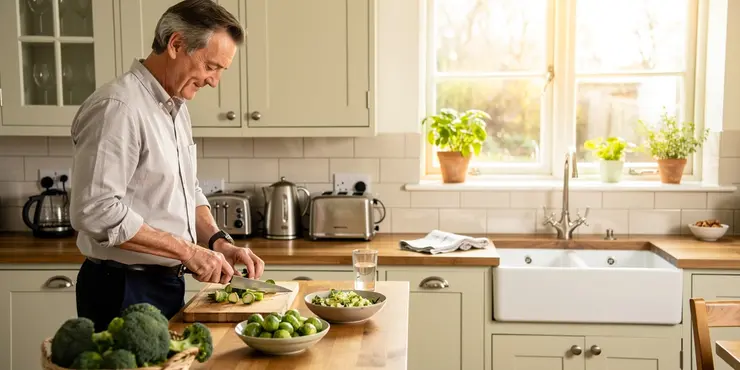
Cruciferous vegetables, which include broccoli, Brussels sprouts, cauliflower, and kale, are believed to have powerful cancer-fighting properties. These vegetables are rich in glucosinolates, compounds that, when broken down, form biologically active compounds like indoles and isothiocyanates. Studies suggest that these compounds may lower the risk of prostate cancer by enhancing the elimination of carcinogens and reducing inflammation.
Tomatoes and Lycopene
Tomatoes are another vegetable that has been studied extensively for its potential protective effects against prostate cancer. Tomatoes are a rich source of lycopene, a powerful antioxidant that gives tomatoes their red color. Research indicates that lycopene may help prevent prostate cancer by protecting cells from damage, improving immune function, and reducing the growth of cancerous cells. Cooking tomatoes may increase the bioavailability of lycopene, making cooked tomato products like sauces and soups particularly beneficial.
Allium Vegetables
Allium vegetables, such as garlic, onions, and leeks, are known for their potential anti-cancer properties. These vegetables contain organosulfur compounds, which might contribute to cancer prevention by detoxifying carcinogens, halting the growth of cancerous cells, and reducing the risk of prostate cancer. Regular consumption of allium vegetables may also support general health and immunity.
Green Leafy Vegetables
Spinach, Swiss chard, and other green leafy vegetables contain high levels of vitamins, minerals, and antioxidants. In particular, they are rich in lutein and zeaxanthin, which are antioxidants that may protect against cancer. While the direct impact of green leafy vegetables on prostate cancer needs more research, their role in supporting a healthy diet and reducing inflammation is well-supported.
Conclusion
Incorporating a variety of these vegetables into your diet could contribute to a lower risk of prostate cancer. While no single food can prevent or cure cancer, a balanced diet rich in these vegetables, along with a healthy lifestyle, may support prostate health and reduce cancer risk. Regular screenings and consultations with healthcare professionals remain essential for early detection and prevention strategies.
Introduction
Prostate cancer is a common health problem, especially for men over 50. In the UK, it's one of the most found cancers. There are ways to treat it, but eating the right foods can help prevent it. Eating some vegetables might lower the risk of getting prostate cancer and help keep the prostate healthy.
Cruciferous Vegetables
Cruciferous vegetables like broccoli, Brussels sprouts, cauliflower, and kale are good for fighting cancer. They have special things called glucosinolates, which can turn into helpful compounds like indoles and isothiocyanates. These can help reduce the risk of prostate cancer by getting rid of harmful stuff and lowering swelling in the body.
Tomatoes and Lycopene
Tomatoes are also good for helping protect against prostate cancer. They have lycopene, an antioxidant that makes them red. Lycopene might help stop prostate cancer by keeping cells safe, boosting the immune system, and slowing down cancer cell growth. Cooking tomatoes can make lycopene easier to use, so eating tomato sauces and soups can be very good for you.
Allium Vegetables
Allium vegetables like garlic, onions, and leeks might help fight cancer too. They have organosulfur compounds that can help protect against cancer by cleaning out harmful substances, stopping cancer cells from growing, and cutting down the risk of prostate cancer. Eating these vegetables can also help you stay healthy and strong.
Green Leafy Vegetables
Spinach, Swiss chard, and other leafy greens have lots of important vitamins, minerals, and antioxidants. They are rich in lutein and zeaxanthin, antioxidants that might protect against cancer. More studies are needed about their effect on prostate cancer, but they help keep you healthy and reduce swelling.
Conclusion
Eating these vegetables regularly might help lower the risk of prostate cancer. Even though no single food can stop or cure cancer, having a healthy diet with these veggies and leading a healthy lifestyle can support prostate health and lower cancer risks. Don't forget to go for regular check-ups and talk to healthcare professionals for early detection and prevention.
Frequently Asked Questions
Vegetables such as tomatoes, broccoli, cabbage, cauliflower, and Brussels sprouts have been studied for their potential benefits against prostate cancer.
Tomatoes are rich in lycopene, an antioxidant that may help reduce the risk of prostate cancer by protecting cells from damage.
Cruciferous vegetables like broccoli and kale contain sulforaphane, a compound that may have anti-cancer properties and help reduce cancer risk.
Garlic contains organosulfur compounds, which have been studied for their ability to prevent cancer by inducing cell death in cancer cells.
Spinach is high in antioxidants such as lutein and zeaxanthin, which may help protect against cancer by reducing oxidative stress.
A high-fiber diet, often rich in vegetables, may help lower prostate cancer risk by improving insulin sensitivity and reducing inflammation.
Carrots are rich in beta-carotene and other carotenoids, which have antioxidant properties that may help reduce cancer risk.
Soy products contain isoflavones, which have been studied for their potential role in reducing prostate cancer risk by affecting hormone levels.
Onions contain antioxidants and compounds like quercetin that could have protective effects against cancer.
Yes, a varied diet rich in different vegetables can provide a wide range of beneficial compounds that may help lower cancer risk.
The Mediterranean diet, high in vegetables and healthy fats, has been associated with a lower risk of various cancers, including prostate cancer.
Cooking methods like steaming or roasting can help retain or even enhance the bioavailability of certain cancer-fighting compounds in vegetables.
Yes, a healthy lifestyle including regular exercise, weight management, and avoiding smoking can enhance the protective effects of a vegetable-rich diet.
Consuming at least 5 servings of fruits and vegetables each day is generally recommended for overall health and may support prostate health.
Antioxidants neutralize free radicals, reducing oxidative stress and potentially lowering the risk of cell mutations that can lead to cancer.
Phytochemicals are bioactive compounds in plants that may have cancer-preventive properties, including anti-inflammatory and antioxidant effects.
Bell peppers are high in vitamin C and antioxidants, which may help protect against cancer by supporting the immune system and reducing inflammation.
While most vegetables are beneficial, individuals should avoid excessive consumption of nitrate-rich vegetables if they have concerns about prostate health, as nitrates can be converted to potentially harmful compounds in the body.
Although not a vegetable, green tea contains catechins, which have been studied for their potential role in reducing prostate cancer risk.
A balanced diet, including a variety of vegetables, provides essential nutrients and compounds that may work synergistically to reduce cancer risk and support overall health.
Some vegetables might help protect against prostate cancer. These vegetables are tomatoes, broccoli, cabbage, cauliflower, and Brussels sprouts.
Tomatoes are good for you. They have something called lycopene. Lycopene can help keep your cells safe and might lower the chance of getting prostate cancer.
Broccoli and kale are vegetables that can help keep you healthy. They have something called sulforaphane, which might help stop cancer and make you less likely to get it.
Garlic has special stuff inside called organosulfur compounds. These can help stop cancer by making cancer cells die.
Spinach is full of good things called antioxidants. Two important ones are lutein and zeaxanthin. These can help keep us healthy and protect us from getting cancer. They do this by stopping damage in our bodies.
Eating foods with lots of fiber, like vegetables, can help lower the chance of getting prostate cancer. Fiber helps the body use insulin better and can lower swelling in the body.
Carrots are good for you because they have beta-carotene and other special things called carotenoids. These can help protect your body and might lower the chance of getting cancer.
Soy foods have something called isoflavones. Scientists think isoflavones might help lower the risk of getting prostate cancer. They do this by changing hormone levels in the body.
Onions have special stuff inside them that might help protect us from cancer. These special things are called antioxidants and quercetin.
Eating lots of different vegetables is good for you. It can help lower the chance of getting cancer. Try to eat many types of vegetables to stay healthy.
Tip: Ask someone to help you plan your meals. You can also use colorful charts to remember which vegetables to eat each day.
The Mediterranean diet is good for you. It has a lot of vegetables and healthy fats. Eating this way might help keep you safe from some types of cancer, like prostate cancer.
Cooking vegetables by steaming or roasting can help keep or even increase the good things in them that fight cancer.
Yes, living healthy can help. This means moving your body, staying at a good weight, and not smoking. It can make eating lots of veggies even better for you.
It's good for your health to eat at least 5 servings of fruits and vegetables every day. This can help keep your prostate healthy too.
Antioxidants are good for our body. They help stop bad things called free radicals. This can help keep our cells safe and may stop cancer from starting.
If you find this hard to understand, you can try tools like text-to-speech apps. They read words out loud for you and can make it easier to understand.
Phytochemicals are special natural things in plants. They might help stop cancer. They can reduce swelling and protect cells from damage.
Bell peppers have a lot of vitamin C and other good stuff called antioxidants. These help your body stay strong and healthy. They may also help you not get sick with cancer by making your immune system better and stopping swelling in your body.
If you find it hard to read, you can try using a tool that reads the text out loud for you. It might also help to use a ruler or your finger to keep your place while you read.
Most vegetables are good for you. But if you are worried about your prostate, don't eat too many vegetables with lots of nitrates. Nitrates can change into things that might not be good for your body.
Green tea can be good for you. It has something called catechins. These might help lower the chance of getting prostate cancer.
Eating different kinds of vegetables is good for you. It gives your body important things it needs. This can help you stay healthy and strong. Eating vegetables can also help protect you from getting sick, like cancer.
Here are some tips to make it easier:
- Try eating different colors of vegetables. Each color can help your body in different ways.
- Ask someone in your family or a friend to help you try new vegetables.
- You can use pictures or videos to learn more about vegetables and how they help your body.

Ergsy Search Results
This website offers general information and is not a substitute for professional advice.
Always seek guidance from qualified professionals.
If you have any medical concerns or need urgent help, contact a healthcare professional or emergency services immediately.
Some of this content was generated with AI assistance. We've done our best to keep it accurate, helpful, and human-friendly.
- Ergsy carefully checks the information in the videos we provide here.
- Videos shown by Youtube after a video has completed, have NOT been reviewed by ERGSY.
- To view, click the arrow in centre of video.
- Most of the videos you find here will have subtitles and/or closed captions available.
- You may need to turn these on, and choose your preferred language.
- Go to the video you'd like to watch.
- If closed captions (CC) are available, settings will be visible on the bottom right of the video player.
- To turn on Captions, click settings.
- To turn off Captions, click settings again.