

Speak To An Expert
Get clear, personalised advice for your situation.
Jot down a few questions to make the most of your conversation.
More Items From Ergsy search
-

Can Hantavirus spread from person to person?
Relevance: 100%
-

What is Hantavirus?
Relevance: 70%
-

Is Hantavirus common in humans?
Relevance: 65%
-

Which animals carry Hantavirus?
Relevance: 64%
-

Why is Hantavirus a concern in public health?
Relevance: 63%
-

Are there vaccines for Hantavirus?
Relevance: 60%
-

Where is Hantavirus found?
Relevance: 59%
-

Is there a cure for Hantavirus?
Relevance: 59%
-

How is Hantavirus diagnosed?
Relevance: 57%
-

How is Hantavirus treated?
Relevance: 56%

-

How serious is Hantavirus disease?
Relevance: 56%
-

What illness does Hantavirus cause?
Relevance: 56%
-

Can Hantavirus be prevented?
Relevance: 53%
-

What are the early symptoms of Hantavirus infection?
Relevance: 52%
-

Can pets bring Hantavirus into the home?
Relevance: 52%
-

How do people get infected with Hantavirus?
Relevance: 52%
-

When should someone seek medical help for possible Hantavirus?
Relevance: 48%
-
Are new variants more transmissible?
Relevance: 42%
-

Who is at higher risk of Hantavirus infection?
Relevance: 41%
-
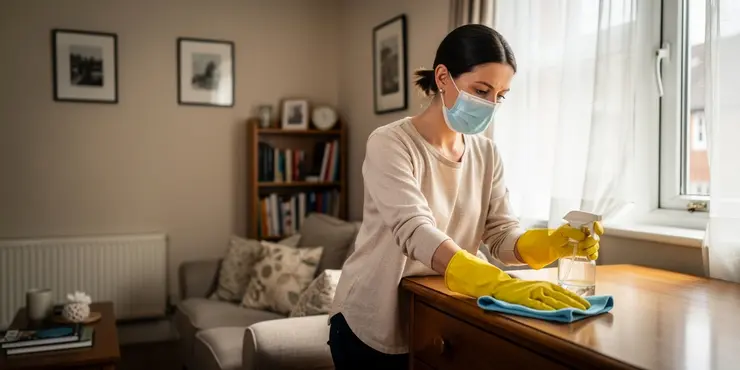
How can I lower my risk of Hantavirus in my home?
Relevance: 40%
-

Can Zika virus be spread from person to person in the UK?
Relevance: 39%
-

How is Nipah Virus transmitted?
Relevance: 38%
-

Can Nipah Virus be transmitted from person to person?
Relevance: 38%
-

How is the bubonic plague transmitted?
Relevance: 35%
-

Is the bubonic plague contagious between humans?
Relevance: 35%
-

What role do fruit bats play in Nipah Virus transmission?
Relevance: 34%
-

How is blood screened to prevent disease transmission?
Relevance: 32%
-

What measures are taken to prevent disease transmission in blood transfusions?
Relevance: 31%
-

How is Rubella transmitted?
Relevance: 28%
-

Is malaria still a concern for blood transfusion safety?
Relevance: 27%
-

Can Chikungunya be transmitted from person to person?
Relevance: 26%
-

Why are Nipah Virus outbreaks considered a public health concern?
Relevance: 24%
-

Why is blood donation history important in preventing disease transmission?
Relevance: 24%
-

Is there a cure for Nipah Virus?
Relevance: 22%
-

How is HIV transmitted?
Relevance: 22%
-

Why do some variants spread more easily?
Relevance: 22%
-
How is Chikungunya virus transmitted?
Relevance: 22%
-

Can Dengue fever be transmitted through blood transfusions?
Relevance: 21%
-

How is the Zika virus transmitted?
Relevance: 21%
-

How is H3N2 transmitted?
Relevance: 21%
Can hantavirus spread from person to person?
In most cases, hantavirus does not spread from person to person. People usually catch it by breathing in particles from the urine, droppings, or saliva of infected rodents, such as mice or rats.
This means the main risk is environmental, not direct contact with another infected person. For most UK readers, the chance of catching hantavirus from another person is extremely low.
How hantavirus is usually caught
Hantavirus can be passed on when contaminated dust is stirred up during cleaning, gardening, or handling rodent nests. If the particles are inhaled, infection can occur.
It can also spread if someone touches contaminated surfaces and then touches their mouth, nose, or eyes. Rodent bites are less common, but they can also transmit infection.
What about person-to-person spread?
Person-to-person spread is very rare and is not considered a typical route of infection. The main exception has involved certain hantaviruses in specific parts of the world, especially in South America.
Even then, this kind of spread is unusual and has not been a major concern in the UK. Most cases are linked to exposure to infected rodents rather than close contact with an ill person.
What this means in the UK
In the UK, hantavirus infection is uncommon. When it does happen, it is usually associated with contact with rodent droppings or urine in places such as sheds, garages, or barns.
Because person-to-person transmission is not the usual pattern, everyday contact with someone who is unwell is not generally seen as a significant risk. The focus is usually on avoiding rodent exposure.
How to reduce your risk
Keep food sealed and stored properly to avoid attracting rodents. If you need to clean an area where mice or rats may have been present, avoid sweeping or vacuuming dry droppings, as this can stir up dust.
Instead, ventilate the area, use disinfectant, and wear gloves where appropriate. If you think you have had significant exposure and develop fever, muscle aches, or breathing problems, seek medical advice promptly.
When to get medical help
Early symptoms of hantavirus can look like flu, including fever, tiredness, and muscle pain. In some cases, it can become serious and affect breathing or the kidneys, depending on the type of virus involved.
If you have been around rodents or their droppings and feel unwell, contact a GP or NHS 111 for advice. Tell them about any possible rodent exposure so they can assess your risk properly.
Frequently Asked Questions
Can Hantavirus spread from person to person?
In most cases, no. Hantavirus is usually spread from infected rodents to people, not from one person to another.
Has person-to-person spread of Hantavirus ever been reported?
Yes, but it is very rare and has been documented mainly with a specific South American strain called Andes virus.
Which Hantavirus is known for possible person-to-person spread?
Andes virus is the main Hantavirus that has shown evidence of person-to-person transmission.
How does Hantavirus usually spread?
People usually get Hantavirus by breathing in dust contaminated with rodent urine, droppings, or saliva.
Can I catch Hantavirus from hugging someone who is infected?
For the common North American Hantaviruses, person-to-person spread is not expected. For Andes virus, close contact may increase risk, but this is uncommon.
Is Hantavirus contagious like a cold or flu?
No. The common forms of Hantavirus are not spread the same way as cold or flu viruses.
Should I isolate a person with Hantavirus?
Follow the guidance of healthcare professionals and public health authorities. Routine isolation is not usually needed for the common Hantaviruses, but special precautions may apply in rare Andes virus cases.
Can Hantavirus spread through coughing or sneezing from person to person?
Ordinarily, no. Person-to-person spread through respiratory droplets is not considered a typical route for Hantavirus, except rare reports with Andes virus.
Can family members catch Hantavirus from an infected relative?
Usually no. The main risk for family members is exposure to rodents or rodent-contaminated environments, not the infected person.
Can Hantavirus spread through touch or casual contact?
For most Hantaviruses, casual contact does not spread the virus between people.
What is the main source of Hantavirus infection?
The main source is contact with infected rodents or their droppings, urine, or saliva, especially when these are disturbed and become airborne.
Are healthcare workers at risk of person-to-person Hantavirus spread?
Routine person-to-person spread is not a major concern for most Hantaviruses. Standard infection control practices are still important when caring for suspected cases.
Can Hantavirus spread through blood?
Blood is not considered a common route of spread between people for Hantavirus.
Can Hantavirus spread through sexual contact?
There is no common evidence that Hantavirus spreads through sexual contact.
Can Hantavirus spread through sharing food or drinks?
No. Sharing food or drinks is not a known route of Hantavirus spread between people.
Why do people ask if Hantavirus spreads from person to person?
Because some viral diseases do spread between people, and a few rare Hantavirus cases, especially Andes virus, have raised concern about close-contact spread.
How can I protect myself from Hantavirus?
Avoid contact with rodents and their droppings, seal homes against rodents, and clean contaminated areas safely using proper precautions.
If someone has Hantavirus, should I worry about casual public contact?
For most Hantaviruses, casual public contact is not considered a typical risk for spread between people.
Does person-to-person spread mean Hantavirus is common in communities?
No. Even where rare person-to-person spread has been reported, Hantavirus remains uncommon and is mainly linked to rodent exposure.
What should I do if I think I was exposed to Hantavirus?
Contact a healthcare professional right away, especially if you have symptoms like fever, muscle aches, or trouble breathing, and avoid further rodent exposure.

Useful Linksxxx
This website offers general information and is not a substitute for professional advice.
Always seek guidance from qualified professionals.
If you have any medical concerns or need urgent help, contact a healthcare professional or emergency services immediately.
Some of this content was generated with AI assistance. We've done our best to keep it accurate, helpful, and human-friendly.
- Ergsy carefully checks the information in the videos we provide here.
- Videos shown by Youtube after a video has completed, have NOT been reviewed by ERGSY.
- To view, click the arrow in centre of video.
- Most of the videos you find here will have subtitles and/or closed captions available.
- You may need to turn these on, and choose your preferred language.
- Go to the video you'd like to watch.
- If closed captions (CC) are available, settings will be visible on the bottom right of the video player.
- To turn on Captions, click settings.
- To turn off Captions, click settings again.
More Items From Ergsy search
-
Can Hantavirus spread from person to person?
Relevance: 100%
-
What is Hantavirus?
Relevance: 70%
-
Is Hantavirus common in humans?
Relevance: 65%
-
Which animals carry Hantavirus?
Relevance: 64%
-
Why is Hantavirus a concern in public health?
Relevance: 63%
-
Are there vaccines for Hantavirus?
Relevance: 60%
-
Where is Hantavirus found?
Relevance: 59%
-
Is there a cure for Hantavirus?
Relevance: 59%
-
How is Hantavirus diagnosed?
Relevance: 57%
-
How is Hantavirus treated?
Relevance: 56%
-
How serious is Hantavirus disease?
Relevance: 56%
-
What illness does Hantavirus cause?
Relevance: 56%
-
Can Hantavirus be prevented?
Relevance: 53%
-
What are the early symptoms of Hantavirus infection?
Relevance: 52%
-
Can pets bring Hantavirus into the home?
Relevance: 52%
-
How do people get infected with Hantavirus?
Relevance: 52%
-
When should someone seek medical help for possible Hantavirus?
Relevance: 48%
-
Are new variants more transmissible?
Relevance: 42%
-
Who is at higher risk of Hantavirus infection?
Relevance: 41%
-
How can I lower my risk of Hantavirus in my home?
Relevance: 40%
-
Can Zika virus be spread from person to person in the UK?
Relevance: 39%
-
How is Nipah Virus transmitted?
Relevance: 38%
-
Can Nipah Virus be transmitted from person to person?
Relevance: 38%
-
How is the bubonic plague transmitted?
Relevance: 35%
-
Is the bubonic plague contagious between humans?
Relevance: 35%
-
What role do fruit bats play in Nipah Virus transmission?
Relevance: 34%
-
How is blood screened to prevent disease transmission?
Relevance: 32%
-
What measures are taken to prevent disease transmission in blood transfusions?
Relevance: 31%
-
How is Rubella transmitted?
Relevance: 28%
-
Is malaria still a concern for blood transfusion safety?
Relevance: 27%
-
Can Chikungunya be transmitted from person to person?
Relevance: 26%
-
Why are Nipah Virus outbreaks considered a public health concern?
Relevance: 24%
-
Why is blood donation history important in preventing disease transmission?
Relevance: 24%
-
Is there a cure for Nipah Virus?
Relevance: 22%
-
How is HIV transmitted?
Relevance: 22%
-
Why do some variants spread more easily?
Relevance: 22%
-
How is Chikungunya virus transmitted?
Relevance: 22%
-
Can Dengue fever be transmitted through blood transfusions?
Relevance: 21%
-
How is the Zika virus transmitted?
Relevance: 21%
-
How is H3N2 transmitted?
Relevance: 21%