

Speak To An Expert
Get clear, personalised advice for your situation.
Jot down a few questions to make the most of your conversation.
More Items From Ergsy search
-

How is Hantavirus diagnosed?
Relevance: 100%
-

Is there a cure for Hantavirus?
Relevance: 87%
-

Are there vaccines for Hantavirus?
Relevance: 84%
-

What is Hantavirus?
Relevance: 83%
-

Where is Hantavirus found?
Relevance: 83%
-

Why is Hantavirus a concern in public health?
Relevance: 83%
-

Which animals carry Hantavirus?
Relevance: 81%
-

Is Hantavirus common in humans?
Relevance: 80%
-

How is Hantavirus treated?
Relevance: 79%
-

How serious is Hantavirus disease?
Relevance: 79%

-

What illness does Hantavirus cause?
Relevance: 79%
-

Can Hantavirus spread from person to person?
Relevance: 77%
-

Can Hantavirus be prevented?
Relevance: 74%
-

What are the early symptoms of Hantavirus infection?
Relevance: 73%
-

Can pets bring Hantavirus into the home?
Relevance: 73%
-

How do people get infected with Hantavirus?
Relevance: 72%
-

When should someone seek medical help for possible Hantavirus?
Relevance: 67%
-

Who is at higher risk of Hantavirus infection?
Relevance: 57%
-

How can I lower my risk of Hantavirus in my home?
Relevance: 56%
-

Are AI systems used alone in lung cancer diagnosis or alongside human radiologists?
Relevance: 42%
-

Prostate cancer diagnosis and tests
Relevance: 38%
-

Head and Neck Cancer Diagnosis
Relevance: 36%
-

BSL - Diagnosis of panic disorder
Relevance: 35%
-

Attention deficit hyperactivity disorder (ADHD) - Diagnosis
Relevance: 34%
-

BSL - Diagnosis of obsessive compulsive disorder (OCD)
Relevance: 33%
-

What is the life expectancy after a motor neurone disease diagnosis?
Relevance: 30%
-

How is shingles diagnosed?
Relevance: 25%
-

How is autism diagnosed?
Relevance: 24%
-

How is asthma diagnosed?
Relevance: 24%
-

How are impulse disorders diagnosed?
Relevance: 24%
-

How is scabies diagnosed?
Relevance: 24%
-

How is flesh-eating disease diagnosed?
Relevance: 24%
-

How is Huntington's disease diagnosed?
Relevance: 24%
-

How is motor neurone disease diagnosed?
Relevance: 24%
-

How are industrial diseases diagnosed?
Relevance: 24%
-
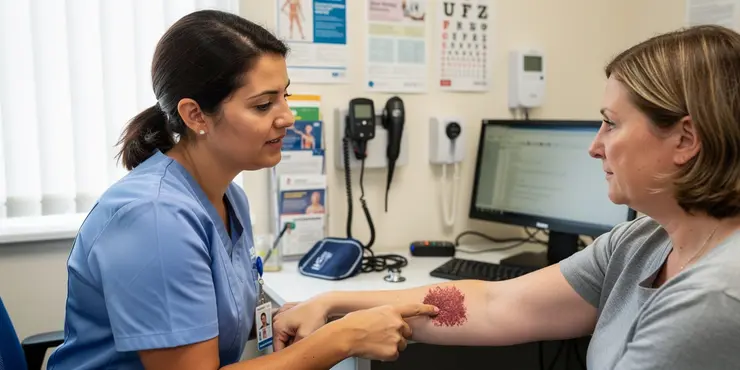
How is psoriasis diagnosed?
Relevance: 24%
-

How is dementia diagnosed?
Relevance: 23%
-

How is health-related anxiety diagnosed?
Relevance: 23%
-

How are eating disorders diagnosed?
Relevance: 23%
-

How is Alzheimer's disease diagnosed?
Relevance: 23%
Recognising the symptoms
Hantavirus is usually diagnosed after a doctor considers a person’s symptoms alongside their recent activities and possible exposure to rodents. In the UK, this often means asking whether someone has been in contact with mice, rats, or their droppings, urine, or nesting material.
Early symptoms can look like flu or another viral illness. These may include fever, headache, muscle aches, tiredness, and stomach upset, which is why hantavirus can be difficult to spot at first.
Medical history and examination
A GP or hospital doctor will usually start with a detailed medical history. They may ask about travel, work, cleaning sheds or lofts, camping, or any other situations where rodent exposure might have happened.
The doctor will also check for signs that the illness is affecting the lungs or kidneys. Depending on the type of hantavirus involved, someone may develop breathing difficulties, low blood pressure, or reduced urine output.
Blood tests
Blood tests are the main way hantavirus is confirmed. These tests can look for antibodies, which show that the immune system has responded to the virus, or for viral genetic material in some cases.
Doctors may also order tests to check how the body is coping with the infection. These can include kidney function, liver function, blood count, and markers of inflammation, which help assess how severe the illness may be.
Hospital testing and monitoring
If hantavirus is suspected, a person may need to be assessed in hospital, especially if they are short of breath or very unwell. This allows clinicians to monitor oxygen levels, blood pressure, and fluid balance closely.
Further tests such as chest X-rays or other scans may be used if there are breathing symptoms. These help doctors see whether the lungs are affected and whether urgent treatment is needed.
When to seek urgent help
Anyone with possible rodent exposure who develops fever, severe muscle aches, vomiting, chest tightness, or breathing problems should seek medical advice quickly. In the UK, this may mean contacting NHS 111, a GP urgently, or going to A&E if symptoms are severe.
Early assessment matters because hantavirus can become serious quickly in some people. Prompt diagnosis helps doctors provide supportive treatment and reduce the risk of complications.
Frequently Asked Questions
How is Hantavirus diagnosed initially?
Hantavirus is usually suspected based on symptoms, exposure history, and the results of blood tests and other clinical evaluations.
What symptoms make doctors suspect Hantavirus?
Fever, muscle aches, headache, fatigue, shortness of breath, and signs of rapidly worsening respiratory illness can raise concern, especially after rodent exposure.
What exposure history is important for diagnosing Hantavirus?
Recent contact with rodents, rodent droppings, urine, saliva, or living or working in areas with rodent infestation is very important for diagnosis.
What blood tests are used to diagnose Hantavirus?
Doctors may order antibody tests such as IgM and IgG, and sometimes PCR testing to look for viral genetic material.
Can a routine blood test diagnose Hantavirus?
Routine blood tests cannot confirm Hantavirus by themselves, but they may show abnormalities that support the diagnosis.
What lab abnormalities might suggest Hantavirus?
Low platelets, elevated white blood cells, and signs of kidney or liver stress may be seen, depending on the type of Hantavirus infection.
Is antibody testing the main way Hantavirus is diagnosed?
Yes, antibody testing is commonly used to confirm infection, especially when symptoms and exposure history fit Hantavirus.
What does an IgM test mean in Hantavirus diagnosis?
A positive IgM test usually suggests a recent or current Hantavirus infection.
What does an IgG test mean in Hantavirus diagnosis?
A positive IgG test can indicate past infection or later-stage immune response, and it is interpreted together with other test results.
Can Hantavirus be diagnosed with PCR?
Yes, PCR can sometimes detect Hantavirus genetic material, especially early in infection, but availability and usefulness vary.
Do imaging tests diagnose Hantavirus?
Chest X-rays or CT scans do not confirm Hantavirus, but they can show lung fluid or other changes that help doctors assess severity.
Can Hantavirus be diagnosed before severe symptoms appear?
It can be difficult to diagnose early because initial symptoms are vague, but testing may be done when exposure and early illness suggest the infection.
How quickly are Hantavirus test results available?
Timing depends on the test and laboratory, but some results may take hours to days, while confirmatory testing may take longer.
Is Hantavirus diagnosis based only on symptoms?
No, symptoms alone are not enough because they can resemble other illnesses, so laboratory testing is needed for confirmation.
Why is rodent exposure important in Hantavirus diagnosis?
Rodent exposure strongly increases suspicion because Hantavirus is typically spread through contact with infected rodent waste or contaminated dust.
Can Hantavirus be confused with other diseases?
Yes, it can resemble influenza, pneumonia, sepsis, or other viral illnesses, which is why testing is important.
Who usually diagnoses Hantavirus?
Emergency doctors, primary care clinicians, infectious disease specialists, and hospital teams may recognize and confirm suspected cases.
Is there a single definitive test for all Hantavirus infections?
No, diagnosis usually relies on a combination of exposure history, symptoms, blood tests, and sometimes PCR or imaging findings.
Should someone be tested for Hantavirus after rodent exposure without symptoms?
Testing is usually considered if symptoms develop, because routine testing after exposure alone is not always helpful unless a clinician recommends it.
When should medical care be sought for possible Hantavirus?
Immediate medical attention is needed if someone with rodent exposure develops fever, muscle aches, vomiting, shortness of breath, or rapidly worsening illness.

Useful Linksxxx
This website offers general information and is not a substitute for professional advice.
Always seek guidance from qualified professionals.
If you have any medical concerns or need urgent help, contact a healthcare professional or emergency services immediately.
Some of this content was generated with AI assistance. We've done our best to keep it accurate, helpful, and human-friendly.
- Ergsy carefully checks the information in the videos we provide here.
- Videos shown by Youtube after a video has completed, have NOT been reviewed by ERGSY.
- To view, click the arrow in centre of video.
- Most of the videos you find here will have subtitles and/or closed captions available.
- You may need to turn these on, and choose your preferred language.
- Go to the video you'd like to watch.
- If closed captions (CC) are available, settings will be visible on the bottom right of the video player.
- To turn on Captions, click settings.
- To turn off Captions, click settings again.
More Items From Ergsy search
-
How is Hantavirus diagnosed?
Relevance: 100%
-
Is there a cure for Hantavirus?
Relevance: 87%
-
Are there vaccines for Hantavirus?
Relevance: 84%
-
What is Hantavirus?
Relevance: 83%
-
Where is Hantavirus found?
Relevance: 83%
-
Why is Hantavirus a concern in public health?
Relevance: 83%
-
Which animals carry Hantavirus?
Relevance: 81%
-
Is Hantavirus common in humans?
Relevance: 80%
-
How is Hantavirus treated?
Relevance: 79%
-
How serious is Hantavirus disease?
Relevance: 79%
-
What illness does Hantavirus cause?
Relevance: 79%
-
Can Hantavirus spread from person to person?
Relevance: 77%
-
Can Hantavirus be prevented?
Relevance: 74%
-
What are the early symptoms of Hantavirus infection?
Relevance: 73%
-
Can pets bring Hantavirus into the home?
Relevance: 73%
-
How do people get infected with Hantavirus?
Relevance: 72%
-
When should someone seek medical help for possible Hantavirus?
Relevance: 67%
-
Who is at higher risk of Hantavirus infection?
Relevance: 57%
-
How can I lower my risk of Hantavirus in my home?
Relevance: 56%
-
Are AI systems used alone in lung cancer diagnosis or alongside human radiologists?
Relevance: 42%
-
Prostate cancer diagnosis and tests
Relevance: 38%
-
Head and Neck Cancer Diagnosis
Relevance: 36%
-
BSL - Diagnosis of panic disorder
Relevance: 35%
-
Attention deficit hyperactivity disorder (ADHD) - Diagnosis
Relevance: 34%
-
BSL - Diagnosis of obsessive compulsive disorder (OCD)
Relevance: 33%
-
What is the life expectancy after a motor neurone disease diagnosis?
Relevance: 30%
-
How is shingles diagnosed?
Relevance: 25%
-
How is autism diagnosed?
Relevance: 24%
-
How is asthma diagnosed?
Relevance: 24%
-
How are impulse disorders diagnosed?
Relevance: 24%
-
How is scabies diagnosed?
Relevance: 24%
-
How is flesh-eating disease diagnosed?
Relevance: 24%
-
How is Huntington's disease diagnosed?
Relevance: 24%
-
How is motor neurone disease diagnosed?
Relevance: 24%
-
How are industrial diseases diagnosed?
Relevance: 24%
-
How is psoriasis diagnosed?
Relevance: 24%
-
How is dementia diagnosed?
Relevance: 23%
-
How is health-related anxiety diagnosed?
Relevance: 23%
-
How are eating disorders diagnosed?
Relevance: 23%
-
How is Alzheimer's disease diagnosed?
Relevance: 23%