
Speak To An Expert
Get clear, personalised advice for your situation.
Jot down a few questions to make the most of your conversation.
More Items From Ergsy search
-
Why is Hantavirus a concern in public health?
Relevance: 100%
-

What is Hantavirus?
Relevance: 73%
-
Are there vaccines for Hantavirus?
Relevance: 73%
-

Can Hantavirus spread from person to person?
Relevance: 67%
-

Where is Hantavirus found?
Relevance: 67%
-

Is Hantavirus common in humans?
Relevance: 65%
-

Is there a cure for Hantavirus?
Relevance: 64%
-
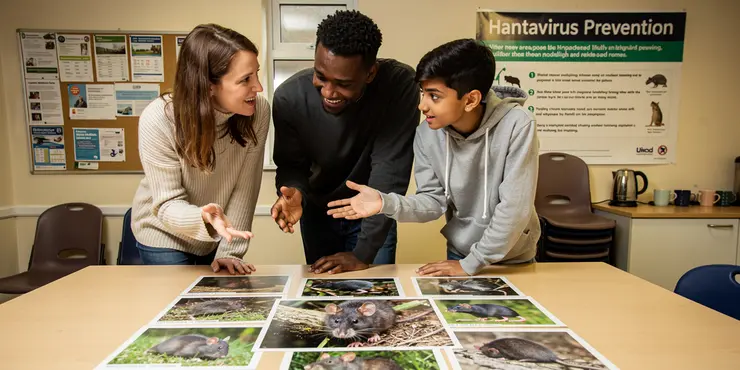
Which animals carry Hantavirus?
Relevance: 63%
-

How is Hantavirus diagnosed?
Relevance: 62%
-

How is Hantavirus treated?
Relevance: 62%

-

How serious is Hantavirus disease?
Relevance: 61%
-

What illness does Hantavirus cause?
Relevance: 61%
-

Can Hantavirus be prevented?
Relevance: 58%
-

Can pets bring Hantavirus into the home?
Relevance: 57%
-

What are the early symptoms of Hantavirus infection?
Relevance: 57%
-

How do people get infected with Hantavirus?
Relevance: 56%
-

When should someone seek medical help for possible Hantavirus?
Relevance: 52%
-

What is a public health funeral?
Relevance: 47%
-

Who is at higher risk of Hantavirus infection?
Relevance: 44%
-
How can I lower my risk of Hantavirus in my home?
Relevance: 44%
-

Why is monitoring of H9N2 important for public health?
Relevance: 39%
-
What public health measures are important for managing the plague?
Relevance: 39%
-

How does the sugar tax align with public health strategies?
Relevance: 39%
-

How does sewage pollution affect public health?
Relevance: 37%
-

What impact does leaving WHO have on US public health policy?
Relevance: 37%
-

Why are Nipah Virus outbreaks considered a public health concern?
Relevance: 35%
-

Is breastfeeding in public illegal?
Relevance: 34%
-

Is breastfeeding in public culturally accepted?
Relevance: 34%
-

Are public breastfeeding laws part of anti-discrimination policies?
Relevance: 32%
-

Are there public campaigns supporting breastfeeding?
Relevance: 31%
-
Is public breastfeeding legal in other countries?
Relevance: 31%
-

Are there any restrictions on breastfeeding in public?
Relevance: 31%
-

Do public liability claims only apply in public places?
Relevance: 30%
-

Can you be fined for breastfeeding in public?
Relevance: 30%
-

Are there specific laws protecting breastfeeding in public in the U.S.?
Relevance: 30%
-

What are Public Liability Claims?
Relevance: 29%
-

Is there a difference in responsibility between public and private land?
Relevance: 28%
-

Does breastfeeding in public require a cover?
Relevance: 28%
-

Do hosepipe bans apply to public parks and gardens?
Relevance: 28%
-

Health Officials Warn Against 'DIY' Health Remedies Amid Supply Chain Issues
Relevance: 28%
What is hantavirus?
Hantaviruses are a group of viruses carried mainly by rodents. People usually become infected when they breathe in tiny particles from rodent urine, droppings, or saliva, although bites can also spread infection.
For most people in the UK, hantavirus is not a common illness. However, it remains a public health concern because rodent exposure can happen in homes, sheds, farms, warehouses, and other places where mice or rats are present.
Why it matters for public health
Hantavirus matters because some infections can be severe and, in certain cases, life-threatening. Different hantaviruses can cause serious lung disease or damage to the kidneys, depending on the strain.
Even when cases are rare, public health services need to be alert to them. Early recognition helps doctors manage patients quickly and helps prevent further exposure to contaminated environments.
How people can be exposed
Infection often happens when a person disturbs an area contaminated by rodents and then breathes in contaminated dust. Cleaning out a shed, sweeping a garage, or handling rubbish in an infested building can raise the risk.
Risk is higher where food, waste, or clutter attracts rodents. People working in agriculture, pest control, maintenance, or waste management may face more frequent contact with rodent habitats.
Symptoms and seriousness
Early symptoms can look like flu, with fever, muscle aches, headache, and tiredness. Some people also develop stomach pain, nausea, vomiting, or diarrhoea.
In severe cases, breathing problems or kidney symptoms can develop quickly. Because early signs are not specific, hantavirus can be missed unless clinicians consider a person’s exposure history.
Prevention and control
Public health concern is not just about treating illness, but preventing it. Good rodent control, safe storage of food, and prompt cleaning of spills and droppings all help reduce risk.
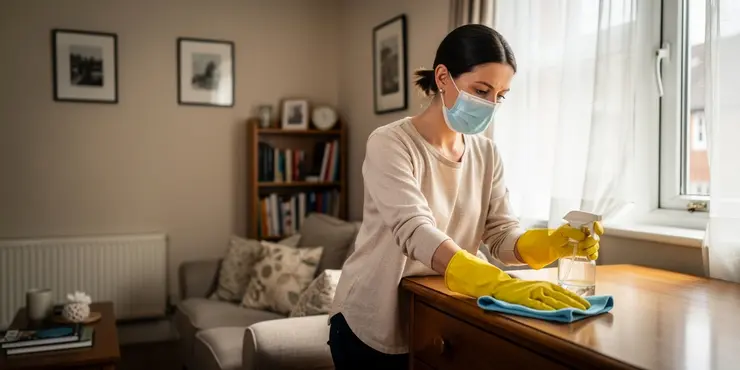
People should avoid dry sweeping or vacuuming rodent waste, as this can spread virus particles into the air. Instead, dampening contaminated areas and using suitable protective equipment is safer.
Why awareness is important in the UK
Although hantavirus is uncommon in the UK, rodent exposure is widespread enough that cases can occur. Awareness helps people take simple precautions in homes, workplaces, and rural settings.
It also supports faster diagnosis and better outbreak detection. That is why hantavirus remains relevant to public health, even when the number of cases is low.
Frequently Asked Questions
Why is Hantavirus a concern in public health?
Hantavirus is a public health concern because some strains can cause severe, sometimes fatal illness in people, especially when exposed to infected rodents or their droppings, urine, or saliva.
How do people typically get exposed to Hantavirus?
People usually get exposed by inhaling virus particles from dried rodent waste, touching contaminated materials and then their face, or, less commonly, through bites or direct contact with infected rodents.
What makes Hantavirus outbreaks difficult to control?
Outbreaks are difficult to control because rodent populations can be widespread, the virus can persist in the environment, and people may not realize they are exposed until after symptoms begin.
Why is Hantavirus dangerous even though it is not spread easily between people?
Even without efficient person-to-person spread, Hantavirus is dangerous because a single environmental exposure can lead to severe disease and death, making prevention and early recognition critical.
What illnesses can Hantavirus cause?
Hantavirus can cause hantavirus pulmonary syndrome in the Americas and hemorrhagic fever with renal syndrome in parts of Europe and Asia, both of which can be serious or life-threatening.
Why is rodent control important for preventing Hantavirus?
Rodent control reduces the source of contamination, lowering the chance that people will encounter infected droppings, urine, saliva, or nesting materials in homes, workplaces, and outdoor settings.
Why are cleaning practices important when dealing with rodent infestations?
Improper cleaning can stir up virus-containing dust and increase inhalation risk, so safe wet-cleaning, ventilation, and protective measures are important for prevention.
Why are rural and remote communities often concerned about Hantavirus?
Rural and remote areas may have more contact with rodents in cabins, storage spaces, barns, or fields, and limited access to healthcare can delay diagnosis and treatment.
How does Hantavirus affect the healthcare system?
Hantavirus can create a healthcare burden because patients may deteriorate rapidly, require intensive care, and need advanced respiratory support or other specialized treatment.
Why is early detection of Hantavirus important?
Early detection is important because symptoms can progress quickly, and prompt medical care may improve outcomes by supporting breathing, monitoring organ function, and managing complications.
What are common early symptoms that make Hantavirus hard to recognize?
Early symptoms such as fever, fatigue, muscle aches, and headaches can look like flu or other viral infections, which can delay suspicion and timely care.
Why are public education campaigns important for Hantavirus prevention?
Public education helps people learn how to avoid rodent exposure, safely clean contaminated areas, and recognize early warning signs, which can reduce illness and death.
Why can Hantavirus be a concern in homes and workplaces?
Homes and workplaces can harbor rodents in hidden areas like attics, basements, storage rooms, and cabins, creating unnoticed exposure risks for occupants and workers.
Why does Hantavirus matter for emergency preparedness?
Hantavirus matters for emergency preparedness because disasters, cleanup efforts, and displacement can increase contact with rodents and contaminated dust, raising infection risk.
Why is there no widely used vaccine for Hantavirus in many regions?
There is no widely used vaccine in many regions, so prevention depends heavily on rodent control, environmental safety, and public awareness rather than vaccination alone.
Why do scientists and public health agencies monitor Hantavirus?
Scientists and public health agencies monitor Hantavirus to track cases, understand rodent reservoir activity, detect changes in risk, and guide prevention strategies.
Why can outdoor activities increase Hantavirus risk?
Outdoor activities like camping, hiking, or cleaning sheds and cabins can bring people into contact with rodent habitats or contaminated spaces where virus exposure may occur.
Why is proper protective equipment important when cleaning rodent-infested areas?
Protective equipment such as gloves, masks, and eye protection helps reduce exposure to contaminated materials and lowers the chance of inhaling or touching infectious particles.
Why is Hantavirus considered a zoonotic disease concern?
Hantavirus is zoonotic because it is maintained in animal hosts, mainly rodents, and can jump to humans, making animal surveillance and environmental management important for prevention.
Why does Hantavirus require a One Health approach?
A One Health approach is needed because human health, animal health, and environmental conditions all influence transmission, so coordinated efforts can better prevent and control infection.

Useful Linksxxx
This website offers general information and is not a substitute for professional advice.
Always seek guidance from qualified professionals.
If you have any medical concerns or need urgent help, contact a healthcare professional or emergency services immediately.
Some of this content was generated with AI assistance. We've done our best to keep it accurate, helpful, and human-friendly.
- Ergsy carefully checks the information in the videos we provide here.
- Videos shown by Youtube after a video has completed, have NOT been reviewed by ERGSY.
- To view, click the arrow in centre of video.
- Most of the videos you find here will have subtitles and/or closed captions available.
- You may need to turn these on, and choose your preferred language.
- Go to the video you'd like to watch.
- If closed captions (CC) are available, settings will be visible on the bottom right of the video player.
- To turn on Captions, click settings.
- To turn off Captions, click settings again.
More Items From Ergsy search
-
Why is Hantavirus a concern in public health?
Relevance: 100%
-
What is Hantavirus?
Relevance: 73%
-
Are there vaccines for Hantavirus?
Relevance: 73%
-
Can Hantavirus spread from person to person?
Relevance: 67%
-
Where is Hantavirus found?
Relevance: 67%
-
Is Hantavirus common in humans?
Relevance: 65%
-
Is there a cure for Hantavirus?
Relevance: 64%
-
Which animals carry Hantavirus?
Relevance: 63%
-
How is Hantavirus diagnosed?
Relevance: 62%
-
How is Hantavirus treated?
Relevance: 62%
-
How serious is Hantavirus disease?
Relevance: 61%
-
What illness does Hantavirus cause?
Relevance: 61%
-
Can Hantavirus be prevented?
Relevance: 58%
-
Can pets bring Hantavirus into the home?
Relevance: 57%
-
What are the early symptoms of Hantavirus infection?
Relevance: 57%
-
How do people get infected with Hantavirus?
Relevance: 56%
-
When should someone seek medical help for possible Hantavirus?
Relevance: 52%
-
What is a public health funeral?
Relevance: 47%
-
Who is at higher risk of Hantavirus infection?
Relevance: 44%
-
How can I lower my risk of Hantavirus in my home?
Relevance: 44%
-
Why is monitoring of H9N2 important for public health?
Relevance: 39%
-
What public health measures are important for managing the plague?
Relevance: 39%
-
How does the sugar tax align with public health strategies?
Relevance: 39%
-
How does sewage pollution affect public health?
Relevance: 37%
-
What impact does leaving WHO have on US public health policy?
Relevance: 37%
-
Why are Nipah Virus outbreaks considered a public health concern?
Relevance: 35%
-
Is breastfeeding in public illegal?
Relevance: 34%
-
Is breastfeeding in public culturally accepted?
Relevance: 34%
-
Are public breastfeeding laws part of anti-discrimination policies?
Relevance: 32%
-
Are there public campaigns supporting breastfeeding?
Relevance: 31%
-
Is public breastfeeding legal in other countries?
Relevance: 31%
-
Are there any restrictions on breastfeeding in public?
Relevance: 31%
-
Do public liability claims only apply in public places?
Relevance: 30%
-
Can you be fined for breastfeeding in public?
Relevance: 30%
-
Are there specific laws protecting breastfeeding in public in the U.S.?
Relevance: 30%
-
What are Public Liability Claims?
Relevance: 29%
-
Is there a difference in responsibility between public and private land?
Relevance: 28%
-
Does breastfeeding in public require a cover?
Relevance: 28%
-
Do hosepipe bans apply to public parks and gardens?
Relevance: 28%
-
Health Officials Warn Against 'DIY' Health Remedies Amid Supply Chain Issues
Relevance: 28%