

Speak To An Expert
Get clear, personalised advice for your situation.
Jot down a few questions to make the most of your conversation.
More Items From Ergsy search
-

Can pets bring Hantavirus into the home?
Relevance: 100%
-

Which animals carry Hantavirus?
Relevance: 75%
-

What is Hantavirus?
Relevance: 68%
-
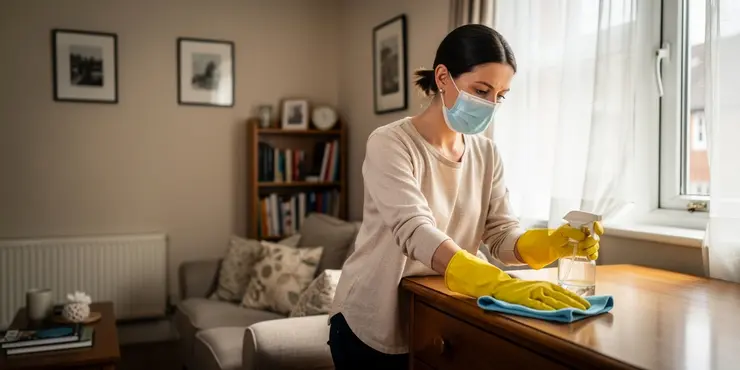
How can I lower my risk of Hantavirus in my home?
Relevance: 65%
-

Can Hantavirus be prevented?
Relevance: 62%
-

Is Hantavirus common in humans?
Relevance: 60%
-

Where is Hantavirus found?
Relevance: 58%
-

Is there a cure for Hantavirus?
Relevance: 58%
-

Why is Hantavirus a concern in public health?
Relevance: 58%
-

Who is at higher risk of Hantavirus infection?
Relevance: 57%

-

Can Hantavirus spread from person to person?
Relevance: 56%
-

Are there vaccines for Hantavirus?
Relevance: 55%
-

How do people get infected with Hantavirus?
Relevance: 55%
-

How is Hantavirus treated?
Relevance: 52%
-

How serious is Hantavirus disease?
Relevance: 51%
-

What illness does Hantavirus cause?
Relevance: 51%
-

How is Hantavirus diagnosed?
Relevance: 50%
-

What changes affect pet policies in rented homes?
Relevance: 50%
-

What are the early symptoms of Hantavirus infection?
Relevance: 46%
-

Do pets contribute to hay fever?
Relevance: 44%
-
Can pets get scabies from humans?
Relevance: 44%
-

When should someone seek medical help for possible Hantavirus?
Relevance: 42%
-
Do UK spiders pose a threat to pets?
Relevance: 42%
-

The FDG PET Scan: What to expect
Relevance: 40%
-

Can pets get Lyme disease?
Relevance: 39%
-
Can pets damage mosquito screens?
Relevance: 38%
-

Are there first aid courses for pets?
Relevance: 38%
-

Are new variants more transmissible?
Relevance: 37%
-

Can I keep a spider in the UK as a pet?
Relevance: 35%
-

Are there any special precautions for pets during a heatwave?
Relevance: 35%
-
Can pets get West Nile Virus?
Relevance: 35%
-

How can I ensure pets are safe during a heatwave?
Relevance: 34%
-
Can I bring my pet to France or Spain from the UK?
Relevance: 34%
-

Can domestic animals transmit rabies?
Relevance: 31%
-

Can animals spread scabies to humans?
Relevance: 30%
-

What role do fruit bats play in Nipah Virus transmission?
Relevance: 30%
-

How is the bubonic plague transmitted?
Relevance: 30%
-

Fire Safety At Home
Relevance: 30%
-
How can rabies be prevented?
Relevance: 29%
-

Can couples live together in a care home?
Relevance: 29%
Can pets bring Hantavirus into the home?
Pets can sometimes carry Hantavirus particles on their fur, paws, or bedding if they have been in contact with infected rodents. However, pets themselves do not usually become the main source of Hantavirus. The real risk comes from rodent urine, droppings, and saliva.
In the UK, Hantavirus is rare, but it is still sensible to understand how it spreads. Dogs and cats may act as a bridge if they go into places where mice or rats have been present. This is why pet owners should take rodent control seriously.
How Hantavirus spreads
Hantavirus is mainly spread when people breathe in tiny particles from dried rodent droppings, urine, or nesting materials. It can also spread if contaminated material gets into the eyes, nose, mouth, or onto broken skin. In some cases, people are infected after touching contaminated surfaces and then touching their face.
Rodents are the natural carriers of the virus. In the UK, the most relevant concern is exposure around homes, sheds, garages, and outbuildings where mice or rats may live. The virus is not usually spread from person to person in everyday situations.
What role pets can play
Pets can pick up rodent debris when they explore under floors, behind bins, or in gardens and field margins. A cat may catch or play with a mouse, while a dog may sniff or roll in an area contaminated by rodents. In those situations, the pet may bring the contamination indoors.
It is important to note that pets are more likely to carry rodent-borne material than to carry the virus in their bodies. The main concern is contamination of fur, paws, collars, leads, toys, or pet bedding. This means good hygiene and careful cleaning matter most.
How to reduce the risk
Keep pet food in sealed containers and remove uneaten food promptly. Empty bins regularly and clean up spillages quickly, especially in sheds, garages, and utility rooms. Reducing food sources helps keep rodents away from your home.
Check pets after they have been outside, especially if they have been in long grass, near compost, or around outbuildings. Wash paws if needed and clean pet bedding regularly. If you suspect rodents are present, keep pets away from the area until it has been cleaned safely.
What to do if you find rodent droppings
Do not sweep or vacuum dry droppings, as this can stir up particles into the air. Instead, ventilate the area, wear gloves, and dampen the droppings with disinfectant before cleaning them up. Dispose of the waste in a sealed bag.
If your pet has been in contact with a rodent-infested area, wash your hands after handling them or their bedding. Speak to a vet if you are worried about your pet’s health, and contact a GP if anyone in the household develops flu-like symptoms after possible exposure.
Frequently Asked Questions
Can pets bring Hantavirus into the home?
Pets can potentially carry contaminated material like rodent droppings, urine, or nesting debris on their fur, paws, or mouths, but they do not usually infect people with Hantavirus directly. The main risk comes from exposure to infected rodents and their waste, not from pets themselves.
Can dogs or cats get Hantavirus and spread it to people?
Dogs and cats are not known to commonly transmit Hantavirus to people. The virus is mainly spread by infected rodents. Pets may bring rodent-contaminated material indoors, which can create a risk if it is disturbed.
How could a pet indirectly introduce Hantavirus into a home?
A pet could bring in a mouse, rat, or material contaminated by rodents, such as droppings or nesting debris. If that material is dried and later disturbed, virus-containing particles can become airborne and be inhaled.
Is Hantavirus contagious between pets and humans?
Hantavirus is not typically spread from pets to humans. Human infection usually happens by breathing in aerosolized particles from infected rodent droppings, urine, or saliva, or by touching contaminated surfaces and then the face.
Should I worry if my cat catches a mouse?
Yes, you should handle it carefully because the mouse may have left droppings, urine, or nesting material behind. The cat itself is not the usual source of Hantavirus, but the rodent or its waste can pose a risk.
Can my dog track Hantavirus into the house on its paws?
A dog could track in dirt or contaminated material from areas where rodents have been present. The dog is not carrying the virus as a typical reservoir, but it may bring contamination into living spaces.
What pets are most likely to bring rodent contamination indoors?
Outdoor pets, especially those that roam freely or hunt rodents, are more likely to bring in dead rodents, nesting material, or contaminated debris. Any pet that spends time in places where rodents live can potentially carry contamination indoors.
If a pet brings in a dead rodent, is that a Hantavirus risk?
Yes, it can be a risk because dead rodents and the surrounding area may contain contaminated droppings or urine. The safest approach is to avoid direct contact and clean up carefully using recommended rodent-contamination precautions.
Can pet bedding become contaminated with Hantavirus?
Pet bedding can become contaminated if rodents have nested in it or left droppings, urine, or saliva nearby. Keeping pet sleeping areas clean and inaccessible to rodents helps reduce risk.
How can I tell if my pet has been around rodents?
Signs may include bringing in dead prey, dirt on paws, a strong musty smell from a hidden rodent nest, or finding droppings near your pet's food or bedding. If you suspect rodent activity, inspect the area carefully.
Does cleaning my pet after outdoor walks prevent Hantavirus?
Cleaning paws and fur can help remove dirt and debris that may carry contamination, but it does not eliminate all risk if your pet has contacted a rodent or rodent nesting area. Preventing contact with rodents and their waste is more important.
Can Hantavirus live on a pet's fur?
Hantavirus does not typically live on pets as a primary host, but contaminated material can cling to fur temporarily. The concern is the contamination on the fur, not the pet acting as a source of infection.
Should I keep pets away from areas with rodent droppings?
Yes, pets should be kept away from rodent droppings, nests, and areas where rodents may have been active. This reduces the chance that they will carry contaminated material back into the home.
What should I do if my pet brings a mouse inside?
Avoid touching the mouse with bare hands, keep children and other pets away, and clean up using safe rodent cleanup practices. Wash your hands thoroughly afterward and ventilate the area if possible.
Can pet food attract rodents that carry Hantavirus?
Yes, pet food left out in open bowls or stored improperly can attract rodents, which are the main source of Hantavirus exposure. Feeding pets indoors and storing food in sealed containers can help reduce this risk.
How can I reduce the chance my pet brings Hantavirus-related contamination home?
Prevent pets from roaming in rodent-prone areas, keep yards and home entry points sealed, store pet food securely, and clean up rodent infestations promptly. Regularly inspect pet areas for signs of rodents.
Is it safe to touch my pet after it has been near rodents?
It is usually safe with normal hygiene, but wash your hands after handling your pet, especially if it may have been near rodents or rodent waste. If there is visible dirt or debris, clean the pet carefully according to veterinary guidance.
Can indoor-only pets bring Hantavirus into the home?
Indoor-only pets are much less likely to bring in rodent-related contamination because they have less exposure to rodents. However, rodents entering the home can still create a risk regardless of whether the pet goes outdoors.
What is the biggest Hantavirus risk related to pets?
The biggest risk is not the pet itself but pet contact with infected rodents or rodent-contaminated material. Pets can act as a carrier for debris that may expose people when disturbed.
When should I contact a professional about pet-related rodent contamination?
Contact a pest control professional if you find signs of a rodent infestation, repeated droppings, nests, or dead rodents in areas accessible to pets. If you are unsure how to clean safely, professional help is the safest option.

Useful Linksxxx
This website offers general information and is not a substitute for professional advice.
Always seek guidance from qualified professionals.
If you have any medical concerns or need urgent help, contact a healthcare professional or emergency services immediately.
Some of this content was generated with AI assistance. We've done our best to keep it accurate, helpful, and human-friendly.
- Ergsy carefully checks the information in the videos we provide here.
- Videos shown by Youtube after a video has completed, have NOT been reviewed by ERGSY.
- To view, click the arrow in centre of video.
- Most of the videos you find here will have subtitles and/or closed captions available.
- You may need to turn these on, and choose your preferred language.
- Go to the video you'd like to watch.
- If closed captions (CC) are available, settings will be visible on the bottom right of the video player.
- To turn on Captions, click settings.
- To turn off Captions, click settings again.
More Items From Ergsy search
-
Can pets bring Hantavirus into the home?
Relevance: 100%
-
Which animals carry Hantavirus?
Relevance: 75%
-
What is Hantavirus?
Relevance: 68%
-
How can I lower my risk of Hantavirus in my home?
Relevance: 65%
-
Can Hantavirus be prevented?
Relevance: 62%
-
Is Hantavirus common in humans?
Relevance: 60%
-
Where is Hantavirus found?
Relevance: 58%
-
Is there a cure for Hantavirus?
Relevance: 58%
-
Why is Hantavirus a concern in public health?
Relevance: 58%
-
Who is at higher risk of Hantavirus infection?
Relevance: 57%
-
Can Hantavirus spread from person to person?
Relevance: 56%
-
Are there vaccines for Hantavirus?
Relevance: 55%
-
How do people get infected with Hantavirus?
Relevance: 55%
-
How is Hantavirus treated?
Relevance: 52%
-
How serious is Hantavirus disease?
Relevance: 51%
-
What illness does Hantavirus cause?
Relevance: 51%
-
How is Hantavirus diagnosed?
Relevance: 50%
-
What changes affect pet policies in rented homes?
Relevance: 50%
-
What are the early symptoms of Hantavirus infection?
Relevance: 46%
-
Do pets contribute to hay fever?
Relevance: 44%
-
Can pets get scabies from humans?
Relevance: 44%
-
When should someone seek medical help for possible Hantavirus?
Relevance: 42%
-
Do UK spiders pose a threat to pets?
Relevance: 42%
-
The FDG PET Scan: What to expect
Relevance: 40%
-
Can pets get Lyme disease?
Relevance: 39%
-
Can pets damage mosquito screens?
Relevance: 38%
-
Are there first aid courses for pets?
Relevance: 38%
-
Are new variants more transmissible?
Relevance: 37%
-
Can I keep a spider in the UK as a pet?
Relevance: 35%
-
Are there any special precautions for pets during a heatwave?
Relevance: 35%
-
Can pets get West Nile Virus?
Relevance: 35%
-
How can I ensure pets are safe during a heatwave?
Relevance: 34%
-
Can I bring my pet to France or Spain from the UK?
Relevance: 34%
-
Can domestic animals transmit rabies?
Relevance: 31%
-
Can animals spread scabies to humans?
Relevance: 30%
-
What role do fruit bats play in Nipah Virus transmission?
Relevance: 30%
-
How is the bubonic plague transmitted?
Relevance: 30%
-
Fire Safety At Home
Relevance: 30%
-
How can rabies be prevented?
Relevance: 29%
-
Can couples live together in a care home?
Relevance: 29%