

Speak To An Expert
Get clear, personalised advice for your situation.
Jot down a few questions to make the most of your conversation.
More Items From Ergsy search
-

Do I need to see a doctor after a workplace accident?
Relevance: 100%
-

Should I take photos after a workplace accident?
Relevance: 66%
-
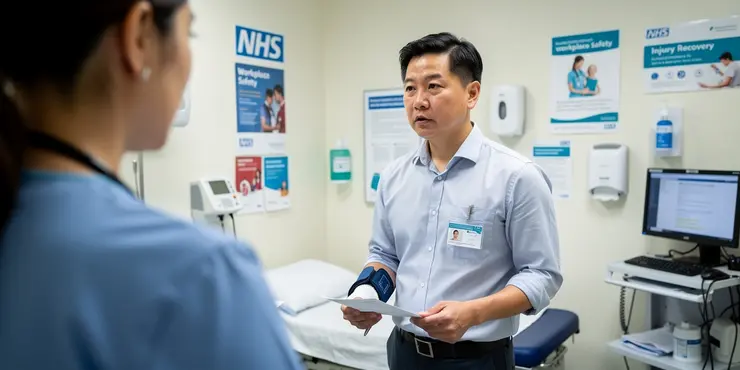
What shall I do if I have had an accident at work?
Relevance: 63%
-
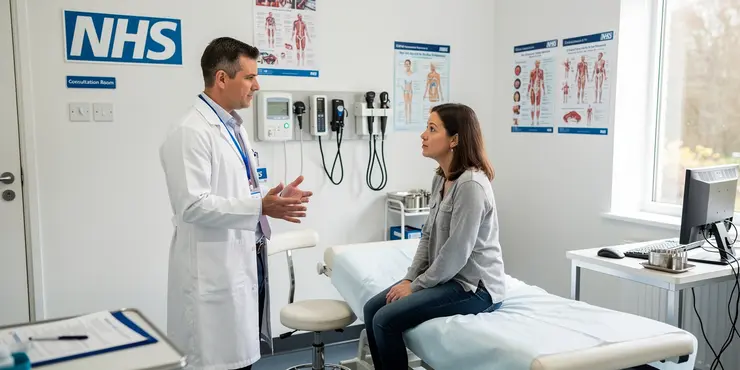
Is it necessary to see a doctor for whiplash after a car accident?
Relevance: 61%
-

Who should I speak to first after a work accident?
Relevance: 57%
-
What information should I give when reporting a workplace accident?
Relevance: 57%
-

What is the most important thing to remember after an accident at work?
Relevance: 54%
-

What if my employer asks me not to report the accident?
Relevance: 52%
-

What if I need time off because of the accident?
Relevance: 51%
-

Do I need to fill in an accident report form?
Relevance: 49%

-
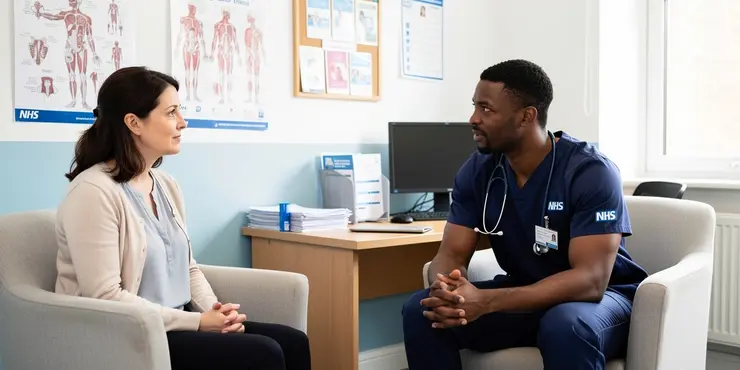
What should I do if I cannot work after the accident?
Relevance: 49%
-

What records should I keep after an accident at work?
Relevance: 47%
-

Should I tell my manager about a work accident even if it seems minor?
Relevance: 47%
-
Shall I see a doctor?
Relevance: 46%
-
Can I receive teleconsultations with EU doctors before traveling?
Relevance: 46%
-

Can I claim for a slip and fall accident?
Relevance: 45%
-

Can I make a compensation claim after a work accident?
Relevance: 44%
-
When should I see a doctor for psoriasis?
Relevance: 44%
-

Should I get witness statements after an accident at work?
Relevance: 43%
-

What should a worker do if they suspect an industrial disease?
Relevance: 43%
-
How often should someone with asthma see a doctor?
Relevance: 42%
-
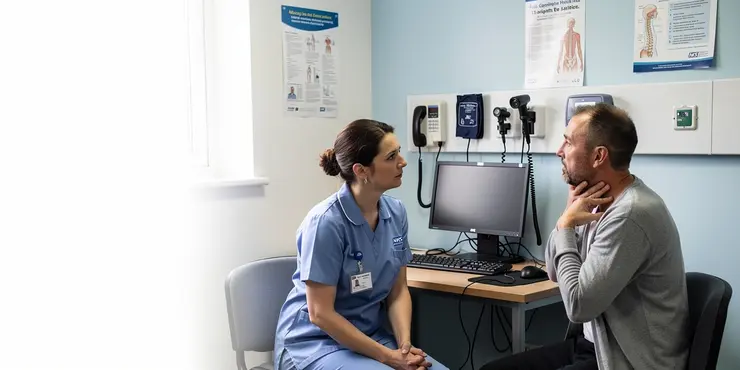
What is whiplash after a car accident?
Relevance: 41%
-
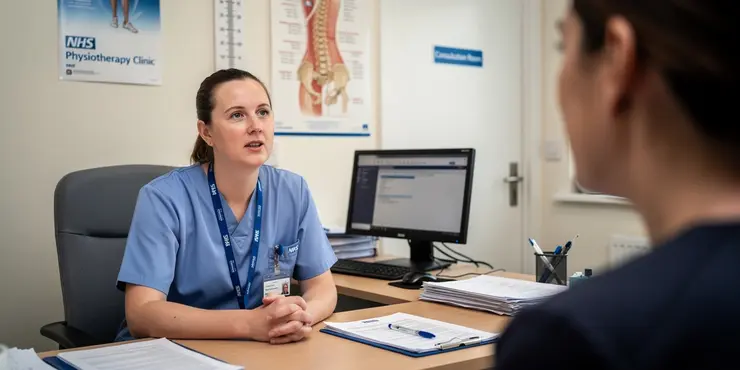
Advice on neck pain and whiplash
Relevance: 40%
-
When should I seek medical advice for norovirus?
Relevance: 40%
-

What if the accident was caused by faulty equipment?
Relevance: 39%
-

What if I was partly at fault for the accident?
Relevance: 37%
-

Will I need a follow-up visit after my hair transplant in Turkey?
Relevance: 36%
-

What if there were no witnesses to the accident?
Relevance: 36%
-
Health and safety responsibilities
Relevance: 36%
-

Are public liability claims the same as personal injury claims?
Relevance: 36%
-
How soon after a car accident do whiplash symptoms appear?
Relevance: 36%
-

What if the accident happened on council or government property?
Relevance: 35%
-

Can I consult with NHS doctors online for prostate cancer?
Relevance: 35%
-

Do I need to consult a doctor before exercising during pregnancy?
Relevance: 35%
-

What is a Road Traffic Accident - RTA?
Relevance: 35%
-

What type of doctor is a menopause specialist?
Relevance: 35%
-

What is the difference between an accident and a collision?
Relevance: 35%
-

How do doctors monitor children on puberty blockers?
Relevance: 35%
-

Will I still have access to doctors and nurses on a virtual ward?
Relevance: 35%
-

Can a road traffic accident involve multiple vehicles?
Relevance: 35%
Should I see a doctor after a workplace accident?
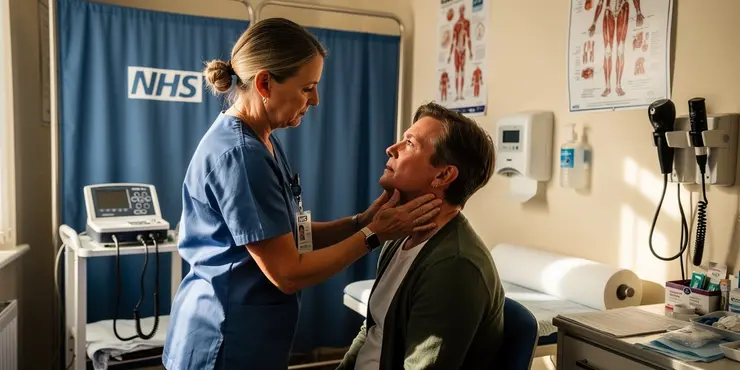
In many cases, yes. Even if an injury seems minor at first, it is often sensible to get checked by a doctor, especially if you have been hit, fallen, strained a muscle, or been exposed to a hazardous substance.
Some symptoms take time to appear. A medical assessment can help identify hidden injuries, reduce the risk of complications, and create a record of what happened.
When medical attention is urgent
You should seek urgent help if the injury is serious or life-threatening. This includes heavy bleeding, possible broken bones, head injuries, breathing problems, chest pain, burns, loss of consciousness, or severe pain.
If you are unsure how serious the injury is, it is safer to get medical advice quickly. In an emergency, call 999 or go to A&E.
Why a doctor’s visit can matter
A doctor can confirm the extent of the injury and advise on treatment. This may include pain relief, rest, physiotherapy, further tests, or time off work.
Seeing a doctor also creates medical evidence. That can be important if you later need to make a workplace accident claim or explain time away from work.
What to do straight after the accident
Report the accident to your employer as soon as possible. Make sure it is recorded in the accident book if your workplace has one.
If you can, take photos of the scene, your injury, and anything that contributed to the accident. Keep copies of any messages, witness details, and medical notes.
Do I still need to go if I feel fine?
Yes, it can still be worthwhile. Some injuries, such as whiplash, concussion, soft tissue damage, or internal injuries, may not be obvious straight away.
If pain, swelling, dizziness, numbness, or stiffness develops later, seek medical advice promptly. Do not assume that because you can carry on, nothing is wrong.
What about minor injuries?
For very minor cuts or grazes, basic first aid may be enough. Even so, you should monitor the injury and get medical advice if it becomes red, swollen, infected, or painful.
If the accident was caused by unsafe conditions at work, it is still important to report it. A minor incident can help show a wider pattern of risk in the workplace.
Getting support after a workplace accident
If you need time off, treatment, or are worried about your rights, speak to your employer or trade union if you have one. You may also want independent legal advice.
Acting quickly can protect your health and strengthen any future claim. The sooner you seek medical help, the better informed your next steps will be.
Frequently Asked Questions
Do I need to see a doctor after a workplace accident if the injury seems minor?
Yes, it is often wise to see a doctor even for minor injuries because some problems do not show symptoms right away and medical records can help if the injury worsens.
What if I feel fine right after a workplace accident?
You should still consider getting checked, since pain, swelling, concussion symptoms, or internal injuries can appear hours or days later.
Do I need medical attention if I only have a small cut at work?
A small cut may still need medical care if it is deep, dirty, bleeding heavily, or could become infected, and a doctor can tell you whether stitches or a tetanus shot are needed.
Should I see a doctor after a workplace accident involving a fall?
Yes, falls can cause hidden injuries such as fractures, sprains, head injuries, or back injuries, even when you can still walk or move afterward.
Do I need to see a doctor after hitting my head at work?
Yes, head injuries should be taken seriously because symptoms of concussion or brain injury may not appear immediately and can become serious quickly.
What if the workplace accident only caused pain that seems manageable?
It is still a good idea to get examined, because managing pain at first does not rule out a more serious injury or an injury that could worsen without treatment.
Do I need a doctor’s visit if I want to file a workers' compensation claim?
Often yes, because medical documentation is usually important for workers' compensation claims and helps connect the injury to the workplace accident.
Can I wait to see a doctor after a workplace accident and see if symptoms improve?
You can monitor mild symptoms briefly in some cases, but delaying care can make injuries harder to treat and may weaken documentation of the accident.
Do I need medical care after a workplace accident if I injured my back?
Yes, back injuries can range from mild strain to serious disc or nerve problems, so a medical evaluation is recommended.
Should I see a doctor after a workplace accident if I have neck pain?
Yes, neck pain can indicate a strain, whiplash, or a more serious injury, especially if it follows a fall, impact, or sudden movement.
Do I need to see a doctor after a workplace accident if I was exposed to chemicals?
Yes, chemical exposure can cause burns, breathing problems, eye damage, or delayed symptoms, and a doctor can assess whether urgent treatment is needed.
What if the accident happened with machinery but I only have soreness?
You should still get checked because machinery accidents can cause crush injuries, hidden fractures, nerve damage, or tissue damage even when soreness seems mild.
Do I need to see a doctor if I twisted my ankle at work?
Yes, ankle injuries can be sprains or fractures, and medical evaluation helps determine the severity and the right treatment.
Can a doctor help even if the workplace accident was days ago?
Yes, a doctor can still diagnose the injury, treat symptoms, and document that the condition may be related to the workplace accident.
Do I need emergency care after a workplace accident or is a regular doctor enough?
Emergency care is needed for severe bleeding, trouble breathing, chest pain, loss of consciousness, major deformity, or severe pain, while less urgent injuries may be handled by a regular doctor or urgent care.
What symptoms mean I should see a doctor immediately after a workplace accident?
Seek immediate care for dizziness, vomiting, confusion, numbness, severe swelling, difficulty moving, heavy bleeding, chest pain, or any symptom that is getting worse.
Do I need to see a doctor if the workplace accident happened outside my normal duties?
Yes, any workplace accident can cause injury, and a doctor can evaluate the damage whether or not the task was part of your usual work.
Will seeing a doctor after a workplace accident help with recovery?
Yes, early medical care can reduce complications, improve healing, and provide guidance on rest, treatment, and returning to work safely.
Do I need to tell my employer before I see a doctor after a workplace accident?
You should report the accident to your employer as soon as possible, but you should not delay medical care if you need immediate treatment.
Is it better to get checked after a workplace accident even if I am unsure about the injury?
Yes, when in doubt, it is safer to get evaluated because a doctor can confirm whether treatment is needed and help prevent the injury from becoming worse.

Useful Linksxxx
This website offers general information and is not a substitute for professional advice.
Always seek guidance from qualified professionals.
If you have any medical concerns or need urgent help, contact a healthcare professional or emergency services immediately.
Some of this content was generated with AI assistance. We've done our best to keep it accurate, helpful, and human-friendly.
- Ergsy carefully checks the information in the videos we provide here.
- Videos shown by Youtube after a video has completed, have NOT been reviewed by ERGSY.
- To view, click the arrow in centre of video.
- Most of the videos you find here will have subtitles and/or closed captions available.
- You may need to turn these on, and choose your preferred language.
- Go to the video you'd like to watch.
- If closed captions (CC) are available, settings will be visible on the bottom right of the video player.
- To turn on Captions, click settings.
- To turn off Captions, click settings again.
More Items From Ergsy search
-
Do I need to see a doctor after a workplace accident?
Relevance: 100%
-
Should I take photos after a workplace accident?
Relevance: 66%
-
What shall I do if I have had an accident at work?
Relevance: 63%
-
Is it necessary to see a doctor for whiplash after a car accident?
Relevance: 61%
-
Who should I speak to first after a work accident?
Relevance: 57%
-
What information should I give when reporting a workplace accident?
Relevance: 57%
-
What is the most important thing to remember after an accident at work?
Relevance: 54%
-
What if my employer asks me not to report the accident?
Relevance: 52%
-
What if I need time off because of the accident?
Relevance: 51%
-
Do I need to fill in an accident report form?
Relevance: 49%
-
What should I do if I cannot work after the accident?
Relevance: 49%
-
What records should I keep after an accident at work?
Relevance: 47%
-
Should I tell my manager about a work accident even if it seems minor?
Relevance: 47%
-
Shall I see a doctor?
Relevance: 46%
-
Can I receive teleconsultations with EU doctors before traveling?
Relevance: 46%
-
Can I claim for a slip and fall accident?
Relevance: 45%
-
Can I make a compensation claim after a work accident?
Relevance: 44%
-
When should I see a doctor for psoriasis?
Relevance: 44%
-
Should I get witness statements after an accident at work?
Relevance: 43%
-
What should a worker do if they suspect an industrial disease?
Relevance: 43%
-
How often should someone with asthma see a doctor?
Relevance: 42%
-
What is whiplash after a car accident?
Relevance: 41%
-
Advice on neck pain and whiplash
Relevance: 40%
-
When should I seek medical advice for norovirus?
Relevance: 40%
-
What if the accident was caused by faulty equipment?
Relevance: 39%
-
What if I was partly at fault for the accident?
Relevance: 37%
-
Will I need a follow-up visit after my hair transplant in Turkey?
Relevance: 36%
-
What if there were no witnesses to the accident?
Relevance: 36%
-
Health and safety responsibilities
Relevance: 36%
-
Are public liability claims the same as personal injury claims?
Relevance: 36%
-
How soon after a car accident do whiplash symptoms appear?
Relevance: 36%
-
What if the accident happened on council or government property?
Relevance: 35%
-
Can I consult with NHS doctors online for prostate cancer?
Relevance: 35%
-
Do I need to consult a doctor before exercising during pregnancy?
Relevance: 35%
-
What is a Road Traffic Accident - RTA?
Relevance: 35%
-
What type of doctor is a menopause specialist?
Relevance: 35%
-
What is the difference between an accident and a collision?
Relevance: 35%
-
How do doctors monitor children on puberty blockers?
Relevance: 35%
-
Will I still have access to doctors and nurses on a virtual ward?
Relevance: 35%
-
Can a road traffic accident involve multiple vehicles?
Relevance: 35%