

Speak To An Expert
Get clear, personalised advice for your situation.
Jot down a few questions to make the most of your conversation.
More Items From Ergsy search
-

What are industrial diseases and illnesses?
Relevance: 100%
-

Are industrial diseases the same as work-related illnesses?
Relevance: 95%
-

What should a worker do if they suspect an industrial disease?
Relevance: 93%
-

How are industrial diseases diagnosed?
Relevance: 88%
-

Do industrial diseases only affect factory workers?
Relevance: 84%
-

Can industrial diseases develop over time?
Relevance: 76%
-
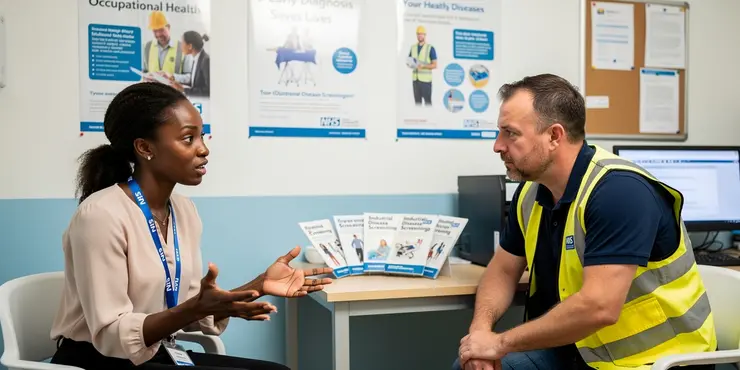
Why is early detection of industrial diseases important?
Relevance: 74%
-

What causes industrial diseases?
Relevance: 73%
-

Are industrial diseases always covered by compensation?
Relevance: 71%
-

What industries have higher risks of industrial diseases?
Relevance: 71%

-

What are some common examples of industrial diseases?
Relevance: 69%
-
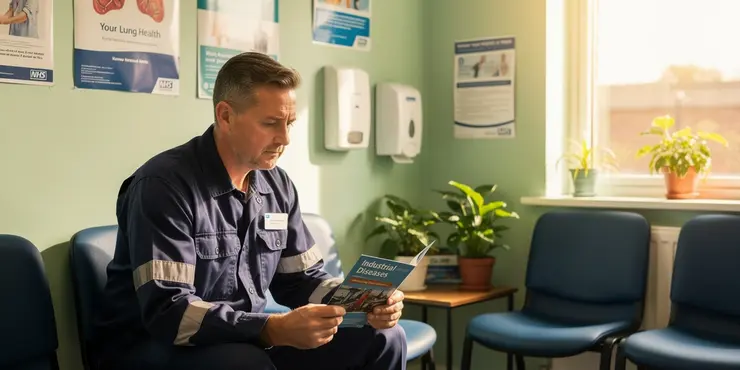
Can industrial diseases be severe or life-threatening?
Relevance: 68%
-

Can industrial diseases be prevented?
Relevance: 65%
-

What symptoms might suggest an industrial disease?
Relevance: 65%
-
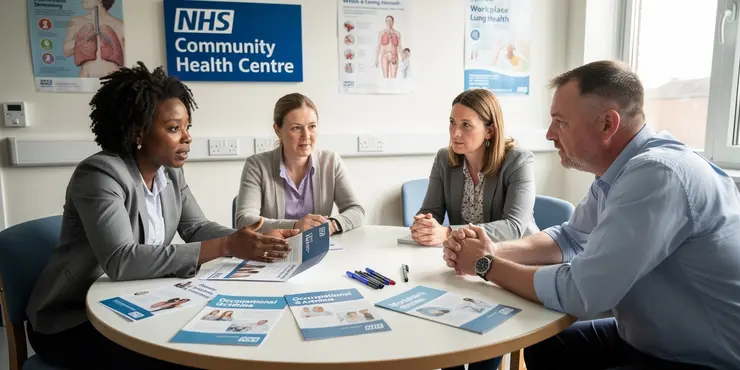
What is occupational asthma?
Relevance: 59%
-

How do employers reduce the risk of industrial diseases?
Relevance: 58%
-

What are my rights regarding workplace safety as a gig worker?
Relevance: 54%
-
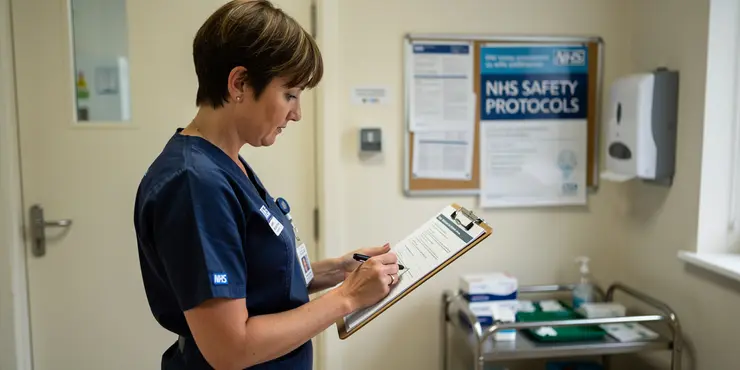
Health and safety responsibilities
Relevance: 53%
-

What is occupational dermatitis?
Relevance: 51%
-

Can primary care support workers access mental health support?
Relevance: 38%
-

What if my employer asks me not to report the accident?
Relevance: 38%
-
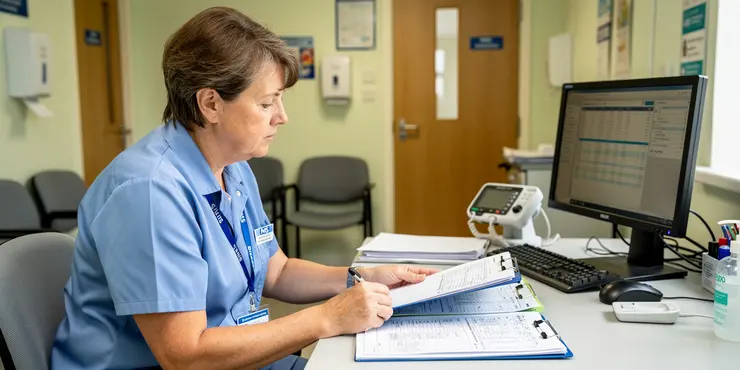
Lone Workers
Relevance: 37%
-
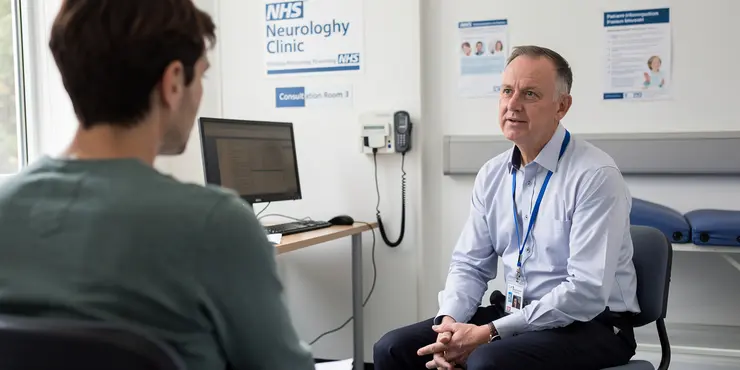
What kinds of specialists are involved in treating Huntington's disease?
Relevance: 37%
-

Can noise at work cause disease?
Relevance: 36%
-
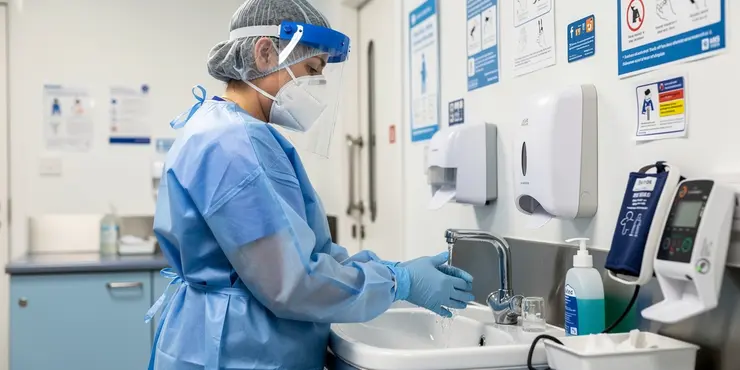
How can healthcare workers protect themselves from Marburg virus infection?
Relevance: 36%
-

Should I take photos after a workplace accident?
Relevance: 35%
-

What information should I give when reporting a workplace accident?
Relevance: 35%
-

What healthcare policies should support workers be aware of?
Relevance: 34%
-

Who should I speak to first after a work accident?
Relevance: 34%
-

Is Legionnaires' Disease contagious?
Relevance: 34%
-
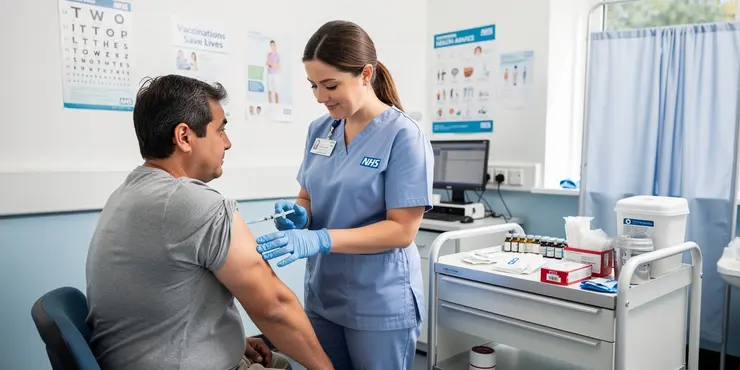
Should health care workers get the meningitis vaccine?
Relevance: 34%
-

Are gig workers entitled to sick leave?
Relevance: 34%
-

Do I need to see a doctor after a workplace accident?
Relevance: 32%
-
How is flesh-eating disease diagnosed?
Relevance: 32%
-

Are gig workers entitled to workers' compensation?
Relevance: 32%
-

Does H9N2 pose a threat to the poultry industry?
Relevance: 31%
-

What should I do if I suspect my drink has been spiked?
Relevance: 31%
-

Should I report a near miss even if no one was hurt?
Relevance: 31%
-

Mesothelioma
Relevance: 31%
-

THE LAW IN 60 SECONDS | HEALTH AND SAFETY AT WORK
Relevance: 30%
Recognise the signs and act early
If you think your health problems may be linked to work, take them seriously. Industrial diseases can develop slowly, so symptoms are sometimes missed at first.
Common signs can include breathing problems, skin irritation, hearing loss, pain in the joints, or feeling generally unwell after exposure at work. Keep a note of when symptoms started and whether they get worse during or after shifts.
Tell your employer
Report your concerns to your manager, supervisor, or health and safety representative as soon as possible. Explain what you think has caused the problem and what symptoms you are experiencing.
Your employer should take your report seriously and may need to review the workplace risks. They may also need to adjust your duties, improve controls, or arrange further assessments.
Get medical advice
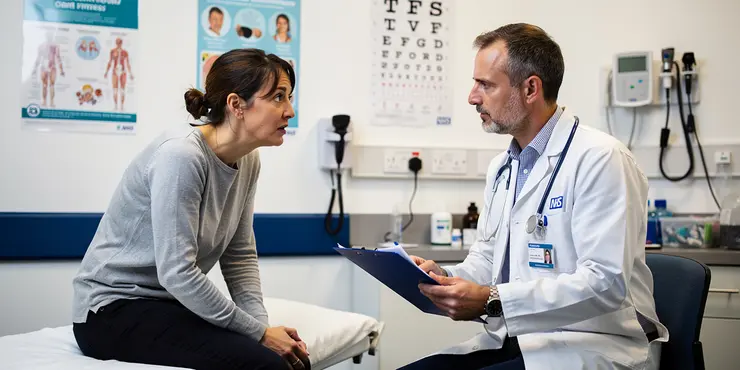
Make an appointment with your GP or occupational health service if you have one. Tell them you think your condition may be related to your job, because that can help them ask the right questions.
You may be referred for tests, specialist treatment, or advice on whether your condition could be work-related. Keep copies of any letters, test results, and prescriptions.
Keep records and gather evidence
Write down details of your job, the substances or processes you were exposed to, and how long you worked around them. Include dates, symptoms, and any incidents that may have made things worse.
If possible, keep copies of training records, risk assessments, accident reports, and emails about the hazard. This information can be useful if you later need to make a claim or ask for an investigation.
Check your rights and seek support
You may be entitled to sick pay, benefits, or compensation if your illness was caused by work. In many cases, you can get advice from a trade union, Citizens Advice, or a solicitor who deals with workplace illness.
If the exposure involved a serious safety concern, you can also raise it with the Health and Safety Executive. They can investigate certain risks and take action where laws may have been broken.
Don’t wait to take action
The sooner you act, the easier it may be to protect your health and prevent further exposure. Early reporting can also help other workers avoid the same problem.
If you are unsure whether your condition is an industrial disease, speak to a doctor or workplace adviser anyway. It is better to ask early than to delay until the problem becomes more serious.
Frequently Asked Questions
What should a worker do first if they suspect they have an industrial disease?
They should seek medical attention promptly and tell the clinician about their job, exposures, and symptoms.
Why is it important to report suspected industrial disease early?
Early reporting can help with diagnosis, treatment, workplace adjustments, and prevention of further exposure.
Should a worker tell their employer if they suspect an industrial disease?
Yes, they should report their concerns to their employer or supervisor and follow workplace reporting procedures.
What information should a worker gather about possible workplace exposure?
They should note the substances, tasks, dates, duration of exposure, symptoms, and any protective equipment used.
Can a worker see a doctor even if they are not sure the illness is work-related?
Yes, they should still see a doctor and mention that they think the condition may be related to work.
Should the worker keep records of symptoms?
Yes, keeping a symptom diary can help identify patterns and support medical evaluation.
What if symptoms get better away from work and worse at work?
That pattern may suggest a work-related cause, so the worker should inform a healthcare professional and report it to the employer.
Is it important to follow workplace safety procedures after suspecting an industrial disease?
Yes, the worker should continue using required controls and protective equipment unless advised otherwise.
Should coworkers with similar symptoms be mentioned?
Yes, mentioning similar symptoms in coworkers may help identify a shared workplace exposure.
What should a worker do if they are worried about retaliation for reporting?
They should document concerns, use formal reporting channels, and seek advice from a union, safety representative, or legal advisor if needed.
Can a worker ask for a workplace exposure assessment?
Yes, they can request an assessment of the work environment and exposure levels through the employer or safety team.
Should the worker keep copies of medical and workplace reports?
Yes, they should keep copies of all medical notes, incident reports, and exposure records.
What if the worker is told the illness is not work-related?
They can ask for a second medical opinion or further evaluation if symptoms and exposure history still suggest a workplace cause.
Should the worker avoid the suspected exposure until assessed?
If possible and safe, they should reduce or avoid further exposure until a medical and workplace review is completed.
Can industrial disease claims depend on medical evidence?
Yes, medical evidence is often important for confirming the diagnosis and linking it to work exposure.
Should the worker contact a union or safety representative?
Yes, they can get support from a union, safety representative, or occupational health service.
What if the worker needs workplace accommodations?
They should ask their employer or occupational health provider about temporary duties or other adjustments.
Is it helpful to know the names of chemicals or agents at work?
Yes, identifying specific substances can help healthcare providers and safety staff assess the risk.
Should the worker follow up after the initial doctor visit?
Yes, they should follow up if symptoms continue, worsen, or if more test results or workplace information become available.
What is the safest overall approach if a worker suspects an industrial disease?
The safest approach is to seek medical care, document exposures and symptoms, report the concern, and request a workplace review as soon as possible.

Useful Linksxxx
This website offers general information and is not a substitute for professional advice.
Always seek guidance from qualified professionals.
If you have any medical concerns or need urgent help, contact a healthcare professional or emergency services immediately.
Some of this content was generated with AI assistance. We've done our best to keep it accurate, helpful, and human-friendly.
- Ergsy carefully checks the information in the videos we provide here.
- Videos shown by Youtube after a video has completed, have NOT been reviewed by ERGSY.
- To view, click the arrow in centre of video.
- Most of the videos you find here will have subtitles and/or closed captions available.
- You may need to turn these on, and choose your preferred language.
- Go to the video you'd like to watch.
- If closed captions (CC) are available, settings will be visible on the bottom right of the video player.
- To turn on Captions, click settings.
- To turn off Captions, click settings again.
More Items From Ergsy search
-
What are industrial diseases and illnesses?
Relevance: 100%
-
Are industrial diseases the same as work-related illnesses?
Relevance: 95%
-
What should a worker do if they suspect an industrial disease?
Relevance: 93%
-
How are industrial diseases diagnosed?
Relevance: 88%
-
Do industrial diseases only affect factory workers?
Relevance: 84%
-
Can industrial diseases develop over time?
Relevance: 76%
-
Why is early detection of industrial diseases important?
Relevance: 74%
-
What causes industrial diseases?
Relevance: 73%
-
Are industrial diseases always covered by compensation?
Relevance: 71%
-
What industries have higher risks of industrial diseases?
Relevance: 71%
-
What are some common examples of industrial diseases?
Relevance: 69%
-
Can industrial diseases be severe or life-threatening?
Relevance: 68%
-
Can industrial diseases be prevented?
Relevance: 65%
-
What symptoms might suggest an industrial disease?
Relevance: 65%
-
What is occupational asthma?
Relevance: 59%
-
How do employers reduce the risk of industrial diseases?
Relevance: 58%
-
What are my rights regarding workplace safety as a gig worker?
Relevance: 54%
-
Health and safety responsibilities
Relevance: 53%
-
What is occupational dermatitis?
Relevance: 51%
-
Can primary care support workers access mental health support?
Relevance: 38%
-
What if my employer asks me not to report the accident?
Relevance: 38%
-
Lone Workers
Relevance: 37%
-
What kinds of specialists are involved in treating Huntington's disease?
Relevance: 37%
-
Can noise at work cause disease?
Relevance: 36%
-
How can healthcare workers protect themselves from Marburg virus infection?
Relevance: 36%
-
Should I take photos after a workplace accident?
Relevance: 35%
-
What information should I give when reporting a workplace accident?
Relevance: 35%
-
What healthcare policies should support workers be aware of?
Relevance: 34%
-
Who should I speak to first after a work accident?
Relevance: 34%
-
Is Legionnaires' Disease contagious?
Relevance: 34%
-
Should health care workers get the meningitis vaccine?
Relevance: 34%
-
Are gig workers entitled to sick leave?
Relevance: 34%
-
Do I need to see a doctor after a workplace accident?
Relevance: 32%
-
How is flesh-eating disease diagnosed?
Relevance: 32%
-
Are gig workers entitled to workers' compensation?
Relevance: 32%
-
Does H9N2 pose a threat to the poultry industry?
Relevance: 31%
-
What should I do if I suspect my drink has been spiked?
Relevance: 31%
-
Should I report a near miss even if no one was hurt?
Relevance: 31%
-
Mesothelioma
Relevance: 31%
-
THE LAW IN 60 SECONDS | HEALTH AND SAFETY AT WORK
Relevance: 30%