

Speak To An Expert
Get clear, personalised advice for your situation.
Jot down a few questions to make the most of your conversation.
More Items From Ergsy search
-

Do I need to see a doctor after a workplace accident?
Relevance: 100%
-

Should I take photos after a workplace accident?
Relevance: 96%
-
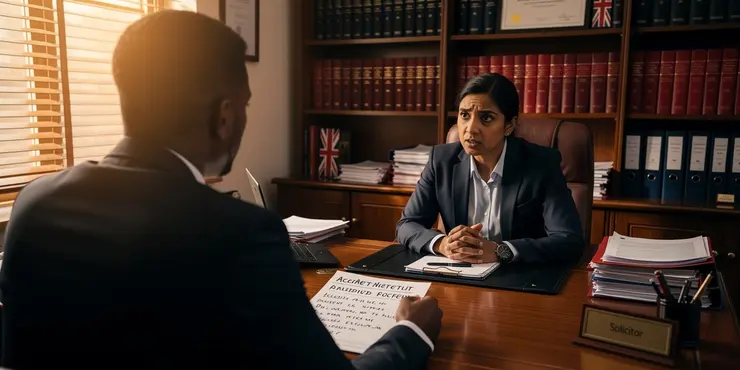
What information should I give when reporting a workplace accident?
Relevance: 85%
-
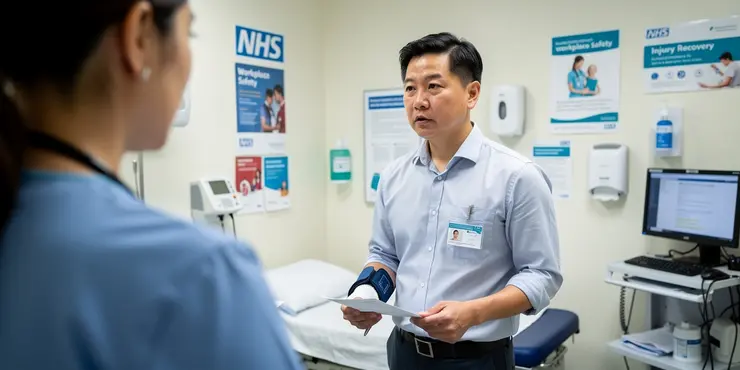
What shall I do if I have had an accident at work?
Relevance: 75%
-

What is the most important thing to remember after an accident at work?
Relevance: 73%
-

Do I need to fill in an accident report form?
Relevance: 73%
-

What if my employer asks me not to report the accident?
Relevance: 72%
-

Who should I speak to first after a work accident?
Relevance: 66%
-

Should I tell my manager about a work accident even if it seems minor?
Relevance: 64%
-
Should I get witness statements after an accident at work?
Relevance: 63%

-
What records should I keep after an accident at work?
Relevance: 63%
-
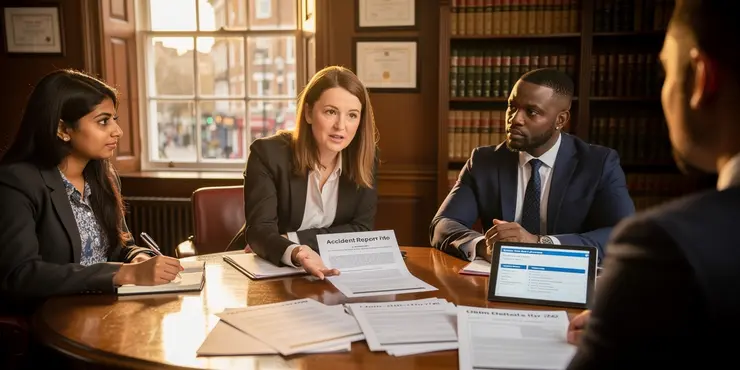
Can I claim for a slip and fall accident?
Relevance: 62%
-

What if I need time off because of the accident?
Relevance: 60%
-
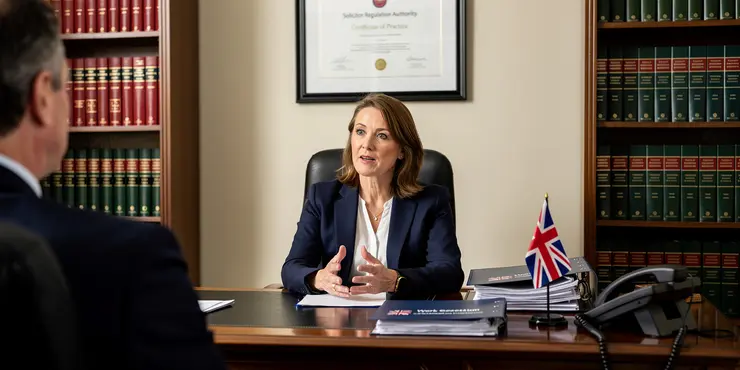
Can I make a compensation claim after a work accident?
Relevance: 60%
-

What if the accident was caused by faulty equipment?
Relevance: 55%
-
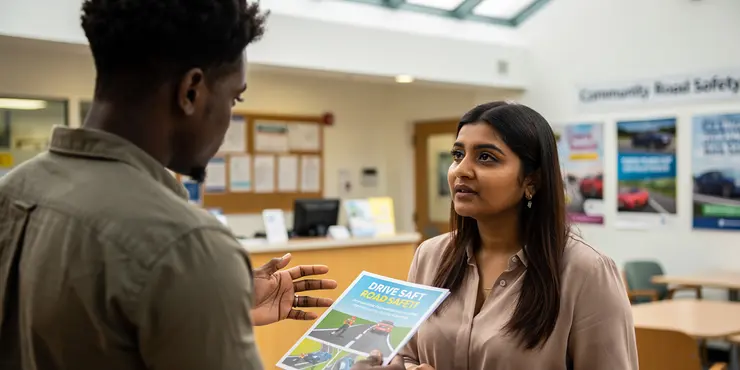
What is the difference between an accident and a collision?
Relevance: 54%
-
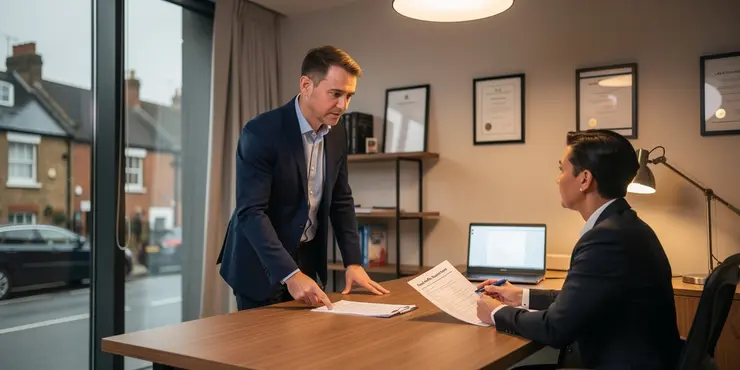
What is a Road Traffic Accident - RTA?
Relevance: 52%
-
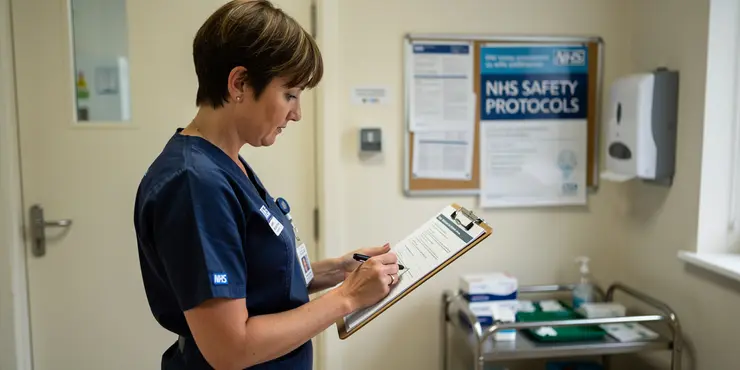
Health and safety responsibilities
Relevance: 51%
-
How much does the Workplace Charging Scheme cover?
Relevance: 51%
-

What if there were no witnesses to the accident?
Relevance: 51%
-

Can a road traffic accident involve multiple vehicles?
Relevance: 50%
-

Workplace Pension UK | Pros and Cons | GET FREE MONEY FROM YOUR EMPLOYER!
Relevance: 50%
-

What kinds of accidents are covered by public liability claims?
Relevance: 50%
-

How is blame determined in a Road Traffic Accident?
Relevance: 49%
-

What if I was partly at fault for the accident?
Relevance: 49%
-
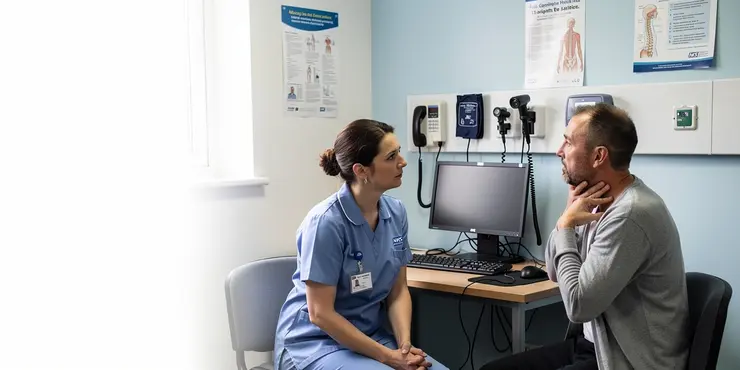
What is whiplash after a car accident?
Relevance: 48%
-
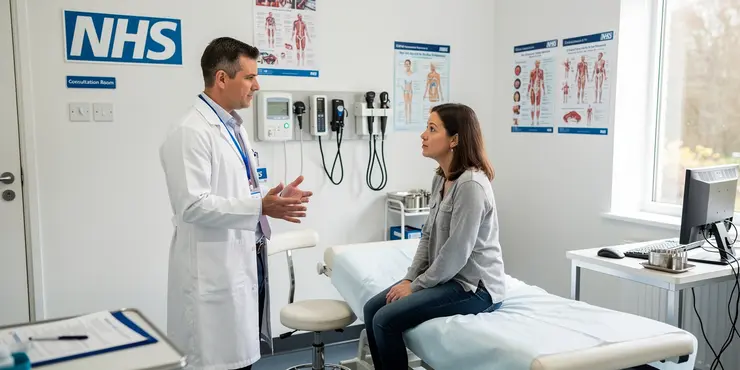
Is it necessary to see a doctor for whiplash after a car accident?
Relevance: 48%
-
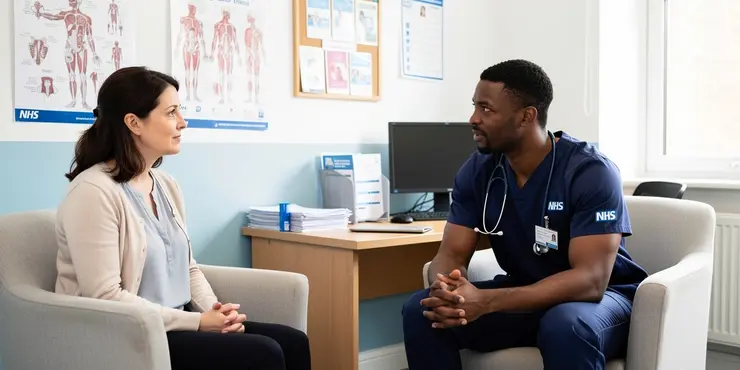
What should I do if I cannot work after the accident?
Relevance: 47%
-
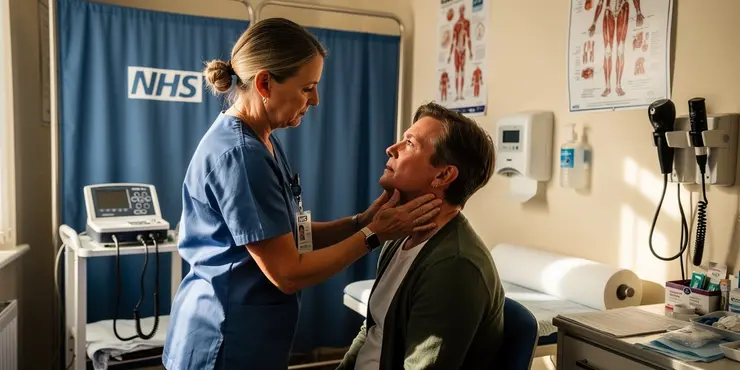
How soon after a car accident do whiplash symptoms appear?
Relevance: 47%
-
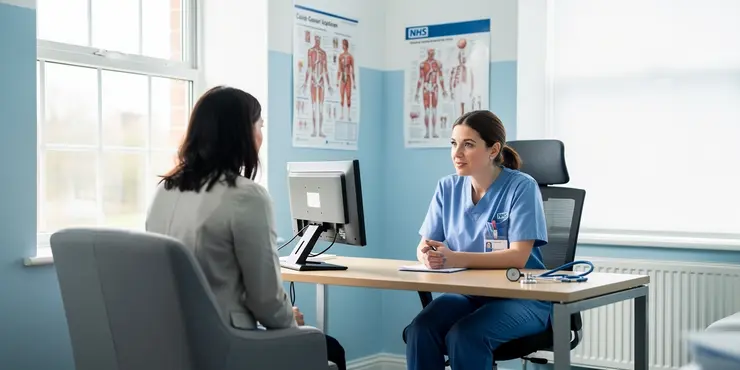
What causes whiplash in a car accident?
Relevance: 47%
-

What if the accident happened on council or government property?
Relevance: 47%
-

What is a Road Traffic Accident (RTA)?
Relevance: 46%
-

What are my rights regarding workplace safety as a gig worker?
Relevance: 46%
-

Can noise at work cause disease?
Relevance: 43%
-

THE LAW IN 60 SECONDS | HEALTH AND SAFETY AT WORK
Relevance: 43%
-

Are public liability claims the same as personal injury claims?
Relevance: 42%
-
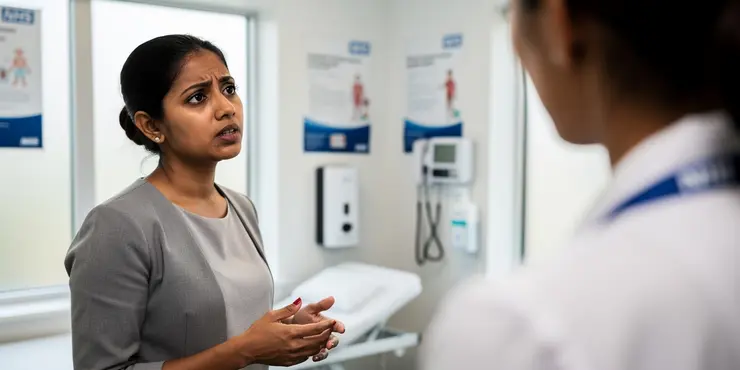
Should I report a near miss even if no one was hurt?
Relevance: 40%
-

What should a worker do if they suspect an industrial disease?
Relevance: 36%
-

What is the Workplace Charging Scheme?
Relevance: 35%
-

What causes industrial diseases?
Relevance: 31%
The most important thing to remember
The most important thing to remember after an accident at work is to make sure your immediate safety and health come first. If you are hurt, stop what you are doing and get help straight away. Do not try to carry on working if it could make the injury worse.
In the UK, even a minor-looking accident can become more serious later. If needed, call for a first aider, seek medical advice, or go to A&E. Your welfare matters more than finishing the task.
Report the accident straight away
Once you are safe, report the accident to your manager, supervisor, or another responsible person as soon as possible. This helps your employer deal with the risk and prevents similar incidents from happening again. It also creates a record that the accident took place.
Ask for the accident to be entered in the accident book if your workplace has one. This is especially important if you may need time off, medical treatment, or may want to make a claim later. Do not assume someone else will do it for you.
Get the details recorded
If you are able, write down what happened while it is still fresh in your memory. Include the date, time, location, what you were doing, and whether anyone saw it happen. Keep copies of any photos, messages, or medical notes.
It can also help to note the names of witnesses. Clear records can be useful if there is a dispute about how the accident happened. They may also support any insurance or legal claim.
Know when to seek advice
If the accident was caused by unsafe conditions, faulty equipment, lack of training, or poor procedures, you may have rights under UK health and safety law. You should not feel pressured to ignore what happened. Employers have a duty to protect staff as far as reasonably practicable.
If you are unsure what to do next, you can speak to your union, a solicitor, or an advice service. Getting guidance early can make it easier to understand your options. This is especially important if your injury is serious or you need time off work.
Take care of yourself afterwards
After an accident, monitor your symptoms carefully, even if you felt okay at first. Some injuries, such as sprains, head injuries, or back problems, may worsen over time. Follow medical advice and do not rush back before you are ready.
It is also worth thinking about the wider impact on your wellbeing. An accident at work can be stressful and upsetting. Asking for support is sensible and can help you recover properly.
Frequently Asked Questions
What is the most important thing to remember after an accident at work?
The most important thing to remember is to get medical help first if needed and report the accident right away to your supervisor or manager.
Why should I seek medical attention after a workplace accident?
Some injuries are not obvious immediately, and getting checked quickly can prevent complications and create a medical record of the injury.
Who should I report the accident to?
You should report it to your supervisor, manager, or the person designated by your workplace to handle incidents.
Why is reporting the accident immediately important?
Immediate reporting helps ensure proper care, preserves evidence, and supports any workers' compensation or insurance claim.
Should I tell someone if the injury seems minor?
Yes. Even minor injuries should be reported because they can worsen later and still need to be documented.
What information should I remember after the accident?
Remember the time, place, what happened, who saw it, and any equipment or hazards involved.
Should I take photos after a workplace accident?
If it is safe to do so, photos of the scene, equipment, or hazards can help document what happened.
Why is it important not to clean up the scene right away?
Leaving the scene as it is can help with the investigation and may prevent similar accidents from happening again.
What if I think I caused the accident?
Still report it and seek help. The cause can be investigated later, and your health and safety come first.
Can I go back to work if I feel okay after the accident?
Only if it is safe and you are not advised otherwise by a medical professional or your employer.
Should I complete an incident report?
Yes. An incident report creates an official record and may be needed for workplace procedures or compensation claims.
What if there were witnesses?
Ask witnesses for their names and contact details so their accounts can be included in the report.
Why should I keep copies of documents related to the accident?
Copies of medical records, reports, and communications can be important if questions about the accident arise later.
Should I follow up on symptoms after the accident?
Yes. Some symptoms appear later, so monitor your condition and seek medical care if anything changes.
What if my employer downplays the accident?
You should still document it and seek medical attention if needed, because your safety and records matter.
Is it important to know the workplace accident procedure before one happens?
Yes. Knowing the procedure in advance helps you act quickly and correctly in an emergency.
What is one key thing not to forget after a work injury?
Do not forget to report it and get it documented, even if you think it is not serious.
How can I protect myself after an accident at work?
Get medical care, report the incident, document details, and follow any instructions from healthcare providers and your employer.
Why does timing matter after a workplace accident?
Acting quickly improves safety, supports treatment, and helps ensure the incident is accurately recorded.
What is the safest mindset to have after an accident at work?
Put health and reporting first, and do not ignore symptoms or delay documenting what happened.

Useful Linksxxx
This website offers general information and is not a substitute for professional advice.
Always seek guidance from qualified professionals.
If you have any medical concerns or need urgent help, contact a healthcare professional or emergency services immediately.
Some of this content was generated with AI assistance. We've done our best to keep it accurate, helpful, and human-friendly.
- Ergsy carefully checks the information in the videos we provide here.
- Videos shown by Youtube after a video has completed, have NOT been reviewed by ERGSY.
- To view, click the arrow in centre of video.
- Most of the videos you find here will have subtitles and/or closed captions available.
- You may need to turn these on, and choose your preferred language.
- Go to the video you'd like to watch.
- If closed captions (CC) are available, settings will be visible on the bottom right of the video player.
- To turn on Captions, click settings.
- To turn off Captions, click settings again.
More Items From Ergsy search
-
Do I need to see a doctor after a workplace accident?
Relevance: 100%
-
Should I take photos after a workplace accident?
Relevance: 96%
-
What information should I give when reporting a workplace accident?
Relevance: 85%
-
What shall I do if I have had an accident at work?
Relevance: 75%
-
What is the most important thing to remember after an accident at work?
Relevance: 73%
-
Do I need to fill in an accident report form?
Relevance: 73%
-
What if my employer asks me not to report the accident?
Relevance: 72%
-
Who should I speak to first after a work accident?
Relevance: 66%
-
Should I tell my manager about a work accident even if it seems minor?
Relevance: 64%
-
Should I get witness statements after an accident at work?
Relevance: 63%
-
What records should I keep after an accident at work?
Relevance: 63%
-
Can I claim for a slip and fall accident?
Relevance: 62%
-
What if I need time off because of the accident?
Relevance: 60%
-
Can I make a compensation claim after a work accident?
Relevance: 60%
-
What if the accident was caused by faulty equipment?
Relevance: 55%
-
What is the difference between an accident and a collision?
Relevance: 54%
-
What is a Road Traffic Accident - RTA?
Relevance: 52%
-
Health and safety responsibilities
Relevance: 51%
-
How much does the Workplace Charging Scheme cover?
Relevance: 51%
-
What if there were no witnesses to the accident?
Relevance: 51%
-
Can a road traffic accident involve multiple vehicles?
Relevance: 50%
-
Workplace Pension UK | Pros and Cons | GET FREE MONEY FROM YOUR EMPLOYER!
Relevance: 50%
-
What kinds of accidents are covered by public liability claims?
Relevance: 50%
-
How is blame determined in a Road Traffic Accident?
Relevance: 49%
-
What if I was partly at fault for the accident?
Relevance: 49%
-
What is whiplash after a car accident?
Relevance: 48%
-
Is it necessary to see a doctor for whiplash after a car accident?
Relevance: 48%
-
What should I do if I cannot work after the accident?
Relevance: 47%
-
How soon after a car accident do whiplash symptoms appear?
Relevance: 47%
-
What causes whiplash in a car accident?
Relevance: 47%
-
What if the accident happened on council or government property?
Relevance: 47%
-
What is a Road Traffic Accident (RTA)?
Relevance: 46%
-
What are my rights regarding workplace safety as a gig worker?
Relevance: 46%
-
Can noise at work cause disease?
Relevance: 43%
-
THE LAW IN 60 SECONDS | HEALTH AND SAFETY AT WORK
Relevance: 43%
-
Are public liability claims the same as personal injury claims?
Relevance: 42%
-
Should I report a near miss even if no one was hurt?
Relevance: 40%
-
What should a worker do if they suspect an industrial disease?
Relevance: 36%
-
What is the Workplace Charging Scheme?
Relevance: 35%
-
What causes industrial diseases?
Relevance: 31%