

Speak To An Expert
Get clear, personalised advice for your situation.
Jot down a few questions to make the most of your conversation.
More Items From Ergsy search
-

Should I take photos after a workplace accident?
Relevance: 100%
-

Do I need to see a doctor after a workplace accident?
Relevance: 62%
-

What if there were no witnesses to the accident?
Relevance: 60%
-

What information should I give when reporting a workplace accident?
Relevance: 59%
-

What records should I keep after an accident at work?
Relevance: 58%
-

What is the most important thing to remember after an accident at work?
Relevance: 58%
-

What shall I do if I have had an accident at work?
Relevance: 57%
-

Can I make a compensation claim after a work accident?
Relevance: 54%
-

Should I get witness statements after an accident at work?
Relevance: 54%
-

How is blame determined in a Road Traffic Accident?
Relevance: 52%

-

What if my employer asks me not to report the accident?
Relevance: 51%
-

Can I claim for a slip and fall accident?
Relevance: 51%
-

Do I need to fill in an accident report form?
Relevance: 49%
-

Who should I speak to first after a work accident?
Relevance: 48%
-

Can a road traffic accident involve multiple vehicles?
Relevance: 48%
-

What if the accident was caused by faulty equipment?
Relevance: 47%
-

What if I was partly at fault for the accident?
Relevance: 47%
-

What if the accident happened on council or government property?
Relevance: 47%
-

What if I need time off because of the accident?
Relevance: 44%
-
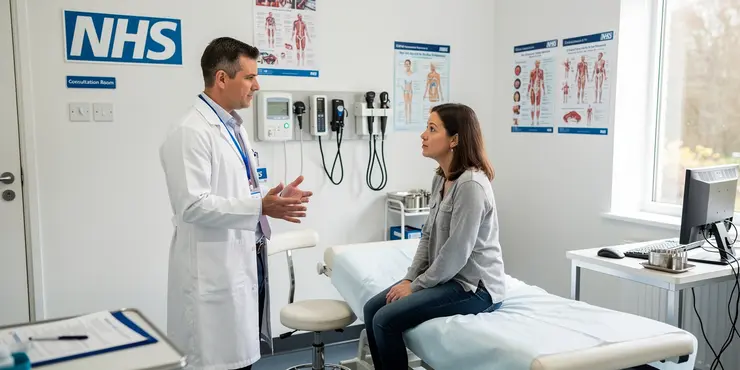
Is it necessary to see a doctor for whiplash after a car accident?
Relevance: 44%
-

What is a Road Traffic Accident - RTA?
Relevance: 43%
-

Do I need evidence for a public liability claim?
Relevance: 43%
-

What should I do if I cannot work after the accident?
Relevance: 42%
-
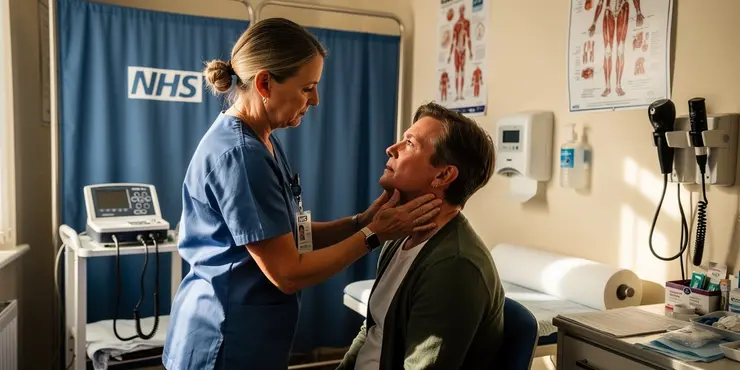
How soon after a car accident do whiplash symptoms appear?
Relevance: 41%
-

Should I tell my manager about a work accident even if it seems minor?
Relevance: 40%
-
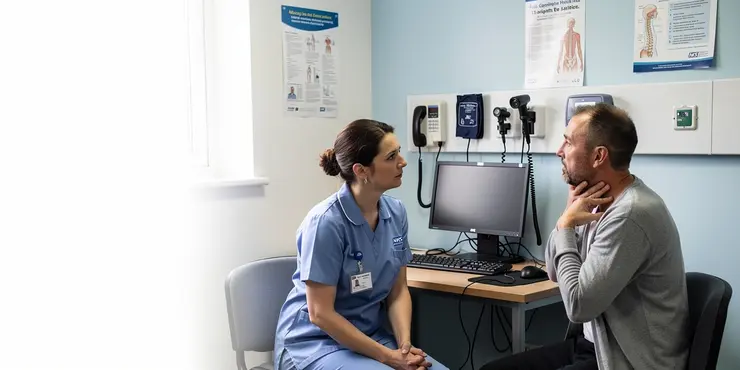
What is whiplash after a car accident?
Relevance: 40%
-

What is a Road Traffic Accident (RTA)?
Relevance: 40%
-

What kinds of accidents are covered by public liability claims?
Relevance: 37%
-
What is the difference between an accident and a collision?
Relevance: 37%
-
What causes whiplash in a car accident?
Relevance: 35%
-

Can an RTA happen without injury?
Relevance: 32%
-

Can pedestrians be victims of an RTA?
Relevance: 31%
-

How long do I have to make a public liability claim?
Relevance: 31%
-

Are public liability claims the same as personal injury claims?
Relevance: 31%
-

How do I start a public liability claim?
Relevance: 30%
-

What kinds of evidence should I keep?
Relevance: 30%
-

What should I do immediately after an RTA?
Relevance: 30%
-

What must be proven in a public liability claim?
Relevance: 29%
-

What are Public Liability Claims?
Relevance: 29%
-

Should I report every RTA to the police?
Relevance: 29%
Why photos can matter
Yes, taking photos after a workplace accident can be very helpful. Images can record the scene as it was immediately after the incident, before anything is moved or cleaned up.
For a UK worker, this can support an accident report, a claim for compensation, or an investigation by your employer. Photos may help show what caused the injury and whether safety measures were in place.
What to photograph
If it is safe to do so, take clear photos of the area where the accident happened. Include anything that may have contributed to the incident, such as spilled liquids, broken equipment, poor lighting, missing warning signs, or faulty flooring.
It can also help to photograph your injuries, damaged clothing, and any equipment involved. Try to take pictures from different angles so the full situation is clear.
When to take photos
Take photos as soon as you can after the accident, but only if it is safe and you are able to do so. Your health and safety should come first, so get medical help if you need it.
If you are too injured to take pictures, ask a colleague, manager, or union representative to do it for you. If possible, make sure the images are time-stamped or stored safely so they can be used later.
What else to do
Photos are useful, but they should be part of a wider record. Report the accident to your employer straight away and ask for it to be entered in the accident book.
It can also help to write down what happened while the details are fresh in your mind. Include the date, time, location, names of witnesses, and any immediate symptoms or pain you experienced.
Keep your evidence safe
Save the original photos and do not edit them. Keep copies in a secure place, such as your phone, cloud storage, or email, in case your device is lost or damaged.
If the incident may lead to a claim, speak to a solicitor or your trade union for advice. Good evidence can make it easier to show what happened and protect your position later.
Frequently Asked Questions
Should I take photos after a workplace accident?
Yes, if you are able and it is safe to do so, photos can help document the scene, injuries, equipment, and hazards for your report or claim.
What should I photograph after a workplace accident?
Take photos of the accident location, any unsafe conditions, damaged equipment, warning signs, spills, debris, and visible injuries if appropriate.
When should I take photos after a workplace accident?
Take photos as soon as possible after the incident, before anything is cleaned up, moved, repaired, or changed.
Is it okay to take photos if I am injured?
If you are hurt, get medical help first. If you cannot take photos yourself, ask a coworker, supervisor, or someone else to do it if permitted.
Can photos help with a workers' compensation claim?
Yes, photos can support your claim by showing how the accident happened, what conditions existed, and the extent of the damage or injury.
Should I photograph my injuries after a workplace accident?
Yes, if appropriate and comfortable, photos of visible injuries can help show their severity and how they changed over time.
Do I need permission to take photos after a workplace accident?
It depends on workplace rules and the situation, but you should prioritize safety and follow any site policies or legal restrictions.
What if my employer tells me not to take photos?
You should still document what you can legally and safely, and consider reporting the incident and keeping your own written notes.
Are photos better than written notes after an accident?
Photos and written notes work best together. Photos provide visual evidence, while notes record details, times, names, and what happened.
Should I include close-up and wide-angle photos?
Yes, wide shots show the overall scene and close-ups show specific hazards, damage, or injuries, which makes the documentation clearer.
Can timestamped photos help after a workplace accident?
Yes, timestamped photos can strengthen your documentation by showing when the images were taken relative to the incident.
What if the scene has already been cleaned up?
Take photos of the current condition anyway and document that the area was altered. Also write down what you observed before it changed.
Should I photograph witnesses or other people after the accident?
Only if they agree and it is appropriate. It is often better to record their names and contact information instead of taking their photos.
Can I use my phone to take accident photos at work?
Usually yes, if company policy allows it and it does not interfere with safety, medical care, or emergency response.
Should I send the photos to my supervisor?
Yes, if required by your workplace reporting process, but keep copies for your own records as well.
How many photos should I take after a workplace accident?
Take enough photos to clearly show the scene from multiple angles, the hazard, any damage, and any injuries without missing important details.
Should I take photos even if the accident seems minor?
Yes, even minor incidents can become important later, and photos provide useful evidence if pain, damage, or liability issues arise.
Can photos protect me if there is a dispute about the accident?
Yes, photos can help resolve disagreements by showing the condition of the workplace and supporting your version of events.
What should I avoid when taking workplace accident photos?
Do not put yourself at risk, interfere with emergency response, tamper with evidence, or ignore company safety rules.
Should I keep my workplace accident photos for future reference?
Yes, save copies in a safe place because they may be useful for medical records, internal reports, insurance, or legal matters later.

Useful Linksxxx
This website offers general information and is not a substitute for professional advice.
Always seek guidance from qualified professionals.
If you have any medical concerns or need urgent help, contact a healthcare professional or emergency services immediately.
Some of this content was generated with AI assistance. We've done our best to keep it accurate, helpful, and human-friendly.
- Ergsy carefully checks the information in the videos we provide here.
- Videos shown by Youtube after a video has completed, have NOT been reviewed by ERGSY.
- To view, click the arrow in centre of video.
- Most of the videos you find here will have subtitles and/or closed captions available.
- You may need to turn these on, and choose your preferred language.
- Go to the video you'd like to watch.
- If closed captions (CC) are available, settings will be visible on the bottom right of the video player.
- To turn on Captions, click settings.
- To turn off Captions, click settings again.
More Items From Ergsy search
-
Should I take photos after a workplace accident?
Relevance: 100%
-
Do I need to see a doctor after a workplace accident?
Relevance: 62%
-
What if there were no witnesses to the accident?
Relevance: 60%
-
What information should I give when reporting a workplace accident?
Relevance: 59%
-
What records should I keep after an accident at work?
Relevance: 58%
-
What is the most important thing to remember after an accident at work?
Relevance: 58%
-
What shall I do if I have had an accident at work?
Relevance: 57%
-
Can I make a compensation claim after a work accident?
Relevance: 54%
-
Should I get witness statements after an accident at work?
Relevance: 54%
-
How is blame determined in a Road Traffic Accident?
Relevance: 52%
-
What if my employer asks me not to report the accident?
Relevance: 51%
-
Can I claim for a slip and fall accident?
Relevance: 51%
-
Do I need to fill in an accident report form?
Relevance: 49%
-
Who should I speak to first after a work accident?
Relevance: 48%
-
Can a road traffic accident involve multiple vehicles?
Relevance: 48%
-
What if the accident was caused by faulty equipment?
Relevance: 47%
-
What if I was partly at fault for the accident?
Relevance: 47%
-
What if the accident happened on council or government property?
Relevance: 47%
-
What if I need time off because of the accident?
Relevance: 44%
-
Is it necessary to see a doctor for whiplash after a car accident?
Relevance: 44%
-
What is a Road Traffic Accident - RTA?
Relevance: 43%
-
Do I need evidence for a public liability claim?
Relevance: 43%
-
What should I do if I cannot work after the accident?
Relevance: 42%
-
How soon after a car accident do whiplash symptoms appear?
Relevance: 41%
-
Should I tell my manager about a work accident even if it seems minor?
Relevance: 40%
-
What is whiplash after a car accident?
Relevance: 40%
-
What is a Road Traffic Accident (RTA)?
Relevance: 40%
-
What kinds of accidents are covered by public liability claims?
Relevance: 37%
-
What is the difference between an accident and a collision?
Relevance: 37%
-
What causes whiplash in a car accident?
Relevance: 35%
-
Can an RTA happen without injury?
Relevance: 32%
-
Can pedestrians be victims of an RTA?
Relevance: 31%
-
How long do I have to make a public liability claim?
Relevance: 31%
-
Are public liability claims the same as personal injury claims?
Relevance: 31%
-
How do I start a public liability claim?
Relevance: 30%
-
What kinds of evidence should I keep?
Relevance: 30%
-
What should I do immediately after an RTA?
Relevance: 30%
-
What must be proven in a public liability claim?
Relevance: 29%
-
What are Public Liability Claims?
Relevance: 29%
-
Should I report every RTA to the police?
Relevance: 29%