
Get Answers
Introduction to Lifting Weights During Pregnancy
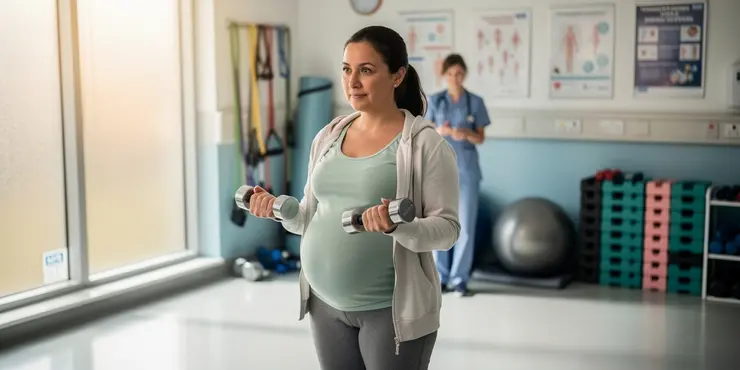
Lifting weights during pregnancy can be a beneficial way to maintain strength, improve mood, and promote overall health. However, it is essential to approach this activity with caution and proper guidance. Understanding how to safely incorporate weightlifting into a pregnancy fitness routine is crucial for the health of both the mother and the baby.
Benefits of Weightlifting While Pregnant
Weightlifting during pregnancy, when done correctly, offers numerous benefits. It helps in boosting energy levels, improving posture, and reducing back pain. Additionally, maintaining muscle strength can assist in labor and recovery post-delivery. Weightlifting also supports mental well-being by releasing endorphins, which can uplift mood and reduce anxiety.
Guidelines for Safe Weightlifting
Before starting or continuing a weightlifting routine during pregnancy, consulting with a healthcare provider or a qualified fitness expert is crucial. They can provide personalized advice based on individual health conditions and fitness levels. It is essential to focus on proper form and avoid heavy weights to reduce injury risk. Lighter weights with higher repetitions can help maintain strength without straining the body.
Precautions and Considerations
Pregnant women should be mindful of certain precautions while lifting weights. Avoid exercises that require lying flat on the back, especially after the first trimester, as this can restrict blood flow. Pay attention to the body's signals and cease any exercise that causes pain, dizziness, or unusual discomfort. It is important to stay hydrated and take breaks as needed.
Exercises to Avoid
During pregnancy, it is advisable to avoid heavy weightlifting and exercises that involve high impact or risk of abdominal trauma. Exercises like heavy squats or deadlifts might need modifications or substitution with safer alternatives. Engaging in activities that cause excessive strain or require breath holding should also be avoided.
Conclusion
With appropriate guidance and precautions, lifting weights during pregnancy can be a safe and beneficial activity for many women. By prioritizing safety and adapting routines to suit changing bodies, expectant mothers can enjoy the physical and mental benefits of this exercise. Consulting healthcare providers and fitness professionals remains a fundamental aspect of ensuring a healthy pregnancy journey while incorporating weightlifting.
Introduction to Lifting Weights During Pregnancy
Lifting weights when you are pregnant can be good for you. It can help you stay strong, feel happier, and be healthy. But you must be careful and get good advice. Knowing how to lift weights safely is important for you and your baby.
Benefits of Weightlifting While Pregnant
Lifting weights the right way while pregnant helps you in many ways. It can give you more energy, help you stand up straight, and make your back hurt less. Strong muscles can also help when the baby is born and after. Lifting weights lets your brain make happy chemicals, which can make you feel good and less worried.
Guidelines for Safe Weightlifting
Before you start lifting weights when pregnant, talk to your doctor or a fitness expert. They can give you advice just for you. It's important to lift weights the right way. Don't lift heavy weights. Use light ones and do more repetitions. This helps you stay strong without hurting yourself.
Precautions and Considerations
When lifting weights, there are some things to watch out for. Don't exercise while lying flat on your back. This is important after your first three months of pregnancy. Listen to your body. Stop if it hurts or makes you dizzy. Always drink plenty of water and rest when you need to.
Exercises to Avoid
When you are pregnant, do not lift heavy weights. Do not do exercises that can hurt your belly. Avoid things like heavy squats or deadlifts. Do not do exercises that make you hold your breath for a long time.
Conclusion
If you are careful, lifting weights when pregnant can be safe and good for you. Make sure you change your workout as your body changes. This means you can keep lifting weights safely and feel better. Always talk to your doctor or a fitness expert to stay healthy.
Frequently Asked Questions
Yes, in most cases it is safe to lift weights during pregnancy if you have no complications and have consulted with your healthcare provider.
Use proper form, avoid heavy weights, and listen to your body. Avoid exercises lying on your back after the first trimester.
There is no evidence that moderate weightlifting can cause miscarriage, but it's important to follow safety guidelines and consult your doctor.
This varies depending on the individual. Generally, you should lift lighter weights that you can handle with proper form and that does not cause strain.
Yes, it can help maintain fitness, reduce back pain, and improve mood and energy levels.
Yes, if you experience pain or discomfort while lifting weights, you should stop immediately and consult your healthcare provider.
Some believe that maintaining strength and endurance can help with labor and recovery, but it is important to discuss with your healthcare provider.
Avoid exercises that put pressure on the back or abdomen and those that increase your risk of falling.
It is generally recommended to continue familiar activities rather than start new strenuous exercises during pregnancy without guidance.
This depends on your fitness level and pregnancy, but moderate exercise, including weightlifting, is often recommended a few times a week.
Yes, modifications might be necessary to ensure safety and comfort, such as reducing weight and avoiding certain positions.
If you feel overly fatigued, have pain, or feel dizzy, you may be overdoing it and should consult your healthcare provider.
Exercises like bicep curls, shoulder presses, and seated rows are generally safe with proper form and weight modifications.
It depends on your health and experience. Consult with a healthcare provider and a coach experienced with pregnancy adaptations.
It is more important to pay attention to how you feel rather than monitoring heart rate, but consult your doctor for personalized advice.
Certain weightlifting exercises can help maintain pelvic floor strength, but be sure to perform them correctly.
If you've been weightlifting before pregnancy and there are no medical concerns, continuing during the first trimester is often safe with precautions.
Focus on lighter weights, be mindful of your balance, and avoid exercises that require lying on your back or stomach.
Yes, avoid movements that involve twisting, lying on your back, or are high impact, especially as your pregnancy progresses.
Staying active and maintaining strength during pregnancy can aid postpartum recovery, but individualized advice is best.
Yes, you can lift weights when you are pregnant if you are healthy and have talked to your doctor first.
Make sure you do exercises the right way. Don't lift very heavy things. Pay attention to how your body feels. After the first 3 months, don't do exercises lying on your back.
We don't have proof that lifting light weights can cause miscarriage. It's important to be safe and ask your doctor for advice.
This can be different for each person. You should pick weights that feel okay for you. Make sure you can lift them without hurting yourself, and that your body is in the right position.
Yes, it can help you stay fit, stop back pain, and make you feel happier and more energetic.
If lifting weights hurts or feels bad, stop right away and talk to your doctor.
Some people think that staying strong and fit can make it easier when having a baby and getting better afterward. But it's important to talk to your doctor about it.
Don't do exercises that can hurt your back or tummy. Be careful with exercises where you might fall over.
It's usually best to keep doing the exercises you know while you are pregnant. Don’t start hard exercises unless you have help from an expert.
How much exercise you should do depends on how fit you are and your pregnancy. It's usually okay to do some easy exercise a few times each week, like lifting light weights.
Yes, changes might be needed to make sure everything is safe and comfy. You might need to make things lighter and not use some positions.
If you feel very tired, have pain, or feel dizzy, you might be doing too much. You should talk to your doctor.
Doing exercises like lifting weights with your arms, pushing weights above your head, and pulling weights while sitting can be safe. Make sure you do them the right way and use the right weights for you.
Talk to your doctor and a coach who knows about exercising when you're pregnant. They can help you stay safe.
Use tools like text-to-speech or simple reading apps if you find reading hard.
It is more important to notice how you feel than to check your heart rate. But, you should ask your doctor for advice just for you.
Some weightlifting exercises can help keep your pelvic floor strong. Make sure you do them the right way.
If you lifted weights before you were pregnant and the doctor says it's okay, you can usually keep lifting weights in the first 3 months. But be careful and stay safe.
Use lighter weights. Be careful with your balance. Don't do exercises where you lie on your back or stomach.
Yes, don't do exercises that twist your body, make you lie on your back, or are very bouncy. This is important as your pregnancy goes on.
Being active and staying strong when you are pregnant can help you get better after having a baby. It's good to get advice made just for you.

Ergsy Search Results
This website offers general information and is not a substitute for professional advice.
Always seek guidance from qualified professionals.
If you have any medical concerns or need urgent help, contact a healthcare professional or emergency services immediately.
Some of this content was generated with AI assistance. We've done our best to keep it accurate, helpful, and human-friendly.
- Ergsy carefully checks the information in the videos we provide here.
- Videos shown by Youtube after a video has completed, have NOT been reviewed by ERGSY.
- To view, click the arrow in centre of video.
- Most of the videos you find here will have subtitles and/or closed captions available.
- You may need to turn these on, and choose your preferred language.
- Go to the video you'd like to watch.
- If closed captions (CC) are available, settings will be visible on the bottom right of the video player.
- To turn on Captions, click settings.
- To turn off Captions, click settings again.