
Get Answers
Overview of the Nationwide Flu Vaccination Campaign
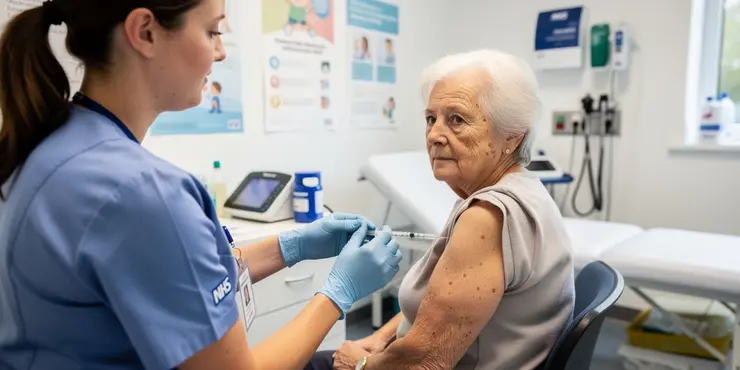
The UK has launched a nationwide flu vaccination campaign aimed at protecting the most vulnerable populations during the flu season. This comprehensive initiative is designed to mitigate the potential impact of influenza, a serious illness that can lead to severe complications, especially among those at greater risk. By prioritizing these groups, the campaign seeks to reduce the burden on the National Health Service (NHS) and ensure hospital capacities are not overwhelmed.
Targeted Populations for the Campaign
The vaccination campaign primarily targets vulnerable populations including older adults, pregnant women, young children, and individuals with chronic health conditions. Additionally, healthcare workers and carers who are in close contact with vulnerable individuals are also prioritized. This strategic approach ensures that those most likely to suffer complications receive the protection they need, thereby limiting the spread within communities and safeguarding public health.
Importance of Vaccination During Covid-19
With the ongoing challenges posed by the Covid-19 pandemic, the importance of flu vaccinations has been magnified. Coinfections of flu and Covid-19 could lead to serious health issues, making it critical to reduce the prevalence of flu. The vaccination campaign also aims to alleviate the pressure on healthcare resources by preventing flu-related hospitalizations, thereby allowing the NHS to focus on Covid-19 and other critical health services.
Accessibility of the Flu Vaccine
The campaign ensures that the flu vaccine is widely accessible to the targeted groups. Vaccination clinics are set up in various locations including GP surgeries, pharmacies, and community centers across the country. Additionally, efforts are being made to reach remote or underserved communities through mobile vaccination units and special outreach programs. The NHS is committed to providing the vaccine free of charge to eligible groups, eliminating financial barriers to access.
Public Health Education and Awareness
An essential component of the campaign is a robust public health education effort designed to raise awareness about the benefits and safety of the flu vaccine. By dispelling myths and addressing concerns, health authorities aim to increase vaccine uptake and build public trust. Materials and resources are being distributed through multiple channels including social media, print, and television, targeting both the general public and specific communities.
Conclusion and Call to Action
The nationwide flu vaccination campaign stands as a significant public health initiative, aiming to protect the most vulnerable and prevent an overburden on the healthcare system. The public is encouraged to participate actively by getting vaccinated and supporting the campaign's objectives. With collective action, the UK can successfully navigate the flu season with reduced impact on individuals and communities.
Overview of the Nationwide Flu Vaccination Campaign
The UK has started a big plan to give people flu shots. This plan is to help protect people who might get really sick from the flu. The flu is a serious illness that can make people feel very bad. With this plan, the goal is to keep hospitals from getting too full and help the NHS do its job well.
Who Will Get the Flu Vaccine?
The flu shot plan is for people who might get sick easily. This includes older people, pregnant women, little kids, and people who are already sick with other illnesses. Doctors, nurses and carers who help sick people will also get the shot. This way, we can make sure the flu does not spread too much and keep everyone safe.
Why is Getting the Flu Shot Important During Covid-19?
There's still Covid-19 going around, so getting a flu shot is really important. If someone catches both the flu and Covid-19, they could get very sick. By giving people the flu shot, we can keep hospitals from getting too crowded. This helps doctors and nurses focus on helping everyone with Covid-19 and other problems.
How to Get the Flu Vaccine
The flu shot is easy to get. People can go to their doctor's office, pharmacy, or a community center. There are also special vans going around to help people who live far away. The flu shot is free for everyone who needs it, so nobody has to worry about money to get it.
Learning About the Flu Vaccine
Part of the plan is to teach people why the flu shot is good and safe. By talking about it and answering questions, more people will understand and want to get the shot. There are lots of ways to learn about the flu shot, like on social media, TV, and in magazines.
What Can You Do?
This flu shot plan is important to keep people safe and help hospitals. Everyone is asked to get the flu shot if they can and tell others to do the same. If we all work together, we can make sure the flu season isn't too bad for people and communities.
Frequently Asked Questions
The Nationwide Flu Vaccination Campaign is an initiative aimed at increasing flu vaccination coverage among vulnerable populations to help protect them from the seasonal flu.
Vulnerable populations include the elderly, young children, pregnant women, and individuals with chronic health conditions or weakened immune systems.
Vulnerable populations are at higher risk of severe illness and complications from the flu, making vaccination critical for their protection.
Flu vaccines are available at healthcare providers, local pharmacies, community health centers, and public health clinics.
In many areas, flu vaccines are provided at no cost or are covered by insurance plans for vulnerable populations.
The flu vaccine reduces the risk of flu illness by about 40-60% among the overall population when the vaccine viruses are well-matched to those circulating.
No, the flu vaccine cannot give you the flu. Some people may experience mild side effects like soreness at the injection site or a low-grade fever, but these are not the flu.
It is recommended to get vaccinated before the flu season starts, ideally in October, but vaccination should continue as long as flu viruses are circulating.
Yes, annual flu vaccination is recommended because flu viruses change and immunity from the vaccine declines over time.
Yes, there are different vaccine formulations appropriate for various age groups, such as high-dose vaccines for seniors.
Flu vaccines are rigorously tested for safety and effectiveness before approval, and continuous monitoring ensures ongoing safety.
People with severe allergies to any component of the vaccine or who had a severe allergic reaction to a flu vaccine should not get vaccinated without consulting a doctor.
Antiviral medications can treat the flu and are most effective when taken within two days of illness onset, reducing symptoms and duration.
Additional measures include frequent handwashing, covering coughs and sneezes, avoiding contact with sick individuals, and maintaining a healthy lifestyle.
Yes, egg-free flu vaccines are available for individuals with egg allergies, such as cell-based or recombinant flu vaccines.
For most people, one dose per flu season is sufficient, but some children under 9 who are getting vaccinated for the first time may require two doses.
It takes about two weeks after vaccination for antibodies to develop in the body and provide protection against the flu.
Most side effects are mild and resolve on their own, but you should contact a healthcare provider if you have concerns about any reactions.
No, the flu vaccine does not protect against COVID-19, but it is important to get vaccinated against both to reduce the risk of illness.
The campaign promotes flu vaccination through public awareness efforts, partnerships with community organizations, and making vaccines accessible in underserved areas.
The Nationwide Flu Vaccination Campaign is a plan to help more people get the flu shot. This helps keep people safe from the flu, especially people who might get very sick.
Some people need more help to stay safe. These people can be:
- Older people
- Young kids
- Pregnant women
- People who are often sick or who have weak bodies
There are tools that can help make things easier. Using simple words and pictures can help. Reading with a friend or helper can be good too.
Some people can get sicker from the flu than others. This means they need extra protection. Getting a flu shot (vaccination) helps keep them safe from getting really sick.
You can get flu shots at the doctor’s office, local drugstores, community health centers, and public health clinics.
In lots of places, flu shots are free. Insurance can also help pay for them, especially for people who really need them.
The flu shot helps people from getting sick with the flu. It works well for about 40-60 out of every 100 people. This happens when the flu shot is a good match for the flu germs going around.
No, the flu shot cannot make you sick with the flu. Some people might feel a little sore where they got the shot or get a mild fever, but this is not the flu.
You should get your flu shot before flu season starts. It's best to do this in October. But if you miss October, you can still get the shot later. It's good to get it as long as there are flu viruses around.
Yes, it is a good idea to get a flu shot every year. The flu virus can change, and the protection from last year's shot doesn't last forever.
Yes, there are different types of vaccines for different ages. Older people might need stronger vaccines.
Flu shots are tested very carefully to make sure they are safe and work well before people can use them. They keep checking after to make sure they are still safe.
If you are very allergic to something in the vaccine or had a big allergic reaction to a flu shot before, talk to your doctor before getting the vaccine.
Medicines called antiviral can help if you have the flu. They work best if you take them within two days of getting sick. These medicines can make you feel better faster and help your sickness go away sooner.
Here are some things you can do to stay healthy:
- Wash your hands often.
- Cover your mouth when you cough or sneeze.
- Stay away from people who are sick.
- Eat well and stay active to keep your body strong.
If you find this hard to remember, you can write a list and keep it somewhere you see every day. You can also ask an adult to remind you.
Yes, there are flu shots that don't have eggs in them. These are good for people who are allergic to eggs. They use different ways to make these shots, like cell-based or recombinant flu vaccines.
Most people need one flu shot each year. But some children under 9 years old who are getting the flu shot for the first time might need two shots.
After you get a flu shot, it takes about two weeks for your body to make the stuff that fights off the flu germs.
Most side effects are not serious and go away by themselves. But if you are worried about any reaction, you should talk to a doctor or nurse.
No, the flu shot does not stop COVID-19, but it is important to get both to help keep you healthy.
The campaign helps people learn about the flu vaccine. It works with local groups to spread the message. The campaign also makes sure vaccines are easy to get in areas where people might have a hard time finding them.

Ergsy Search Results
This website offers general information and is not a substitute for professional advice.
Always seek guidance from qualified professionals.
If you have any medical concerns or need urgent help, contact a healthcare professional or emergency services immediately.
Some of this content was generated with AI assistance. We've done our best to keep it accurate, helpful, and human-friendly.
- Ergsy carefully checks the information in the videos we provide here.
- Videos shown by Youtube after a video has completed, have NOT been reviewed by ERGSY.
- To view, click the arrow in centre of video.
- Most of the videos you find here will have subtitles and/or closed captions available.
- You may need to turn these on, and choose your preferred language.
- Go to the video you'd like to watch.
- If closed captions (CC) are available, settings will be visible on the bottom right of the video player.
- To turn on Captions, click settings.
- To turn off Captions, click settings again.