
Get Answers
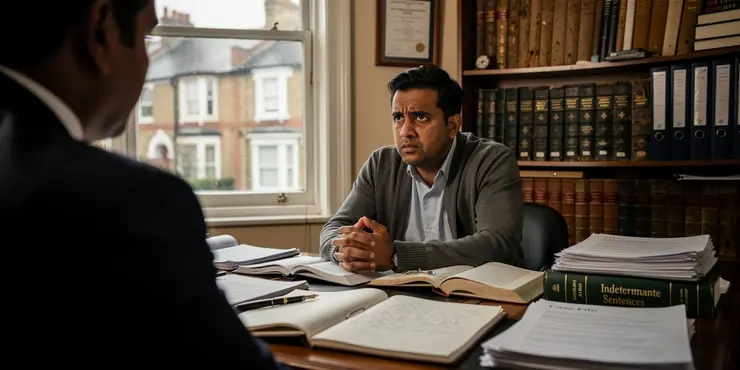
Understanding Indefinite Sentencing
Indefinite sentencing is a legal option used in some jurisdictions, including the UK. It allows the courts to detain an offender without a set release date. This type of sentencing is often employed in cases involving serious offences where the risk to public safety is considered high.
The primary goal of indefinite sentencing is to protect the public. It provides the justice system with a tool to manage offenders deemed too dangerous to release. This approach prioritises community safety over the rehabilitation and release of the offender.
Public Safety as a Core Consideration
Public safety is a central consideration in decisions regarding indefinite sentencing. The justice system evaluates the risk an individual poses if released back into society. This often involves psychological assessments and the severity of the crime committed.
Officials assess the likelihood of reoffending as a key factor. If an offender is considered a persistent threat, indefinite sentencing serves as a preventative measure. It is designed to neutralise potential harm to the public.
Balancing Rights and Safety
Indefinite sentencing raises questions about the balance between individual rights and collective safety. Critics argue that keeping individuals incarcerated indefinitely without a clear path to release can infringe on human rights. This creates tension between ethical considerations and protective measures.
The legal framework strives to balance these concerns by implementing regular reviews. These reviews assess whether the offender remains a threat and if conditions for release can be established. Thus, indefinite sentences are subjected to ongoing scrutiny to ensure fairness.
Future Directions in Policy
The debate around indefinite sentencing continues to evolve in the UK. Policymakers and legal experts search for ways to improve the system. They aim to ensure that it effectively protects the public while respecting human rights.
This ongoing discussion includes the potential for alternative sentencing methods. Such methods could provide a better balance between addressing public safety and facilitating rehabilitation. The ultimate goal is a justice system that adequately protects communities without compromising fairness.
Frequently Asked Questions
Indefinite sentencing is a legal penalty where an offender receives a sentence that does not have a set end date, allowing for release when it is deemed safe.
Public safety is a primary consideration in indefinite sentencing, as it aims to protect the community by holding offenders until they are no longer a risk.
Release decisions are typically made by parole boards or similar authorities, who assess the offender's risk to public safety.
Criteria may include the offender's behavior in prison, rehabilitation progress, psychological evaluations, and the nature of the original offense.
Yes, offenders can challenge indefinite sentences through legal appeals or argue against continued detention at parole hearings.
Alternatives may include determinate sentences with supervision upon release, specialized rehabilitation programs, or civil commitments for certain offenders.
Opinions vary; proponents argue it's necessary for public safety, while critics argue it can be unfairly punitive if not regularly reviewed.
Review frequency can vary by jurisdiction, but typically they are reviewed periodically, such as every few years or upon request.
Research is mixed; while it may prevent immediate offenses by detaining dangerous individuals, it may not address underlying issues that lead to recidivism.
Victims and their families may feel safer knowing an offender is held indefinitely, but they might also experience distress from the uncertainty of potential release.
Indefinite sentences might deter crime by removing serial offenders from society, but they are unlikely to serve as a general deterrent for crime overall.
Ethical concerns include potential human rights violations, the psychological impact of uncertain release, and the need for fair and regular assessments.
Indefinite sentencing for juveniles is rare and usually involves highly specialized assessments to ensure it serves both the interests of justice and rehabilitation.
Rehabilitation is crucial, as progress in rehabilitative programs can influence decisions regarding the potential release of an indefinitely sentenced offender.
Approaches vary widely, with some countries using it sparingly and others employing it more frequently based on differing legal and cultural standards.
Legal protections can include the right to appeal, regular reviews of the sentence, and the ability to present evidence of rehabilitation.
While rare, there may be instances where administrative or legal errors lead to public safety being inadequately considered; reviews aim to address such issues.
Public opinion can significantly affect policies, as policymakers may adjust laws in response to societal views on crime and punishment.
Costs include long-term incarceration expenses and the economic impact of maintaining high-security facilities for potentially dangerous offenders.
Media coverage can shape public perception, often focusing on high-profile cases, which may lead to calls for stricter or more lenient policies.

Ergsy Search Results
This website offers general information and is not a substitute for professional advice.
Always seek guidance from qualified professionals.
If you have any medical concerns or need urgent help, contact a healthcare professional or emergency services immediately.
Some of this content was generated with AI assistance. We've done our best to keep it accurate, helpful, and human-friendly.
- Ergsy carefully checks the information in the videos we provide here.
- Videos shown by Youtube after a video has completed, have NOT been reviewed by ERGSY.
- To view, click the arrow in centre of video.
- Most of the videos you find here will have subtitles and/or closed captions available.
- You may need to turn these on, and choose your preferred language.
- Go to the video you'd like to watch.
- If closed captions (CC) are available, settings will be visible on the bottom right of the video player.
- To turn on Captions, click settings.
- To turn off Captions, click settings again.