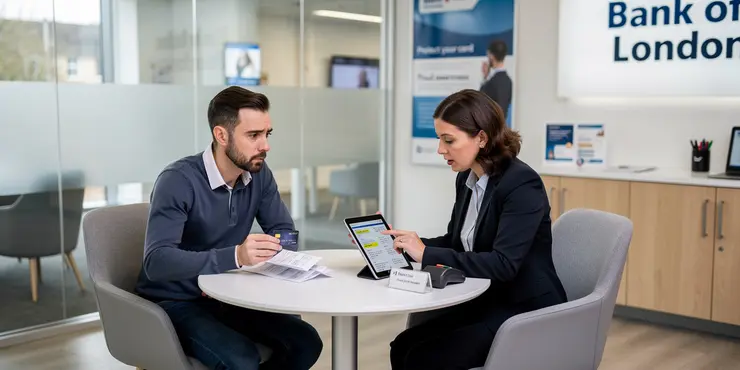

Get Answers
Understanding Credit Card Fraud
Credit card fraud is a type of financial fraud that involves illegal use of a credit card or credit card information to obtain money or property without the account holder's permission. In the UK, this form of fraud is a significant concern for individuals and financial institutions alike, as it can lead to financial loss and identity theft.
Common Types of Credit Card Fraud
There are several prevalent methods through which credit card fraud can occur. One of the most common methods is through lost or stolen cards. Fraudsters may use the physical card to make purchases until the card is reported and blocked. Another tactic is 'card-not-present' fraud, which involves using the card details to make online purchases where physical card verification is not required.
Phishing scams are another method employed by fraudsters. These scams often involve sending fake communications impersonating a bank or credit card company to obtain sensitive information, such as card numbers or security keys. Skimming, where the fraudster uses a device to capture card information during legitimate transactions, is also a prevalent form of credit card fraud.
How Credit Card Information is Compromised
Credit card information can be compromised in various ways. Physical theft is straightforward, where a card is stolen. However, in today's digital world, cybercriminals are increasingly using sophisticated techniques to acquire card details. Data breaches on websites, unsecured Wi-Fi networks, and malware are some of the ways information is intercepted. Additionally, fraudsters may target online shopping sites or databases that store user credit card details to gain unauthorized access and carry out fraudulent activities.
Preventing and Detecting Credit Card Fraud
To prevent credit card fraud, individuals should regularly monitor their bank statements and check for unfamiliar transactions. Prompt reporting of any suspicious activity to the bank is critical. Utilizing online banking services can provide real-time alerts for transactions, adding an extra layer of security. Shredding any documents that contain personal information and being cautious about sharing card details online can also help protect against fraud.
For detection, banks and credit card companies often have fraud monitoring systems that analyze spending patterns and flag unusual activity. Additionally, many card issuers offer temporary card details for online transactions, which expire after use, thereby reducing the risk of fraud.
Legal and Institutional Measures
In the UK, there are stringent regulations and measures in place to combat credit card fraud. The Financial Conduct Authority (FCA) oversees financial institutions to ensure they adhere to security practices and protect consumers. Furthermore, institutions are required to comply with the Payment Card Industry Data Security Standard (PCI DSS) to safeguard card information from fraudsters.
Additionally, if you fall victim to credit card fraud, legislation such as the Consumer Credit Act offers some protection, making it easier to reclaim lost funds if the fraud is reported promptly.
Understanding Credit Card Fraud
Credit card fraud is when someone uses a credit card or its details without permission to steal money or buy things. In the UK, this is a big problem for people and banks because it can cause money loss and identity theft.
Common Types of Credit Card Fraud
There are several ways credit card fraud can happen. One way is with lost or stolen cards. Criminals might use the card to buy things until the card is blocked. Another way is 'card-not-present' fraud. This happens when someone uses the card details for online shopping without needing the actual card.
Phishing scams are also common. Scammers send fake messages pretending to be from a bank to get your card details. Skimming is another trick. Here, criminals use a device to steal card info during real transactions.
How Credit Card Information is Compromised
Credit card information can be stolen in many ways. Sometimes, a thief might just steal the physical card. But, more often, criminals use the internet to get card details. They might hack websites, use unsafe Wi-Fi, or spread viruses. Criminals also target online stores or databases that keep card info.
Preventing and Detecting Credit Card Fraud
To stop credit card fraud, check your bank statements often and look for charges you don't recognize. Tell your bank right away if something looks wrong. Use online banking to get alerts for new transactions. This can help keep your card safe. Shredding personal papers and being careful online can also protect you.
Banks have systems to watch for unusual spending and warn you. Some card companies give temporary card details for online shopping. These details stop working after one use, making it safer.
Legal and Institutional Measures
In the UK, there are strict rules to fight credit card fraud. The Financial Conduct Authority (FCA) makes sure banks follow security rules to keep you safe. Banks must also follow the Payment Card Industry Data Security Standard (PCI DSS) to protect your card details from criminals.
If you become a victim of credit card fraud, the Consumer Credit Act helps protect you. This law can help you get back lost money if you report the fraud quickly.
Frequently Asked Questions
Credit card fraud is the unauthorized use of a credit card to obtain goods, services, or money without the cardholder's consent.
Credit card fraud can occur through a variety of methods, including lost or stolen cards, card skimming, phishing scams, and data breaches.
Common types of credit card fraud include counterfeit cards, card-not-present transactions, identity theft, account takeover, and application fraud.
You can detect credit card fraud by monitoring your account statements for unauthorized transactions, setting up transaction alerts, and checking your credit report regularly.
If you suspect credit card fraud, contact your credit card issuer immediately to report the issue and have your card blocked or replaced.
You can protect yourself by using strong passwords, avoiding public Wi-Fi for transactions, keeping your card information confidential, and monitoring your accounts for suspicious activity.
Yes, credit card fraud is a criminal offense and can result in severe penalties, including fines and imprisonment.
Under the Fair Credit Billing Act in the U.S., consumers are typically liable for no more than $50 of unauthorized charges if reported promptly.
Card skimming involves capturing the data on a credit card through an illegal device placed on ATMs, gas pumps, or point-of-sale terminals.
A card-not-present transaction occurs when neither the cardholder nor the actual card is physically present, as in online or over-the-phone transactions, and is a common type of fraud.
Identity theft can lead to credit card fraud when a criminal uses someone else's personal information to open new credit card accounts or make unauthorized transactions.
Phishing scams trick victims into providing their credit card information by pretending to be a trustworthy entity in an electronic communication.
Data breaches occur when sensitive information is accessed without authorization. Stolen data can be used for fraudulent credit card transactions.
Criminals create counterfeit credit cards by encoding stolen data onto a blank card using special equipment, allowing them to conduct fraudulent transactions.
Account takeover involves gaining unauthorized access to an existing credit card account and using it for fraudulent transactions.
Chip-enabled cards offer better security than magnetic stripe cards but cannot completely prevent fraud, especially card-not-present fraud.
Application fraud occurs when a criminal uses someone else's identity or false information to apply for credit cards.
It's advisable to check your credit card statements monthly and set up alerts for real-time notifications of transactions.
Using virtual credit card numbers for online transactions can help prevent fraud by hiding your actual credit card details.
Banks use technologies like machine learning algorithms and fraud detection software to identify suspicious patterns and potential fraud.
Credit card fraud is when someone uses your credit card to buy things or get money without asking you first.
Bad people can use your card without asking. This can happen if:
- Your card gets lost or someone takes it.
- They use a machine to copy your card, called skimming.
- They trick you into giving them your card details, known as phishing.
- They steal information from stores or banks, called data breaches.
To stay safe, always check your card is with you. When using it, cover the card so no one sees your details. Be careful if someone emails or calls you asking for your card info. Use apps or websites that help protect you, like password managers.
There are different ways people can use credit cards in a bad way.
- Some make fake cards.
- Some use card numbers online without having the card.
- Some steal people's personal information to use their cards.
- Some take over someone else's card account.
- Some pretend to be someone else to apply for a new card.
You can find out if someone is using your credit card without asking by doing a few simple things:
1. Look at your bank statements to see if there are any charges you did not make.
2. Set up alerts on your phone or email. These alerts will tell you when someone uses your card.
3. Check your credit report often to make sure everything looks right.
If you have trouble with this, ask a friend or family member for help. They can show you what to look for. You can also use apps that send you alerts when there is a new purchase with your card.
If you think someone is using your credit card without permission, tell your credit card company right away. They can stop your card or give you a new one.
You can keep yourself safe by doing a few easy things.
First, make sure to use strong passwords. A strong password is hard for others to guess.
Second, do not use public Wi-Fi for buying things or doing bank stuff. Public Wi-Fi is not safe.
Third, keep your card details secret. Do not share them with other people.
Last, check your accounts often. Look for anything strange or that you did not do.
You can also use tools like password managers to help you make and remember strong passwords.
Yes, using a credit card the wrong way is a crime. It can lead to big punishments like paying money or going to jail.
If someone uses your credit card without asking, you might only have to pay $50. But you need to tell the bank quickly.
Card skimming is when someone steals your credit card information. They do this with a special device. They put this device on ATMs, gas pumps, or places where you pay with your card.
A card-not-present transaction happens when you buy something, but you don't give the card in person. You might do this online or on the phone. This type of buying can sometimes lead to problems, like fraud.
Identity theft is when someone steals your personal information. This can cause credit card fraud. This means the thief uses your information to open new credit cards or buy things without asking.
To stay safe, you can use tools like password managers to keep your passwords strong and different for each account. Also, check your bank statements and credit reports often to make sure everything is right. If something looks wrong, tell your bank or the police right away.
Phishing scams are when bad people try to trick you online. They pretend to be someone you trust, like a store or a bank. They want you to give them your credit card information.
Here are some tips to stay safe:
- Don't give personal information to people you do not know.
- Ask someone you trust if you are not sure.
- Use special tools that help keep your computer safe.
A data breach happens when someone takes information they are not allowed to have. This stolen information can be used to do bad things, like using someone’s credit card without asking.
Bad people make fake credit cards. They use special machines to put stolen information on empty cards. This lets them buy things without paying for them.
Account takeover means someone sneaks into a credit card account that isn’t theirs. They try to use it to buy stuff without permission.
Chip cards are safer than cards with a black stripe, but they can't stop all bad things from happening. For example, if you shop online, thieves can still steal your card details.
Tip: Always check your bank accounts for anything strange. Using strong passwords and two-step checks can also help keep your card safe. If you need help, ask someone you trust or use tools that check your spending.
Application fraud happens when a bad person tries to get a credit card by using another person’s name or fake details.
Check your credit card bills every month. You can also set up alerts to know when you spend money right away.
When you buy things online, using special fake credit card numbers can help keep your real credit card safe from bad people.
Banks use computers and special programs to find strange patterns. These help them see if someone might be doing something wrong, like taking money they shouldn’t.

Ergsy Search Results
This website offers general information and is not a substitute for professional advice.
Always seek guidance from qualified professionals.
If you have any medical concerns or need urgent help, contact a healthcare professional or emergency services immediately.
Some of this content was generated with AI assistance. We've done our best to keep it accurate, helpful, and human-friendly.
- Ergsy carefully checks the information in the videos we provide here.
- Videos shown by Youtube after a video has completed, have NOT been reviewed by ERGSY.
- To view, click the arrow in centre of video.
- Most of the videos you find here will have subtitles and/or closed captions available.
- You may need to turn these on, and choose your preferred language.
- Go to the video you'd like to watch.
- If closed captions (CC) are available, settings will be visible on the bottom right of the video player.
- To turn on Captions, click settings.
- To turn off Captions, click settings again.