
Speak To An Expert
Get clear, personalised advice for your situation.
Jot down a few questions to make the most of your conversation.
More Items From Ergsy search
-
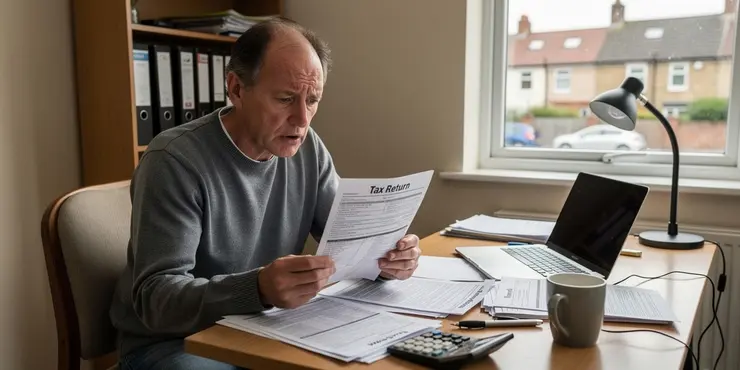
What if I owe more than £30,000 in Self Assessment tax?
Relevance: 100%
-
Who needs to file a Self Assessment tax return?
Relevance: 70%
-

What is a Self Assessment tax return?
Relevance: 70%
-

How to set up a Time to Pay arrangement online for Self Assessment
Relevance: 66%
-

How do I complete my Self Assessment tax return?
Relevance: 66%
-

My first Self Assessment tax return
Relevance: 65%
-

Who is eligible for a Time to Pay arrangement for Self Assessment?
Relevance: 65%
-

Do I need an accountant to file a Self Assessment tax return?
Relevance: 63%
-

When is the deadline for submitting my Self Assessment tax return?
Relevance: 63%
-

What information do I need to complete my Self Assessment tax return?
Relevance: 60%

-

Do unpaid tax debts affect Inheritance Tax calculations?
Relevance: 60%
-

Who is responsible for paying the deceased’s tax debts?
Relevance: 59%
-

What is the role of an executor in handling tax debts?
Relevance: 57%
-

Can the executor use the deceased's assets to pay tax debts?
Relevance: 56%
-

What Happens to Tax Debt After Death? (UK Laws)
Relevance: 56%
-

What is a Time to Pay arrangement for Self Assessment?
Relevance: 54%
-

What happens if I miss the Self Assessment deadline?
Relevance: 53%
-

What happens to a deceased’s Income Tax if they were employed?
Relevance: 53%
-
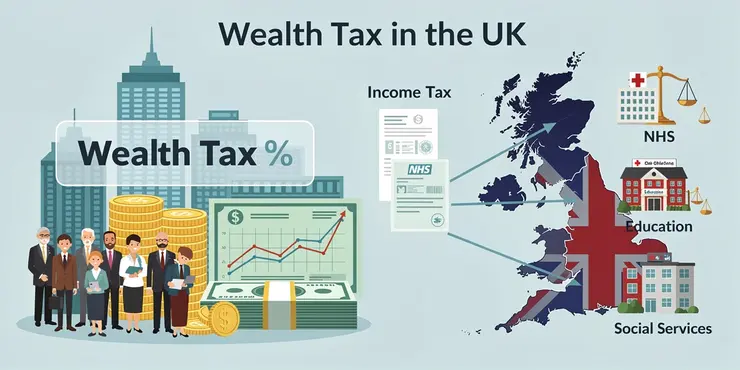
How does a wealth tax differ from an income tax?
Relevance: 52%
-

How do I register for Self Assessment?
Relevance: 51%
-

Can I include previous year's tax debt in a new Time to Pay arrangement?
Relevance: 51%
-

Can I file taxes online after the deadline?
Relevance: 51%
-

What records should I keep for my Self Assessment?
Relevance: 51%
-

How is the tax refund amount calculated?
Relevance: 50%
-
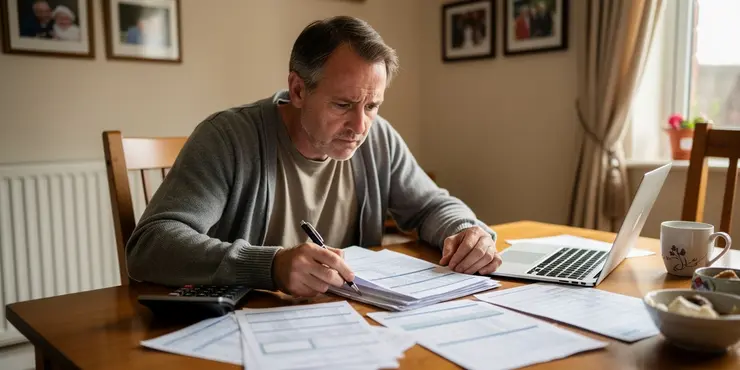
Time to Pay arrangement for Self Assessment?
Relevance: 50%
-

What is a P800 form and how does it relate to my tax refund?
Relevance: 49%
-

What if the estate does not have enough assets to pay all tax debts?
Relevance: 48%
-

How do I calculate my tax bill?
Relevance: 48%
-

Can my tax refund be applied to my future tax obligations?
Relevance: 48%
-

Is it necessary to complete a final tax return for the deceased?
Relevance: 48%
-

I received a refund but think I owe tax instead. What should I do?
Relevance: 47%
-

Do I pay tax on the basic State Pension?
Relevance: 47%
-
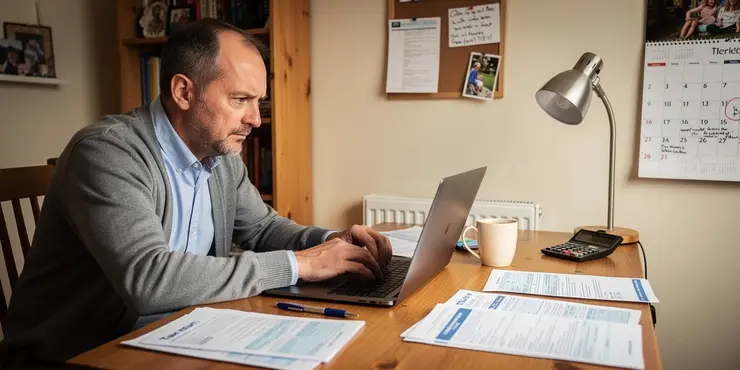
Can I amend an online tax return?
Relevance: 47%
-

Could there be a reduction in the basic rate of income tax by 2026?
Relevance: 47%
-

How is a wealth tax typically calculated?
Relevance: 47%
-

Is the tax refund amount taxable?
Relevance: 47%
-

Can I get help from HMRC with my Self Assessment?
Relevance: 47%
-

Higher Income Tax - How to Claim Pension Tax Relief | Extra 20% Boost
Relevance: 46%
-

What happens if I do not claim my tax refund?
Relevance: 46%
-

Is there a difference between inheritance tax and estate tax?
Relevance: 46%
Understanding Your Tax Liability
Owing more than £30,000 in Self Assessment tax can be overwhelming. It's essential to understand why you owe this amount. Large tax liabilities could result from undeclared income, changes in income levels, or misreported earnings.
Review your tax return to ensure all income and deductions are correctly recorded. Misreported figures can lead to inaccurate assessments, so double-check entries for accuracy. Understanding the source of the liability is a crucial first step.
Contacting HMRC
If you owe over £30,000, contacting HMRC should be your priority. They provide guidance and options for those struggling to pay large sums. It is better to communicate with them voluntarily rather than waiting for them to reach out.
You can contact HMRC via phone, mail, or online messaging through your Government Gateway account. Be prepared with your Unique Taxpayer Reference (UTR) and recent tax documents during communication.
Discussing Payment Options
HMRC may offer several payment options to help manage large tax bills. It's possible to negotiate a Time to Pay Arrangement, allowing you to spread payments over an agreed period. Keep in mind that interest may apply to late payments, even with an arrangement in place.
Be honest about your financial situation when negotiating terms. HMRC aims to create manageable repayment plans for taxpayers facing genuine challenges. Documentation of income and expenditure can support your request for flexibility.
Exploring External Financing
If negotiating with HMRC isn’t sufficient, you may consider external financing. Personal loans or credit facilities can provide immediate funds to clear your tax debt. However, assess interest rates and terms carefully, as these could add significant costs.
Consulting a financial advisor might be beneficial. They can help evaluate your financial position and recommend the least costly financing options. Ensure any chosen solution aligns with your ability to repay without undue stress.
Seeking Professional Advice
Tax accountants or advisors can offer invaluable assistance when dealing with large tax liabilities. They can ensure your tax affairs are in order and explore any missed reliefs or deductions. Professional advice can result in the discovery of errors that reduce your bill.
Choose an advisor experienced in dealing with HMRC and Self Assessment issues. A credible professional provides peace of mind and practical solutions for complex tax situations. Always verify their credentials and client reviews before proceeding.
Frequently Asked Questions
What happens if I owe more than £30,000 in Self Assessment tax?
If you owe more than £30,000, you need to contact HMRC to discuss how you will pay your tax bill. Options may include setting up a payment plan or exploring other payment arrangements.
Can I set up a payment plan if I owe more than £30,000 in Self Assessment tax?
Yes, you can set up a Time to Pay arrangement with HMRC if you owe more than £30,000, but this requires direct communication with HMRC as they will assess your situation.
Will I incur interest on the tax I owe over £30,000?
Yes, HMRC charges interest on late payments, so it's important to arrange payment as soon as possible to minimize additional charges.
What is the penalty for not paying over £30,000 in Self Assessment tax by the deadline?
If you do not pay your tax by the deadline, you will incur penalties and interest. The initial penalty is 5% of the tax unpaid at 30 days late, with further penalties if still unpaid at 6 and 12 months.
Can I appeal if I am charged a penalty for owing more than £30,000 in tax?
You may be able to appeal a penalty if you have a reasonable excuse for late payment. Contact HMRC to discuss your situation and the appeals process.
How do I contact HMRC to discuss my tax bill over £30,000?
You can contact HMRC through the Self Assessment helpline, or you may manage your account online through the Government Gateway to request a callback.
What documents do I need to provide to set up a payment plan for over £30,000?
HMRC may ask for details about your income, expenditure, and assets to assess your situation and agree on a payment plan.
Is there a time limit to pay my Self Assessment tax over £30,000?
The typical deadline for Self Assessment tax payment is January 31st following the end of the tax year. If you owe more than £30,000 and need extra time, you must contact HMRC.
Can I pay my tax bill over £30,000 in installments?
Yes, with a Time to Pay arrangement approved by HMRC, you can pay your tax in installments. This requires a direct agreement with HMRC.
What happens if I ignore my tax debt over £30,000?
Ignoring a tax debt can lead to serious consequences, including enforcement action by HMRC, additional penalties, and legal proceedings to recover the debt.
How can I estimate the interest on my overdue tax bill over £30,000?
You can use HMRC's online calculators or contact them directly for an estimate of interest on overdue payments.
Will owing more than £30,000 affect my ability to get credit?
Significant tax debt may impact your creditworthiness. It's advisable to manage tax debts promptly to maintain financial health.
Are there any options for reducing my tax burden if I owe over £30,000?
Discuss potential relief options with HMRC or a professional tax advisor. They will consider circumstances such as financial hardship.
Can I use my tax refund to offset a debt over £30,000?
Yes, if you are due a tax refund, it can be used to settle or reduce your existing tax debt.
Is there a difference in process if my debt is significantly over £30,000?
Larger debts may involve more detailed negotiations and require thorough documentation to set up payment plans with HMRC.
What should I do if I disagree with the amount HMRC says I owe over £30,000?
Contact HMRC immediately to discuss any discrepancies. You may need to provide evidence to support your claim and resolve any issues.
Can a tax professional help me if I owe more than £30,000?
Yes, engaging a tax advisor or accountant can be beneficial in negotiating with HMRC and managing your tax affairs efficiently.
Could my assets be seized if I owe more than £30,000 in tax?
If you fail to pay and do not arrange a payment plan, HMRC has the power to take enforcement action which may include seizing assets.
What should I do if I can't afford to pay over £30,000 in tax right now?
Contact HMRC as soon as possible to discuss your situation. They may be able to offer solutions based on your financial position.
Is it possible to negotiate a reduced settlement for tax debts over £30,000?
In cases of severe financial hardship, HMRC may consider a reduced settlement, but this is typically the exception and requires substantial evidence.

Useful Links
This website offers general information and is not a substitute for professional advice.
Always seek guidance from qualified professionals.
If you have any medical concerns or need urgent help, contact a healthcare professional or emergency services immediately.
Some of this content was generated with AI assistance. We've done our best to keep it accurate, helpful, and human-friendly.
- Ergsy carefully checks the information in the videos we provide here.
- Videos shown by Youtube after a video has completed, have NOT been reviewed by ERGSY.
- To view, click the arrow in centre of video.
- Most of the videos you find here will have subtitles and/or closed captions available.
- You may need to turn these on, and choose your preferred language.
- Go to the video you'd like to watch.
- If closed captions (CC) are available, settings will be visible on the bottom right of the video player.
- To turn on Captions, click settings.
- To turn off Captions, click settings again.
More Items From Ergsy search
-
What if I owe more than £30,000 in Self Assessment tax?
Relevance: 100%
-
Who needs to file a Self Assessment tax return?
Relevance: 70%
-
What is a Self Assessment tax return?
Relevance: 70%
-
How to set up a Time to Pay arrangement online for Self Assessment
Relevance: 66%
-
How do I complete my Self Assessment tax return?
Relevance: 66%
-
My first Self Assessment tax return
Relevance: 65%
-
Who is eligible for a Time to Pay arrangement for Self Assessment?
Relevance: 65%
-
Do I need an accountant to file a Self Assessment tax return?
Relevance: 63%
-
When is the deadline for submitting my Self Assessment tax return?
Relevance: 63%
-
What information do I need to complete my Self Assessment tax return?
Relevance: 60%
-
Do unpaid tax debts affect Inheritance Tax calculations?
Relevance: 60%
-
Who is responsible for paying the deceased’s tax debts?
Relevance: 59%
-
What is the role of an executor in handling tax debts?
Relevance: 57%
-
Can the executor use the deceased's assets to pay tax debts?
Relevance: 56%
-
What Happens to Tax Debt After Death? (UK Laws)
Relevance: 56%
-
What is a Time to Pay arrangement for Self Assessment?
Relevance: 54%
-
What happens if I miss the Self Assessment deadline?
Relevance: 53%
-
What happens to a deceased’s Income Tax if they were employed?
Relevance: 53%
-
How does a wealth tax differ from an income tax?
Relevance: 52%
-
How do I register for Self Assessment?
Relevance: 51%
-
Can I include previous year's tax debt in a new Time to Pay arrangement?
Relevance: 51%
-
Can I file taxes online after the deadline?
Relevance: 51%
-
What records should I keep for my Self Assessment?
Relevance: 51%
-
How is the tax refund amount calculated?
Relevance: 50%
-
Time to Pay arrangement for Self Assessment?
Relevance: 50%
-
What is a P800 form and how does it relate to my tax refund?
Relevance: 49%
-
What if the estate does not have enough assets to pay all tax debts?
Relevance: 48%
-
How do I calculate my tax bill?
Relevance: 48%
-
Can my tax refund be applied to my future tax obligations?
Relevance: 48%
-
Is it necessary to complete a final tax return for the deceased?
Relevance: 48%
-
I received a refund but think I owe tax instead. What should I do?
Relevance: 47%
-
Do I pay tax on the basic State Pension?
Relevance: 47%
-
Can I amend an online tax return?
Relevance: 47%
-
Could there be a reduction in the basic rate of income tax by 2026?
Relevance: 47%
-
How is a wealth tax typically calculated?
Relevance: 47%
-
Is the tax refund amount taxable?
Relevance: 47%
-
Can I get help from HMRC with my Self Assessment?
Relevance: 47%
-
Higher Income Tax - How to Claim Pension Tax Relief | Extra 20% Boost
Relevance: 46%
-
What happens if I do not claim my tax refund?
Relevance: 46%
-
Is there a difference between inheritance tax and estate tax?
Relevance: 46%