

Speak To An Expert
Get clear, personalised advice for your situation.
Jot down a few questions to make the most of your conversation.
More Items From Ergsy search
-
What is a Self Assessment tax return?
Relevance: 100%
-
Who needs to file a Self Assessment tax return?
Relevance: 97%
-

My first Self Assessment tax return
Relevance: 93%
-

How do I complete my Self Assessment tax return?
Relevance: 92%
-

Do I need an accountant to file a Self Assessment tax return?
Relevance: 90%
-
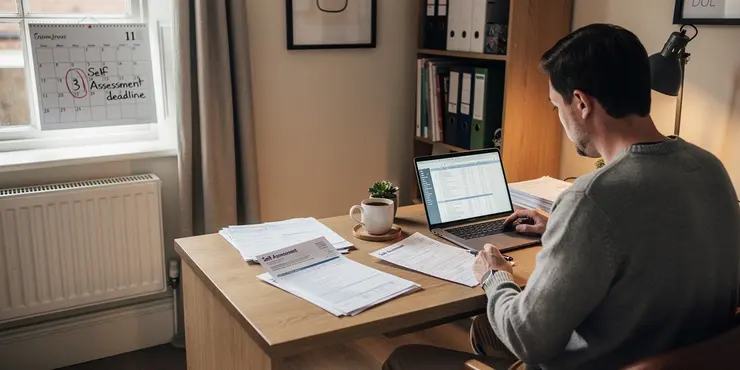
When is the deadline for submitting my Self Assessment tax return?
Relevance: 90%
-

What information do I need to complete my Self Assessment tax return?
Relevance: 83%
-
Can I get help from HMRC with my Self Assessment?
Relevance: 74%
-

What happens if I miss the Self Assessment deadline?
Relevance: 72%
-
How do I register for Self Assessment?
Relevance: 71%

-
What if I owe more than £30,000 in Self Assessment tax?
Relevance: 70%
-

What records should I keep for my Self Assessment?
Relevance: 66%
-

Who is eligible for a Time to Pay arrangement for Self Assessment?
Relevance: 62%
-
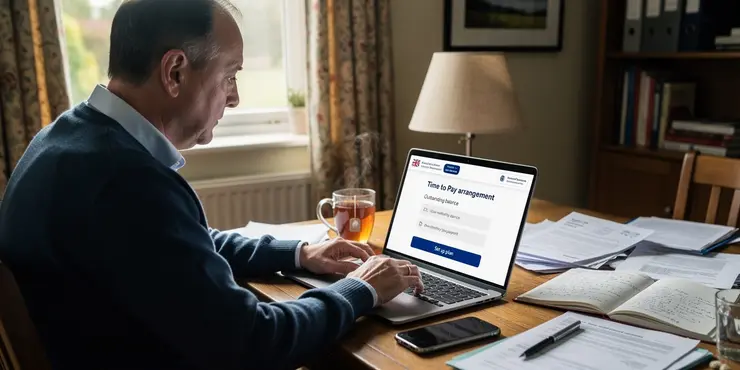
How to set up a Time to Pay arrangement online for Self Assessment
Relevance: 61%
-

Is it necessary to complete a final tax return for the deceased?
Relevance: 60%
-

Starting your online tax return
Relevance: 59%
-

How can I check the status of my online tax return?
Relevance: 58%
-
Can I amend an online tax return?
Relevance: 56%
-
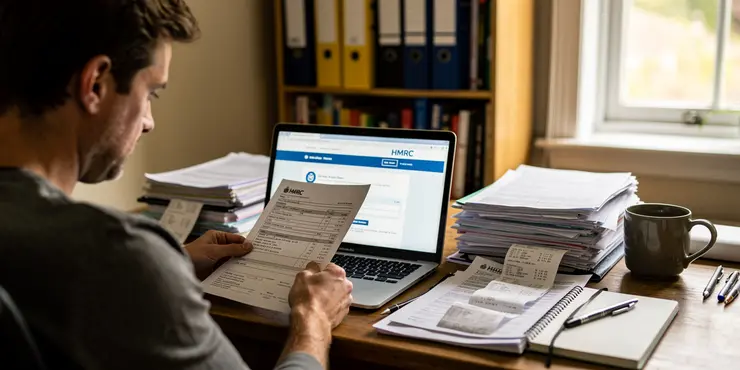
What is an online tax return?
Relevance: 53%
-
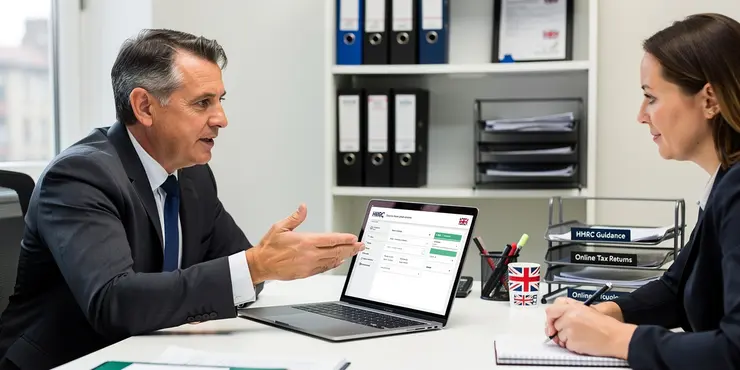
Do I need to print and mail my online tax return?
Relevance: 51%
-

What if I make a mistake on my tax return?
Relevance: 50%
-

What is a Time to Pay arrangement for Self Assessment?
Relevance: 50%
-
What should I do if I made a mistake on my tax return?
Relevance: 50%
-

Do I need to report the Winter Fuel Payment on my tax return?
Relevance: 50%
-

Can I amend my tax return after submitting it?
Relevance: 50%
-
How can I apply for a Time to Pay arrangement online for Self Assessment?
Relevance: 48%
-

What happens to a deceased’s Income Tax if they were employed?
Relevance: 48%
-
Time to Pay arrangement for Self Assessment?
Relevance: 48%
-
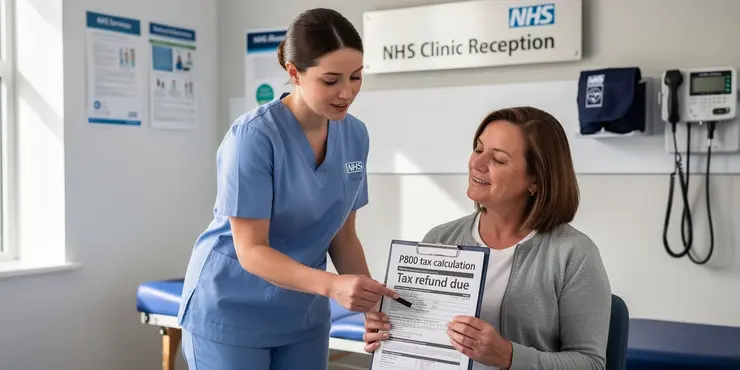
What is a P800 form and how does it relate to my tax refund?
Relevance: 48%
-

What happens after I file my tax return online?
Relevance: 48%
-
What is the role of an executor in handling tax debts?
Relevance: 46%
-

Can I file taxes online after the deadline?
Relevance: 46%
-
Do I need to declare my ISA income on my tax return?
Relevance: 46%
-

What should I do if I need help managing the tax affairs of the deceased?
Relevance: 46%
-

How do I start filing my taxes online?
Relevance: 45%
-

How do I report and pay Capital Gains Tax on property disposals?
Relevance: 45%
-

Can the executor use the deceased's assets to pay tax debts?
Relevance: 45%
-

When is the deadline to file taxes online?
Relevance: 44%
-

How long does it take to receive a tax refund from HMRC?
Relevance: 44%
-

Do I pay tax on the basic State Pension?
Relevance: 44%
Understanding Self Assessment
Self Assessment is a system HM Revenue and Customs (HMRC) uses to collect Income Tax. Tax is usually deducted automatically from wages, pensions, and savings, but people with other income must report it in a tax return.
You need to file a Self Assessment if you are self-employed, earn more than £2,500 in untaxed income, or are a company director, among other criteria. It's essential to know if you need to complete one to avoid penalties.
Registering for Self Assessment
Registering for Self Assessment is your first step if you haven't already done so. You can do this online through the HMRC website. You'll need to create a Government Gateway account if you don't have one.
Once registered, HMRC will send you a Unique Taxpayer Reference (UTR) number. This number is crucial and you'll need it to complete your tax return.
Gathering the Required Information
Gather all necessary documents and information before starting your tax return. This includes your UTR number, National Insurance number, and details of your untaxed income.
You will also need records of any employment income, dividends, or interest earned. Having these documents ready will make the process smoother and quicker.
Filling Out the Tax Return
Complete your tax return online through the Government Gateway. The online system guides you through each section step-by-step, making it simpler than paper forms.
Be sure to enter accurate figures for your income and any expenses you can claim. Double-check that all information entered is correct to avoid discrepancies.
Submitting Your Tax Return
Once you have filled in all required sections, submit your return electronically. The deadline for online submissions is 31 January following the end of the tax year.
If you are filing a paper return, the deadline is earlier, on 31 October. It’s important to submit on time to avoid penalties.
Paying Any Tax Owed
After submitting your return, HMRC will calculate if you owe any tax. You can view this summary in your account. Be prepared to pay any outstanding amounts by the 31 January deadline.
Payments can be made online via bank transfer, credit card, or through the HMRC app. Keeping receipts and proof of payment is advisable.
Keeping Records
It's crucial to keep detailed records of all submitted tax returns and supporting documents. These should be retained for at least five years after the 31 January online filing deadline.
Good record-keeping will help in any HMRC queries or audits and make future tax returns easier to complete.
Frequently Asked Questions
What is a Self Assessment tax return?
A Self Assessment tax return is a form that individuals in the UK must complete to report their income and calculate their tax liability to HM Revenue and Customs (HMRC). It's usually required for those who are self-employed or have income not taxed at the source.
Who needs to complete a Self Assessment tax return?
You need to complete a Self Assessment tax return if you are self-employed, a company director, have income from rentals or investments, received dividends, or have any other untaxed income.
When is the deadline for submitting the Self Assessment tax return?
The deadline for submitting a paper Self Assessment tax return is October 31st, and for an online Self Assessment tax return, it is January 31st of the following year.
How do I register for Self Assessment?
You can register for Self Assessment online through the HMRC website. You will receive a Unique Taxpayer Reference (UTR) and will need to set up a Government Gateway account.
What information do I need to complete my Self Assessment?
You'll need details of your income, expenses, bank interest, dividends, and any other earnings. You should also have your UTR, National Insurance number, and records of your business income and expenses if you're self-employed.
Can I file my Self Assessment tax return online?
Yes, you can file your Self Assessment tax return online via the HMRC website, which is a faster and more efficient method than submitting a paper return.
What happens if I miss the Self Assessment deadline?
If you miss the deadline, you will incur a penalty starting at £100, and further penalties may apply if the delay continues.
How do I claim expenses on my Self Assessment tax return?
You can claim allowable business expenses on your Self Assessment tax return to reduce your taxable profit, such as travel, office costs, and equipment.
What is a Unique Taxpayer Reference (UTR)?
A Unique Taxpayer Reference (UTR) is a 10-digit number given to every UK taxpayer who registers for Self Assessment, used for identifying their records.
Do I need to include my PAYE earnings on the Self Assessment tax return?
Yes, if you have any Pay As You Earn (PAYE) income, you should include these details in your Self Assessment tax return.
How can I check my tax refund status after filing?
You can check the status of your tax refund by logging into your personal tax account on the HMRC website.
What should I do if I realize I've made a mistake on my tax return?
You can correct a mistake on your tax return after you've submitted it. You will have 12 months after the deadline to make any changes.
Are there any tools to help me fill out my Self Assessment tax return?
HMRC provides a Self Assessment calculator tool, and there are various accounting software options available to help you complete your tax return accurately.
Can I get help with completing my Self Assessment tax return?
Yes, you can get help from a qualified accountant, a tax advisor, or use HMRC’s helplines and guidance available on their website.
What payment methods are available for paying my tax bill?
You can pay your tax bill via direct debit, bank transfer, debit/credit card, or through monthly budget payments through your personal tax account.
How long should I keep records related to my tax return?
It's recommended to keep records for at least 5 years after the 31 January submission deadline of the relevant tax year.
What income do I need to declare on my Self Assessment tax return?
You must declare all your income, including self-employment income, rental income, savings interest, dividends, and other untaxed income.
What is Payments on Account within the Self Assessment system?
Payments on Account are advance payments towards your tax bill, usually applicable to self-employed individuals, and are made in two installments.
How does self-employment affect my National Insurance contributions?
As a self-employed individual, you may be liable for Class 2 and Class 4 National Insurance contributions, which should be calculated and paid via your Self Assessment.
What if my circumstances change after I've registered for Self Assessment?
You should inform HMRC of any changes in your circumstances, such as changes in income or if you stop being self-employed, so they can update your records.

Useful Links
This website offers general information and is not a substitute for professional advice.
Always seek guidance from qualified professionals.
If you have any medical concerns or need urgent help, contact a healthcare professional or emergency services immediately.
Some of this content was generated with AI assistance. We've done our best to keep it accurate, helpful, and human-friendly.
- Ergsy carefully checks the information in the videos we provide here.
- Videos shown by Youtube after a video has completed, have NOT been reviewed by ERGSY.
- To view, click the arrow in centre of video.
- Most of the videos you find here will have subtitles and/or closed captions available.
- You may need to turn these on, and choose your preferred language.
- Go to the video you'd like to watch.
- If closed captions (CC) are available, settings will be visible on the bottom right of the video player.
- To turn on Captions, click settings.
- To turn off Captions, click settings again.
More Items From Ergsy search
-
What is a Self Assessment tax return?
Relevance: 100%
-
Who needs to file a Self Assessment tax return?
Relevance: 97%
-
My first Self Assessment tax return
Relevance: 93%
-
How do I complete my Self Assessment tax return?
Relevance: 92%
-
Do I need an accountant to file a Self Assessment tax return?
Relevance: 90%
-
When is the deadline for submitting my Self Assessment tax return?
Relevance: 90%
-
What information do I need to complete my Self Assessment tax return?
Relevance: 83%
-
Can I get help from HMRC with my Self Assessment?
Relevance: 74%
-
What happens if I miss the Self Assessment deadline?
Relevance: 72%
-
How do I register for Self Assessment?
Relevance: 71%
-
What if I owe more than £30,000 in Self Assessment tax?
Relevance: 70%
-
What records should I keep for my Self Assessment?
Relevance: 66%
-
Who is eligible for a Time to Pay arrangement for Self Assessment?
Relevance: 62%
-
How to set up a Time to Pay arrangement online for Self Assessment
Relevance: 61%
-
Is it necessary to complete a final tax return for the deceased?
Relevance: 60%
-
Starting your online tax return
Relevance: 59%
-
How can I check the status of my online tax return?
Relevance: 58%
-
Can I amend an online tax return?
Relevance: 56%
-
What is an online tax return?
Relevance: 53%
-
Do I need to print and mail my online tax return?
Relevance: 51%
-
What if I make a mistake on my tax return?
Relevance: 50%
-
What is a Time to Pay arrangement for Self Assessment?
Relevance: 50%
-
What should I do if I made a mistake on my tax return?
Relevance: 50%
-
Do I need to report the Winter Fuel Payment on my tax return?
Relevance: 50%
-
Can I amend my tax return after submitting it?
Relevance: 50%
-
How can I apply for a Time to Pay arrangement online for Self Assessment?
Relevance: 48%
-
What happens to a deceased’s Income Tax if they were employed?
Relevance: 48%
-
Time to Pay arrangement for Self Assessment?
Relevance: 48%
-
What is a P800 form and how does it relate to my tax refund?
Relevance: 48%
-
What happens after I file my tax return online?
Relevance: 48%
-
What is the role of an executor in handling tax debts?
Relevance: 46%
-
Can I file taxes online after the deadline?
Relevance: 46%
-
Do I need to declare my ISA income on my tax return?
Relevance: 46%
-
What should I do if I need help managing the tax affairs of the deceased?
Relevance: 46%
-
How do I start filing my taxes online?
Relevance: 45%
-
How do I report and pay Capital Gains Tax on property disposals?
Relevance: 45%
-
Can the executor use the deceased's assets to pay tax debts?
Relevance: 45%
-
When is the deadline to file taxes online?
Relevance: 44%
-
How long does it take to receive a tax refund from HMRC?
Relevance: 44%
-
Do I pay tax on the basic State Pension?
Relevance: 44%