

Speak To An Expert
Get clear, personalised advice for your situation.
Jot down a few questions to make the most of your conversation.
More Items From Ergsy search
-

What records should I keep for my Self Assessment?
Relevance: 100%
-

My first Self Assessment tax return
Relevance: 76%
-

How do I complete my Self Assessment tax return?
Relevance: 75%
-

What is a Self Assessment tax return?
Relevance: 70%
-
How do I register for Self Assessment?
Relevance: 66%
-
Who needs to file a Self Assessment tax return?
Relevance: 65%
-

What information do I need to complete my Self Assessment tax return?
Relevance: 63%
-
Can I get help from HMRC with my Self Assessment?
Relevance: 61%
-
What happens if I miss the Self Assessment deadline?
Relevance: 60%
-
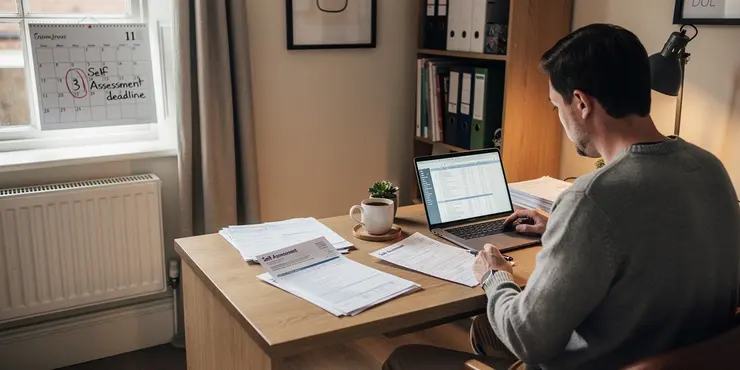
When is the deadline for submitting my Self Assessment tax return?
Relevance: 60%

-
Do I need an accountant to file a Self Assessment tax return?
Relevance: 57%
-
What if I owe more than £30,000 in Self Assessment tax?
Relevance: 54%
-

Who is eligible for a Time to Pay arrangement for Self Assessment?
Relevance: 54%
-
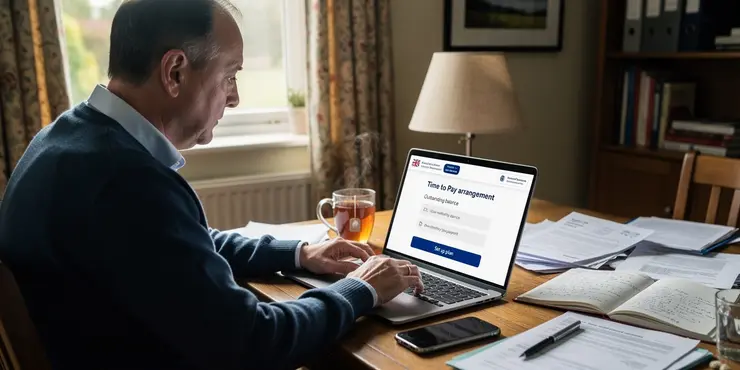
How to set up a Time to Pay arrangement online for Self Assessment
Relevance: 53%
-

What expenses can I claim on my Self Assessment?
Relevance: 52%
-
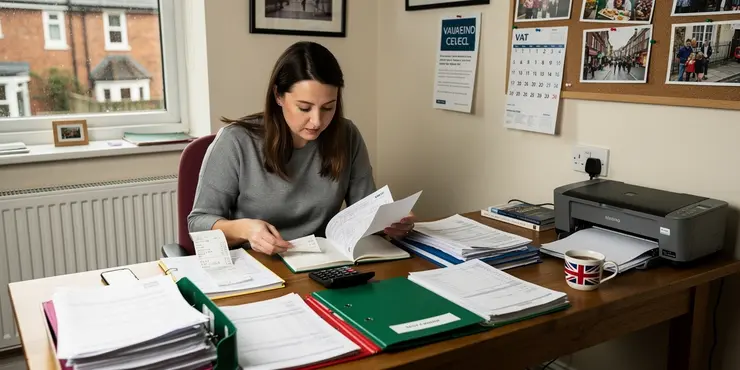
What records do I need to keep for VAT?
Relevance: 49%
-

What records should I keep for CGT purposes?
Relevance: 47%
-

How long should I keep my records?
Relevance: 46%
-
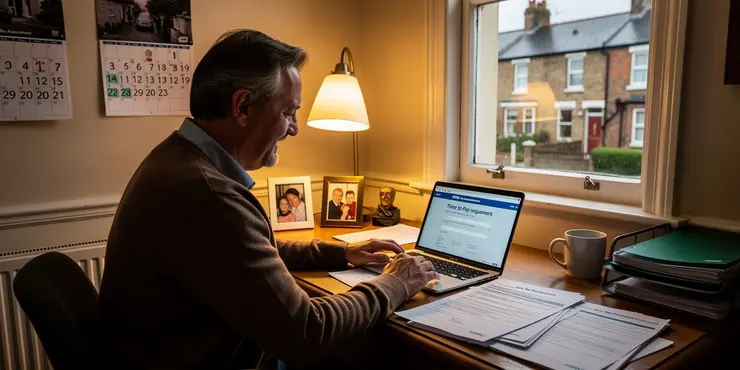
What is a Time to Pay arrangement for Self Assessment?
Relevance: 46%
-
What records should I keep after an accident at work?
Relevance: 45%
-
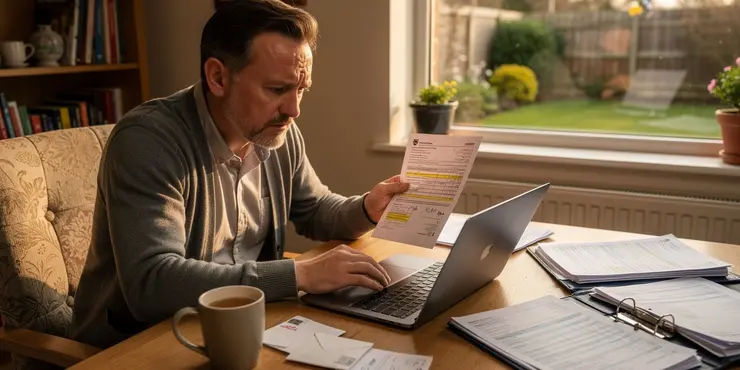
How can I apply for a Time to Pay arrangement online for Self Assessment?
Relevance: 45%
-

How long does the NHS keep my records?
Relevance: 43%
-
Time to Pay arrangement for Self Assessment?
Relevance: 40%
-
What records should I keep for my Self Assessment?
Relevance: 37%
-

What kinds of evidence should I keep?
Relevance: 36%
-
What should I do if I disagree with a penalty point assessment?
Relevance: 31%
-

How important is it to keep a timeline of events?
Relevance: 30%
-

Suicide and Self Harm Prevention Strategy 2023-28
Relevance: 29%
-

Are juvenile records accessible in the same way as adult records?
Relevance: 28%
-
Do I need to keep my tax refund letter for future reference?
Relevance: 28%
-

How do I report and pay Capital Gains Tax on property disposals?
Relevance: 28%
-

What is the role of mental health assessments in indefinite sentences?
Relevance: 28%
-

How can the risks and benefits of medications during pregnancy be assessed?
Relevance: 27%
-
Autism Assessment - What Happens in Your Appointment
Relevance: 27%
-

Self Harm
Relevance: 27%
-
How can I ensure my police records are accurate?
Relevance: 27%
-

Can I ask for my medical records?
Relevance: 26%
-

What should a worker do if they suspect an industrial disease?
Relevance: 26%
-

Are all police departments required to provide access to records?
Relevance: 26%
-

Are there privacy protections for my medical records?
Relevance: 26%
Introduction to Self Assessment Records
Managing records for Self Assessment is crucial for accuracy and compliance. The HMRC requires accurate records to verify your tax returns. Keeping organized records can save you from potential fines or interest charges.
By maintaining comprehensive records, you simplify the process of filling out your tax return. It also helps if HMRC has any questions about your financial affairs.
Types of Income Records to Keep
Ensure you keep records of all your sales and income. This includes invoices, bank statements, and any additional forms of income like rental payments.
Dividend payments and pension income should also be documented. Retaining evidence of these income streams is essential for accurate reporting.
Essential Expense Documentation
Keep receipts and invoices for all business-related expenses. This can include travel, office supplies, and professional services.
Maintain records of any purchases you claim as allowable expenses. These should be backed by purchase receipts or credit card statements.
Recording Personal Financial Information
Your financial records should extend to any personal investments. Include documentation for any gainful financial changes such as sales of shares.
Alimony payments and charitable giving might affect your tax return. Ensure you document these personal expenses and consider how they influence your assessment.
Storage and Organization Tips
Use digital storage solutions to keep your records safe and accessible. Scanning paper receipts and saving them digitally is a practical approach.
Organize records by category and fiscal year for easy retrieval. This helps in quickly assembling the information needed during the Self Assessment process.
HMRC’s Record-Keeping Requirements
HMRC requires keeping records for at least five years after the 31 January submission deadline. This applies if you send your tax return online.
If you file a paper return, the period is slightly shorter at four years. Adhering to these timeframes is crucial to remain compliant.
Conclusion on Record Keeping
Effective record-keeping simplifies the Self Assessment process. It minimizes stress and potentially saves money by ensuring accurate filings.
By keeping thorough records, you safeguard against errors and prepare yourself for any enquiries from HMRC. This practice not only fulfills legal obligations but also contributes to better financial management.
Frequently Asked Questions
What is Self Assessment?
Self Assessment is a system used by HM Revenue and Customs (HMRC) to collect Income Tax from individuals and entities who aren't automatically taxed through PAYE in the UK.
Why is it important to keep records for Self Assessment?
Keeping records ensures that your tax return is accurate and complete. It can also provide evidence if you're audited by HMRC.
What types of records should I keep for Self Assessment?
You should keep records of income, expenses, bank statements, invoices, receipts, and any other documents related to your business or income.
How long should I keep Self Assessment records?
You should keep your records for at least 5 years after the 31 January submission deadline of the relevant tax year.
What income records should I keep?
Keep records of all income received, including pay slips, dividend vouchers, and rental income statements.
What expense records should I keep?
Keep receipts, invoices, mileage logs, and any other documents proving expenses you've claimed on your tax return.
Should I keep both digital and paper records?
You can keep digital or paper records as long as they are complete, clear, and backed up if they're digital.
What if some records are lost or destroyed?
Reconstruct them if possible and inform HMRC of the situation. Keep evidence of the actions taken to restore them.
Do I need to keep bank statements?
Yes, bank statements can be important for verifying income and expenses.
Should I keep records of capital gains?
Yes, keep all records of assets you've bought, sold, or otherwise disposed of, including purchase and sale dates and prices.
Do I need to keep records even if I don’t owe tax?
Yes, you should maintain records regardless of your tax situation to support your tax return.
How should I organize my tax records?
Organize them by tax year and categorize them into different types of income and expenses for easy reference.
Can HMRC investigate my records at any time?
HMRC can open an inquiry into your tax return up to a year after it's filed, but this period can be extended if you have underpaid tax.
What records should I keep if I work from home?
Keep records of any allowable expenses you claim, such as a portion of your utility bills or mortgage interest.
Do I need to record cash transactions?
Yes, all cash transactions should be recorded and documented like any other form of income or expense.
What records should I keep if I have rental property income?
Keep records of rental payments received, expenses related to maintenance, repairs, and any other costs.
Do I need to keep records of charitable donations?
Yes, if you claim tax relief on donations, keep receipts or letters from charities for confirmation.
Should I use any software to keep my records?
Using accounting software can help organize and store digital records efficiently, and many tools are compatible with HMRC's systems.
What if I make an error in my records?
Correct it as soon as possible and update HMRC if necessary. Keeping accurate records reduces the likelihood of errors.
Can I hire someone to help with record-keeping?
Yes, you can hire an accountant or bookkeeper to assist with maintaining accurate records for your Self Assessment.

Useful Links
This website offers general information and is not a substitute for professional advice.
Always seek guidance from qualified professionals.
If you have any medical concerns or need urgent help, contact a healthcare professional or emergency services immediately.
Some of this content was generated with AI assistance. We've done our best to keep it accurate, helpful, and human-friendly.
- Ergsy carefully checks the information in the videos we provide here.
- Videos shown by Youtube after a video has completed, have NOT been reviewed by ERGSY.
- To view, click the arrow in centre of video.
- Most of the videos you find here will have subtitles and/or closed captions available.
- You may need to turn these on, and choose your preferred language.
- Go to the video you'd like to watch.
- If closed captions (CC) are available, settings will be visible on the bottom right of the video player.
- To turn on Captions, click settings.
- To turn off Captions, click settings again.
More Items From Ergsy search
-
What records should I keep for my Self Assessment?
Relevance: 100%
-
My first Self Assessment tax return
Relevance: 76%
-
How do I complete my Self Assessment tax return?
Relevance: 75%
-
What is a Self Assessment tax return?
Relevance: 70%
-
How do I register for Self Assessment?
Relevance: 66%
-
Who needs to file a Self Assessment tax return?
Relevance: 65%
-
What information do I need to complete my Self Assessment tax return?
Relevance: 63%
-
Can I get help from HMRC with my Self Assessment?
Relevance: 61%
-
What happens if I miss the Self Assessment deadline?
Relevance: 60%
-
When is the deadline for submitting my Self Assessment tax return?
Relevance: 60%
-
Do I need an accountant to file a Self Assessment tax return?
Relevance: 57%
-
What if I owe more than £30,000 in Self Assessment tax?
Relevance: 54%
-
Who is eligible for a Time to Pay arrangement for Self Assessment?
Relevance: 54%
-
How to set up a Time to Pay arrangement online for Self Assessment
Relevance: 53%
-
What expenses can I claim on my Self Assessment?
Relevance: 52%
-
What records do I need to keep for VAT?
Relevance: 49%
-
What records should I keep for CGT purposes?
Relevance: 47%
-
How long should I keep my records?
Relevance: 46%
-
What is a Time to Pay arrangement for Self Assessment?
Relevance: 46%
-
What records should I keep after an accident at work?
Relevance: 45%
-
How can I apply for a Time to Pay arrangement online for Self Assessment?
Relevance: 45%
-
How long does the NHS keep my records?
Relevance: 43%
-
Time to Pay arrangement for Self Assessment?
Relevance: 40%
-
What records should I keep for my Self Assessment?
Relevance: 37%
-
What kinds of evidence should I keep?
Relevance: 36%
-
What should I do if I disagree with a penalty point assessment?
Relevance: 31%
-
How important is it to keep a timeline of events?
Relevance: 30%
-
Suicide and Self Harm Prevention Strategy 2023-28
Relevance: 29%
-
Are juvenile records accessible in the same way as adult records?
Relevance: 28%
-
Do I need to keep my tax refund letter for future reference?
Relevance: 28%
-
How do I report and pay Capital Gains Tax on property disposals?
Relevance: 28%
-
What is the role of mental health assessments in indefinite sentences?
Relevance: 28%
-
How can the risks and benefits of medications during pregnancy be assessed?
Relevance: 27%
-
Autism Assessment - What Happens in Your Appointment
Relevance: 27%
-
Self Harm
Relevance: 27%
-
How can I ensure my police records are accurate?
Relevance: 27%
-
Can I ask for my medical records?
Relevance: 26%
-
What should a worker do if they suspect an industrial disease?
Relevance: 26%
-
Are all police departments required to provide access to records?
Relevance: 26%
-
Are there privacy protections for my medical records?
Relevance: 26%