

Find Help
More Items From Ergsy search
-

What is lycopene, and what is its function in prostate supplements?
Relevance: 100%
-

What are prostate supplements and do they work?
Relevance: 79%
-

Are prostate supplements safe?
Relevance: 76%
-
What ingredients are commonly found in prostate supplements?
Relevance: 74%
-
Can prostate supplements cure prostate cancer?
Relevance: 74%
-
Can women take prostate supplements?
Relevance: 67%
-
How do prostate supplements work?
Relevance: 62%
-
Do prostate supplements require a prescription?
Relevance: 62%
-
How should I choose a prostate supplement?
Relevance: 59%
-
Can I take prostate supplements with my medications?
Relevance: 58%

-
Do prostate supplements have side effects?
Relevance: 58%
-

What is beta-sitosterol and its role in prostate supplements?
Relevance: 57%
-

How long do prostate supplements take to work?
Relevance: 57%
-
Are there clinical studies supporting the effectiveness of prostate supplements?
Relevance: 57%
-

Should I consult a doctor before taking prostate supplements?
Relevance: 55%
-

Are all prostate supplements the same?
Relevance: 52%
-

Can diet alone support prostate health?
Relevance: 47%
-

Is zinc important for prostate health?
Relevance: 44%
-

Prostate Surgery
Relevance: 36%
-

What is Prostate Cancer?
Relevance: 34%
-

Treating prostate cancer
Relevance: 34%
-

Living with prostate cancer
Relevance: 33%
-

Prostate cancer diagnosis and tests
Relevance: 32%
-

Am I more at risk of prostate cancer?
Relevance: 32%
-

Why do men get prostate cancer?
Relevance: 31%
-

Hormone Therapy for prostate cancer
Relevance: 31%
-

Prostate cancer symptoms - detecting them early
Relevance: 31%
-

Prostate Specific Antigen (PSA) test
Relevance: 30%
-

What are PSA levels? - Prostate Cancer
Relevance: 30%
-

What is it like having Prostate Radiotherapy treatment?
Relevance: 29%
-

Does Baxdrostat interact with dietary supplements?
Relevance: 28%
-

Royal Berkshire NHS Foundation Trust: Radiotherapy for prostate cancer
Relevance: 28%
-

Breakthrough in Cancer Treatment Offers Hope for Prostate Cancer Patients
Relevance: 28%
-
Ask for a prostate specific antigen (PSA) test along with your annual cholesterol check.
Relevance: 24%
-

How do seniors qualify for Supplemental Security Income (SSI)?
Relevance: 19%
-

What is PSA testing?
Relevance: 16%
-

Is Vitamin C effective against colds?
Relevance: 12%
-

How should I prepare for a facelift?
Relevance: 10%
-

What kinds of cancer screening are available?
Relevance: 9%
-
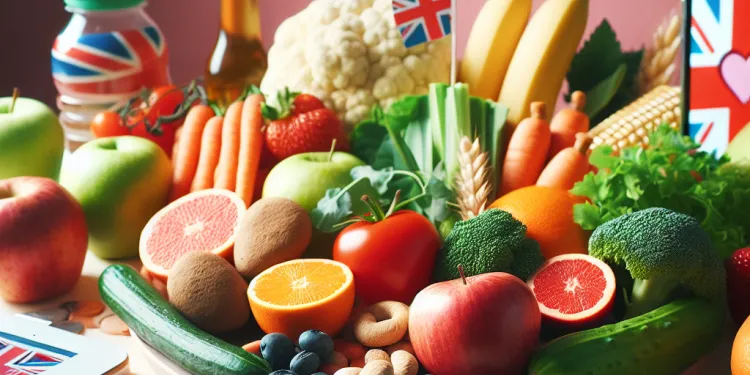
What dietary changes can help manage Crohn's disease?
Relevance: 9%
What is Lycopene?
Lycopene is a naturally occurring pigment that gives fruits and vegetables like tomatoes, watermelons, and pink grapefruits their red or pink colours. It is a member of the carotenoid family, which encompasses a range of pigments known for their antioxidant properties. Lycopene is not produced naturally by the human body, which means it must be obtained through the diet. While it is most famously associated with tomatoes, it is found in other red and pink plant foods as well.
Lycopene as an Antioxidant
As an antioxidant, lycopene plays a crucial role in protecting cells from oxidative stress. Oxidative stress occurs when there is an imbalance between free radicals and antioxidants, leading to cellular damage. Free radicals are unstable molecules that can damage DNA and other critical cell structures. By neutralising these radicals, lycopene helps to maintain cellular integrity and supports overall health.
Lycopene's Function in Prostate Health
Lycopene is particularly renowned for its potential benefits in supporting prostate health. The prostate is a small gland in men that is part of the reproductive system, and its health is a significant concern, particularly as men age. Prostate health supplements often include lycopene due to its antioxidant properties and its role in reducing inflammation. Chronic inflammation in the prostate can lead to conditions such as prostatitis and may influence the development of more serious prostate diseases.
Research has suggested that lycopene might help to reduce the risk of prostate cancer. Studies indicate that a diet high in lycopene might slow down the progression of prostate cancer or lower the risk of developing it in the first place. The exact mechanism is not entirely understood, but it is thought that lycopene's ability to protect cells from damage, reduce inflammation, and interfere with tumour growth all contribute to its beneficial role.
Lycopene in Prostate Supplements
Many prostate health supplements in the UK market contain lycopene as one of their key ingredients. These supplements aim to harness the potential protective effects of lycopene to support and maintain prostate health. They often combine lycopene with other vitamins and minerals that have favourable effects on the prostate, such as selenium, zinc, and vitamin E. The combination of these nutrients is designed to maximise the supplement's overall effectiveness.
When considering lycopene supplements, it's important to choose products from reputable brands and to consult with a healthcare provider, particularly if there are any pre-existing health concerns. While lycopene supplements can be advantageous, they should be part of a comprehensive approach to health that includes a balanced diet and regular check-ups.
What is Lycopene?
Lycopene gives red or pink color to some fruits and vegetables like tomatoes and watermelons. Our bodies cannot make lycopene, so we need to eat it in our food. It is also found in other red and pink plant foods.
Lycopene as an Antioxidant
Lycopene helps protect our cells from damage. It fights against bad things called free radicals that can hurt our cells. When lycopene fights these, it helps keep us healthy.
Lycopene's Function in Prostate Health
Lycopene is good for the prostate, a small part of the male body. As men get older, taking care of their prostate becomes more important. Lycopene can help with this because it reduces swelling inside the prostate. It might also lower the risk of prostate cancer by keeping cells safe, stopping swelling, and stopping bad things from growing.
Eating foods with lycopene or taking prostate health pills with lycopene can help. Scientists are still learning exactly how lycopene works, but they think it protects cells and stops harmful things from growing.
Lycopene in Prostate Supplements
Prostate health pills in the UK often have lycopene. These pills mix lycopene with other good things like selenium, zinc, and vitamin E. These mixtures work together to help the prostate stay healthy.
Before taking lycopene pills, it is best to talk to a doctor, especially if you already have health problems. Lycopene pills should be part of a healthy lifestyle that includes good eating and regular doctor visits.
Frequently Asked Questions
What is lycopene?
Lycopene is a naturally occurring carotenoid pigment found in red and pink fruits such as tomatoes, watermelons, and pink grapefruits.
What are carotenoids?
Carotenoids are a class of pigments found in plants that have antioxidant properties. They give red, yellow, and orange fruits and vegetables their color.
How does lycopene benefit the prostate?
Lycopene is believed to support prostate health by reducing oxidative stress and inflammation, which may help in preventing or slowing the progression of prostate conditions.
Why is lycopene included in prostate supplements?
Lycopene is included in prostate supplements due to its antioxidant properties and potential role in reducing the risk of prostate cancer and supporting overall prostate health.
Is lycopene only found in supplements?
No, lycopene is naturally found in a variety of foods, particularly red and pink fruits like tomatoes, watermelons, and pink grapefruits.
How does lycopene function as an antioxidant?
Lycopene functions as an antioxidant by neutralizing free radicals in the body, which can reduce oxidative stress and lower the risk of chronic diseases.
Can lycopene prevent prostate cancer?
While research shows that lycopene may lower the risk of prostate cancer, it is not definitive. It may contribute to a reduced risk as part of a balanced diet and healthy lifestyle.
Are there any side effects of taking lycopene supplements?
Lycopene is generally considered safe, but high doses may cause digestive and skin issues. It's best to consult with a healthcare professional before starting any supplement.
What is the recommended daily intake of lycopene?
There is no established recommended daily intake of lycopene, but studies often concern themselves with amounts ranging from 6 to 15 mg per day.
Can lycopene interact with medications?
Lycopene is not known for significant interactions with medications, but it's wise to consult a healthcare provider if taking other medicines or supplements.
Is lycopene effective in all forms?
Lycopene is best absorbed from cooked or processed tomato products like sauce or paste, as cooking enhances its bioavailability.
Can I get enough lycopene from diet alone?
Yes, a diet rich in tomatoes and other lycopene-containing fruits can provide adequate amounts of lycopene without the need for supplements.
What foods are highest in lycopene?
Foods high in lycopene include tomatoes and tomato products, watermelons, pink grapefruits, guavas, and papayas.
How does cooking affect lycopene?
Cooking increases the bioavailability of lycopene, making it easier for the body to absorb compared to raw sources.
What is the role of lycopene in the body?
Lycopene acts as an antioxidant, helping to protect cells from damage and supporting overall health, including heart and prostate health.
Can everyone take lycopene supplements?
Most people can safely take lycopene supplements, but individuals with specific health conditions or on certain medications should consult a healthcare provider first.
How does lycopene contribute to heart health?
Lycopene may help heart health by improving cholesterol levels and reducing blood pressure and inflammation due to its antioxidant properties.
Are there any medical studies supporting lycopene's role in prostate health?
Several studies suggest that higher lycopene intake is associated with a lower risk of prostate issues, though further research is needed for conclusive evidence.
Is lycopene more effective when taken with fat?
Yes, since lycopene is fat-soluble, its absorption is improved when consumed with dietary fats.
What are some natural sources of lycopene besides tomatoes?
In addition to tomatoes, natural sources of lycopene include watermelons, pink grapefruits, guavas, and papayas.
What is lycopene?
Lycopene is a bright red stuff in fruits and vegetables. It makes tomatoes red!
Lycopene is good for your body. It helps keep you healthy.
To learn more, you can use picture cards or ask a grown-up to help you.
Lycopene is a natural color that makes some fruits red or pink. You can find it in tomatoes, watermelons, and pink grapefruits.
What are carotenoids?
Carotenoids are natural colors in fruits and vegetables. They make carrots orange and tomatoes red. These colors help keep your eyes and body healthy.
To learn more about carotenoids, you can:
- Look at pictures of fruits and vegetables.
- Watch videos about healthy foods.
- Ask a grown-up to help you read about healthy eating.
Carotenoids are colors found in plants. They help keep us healthy. They make fruits and veggies look red, yellow, or orange.
How does lycopene help the prostate?
Lycopene is a bright red stuff found in tomatoes and other fruits. It can be good for the prostate, which is a part of the body that men have. Lycopene might help keep the prostate healthy.
To understand better, you can:
- Watch videos that talk about lycopene and the prostate.
- Read books with pictures about the body and healthy foods.
- Ask someone to explain it to you in a simple way.
Lycopene is good for keeping the prostate healthy. It can help stop damage and swelling. This may help stop or slow down prostate problems.
Why is lycopene in prostate supplements?
Lycopene is good for health. It can help keep the prostate healthy. The prostate is a part of the body in men. Eating foods with lycopene might be helpful. You can find lycopene in tomatoes.
Tip: Use a dictionary to learn new words. Ask someone to read with you if you need help.
Lycopene is put in prostate supplements because it helps keep the prostate healthy. It might lower the risk of prostate cancer. Lycopene is a powerful antioxidant, which means it protects cells from damage.
Do we find lycopene only in pills?
No, lycopene is something that is found in food naturally. It is in fruits that are red and pink. You can find it in tomatoes, watermelons, and pink grapefruits.
What does lycopene do as an antioxidant?
Lycopene is something that helps keep our bodies healthy.
It is found in red foods like tomatoes and watermelon.
Lycopene protects our cells and helps fight damage.
It acts like a shield against harmful things called free radicals.
Free radicals can hurt our cells, but lycopene helps stop this.
You can eat more red fruits and veggies to get lycopene.
A picture showing red foods can help remember where to find lycopene.
Lycopene helps keep our body healthy. It works by stopping bad things called free radicals. These free radicals can hurt our bodies. By stopping them, lycopene can help us feel better and reduce the chances of getting sick for a long time.
Can lycopene stop prostate cancer?
Lycopene is a red stuff in tomatoes. It might help keep you healthy.
Prostate cancer is when bad cells grow in a man's prostate.
Some people think lycopene can help stop this cancer. But scientists are still looking into it.
If you want to know more, talk to a doctor. They can help you understand better.
You can also use picture stories or videos to learn more about lycopene and how it might help.
Eating foods with lycopene might help lower the chance of getting prostate cancer. But we are not sure yet. It’s good to have lycopene as part of a healthy diet and lifestyle.
What happens if you take lycopene pills?
Lycopene is a stuff in some fruits and vegetables. Some people take it in pills.
It is usually safe, but sometimes it might upset your tummy.
If you feel sick or get a rash, stop taking it and talk to a doctor.
Ask a grown-up or doctor if you are unsure.
Lycopene is usually safe. But taking too much can upset your tummy and skin. It's a good idea to talk to a doctor before you start taking it.
How much lycopene should I have each day?
Lycopene is a nutrient you get from food. It is good for your body.
There is no exact amount everyone should have. Eating foods like tomatoes and watermelon gives you lycopene.
If you have questions, ask a doctor or a nutritionist. They can help you know how much is right for you.
You can also use helpful tools like pictures or videos to learn more about lycopene.
There isn't a set amount of lycopene you need to have every day. But, many studies look at people having between 6 and 15 mg of lycopene a day.
Can lycopene affect medicines?
Lycopene is something in some foods. It usually doesn't change how medicines work. But, it is a good idea to ask a doctor or a nurse if you are taking other medicine or vitamins.
Does lycopene work in all types?
Lycopene is a part of tomatoes that is good for you. Your body takes in lycopene better when tomatoes are cooked, like in tomato sauce or paste. Cooking helps your body use lycopene more easily.
Can I get enough lycopene from food?
Lycopene is a good thing in some fruits and veggies. It's in red foods, like tomatoes and watermelon.
Eating a variety of red fruits and veggies can help you get lycopene.
If you're not sure, try talking to a doctor or a dietitian. They can give good advice and ideas.
You can also use apps or books with pictures to learn more about foods with lycopene.
Yes, eating tomatoes and fruits with lycopene is good. You can get enough lycopene from them without taking extra pills.
Which foods have a lot of lycopene?
Some foods have a lot of lycopene. Lycopene is good for you. It is in fruits and vegetables.
Tomatoes: Tomatoes have a lot of lycopene. Cooked tomatoes like sauce or soup have even more.
Watermelon: Watermelon is sweet and has lycopene.
Pink Grapefruit: This is a sour fruit with lycopene.
Guavas: Guavas are tropical fruits that have lycopene.
Try using pictures of these foods to help you remember them.
Read with a friend or family member if you need help.
Some foods have a lot of lycopene. These foods are tomatoes, things made from tomatoes, watermelons, pink grapefruits, guavas, and papayas.
What happens to lycopene when we cook food?
Cooking makes lycopene easier for our bodies to use. This means when we cook things with lycopene, like tomatoes, our body can take in more of it than when we eat them raw.
Here are some tips to help understand:
- Think of lycopene as a special part of some foods that help us stay healthy.
- Cooking is like magic that helps our bodies get more of the special parts from food.
- If you need help reading, you can use tools that read words out loud or show pictures.
What does lycopene do in the body?
Lycopene helps keep your body healthy. It is a natural chemical found in red fruits and vegetables, like tomatoes.
Lycopene is good because it can help protect the body from getting sick. It can help your eyes and heart stay strong.
Here are some tips to understand more about lycopene:
- Look at pictures of foods with lycopene, like tomatoes and watermelon, to help remember.
- Ask an adult or teacher to explain it to you with simple words.
- Watch a video about how food helps our bodies.
Lycopene is a type of helper called an antioxidant. It helps keep our body cells safe from harm. This helps us stay healthy! Lycopene is good for our heart and helps keep our prostate healthy too.
To learn new words, you can use a dictionary. It is also helpful to look at pictures or watch videos about the topic.
Can everyone take lycopene pills?
No, not everyone should take lycopene pills. It is important to ask a doctor or a nurse if it is safe for you.
Here are some tips:
- Ask an adult for help if you have a question.
- Use pictures to help understand new words.
- Read with a friend to make it more fun.
Most people can take lycopene supplements safely. But some people should talk to a doctor first. This is important if they have special health problems or take certain medicines.
How does lycopene help your heart stay healthy?
Lycopene is something found in red fruits and veggies like tomatoes and watermelons. It can help your heart be strong and healthy.
Here are some tips to understand better:
- Use pictures to see what lycopene is. Pictures can help you remember.
- Ask someone you trust to explain words you don’t know.
Lycopene is good for your heart. It can help by making cholesterol better. It can also help lower blood pressure and stop swelling. It does this because it is an antioxidant, which is good for you.
If reading is hard, you can use tools like audiobooks to listen instead of read. Reading apps can also help by highlighting words as you read along.
Do doctors have proof that lycopene helps with prostate health?
Doctors and scientists study to find answers. Lycopene is found in tomatoes and can be good for health. Some studies show lycopene might help the prostate, which is a part of the body in men. But more research is needed to know for sure.
If you want to learn more, try talking to a doctor or a health expert. They can help explain what lycopene can do. You can also use tools like audiobooks or videos for more information. They can make learning easier and more fun!
Some studies say that eating more lycopene might help keep your prostate healthy. But we need to learn more to be sure. Making colorful charts or using highlighter pens can help you remember this better.
Does lycopene work better with fat?
Lycopene is good for you. It is in tomatoes and other red fruits. It helps keep your body healthy.
Your body might use lycopene better when you eat it with fat. This is because lycopene likes to stick to fat.
Try eating lycopene with foods like avocado or olive oil. This might help your body use it more.
If reading is hard, you can:
- Ask a friend or family member to help.
- Use a reading app to listen to the words.
Yes, lycopene is better absorbed by the body when eaten with fats, like oils and butter.
What other foods have lycopene besides tomatoes?
Lycopene is a bright red stuff in some foods. It is good for you. You can find lycopene in:
- Watermelon - This juicy fruit is red and sweet.
- Pink Grapefruit - This fruit is tart and fresh.
- Red Peppers - These are crunchy and can be eaten raw or cooked.
- Papaya - This tropical fruit is orange and sweet.
Try using picture cards to help remember these foods.
Lycopene is also found in some fruits. It is in watermelons, pink grapefruits, guavas, and papayas. Tomatoes have it too!

Useful Links
- Ergsy carfully checks the information in the videos we provide here.
- Videos shown by Youtube after a video has completed, have NOT been reviewed by ERGSY.
- To view, click the arrow in centre of video.
- Most of the videos you find here will have subtitles and/or closed captions available.
- You may need to turn these on, and choose your preferred language.
- Go to the video you'd like to watch.
- If closed captions (CC) are available, settings will be visible on the bottom right of the video player.
- To turn on Captions, click settings .
- To turn off Captions, click settings again.
More Items From Ergsy search
-
What is lycopene, and what is its function in prostate supplements?
Relevance: 100%
-
What are prostate supplements and do they work?
Relevance: 79%
-
Are prostate supplements safe?
Relevance: 76%
-
What ingredients are commonly found in prostate supplements?
Relevance: 74%
-
Can prostate supplements cure prostate cancer?
Relevance: 74%
-
Can women take prostate supplements?
Relevance: 67%
-
How do prostate supplements work?
Relevance: 62%
-
Do prostate supplements require a prescription?
Relevance: 62%
-
How should I choose a prostate supplement?
Relevance: 59%
-
Can I take prostate supplements with my medications?
Relevance: 58%
-
Do prostate supplements have side effects?
Relevance: 58%
-
What is beta-sitosterol and its role in prostate supplements?
Relevance: 57%
-
How long do prostate supplements take to work?
Relevance: 57%
-
Are there clinical studies supporting the effectiveness of prostate supplements?
Relevance: 57%
-
Should I consult a doctor before taking prostate supplements?
Relevance: 55%
-
Are all prostate supplements the same?
Relevance: 52%
-
Can diet alone support prostate health?
Relevance: 47%
-
Is zinc important for prostate health?
Relevance: 44%
-
Prostate Surgery
Relevance: 36%
-
What is Prostate Cancer?
Relevance: 34%
-
Treating prostate cancer
Relevance: 34%
-
Living with prostate cancer
Relevance: 33%
-
Prostate cancer diagnosis and tests
Relevance: 32%
-
Am I more at risk of prostate cancer?
Relevance: 32%
-
Why do men get prostate cancer?
Relevance: 31%
-
Hormone Therapy for prostate cancer
Relevance: 31%
-
Prostate cancer symptoms - detecting them early
Relevance: 31%
-
Prostate Specific Antigen (PSA) test
Relevance: 30%
-
What are PSA levels? - Prostate Cancer
Relevance: 30%
-
What is it like having Prostate Radiotherapy treatment?
Relevance: 29%
-
Does Baxdrostat interact with dietary supplements?
Relevance: 28%
-
Royal Berkshire NHS Foundation Trust: Radiotherapy for prostate cancer
Relevance: 28%
-
Breakthrough in Cancer Treatment Offers Hope for Prostate Cancer Patients
Relevance: 28%
-
Ask for a prostate specific antigen (PSA) test along with your annual cholesterol check.
Relevance: 24%
-
How do seniors qualify for Supplemental Security Income (SSI)?
Relevance: 19%
-
What is PSA testing?
Relevance: 16%
-
Is Vitamin C effective against colds?
Relevance: 12%
-
How should I prepare for a facelift?
Relevance: 10%
-
What kinds of cancer screening are available?
Relevance: 9%
-
What dietary changes can help manage Crohn's disease?
Relevance: 9%